

Vintage Shirts Men: The Complete Guide for 2026
If you’ve ever looked at an old photo and thought, “Wow, grandpa had serious style,” you’re not alone. Vintage shirts for men have made a powerful comeback in 2026, mixing nostalgia with today’s bold trends. These shirts aren’t just old clothes—they tell stories, spark conversations, and (let’s be honest) might even help you win a few style points at your next party.
But before you dive into your dad’s closet or raid a thrift shop, there’s a lot to know. Vintage shirts are more than just funky patterns and big collars. You’ll discover unique styles, learn how to spot the real deal, and maybe even understand why your uncle’s 1970s bowling shirt is suddenly worth more than your new sneakers.
Ready to level up your style and maybe even outshine your family’s old photo albums? Let’s explore the fascinating world of vintage men’s shirts—with plenty of tips, facts, and even a few laughs along the way.
What Makes A Shirt “vintage”?
When people say “vintage,” they don’t mean the shirt you bought last year and forgot to wear. In fashion, vintage usually means clothing that’s at least 20 years old but not quite ancient enough to be “antique.” So, if you’re wearing a shirt from 2006, congratulations—it's almost vintage, and so are you!
But a vintage shirt is more than just old. It’s about:
- Quality: Many vintage shirts were made to last, using strong fabrics and careful stitching.
- Unique designs: Think wild prints, bold colors, and styles that you won’t find at the mall.
- Cultural history: Some shirts reflect the music, art, or politics of their time.
Why do people love vintage shirts? Because they stand out. You won’t see five other guys wearing the same thing at the coffee shop—and if you do, you’ve just discovered a secret retro club.
The Most Popular Vintage Shirt Styles For Men
There’s no single look for vintage shirts. Each era brought its own flavor, and each style tells a different story. Let’s explore the most beloved types of vintage men’s shirts that are hot in 2026.
1. Hawaiian Shirts
If you’ve seen a dad at a barbecue, you know the Hawaiian shirt. These shirts explode with palm trees, flowers, and colors so bright they could wake up your neighbor. Popular since the 1940s, they’re now the go-to for summer parties and ironic office days.
2. Bowling Shirts
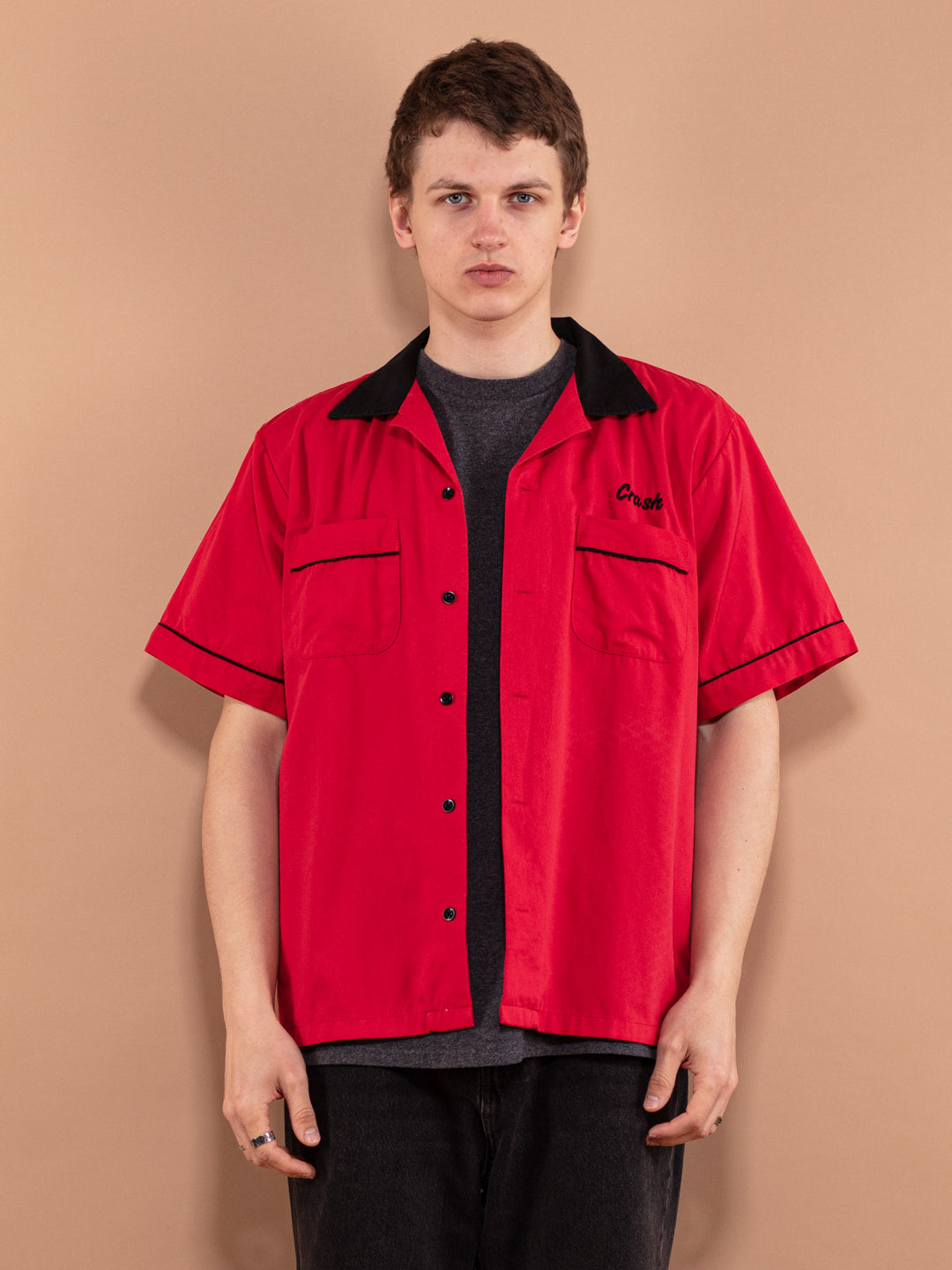
Bowling shirts are short-sleeved, often two-toned, and sometimes have names like “Earl” or “Betty” embroidered on them. Whether you bowl or just want to pretend you do, these shirts add instant retro cool.
3. Camp Collar Shirts
The camp collar, with its relaxed, open neck, was a hit in the 1950s. These shirts look great on vacation or when you want to appear like you’re always on vacation. Bonus: They’re comfortable and easy to layer.
4. Band T-shirts
A real vintage band tee is a treasure. If you find one from an actual concert in the 1970s or 1980s, congratulations—you’ve found the holy grail of cool. Just don’t be surprised if strangers ask, “Did you really see that band live?”
5. Western Shirts
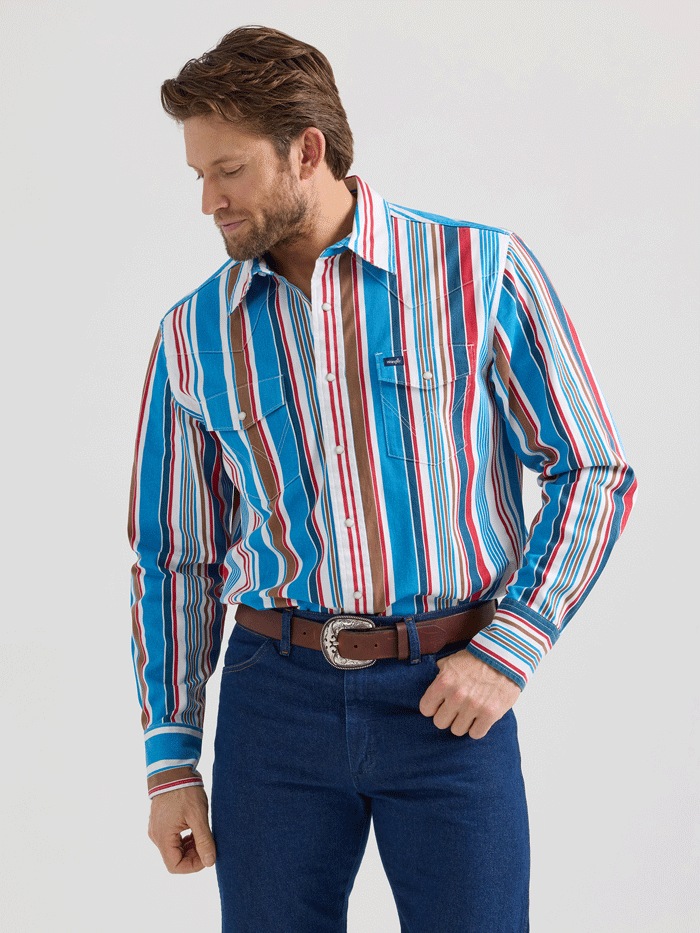
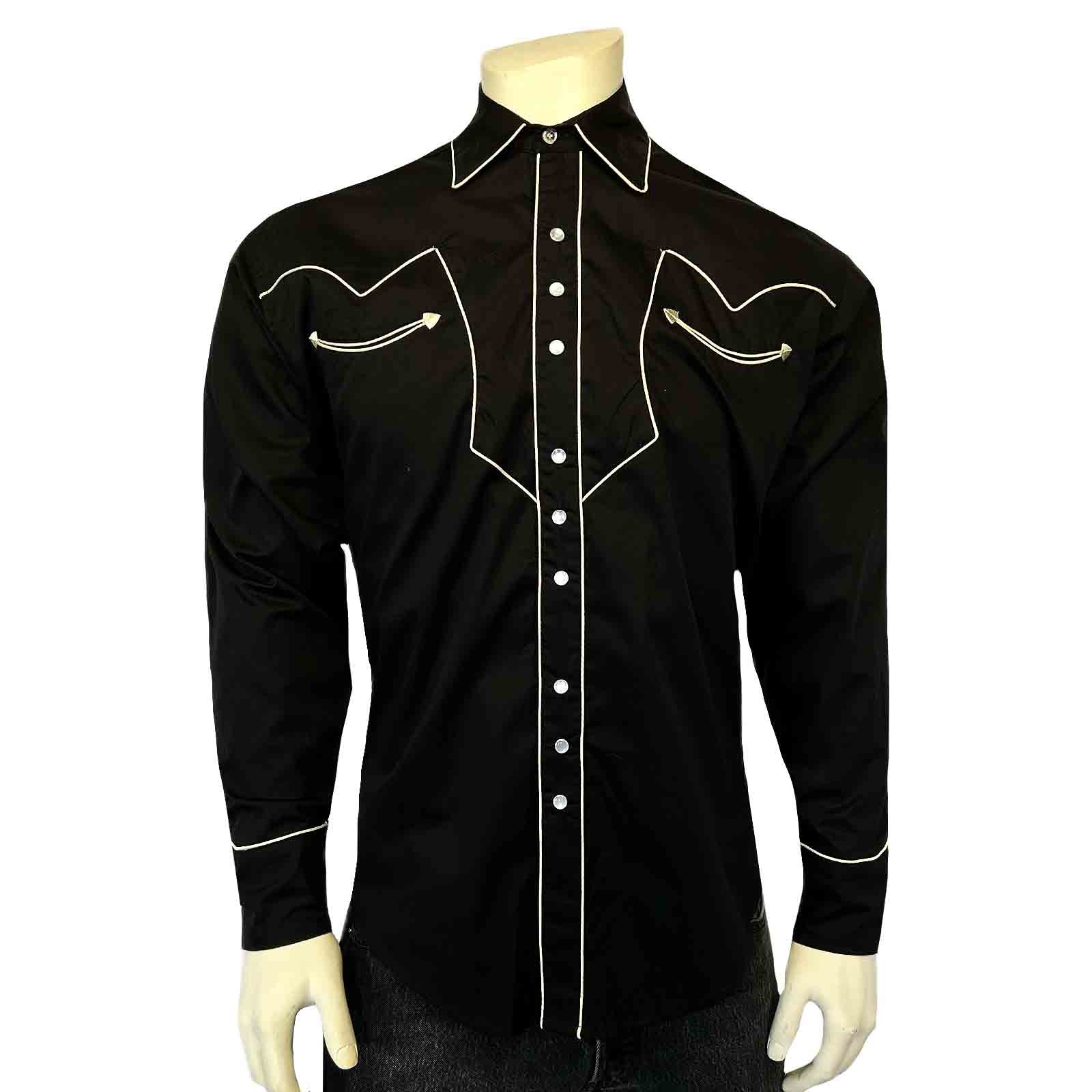
Western shirts have pointed yokes, snap buttons, and sometimes even pearl snaps. They scream cowboy, even if the only horse you’ve ridden is a city bus. These shirts can be plain or decorated with embroidery and piping.
6. Oxford Shirts
The classic Oxford shirt has been around since the late 1800s. It’s not just for preppy guys; it’s a staple for any vintage wardrobe. Look for thick cotton, button-down collars, and pastel colors.
7. Flannel Shirts
Think lumberjack. Think Kurt Cobain. The flannel shirt is warm, cozy, and has a pattern (plaid!) that never goes out of style. Vintage flannels are often softer than new ones—and sometimes come with mysterious stains and stories.
8. Rugby Shirts
Wide stripes, heavy cotton, and a white collar make the rugby shirt instantly recognizable. Born on the field, now worn everywhere from college campuses to coffee shops.
9. Guayabera Shirts
The Guayabera is a Cuban classic, known for its pleats and pockets. Lightweight and perfect for warm weather, these shirts bring a tropical vibe even if you’re just walking to the grocery store.
10. Military Shirts
Real military shirts have a tough, rugged look. Olive drab, sturdy buttons, and practical pockets make them a favorite for street style. Some even have real history—maybe your vintage shirt once helped win a war or at least survived laundry day.
11. Disco Shirts
If you want to relive the 1970s, find a disco shirt. These come with big collars, shiny fabrics, and patterns that might hypnotize your friends. Warning: May cause sudden dance moves.
12. Denim Shirts
The denim shirt is a classic. It’s tougher than a T-shirt but more relaxed than a dress shirt. Vintage denim softens with age, so your grandpa’s old shirt might be the most comfortable thing you ever wear.
13. Polo Shirts
Before tech bros made them popular, vintage polo shirts were worn for tennis, golf, and just looking sharp. Look for old logos, thick cotton, and maybe even a few mysterious stains (vintage charm!).
14. Ringer Tees
Ringer tees have colored bands at the neck and sleeves. They scream “1970s gym class” but are now back in style. The best vintage ringer tees feature old company logos or team names.
15. Workwear Shirts
Think mechanic or gas station shirts with embroidered patches. Workwear shirts are durable, stylish, and have a rugged vibe. Some collectors prize shirts with real business names.
16. Safari Shirts
With their epaulettes and plenty of pockets, safari shirts were made for adventure. Even if your idea of adventure is finding your lost keys, these shirts bring explorer energy to your wardrobe.
17. Tuxedo Shirts
A vintage tuxedo shirt can add flair to any formal outfit. Ruffles, pleats, or pintucks make these shirts fancier than your average dress shirt—and much more fun at a party.
18. Madras Shirts
The madras shirt features colorful, patchwork plaid patterns. Light and breezy, they became a preppy staple in the 1960s. Each shirt is unique—sometimes the colors even fade in a charming way.
19. Baseball Shirts
The classic baseball shirt has raglan sleeves and a button-up front. Vintage versions often feature old team names and logos. They’re sporty, casual, and full of character.
20. Tiki Shirts
Cousins to Hawaiian shirts, tiki shirts focus on Polynesian-inspired prints—think drums, masks, and island flowers. Wearing one can make any day feel like a vacation, even if you’re just surviving a Monday.
How To Identify True Vintage Shirts
Many brands now create “vintage-style” shirts, but there’s a big difference between a 2026 reproduction and the real deal. Here’s how you can spot authentic vintage shirts:
- Check the Label: Old shirts often have labels with unique fonts, “Made in USA” tags, or brand names that no longer exist.
- Feel the Fabric: Vintage shirts usually use thicker, natural fabrics. If it feels too stretchy or shiny, it’s probably modern.
- Look for Details: Single-needle stitching, unique buttons, and old-fashioned sizing (“Medium 15-15 ½”) are clues.
- Smell Test: Okay, don’t sniff too hard, but a mild musty scent can signal age. If it smells like your grandmother’s attic, you might have a winner.
- Construction: Vintage shirts often have reinforced seams and details you won’t find in fast fashion.
Table: Vintage Vs. Modern Shirt Features
| Feature | Vintage Shirts | Modern Shirts |
|---|---|---|
| Fabric | Thick cotton, rayon, wool | Polyester blends, stretch fabrics |
| Stitching | Single-needle, visible seams | Double-needle, hidden seams |
| Labels | Old fonts, detailed tags | Modern logos, minimal info |
| Fit | Boxy, relaxed | Trim, fitted |
Where To Find Vintage Men’s Shirts In 2026
Hunting for the perfect vintage shirt can feel like a treasure hunt, and the best finds are often in unexpected places.
- Thrift stores: The classic spot. Dig deep, and don’t be afraid to get your hands dusty.
- Online marketplaces: Sites like eBay, Etsy, and Depop offer shirts from around the world. Photos are key—zoom in for details!
- Vintage boutiques: Specialized shops often curate top-quality pieces, but expect higher prices.
- Estate sales & flea markets: Sometimes, you’ll find a goldmine of shirts from one person’s collection.
- Garage sales: Yes, people still have them in 2026, and yes, you can score a $5 disco shirt if you wake up early enough.
Table: Where To Shop For Vintage Shirts
| Source | Pros | Cons |
|---|---|---|
| Thrift Stores | Low prices, surprises | Time-consuming, hit or miss |
| Online Marketplaces | Wide selection, shop anytime | Can’t try before buying, shipping costs |
| Vintage Boutiques | Curated, high quality | Expensive |
| Estate/Flea Markets | Unique finds, negotiation possible | Requires travel, cash preferred |
Credit: jcwesternwear.com
How To Choose The Right Vintage Shirt For Your Style
Not every vintage shirt will suit your look, and that’s okay. Here’s how to pick a winner:
- Start with basics: If you’re new to vintage, try a classic Oxford, flannel, or denim shirt. These go with almost anything.
- Check the fit: Vintage sizing is tricky. Many old shirts run bigger or have a boxier cut. Try before buying if possible.
- Pick your colors: Bold prints are fun, but if you’re shy, start with solid colors or subtle patterns.
- Consider the occasion: Save the disco shirts for parties, and use Oxfords or polos for daily wear.
- Mix, don’t match: Vintage works best when mixed with modern pieces. Pair a wild shirt with simple jeans for balance.
Common Mistake: Ignoring Repairs
Many vintage shirts have small flaws—missing buttons, tiny holes, or worn cuffs. These can often be fixed! Don’t skip a great shirt just because it needs a little TLC. Repairing adds to the story and can even make you feel like a fashion archaeologist.
Caring For Vintage Shirts: Keep Them Alive
Washing a 1970s shirt like it’s a gym T-shirt is a rookie mistake. Here’s how to keep your vintage finds looking good for years to come:
- Read the label: If it says “hand wash only,” believe it.
- Use gentle detergent: Harsh chemicals can fade old fabrics.
- Cold water is best: Hot water can shrink or damage vintage shirts.
- Air dry: Avoid the dryer, unless you want a shrunken “vintage crop top.”
- Store with care: Hang them up or fold loosely. Avoid plastic bags, which can trap moisture and create funky smells.
Table: Vintage Shirt Care Tips
| Care Step | Why It Matters | Pro Tip |
|---|---|---|
| Gentle Wash | Preserves color and fabric | Hand wash if possible |
| Cold Water | Prevents shrinkage | Use a laundry bag for protection |
| Air Dry | Keeps shape and size | Dry flat to avoid stretching |
| Proper Storage | Prevents damage | Store away from sunlight |
Styling Vintage Shirts: Tips For 2026
Wearing a vintage shirt without looking like you’re going to a costume party is an art. Here’s how to make vintage work in your everyday style:
- Mix old and new: Pair a loud 1970s shirt with modern jeans or sneakers.
- Layer up: Throw a camp collar shirt over a plain tee, or a flannel over a hoodie for extra warmth (and attitude).
- Accessorize: Add a vintage watch, retro sunglasses, or a cool hat.
- Tailor if needed: Slight adjustments can make even a baggy shirt look sharp.
- Confidence is key: The best accessory is believing you look good—even if you’re wearing a paisley shirt that scares small children.
Non-obvious Insight 1: Look For Single-run Prints
Some vintage shirts were made in extremely limited runs—maybe just a few hundred pieces for a local event or obscure brand. These one-of-a-kind designs can fetch higher prices and make you the only guy in the room with that exact look.
Non-obvious Insight 2: Keep An Eye On Sizing Labels
Old shirts often use weird sizing systems—“Large” in 1960 could fit like a modern “Small. ” Always check the actual measurements or try the shirt on. A tape measure is your best friend in the vintage world (and it never lies).
The Investment Value Of Vintage Shirts
Here’s a fun fact: Some vintage shirts are worth more than the phone in your pocket. In 2026, collectors pay big money for shirts from famous events, rare brands, or iconic designs. For example:
- A true 1960s Beatles tour shirt sold for over $5,000.
- Vintage Grateful Dead tees often fetch $300–$800 each.
- Rare Hawaiian shirts can reach $1,000+ if the print and condition are right.
Why? Because vintage shirts combine history, art, and nostalgia. They’re wearable time capsules—and sometimes, better investments than stocks (just don’t tell your financial advisor).
Famous Vintage Shirt Moments In Pop Culture
Some vintage shirts are famous because of who wore them. Here are a few moments that boosted the popularity of vintage shirts for men:
- Kurt Cobain and the grunge flannel, making thrift shop shirts cool in the 1990s.
- Elvis Presley in bright Hawaiian shirts, making beachwear a fashion statement.
- James Dean with his classic white tee and denim, setting the standard for rebel style.
- David Bowie in wild prints, showing that fashion has no rules.
Even today, celebrities like Harry Styles and Timothée Chalamet are spotted in real vintage shirts, making retro looks hotter than ever in 2026.
Sustainability: Vintage Shirts Save The Planet (and Your Wallet)
Buying vintage isn’t just about looking cool—it’s also a smart way to help the environment. The fashion industry creates over 92 million tons of waste each year. By choosing vintage shirts, you’re recycling clothes, reducing demand for new production, and keeping unique pieces in circulation.
Plus, vintage shirts often cost less than new designer clothes. Why pay $300 for a “distressed” shirt when you can get a real one—with actual history—for a fraction of the price?
For more on the environmental impact of fashion, check out this Wikipedia article.
How To Avoid Fakes And Overpriced “vintage”
The popularity of vintage shirts has led to a rise in fakes and overpriced “retro” items. Here’s how to avoid getting scammed:
- Research brands and tags: Know what real vintage labels look like.
- Check for wear: A brand new “vintage” shirt might be a reproduction.
- Ask for proof: If buying online, request close-up photos of labels, stitching, and details.
- Trust your gut: If the price seems too high for a simple shirt, walk away.
Non-obvious Insight 3: Watch For “deadstock”
“Deadstock” means vintage clothing that was never worn, often still with original tags. These shirts are rare and can cost more, but be careful: Sometimes “deadstock” is just a clever way to sell modern reproductions. Always double-check before paying extra.
The Social Side: Why Vintage Shirts Start Conversations
Wearing a vintage shirt is a guaranteed icebreaker. People might ask where you found it, what the print means, or tell you a story about their own favorite shirt. Vintage fashion creates connections—across generations, cultures, and even music tastes.
You might get compliments from strangers, or you might get questions like, “Why are you wearing a shirt with a giant lobster?” (Answer: Because it’s awesome, obviously.)
Credit: northerngrip.com
Vintage Shirt Trends For Men In 2026
So, what’s trending right now? In 2026, the hottest vintage shirt trends include:
- Oversized fits: Comfort is king, and big shirts are back.
- Bold graphics: Wild prints and logos from the 1980s and 1990s are everywhere.
- Eco-friendly materials: Natural fabrics like linen and cotton are in demand.
- Mixing eras: Guys are combining 1950s camp collars with 1990s band tees for a unique look.
- DIY customization: Adding patches or embroidery to vintage shirts gives them new life.
Don’t be afraid to experiment. Fashion is about having fun—and maybe making your dad jealous that you look better in his old shirts than he ever did.
Frequently Asked Questions
What Is Considered A Vintage Shirt For Men?
A vintage shirt is usually at least 20 years old and made with materials, labels, or styles from a past era. It’s not just “old”—it should have unique design, quality, or history that sets it apart from modern shirts.
How Do I Know If My Shirt Is Actually Vintage?
Check the label for old branding, country of manufacture, and unique sizing. Feel the fabric—real vintage shirts often use thicker, natural materials. Look for signs of age, like faded colors or single-needle stitching.
Can I Wear Vintage Shirts For Formal Occasions?
Yes! Some vintage shirts, like tuxedo or Oxford shirts, are perfect for formal events. Make sure the shirt fits well and is in good condition. Pair with modern trousers or a suit for a fresh take on classic style.
Are Vintage Shirts Expensive?
Prices vary. Thrift store finds can be as low as $5, but rare or collectible shirts (band tees, designer labels) can cost hundreds or even thousands. Condition, brand, and rarity all affect price.
How Should I Wash And Care For Vintage Shirts?
Use gentle detergent and cold water. Hand wash if possible. Air dry to prevent shrinking or damage. Always check the care label if it’s still readable—and avoid harsh chemicals or dryers.
---
Vintage shirts for men are more than just clothing—they’re memories, statements, and sometimes, the start of great conversations. Whether you’re looking for a unique style, a piece of history, or just a shirt with a story, the world of vintage has something for everyone.
So go ahead, raid that thrift shop, dig into your family’s closets, and wear your vintage finds with pride. You might just inspire the next great trend—or at least give your friends something to talk about at your next party.
Credit: rockmount.com
