

Retro T-Shirts from the 70s: Groovy Comebacks and How to Rock Them in 2026
If you step into any stylish street market, hipster café, or your uncle’s closet, you’ll notice something magical: retro t-shirts from the 70s are everywhere. These shirts, once worn by disco lovers, rock band fans, and serious mustache owners, are now back—stronger, bolder, and with just as much polyester. It seems in 2026, the world can’t get enough of these colorful, quirky, and sometimes questionable pieces of fabric history. But what makes 70s t-shirts so special, and why do people today love to wear them—sometimes with bell-bottoms, sometimes with TikTok-inspired dance moves?
Let’s take a wild ride through the world of 70s retro t-shirts. We’ll explore their styles, history, why they keep coming back, how to spot real deals (not grandpa’s old laundry rag), and how you can wear them without looking like you’re auditioning for a “Back to the Future” remake.
So grab your favorite soft drink (bonus points if it’s in a glass bottle), and let’s go retro!
The 70s T-shirt: Where Did All That Funk Come From?
In the 1970s, t-shirts were more than just clothing—they were walking billboards, statements, and sometimes, really bad puns. The decade brought bold colors, wild patterns, and slogans that ranged from peace and love to “Disco Sucks” (yes, people actually wore that). The era was all about breaking rules, being free, and wearing what made you feel groovy—even if it was bright orange with a giant smiley face.
Why did this happen? Blame it on the cultural revolution. Music, movies, and social movements collided to create a perfect storm of self-expression. T-shirts became a way to show your favorite band, your political views, or just your love for tacos.
And thanks to new printing technologies, making loud, eye-catching designs was easier—and cheaper—than ever.
But the 70s didn’t just give us funky prints; they gave us ringer tees, baseball tees, and the classic tie-dye. Each had its own special flavor, and today, each one has its fans. In 2026, these styles are as popular as ever—especially among people who weren’t even born in the last century.
Classic Styles Of 70s Retro T-shirts
Let’s break down the most iconic 70s t-shirt styles. You’ll probably recognize a few (or maybe you’ve seen them on your favorite streaming show).
Ringer Tees
Picture a plain white shirt with colored bands around the sleeves and neck. That’s a ringer tee. They were everywhere in the 70s, and in 2026, they’re the uniform of cool kids and anyone who enjoys a pop of color.
Ringer tees are simple, but they pack a punch. The contrast bands make the shirt stand out without screaming, “Look at me!”—unless, of course, the bands are neon green.
Tie-dye T-shirts
If you’ve ever spilled three kinds of juice on a white shirt, you already know what tie-dye looks like. But in the 70s, tie-dye was a symbol of peace, love, and possibly failed laundry experiments.
Tie-dye shirts are made by twisting, folding, and binding fabric before soaking it in dye. The results? Swirls, splashes, and every color under the sun. In 2026, tie-dye isn’t just for music festivals—it’s a sign you know how to have fun.
Slogan And Graphic Tees
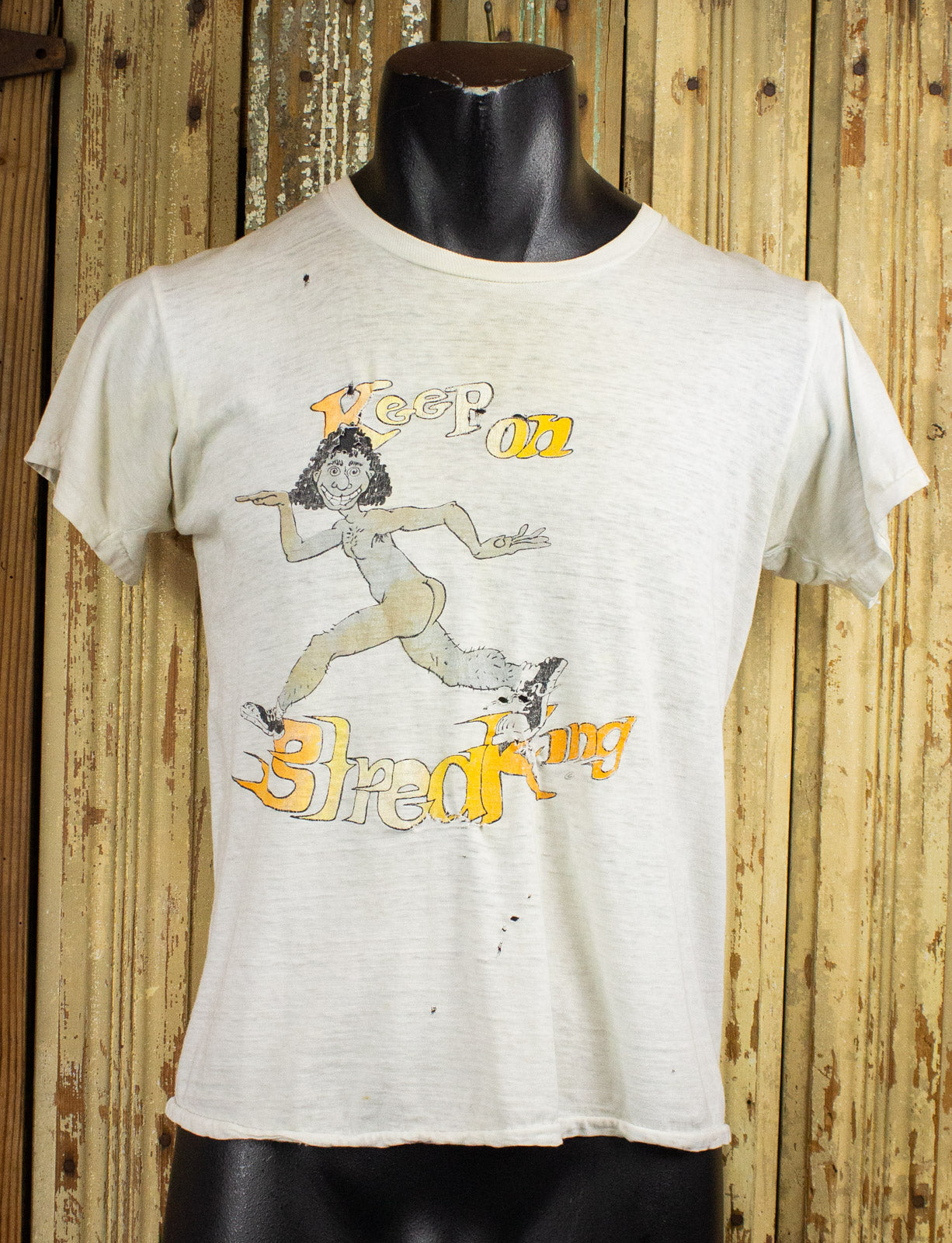
Some t-shirts in the 70s were loud, and some were LOUD. Slogan shirts shouted messages like “I’m With Stupid” (with an arrow), “Have a Nice Day,” or “Keep on Truckin’. ” Others featured band logos, TV shows, or just random cartoons.
Graphic tees let people show off their favorite things. Today, vintage slogan shirts are highly collectible, especially if the message makes no sense—“Foxy Grandpa” is still a mystery.
Baseball Tees
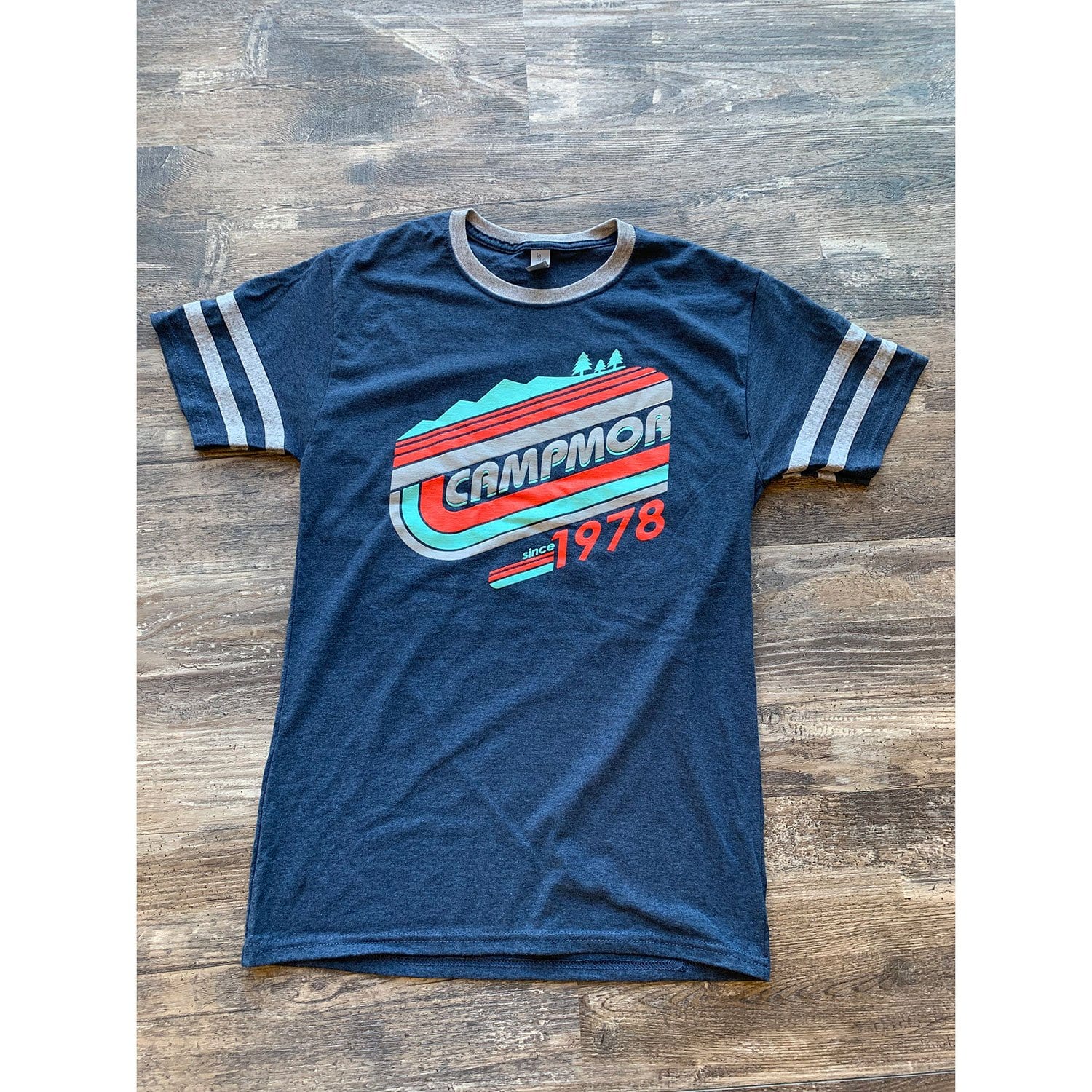
These shirts have contrasting sleeves and a sporty look. Baseball tees were big with athletes and anyone who liked to pretend they played sports. They’re back in 2026, often with retro team logos or playful graphics.
Iron-on Decal Tees
Nothing says “custom” like a shirt your mom made at the mall with an iron-on decal. In the 70s, people lined up to pick their design—from unicorns to muscle cars. These tees are now rare finds, but the style is making a comeback with modern printing.
Credit: www.campmor.com
Why Retro T-shirts From The 70s Are Still Cool In 2026
You might wonder: why do people keep reaching for these old-school shirts? It’s not just nostalgia (although, let’s face it, some folks really miss the 70s music). Here’s why 70s t-shirts are having another moment.
- Unique Style: Retro shirts stand out in a world full of plain, boring basics. The colors, prints, and fits are different from what you’ll find in a regular store.
- Nostalgia: Even people born after the 70s love the idea of “the good old days”—even if their idea of retro is based on movies, not memories.
- Quality Materials: Many vintage shirts were made to last. The cotton is thicker, the stitching stronger, and they can survive more washes than a modern fast-fashion tee.
- Eco-Friendly: Wearing vintage is one of the greenest things you can do. No new resources, no extra waste—just pure, recycled coolness.
- Conversation Starters: Nothing beats the look on someone’s face when they see your “Disco Inferno” tee and ask, “Were you really there?” You can answer yes, even if you weren’t.
How To Spot A Genuine 70s Retro T-shirt
Not all vintage shirts are created equal. Some are true originals, some are modern “retro-style,” and some are just sad, faded knock-offs. Here’s how you can tell if a 70s t-shirt is the real deal (so you don’t accidentally pay top dollar for your cousin’s high school gym shirt).
- Check the Tag: Many vintage shirts have tags from brands that no longer exist, like Velva Sheen, Screen Stars, or Sportswear. Modern shirts may use “made to look old” tags, but originals usually show some wear and age.
- Feel the Fabric: True 70s shirts often use 100% cotton or a cotton-poly mix. The fabric feels soft but sturdy. If it’s paper-thin or shiny, it’s probably not original.
- Look at the Print: Vintage prints are usually “cracked” or faded. The ink sits on top of the fabric instead of soaking in. If the print is perfect and smooth, it’s likely a reproduction.
- Check the Fit: 70s shirts run smaller and shorter than today’s styles. If it fits like a crop top, that’s a good sign (or a gentle warning).
- Inspect the Stitching: Double-stitching at the hem and sleeves is a sign of a modern shirt. Most 70s tees have single-stitch hems.
- Smell Test: This one is optional, but real vintage shirts sometimes have a “vintage” scent—somewhere between your grandma’s attic and a record store.
Credit: blackshagvintage.com
Data Showdown: Vintage Vs. Modern T-shirts
To help you see the differences, here’s a handy comparison using real features from both vintage and modern t-shirts.
| Feature | 70s Vintage T-Shirts | Modern Retro-Style T-Shirts |
|---|---|---|
| Material | Thick cotton or cotton-poly blend | Lighter, often stretchy blends |
| Fit | Shorter, slimmer | Longer, more relaxed |
| Stitching | Single-stitch hems | Double-stitch hems |
| Print Quality | Cracked, faded over time | Bright, crisp, usually digital |
| Tag | Old brands, worn tags | Modern brands, new tags |
Where To Find 70s Retro T-shirts In 2026
So you want to join the retro party. Good news: finding these shirts is easier than ever, but the hunt is part of the fun. Here are your best bets:
- Thrift Stores: Still the number one place for vintage treasures. You never know what you’ll find—sometimes it’s pure gold, sometimes it’s a shirt with a mysterious ketchup stain.
- Online Marketplaces: Sites like eBay, Etsy, and Depop are filled with vintage 70s tees. Always check seller reviews and ask for extra photos. Beware of “vintage-inspired” items sold as real vintage.
- Vintage Boutiques: These shops hand-pick the best of the best. Prices are higher, but you get quality and authenticity.
- Flea Markets and Garage Sales: If you have the patience (and enjoy waking up early), you can score amazing deals from people cleaning out their closets.
- Specialty Events: In big cities, vintage fairs and pop-up markets happen regularly. These events attract serious collectors and the truly groovy.
- Family Closets: Don’t forget to check with parents, aunts, and uncles. You might find a forgotten concert tee or a local sports shirt—plus a funny story.
How To Style 70s Retro T-shirts In 2026
Now that you’ve got your hands on a 70s t-shirt, how do you wear it without looking like you’re lost on your way to a costume party? Here are some style tips for 2026—because yes, retro can be modern, and disco isn’t (always) dead.
Pair With Modern Basics
The easiest way to style a bold 70s tee is to keep everything else simple. Try your retro shirt with:
- Straight-leg jeans: Classic and comfortable, they balance out a loud shirt.
- Sneakers: White or colored, they add a fresh vibe.
- Simple jackets: A denim or bomber jacket works for almost any t-shirt.
Layer For Extra Flair
Retro t-shirts look great under:
- Open flannel shirts: For a laid-back, 70s-meets-2026 style.
- Overalls: Yes, overalls are back too. Thank TikTok.
- Blazers: For a fun high-low mix. Add sunglasses if you want to look mysterious.
Accessorize Wisely
A few well-chosen extras can take your outfit to the next level:
- Chunky belts: Wide, colorful belts are pure 70s.
- Retro sunglasses: Think big, round frames.
- Bandanas or scarves: Tie around your neck or in your hair.
Know When To Keep It Simple
If your shirt already says “Groovy Baby!” in glitter letters, maybe skip the platform shoes—unless you’re really committed.
Top 10 Most Iconic 70s Retro T-shirt Designs
Let’s take a closer look at the most famous 70s t-shirt designs. You’ll see these everywhere in 2026, from fashion runways to late-night talk shows.
- Smiley Face Tee: The classic yellow smiley face is simple, happy, and instantly recognizable. It’s the emoji before emojis.
- Peace Sign Shirt: Nothing says “I want world peace, but I also love soft cotton” like a big peace sign on your chest.
- Band Tees: Think of groups like The Rolling Stones, Led Zeppelin, or Pink Floyd. These shirts show off your musical taste (even if you can’t name a song).
- Keep On Truckin’: This design, with its cartoon character and positive message, is pure 70s optimism.
- I ♥ NY: Created in the late 70s, this shirt became a worldwide icon. Bonus: it’s a great souvenir.
- Disco Sucks: A controversial classic, this shirt was worn by rock fans who weren’t big on disco. Today, it’s worn ironically (usually by people who secretly love disco).
- Tie-Dye Swirls: No two are alike. These shirts are a symbol of freedom—and possibly too much free time.
- Ringer Tees with Sport Logos: Every local team had one. They’re back in a big way for 2026.
- Cartoon Characters: From Snoopy to Garfield, these shirts let you wear your favorite comic strip.
- Iron-On Decals: Unicorns, rainbows, muscle cars—you name it. These shirts are rare and truly unique.
The Science Of 70s T-shirt Printing: A Quick Dive
Ever wonder how those bold, colorful shirts were made in the first place? The 70s brought big changes to t-shirt printing. Here’s how it worked (and why it mattered):
- Screen Printing: The main method in the 70s. Ink is pressed through a screen onto fabric. It’s cheap, fast, and perfect for bold designs.
- Iron-On Transfers: Popular for custom designs. You’d pick a decal at the mall, and a staff member would iron it onto a blank tee. Instant magic.
- Heat Transfers: Similar to iron-ons but often used for mass production.
These methods gave people creative freedom. Suddenly, anyone could make a shirt with their own message or art. In 2026, many retro-style shirts use updated versions of these techniques, but the classic methods are still loved by collectors.
70s Retro T-shirts In Pop Culture: From Movies To Memes
Retro t-shirts have always been more than just clothing—they’re part of our shared language. In movies, TV, and now memes, these shirts keep popping up.
- Movies: Think of “Dazed and Confused” (set in the 70s but watched by every high schooler since). The characters’ shirts are almost as famous as their hair.
- TV Shows: In 2026, shows set in the 70s are still popular. Costume designers carefully pick the right shirts to set the mood.
- Memes: The internet loves retro, and old t-shirt slogans make perfect meme material.
Fun fact: Some 70s designs are so popular that modern brands now make “remakes,” hoping to catch the same magic. Sometimes it works; sometimes it just looks like your dad trying to use TikTok.
The Investment Value Of 70s Retro T-shirts
Surprise! Your old t-shirt might be worth more than your phone. Collectors in 2026 are paying big money for rare 70s shirts—especially if they’re in good condition and have a story.
What Makes A 70s T-shirt Valuable?
- Rarity: Limited edition band shirts, event tees, or shirts from small brands are especially valuable.
- Condition: The fewer holes, the better. Faded is fine—falling apart is not.
- Design: Iconic graphics (band logos, slogans) fetch higher prices.
- Provenance: If you can prove your shirt was worn at a famous concert, collectors will line up.
Let’s compare average resale values for 70s t-shirts in 2026:
| Type of Shirt | Average Price (USD) |
|---|---|
| Band Tee (Original) | $200 - $1,000+ |
| Iron-On Decal Tee | $100 - $500 |
| Smiley Face/Peace Sign | $50 - $250 |
| Generic Slogan/Cartoon | $30 - $150 |
| Reproduction/Modern Retro | $15 - $50 |
How To Care For Your 70s Retro T-shirts (and Not Ruin Them)
If you find a real vintage gem, you’ll want to keep it looking good. Here’s how to care for your 70s t-shirt—without turning it into a cleaning rag.
- Wash in cold water: Hot water can damage old fabric and fade prints.
- Use mild detergent: Skip the heavy chemicals.
- Air dry: The dryer can shrink or damage old shirts. Hang them up instead.
- Store flat: Hanging can stretch the fabric, especially if it’s heavy.
And here’s one tip most beginners miss: never iron directly on the print. Always turn the shirt inside out or use a cloth between the iron and the design. Otherwise, you’ll end up with a sticky mess—and a sad story.
Common Mistakes When Buying Retro 70s T-shirts
Everyone makes mistakes, but some are easier to avoid than others. Here are the most common beginner errors when shopping for retro t-shirts—and how to dodge them.
- Not Checking Measurements: Vintage sizing is different. Always check the actual measurements, not just the size on the tag.
- Ignoring Condition: Small holes or stains can be fixed, but big damage is hard to hide. Ask for clear photos before buying.
- Falling for Fakes: Some sellers call everything “vintage.” Learn the signs of a real 70s shirt (see earlier tips).
- Overpaying: Just because it’s old doesn’t mean it’s rare. Compare prices before you buy.
- Not Washing Before Wearing: Vintage shirts have history—and sometimes, mysterious smells. Wash before you show off.
Retro T-shirts From The 70s: More Than Just A Fashion Statement
Wearing a 70s t-shirt in 2026 is about more than looking cool—it’s about connecting with the past, making a statement, and maybe laughing at how seriously people once took disco. These shirts are time machines, conversation starters, and sometimes, works of art.
Fashion experts agree: retro isn’t just a trend. It’s about self-expression and fun. And let’s be honest, it’s hard not to smile when you see someone in a giant tie-dye swirl or a shirt that says “Have a Nice Day” (even if their coffee says otherwise).
If you’re ready to join the retro revolution, go for it. And remember: the 70s were all about breaking the rules. So mix, match, and make your own style—just maybe leave the mullet at home.
Credit: www.bonfire.com
Frequently Asked Questions
What Makes 70s Retro T-shirts Different From Modern T-shirts?
70s retro t-shirts use thicker cotton, feature single-stitch hems, and have bold, often hand-made prints. They usually fit shorter and slimmer. Modern shirts might copy the look, but true vintage tees have a unique feel, and the prints often show real signs of age.
Are 70s Retro T-shirts Expensive?
Prices vary. A plain 70s shirt might cost $30, while rare band tees can sell for over $1,000. Condition, rarity, and the story behind the shirt all affect the value. Always compare prices and check authenticity before buying.
Can I Wear 70s T-shirts With Modern Clothes?
Absolutely! Retro shirts work well with jeans, sneakers, and modern jackets. The key is balance—let the shirt be the star, and keep the rest of your outfit simple. Even in 2026, mixing old and new is the height of fashion.
How Do I Clean And Care For Vintage T-shirts?
Wash in cold water, use mild detergent, and air dry. Avoid the dryer and never iron directly on the print. Store flat to prevent stretching. If your shirt is especially valuable, consider hand washing.
Where Can I Learn More About 70s Fashion And T-shirts?
You can explore more about 1970s fashion and t-shirt history on authoritative sites like Wikipedia. These resources provide deeper dives into style trends, designers, and the cultural movements behind the clothes.
So, whether you’re hunting for a one-of-a-kind treasure or just want to wear something that makes people smile, 70s retro t-shirts are here to stay. Remember: keep it groovy, keep it fun, and never underestimate the power of a good slogan (or a really big peace sign).
