

Tees T Shirts: Ultimate Guide to Trendy Styles and Best Deals
Tees T Shirts: The Complete Guide For Everyday Style
T-shirts, often called tees, are more than just basic clothing. They are a daily staple, a way to show your personality, and a silent messenger of your mood or beliefs. From the plain white tee to graphic masterpieces, tees have found their place in wardrobes around the world. But what makes them so enduring? Why do people from every background, age, and lifestyle choose t-shirts again and again? This guide explores everything about tees t shirts: their history, types, fabrics, fits, customization options, how to style them, care tips, and what to consider when buying. Whether you’re a fashion enthusiast or just want to build a practical wardrobe, understanding t-shirts helps you make better choices and express yourself confidently.
The Story Of Tees T Shirts
T-shirts started as simple undergarments. They were valued for their comfort and easy maintenance. Over time, tees moved from hidden layers to visible fashion statements. The shift happened when soldiers, athletes, and workers began wearing them as outerwear. Movies and music further popularized tees as symbols of coolness, rebellion, and self-expression.
Today, tees are everywhere—from runways to streetwear, from activism to advertising.
What makes t-shirts unique is their ability to adapt. They can be plain or bold, fitted or loose, branded or blank. The versatility of tees is unmatched in the fashion world. They cross gender, age, and culture barriers with ease. This is why the simple t-shirt stays relevant year after year.
Types Of Tees T Shirts
Choosing the right tee means knowing your options. Here are the main types you’ll see in stores and online:
1. Crew Neck T-shirts
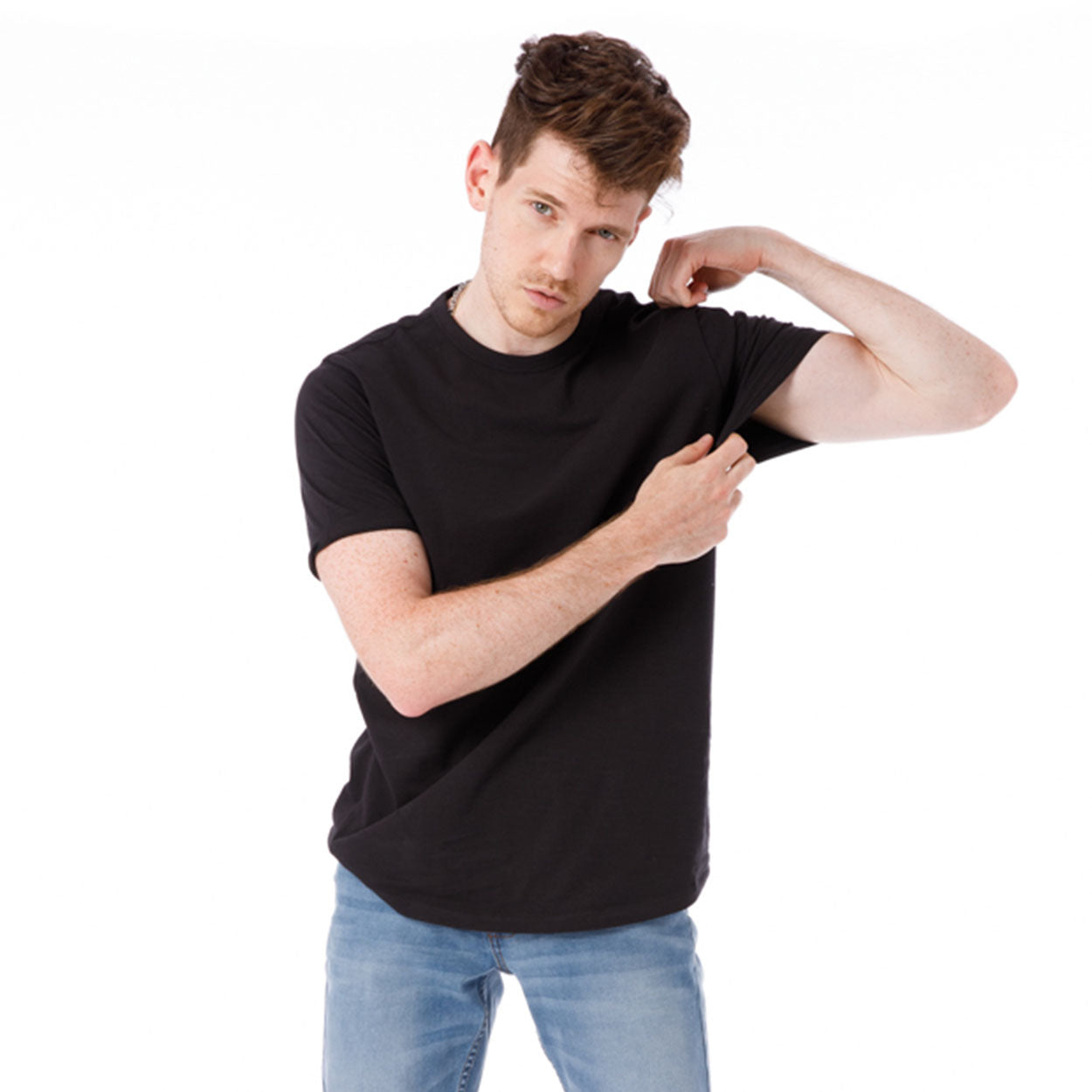
The crew neck is the most common t-shirt style. It has a round neckline and no collar. Crew necks work well with almost any outfit. They suit both men and women and are great for layering under shirts or jackets.
2. V-neck T-shirts
V-necks have a neckline shaped like the letter “V. ” This design gives a longer look to the neck and can appear a bit more dressed-up than crew necks. V-necks are popular for both casual and smart-casual outfits.
3. Polo T-shirts
A polo t-shirt has a collar, a buttoned placket, and usually short sleeves. Originally a sportswear item, polos now bridge the gap between formal and casual. They’re a good choice for work, golf, or dinner outings.
4. Henley T-shirts
Henleys look like a mix between a crew neck and a polo. They have a round collar with a few buttons down the front, but no full collar. Henleys give a rugged yet relaxed vibe.
5. Graphic Tees
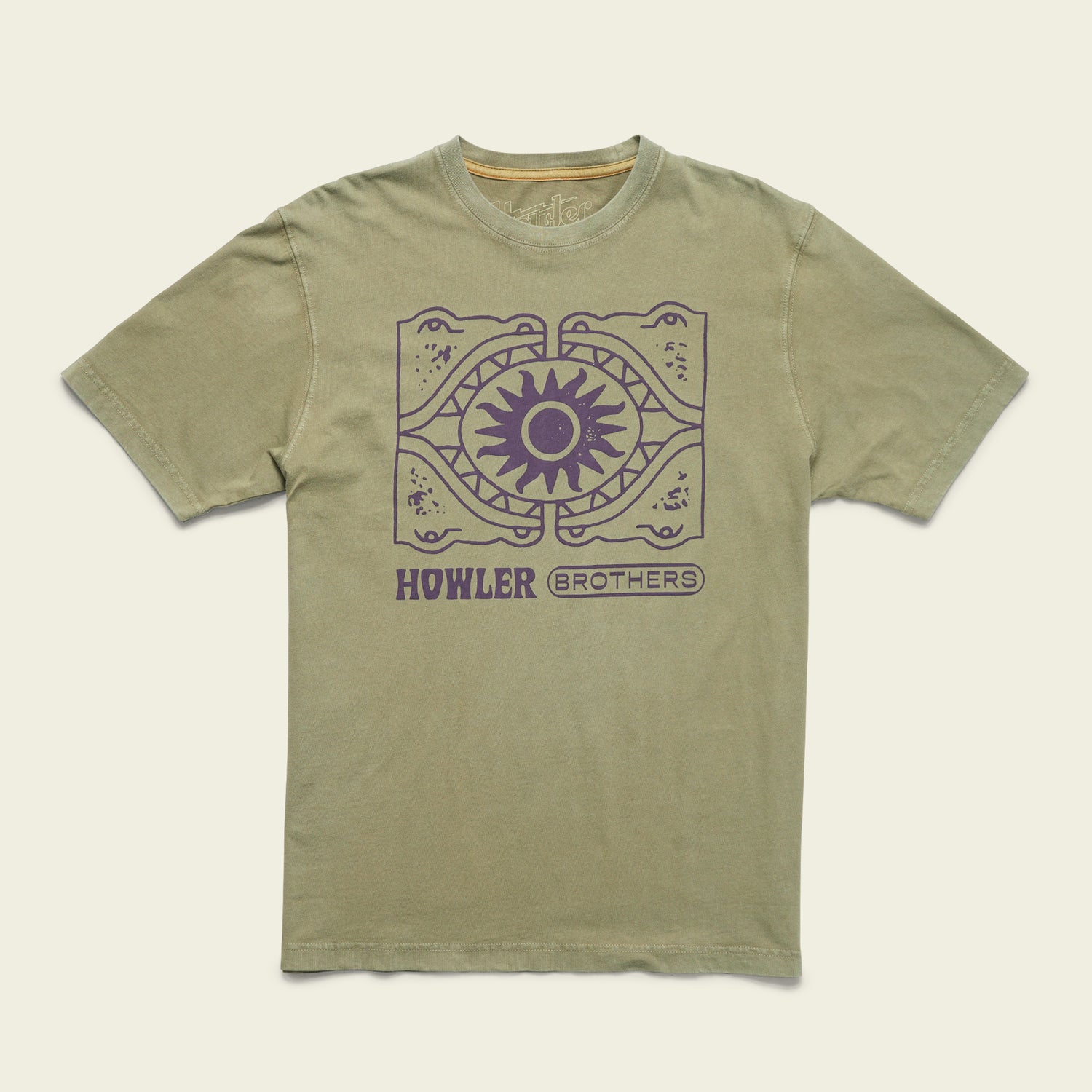
Graphic t-shirts feature designs, logos, or images. They’re a medium for art, humor, statements, or brand promotion. Graphic tees can be subtle or bold, making them perfect for self-expression.
6. Long Sleeve Tees
These tees cover the arms and are good for cooler weather or sun protection. Long sleeve t-shirts come in all neck styles—crew, V-neck, or Henley.
7. Raglan T-shirts
Raglan tees have sleeves that extend in one piece to the collar, usually in a contrasting color. This style is often seen in baseball shirts and gives a sporty look.
8. Tank Tops
A tank top is a sleeveless t-shirt. It’s ideal for hot weather, workouts, or as an undershirt. Tank tops allow for more freedom of movement.
9. Pocket Tees
Pocket t-shirts have a small pocket on the chest. It’s a simple detail, but it adds both style and a bit of function. Some use the pocket for pens, cards, or sunglasses.
10. Oversized Tees
Oversized tees are purposely made larger for a relaxed, trendy look. They’re popular in streetwear and can be styled in many creative ways.
Key Fabrics For Tees T Shirts
Fabric is the heart of any t-shirt. The right material affects comfort, durability, and style. Here’s a breakdown of the most common t-shirt fabrics:
Cotton
Cotton is soft, breathable, and easy to care for. It absorbs sweat well, making it perfect for everyday wear. There are several types of cotton, such as organic, combed, and ring-spun, each offering different levels of softness and strength.
Polyester
This synthetic fiber is known for being lightweight, wrinkle-resistant, and quick-drying. Polyester tees are common in sports and activewear because they wick moisture away from the skin.
Blends
Many tees are made from fabric blends, such as cotton-polyester. Blends combine the best features of each material—comfort, durability, and stretch. A common mix is 60% cotton and 40% polyester.
Linen
Linen tees are light and breathable, perfect for hot climates. They tend to wrinkle, but their airy feel makes them a favorite for summer.
Rayon (viscose)
Rayon feels silky and drapes well on the body. It’s often used in fashion tees because of its smooth look and softness.
Bamboo
Bamboo fabric is gaining popularity for its eco-friendliness, softness, and natural antibacterial properties. Bamboo tees are great for those with sensitive skin.
Tri-blend
Tri-blend combines cotton, polyester, and rayon. The result is an ultra-soft, vintage-feel tee that holds its shape and color after many washes.
Here’s a handy comparison of common t-shirt fabrics:
| Fabric | Comfort | Durability | Best For |
|---|---|---|---|
| Cotton | High | Medium | Everyday wear |
| Polyester | Medium | High | Sports/Activewear |
| Linen | High | Low | Hot weather |
| Rayon | High | Low-Medium | Fashion tees |
| Bamboo | Very High | Medium | Sensitive skin |
| Tri-Blend | Very High | Medium | Vintage style |
T Shirt Fits And Sizing
A good fit makes any tee look better. Fit affects comfort, style, and confidence. Here are the main t-shirt fits you’ll encounter:
Classic Fit
The classic fit is straight through the body and sleeves. It’s relaxed but not baggy. Most people find classic fit comfortable for daily wear.
Slim Fit
Slim fit tees are narrower at the waist and shoulders. They follow the body’s shape but are not tight. This fit looks modern and pairs well with jeans or trousers.
Relaxed Or Oversized Fit
Relaxed or oversized tees have more room in the body and sleeves. They are trendy in street fashion and offer maximum comfort.
Athletic Fit
Athletic fit tees are designed for people with a more muscular build. They are wider in the shoulders and chest but taper at the waist.
Crop Fit
Crop tees are shorter in length, ending above the hips or at the waist. They are popular in women’s fashion and casual streetwear.
Sizing can be tricky because brands use different measurements. Always check the size chart before buying, and remember that some fabrics shrink in the wash.
Here’s a quick look at how these fits compare:
| Fit Type | Body Shape | Style Level |
|---|---|---|
| Classic | All shapes | Casual |
| Slim | Lean/Athletic | Modern |
| Relaxed/Oversized | All shapes | Trendy/Streetwear |
| Athletic | Muscular | Sporty |
| Crop | Petite/Medium | Fashion-forward |
Credit: theperfectjean.nyc
Customization And Personalization
Tees are a blank canvas for creativity. Custom t-shirts let you showcase your ideas, promote a cause, or build a brand. There are several ways to personalize your tee:
Screen Printing
Screen printing is the most common method for custom designs. It uses ink and stencils to create bold, long-lasting prints. This method is ideal for bulk orders and solid colors.
Digital Printing
Digital or DTG (direct-to-garment) printing prints images directly onto the fabric. It works well for detailed designs and small quantities. The prints are soft and allow for full-color images.
Embroidery
Some tees feature embroidered logos or designs. Embroidery adds texture and a premium feel but is usually used for small elements rather than large graphics.
Heat Transfer
Heat transfer uses heat to press a design onto a t-shirt. It’s popular for personalized gifts, names, or numbers. The quality depends on the materials used.
Tie-dye And Hand Painting
DIY fans love tie-dye and hand-painted tees. Each shirt is unique, and the process allows for endless creativity.
Personalized tees are popular for:
- Company branding
- Sports teams
- Events and reunions
- Activism and awareness campaigns
- Unique fashion statements
How To Style Tees T Shirts
The right tee can fit any occasion. Here’s how to style them with confidence:
Casual Everyday Look
Pair a plain t-shirt with jeans or shorts. Add sneakers, and you’re ready for errands, meeting friends, or relaxing at home.
Smart Casual
Choose a solid color or polo tee. Wear it with chinos or tailored trousers. Layer with a blazer or jacket for a simple but put-together look. This works for casual offices or dinner.
Layering
Use tees as base layers. Wear a t-shirt under an open shirt, cardigan, or denim jacket. Mix colors and fabrics for extra style.
Athleisure
Combine a moisture-wicking tee with joggers or leggings. Add sporty shoes for comfort and a modern vibe. Athleisure is perfect for travel or busy days.
Statement Outfits
Pick a graphic tee with bold prints or messages. Pair with simple bottoms so the shirt stands out. Tuck the tee into high-waisted pants or skirts for extra flair.
For Women
- Try a crop tee with high-waisted jeans or skirts.
- Layer a long tee over leggings for a relaxed look.
- Add accessories like hats or necklaces to personalize the style.
For Men
- Roll up the sleeves of a classic tee for a casual edge.
- Half-tuck a tee into trousers for a smart-casual feel.
- Use a pocket tee for subtle detail.
Non-obvious insight: The fabric weight of your tee changes the look. Lightweight tees drape for a relaxed feel, while heavier ones hold their shape better.
T Shirt Care: Keeping Tees Fresh
Good care extends the life of your favorite t-shirts. Follow these tips to keep them looking new:
- Wash in cold water. Hot water can shrink and fade tees, especially cotton.
- Turn inside out. This protects prints, embroidery, and fabric colors.
- Use gentle detergent. Avoid bleach and harsh chemicals.
- Air dry. Heat from dryers can damage fabric and cause shrinkage. If you use a machine, choose a low-heat setting.
- Store flat or folded. Hanging can stretch out the necklines.
Expert tip: If your t-shirt shrinks, soak it in lukewarm water with hair conditioner, gently stretch it back, then air dry. This sometimes restores shape.
Avoid over-washing tees. Unless they are stained or sweaty, wearing them a couple of times before washing can help maintain their color and fit.
What To Consider When Buying Tees T Shirts
Choosing the right t-shirt is not just about style. Here are the most important things to check before buying:
Fabric Quality
Feel the material. High-quality cotton feels smooth, not rough. Check for even stitching and no loose threads. Blended fabrics should feel comfortable, not plastic-like.
Fit And Size
Try the tee on, or check size guides carefully. Pay attention to shoulder seams—they should sit at the edge of your shoulders. The length should cover your waistband, but not much more.
Purpose
Are you buying for casual wear, sports, or work? Choose moisture-wicking fabrics for exercise, and classic cotton for everyday use.
Print Quality
If you want a graphic tee, check the print. It should not crack or peel easily. Avoid shirts with prints that feel thick and sticky—they can be uncomfortable in hot weather.
Price Vs. Value
Cheap tees may not last. Sometimes it’s better to buy one good-quality tee than several poor ones. Think about cost per wear.
Sustainability
More brands now offer organic cotton or recycled material tees. These are better for the environment and often higher quality.
Brand Reputation
A good brand usually means better stitching, fabric, and fit. But don’t rely on logos alone—read reviews or ask friends.
Non-obvious insight: Try different necklines and fits. Sometimes a small change—like moving from a crew to a V-neck—makes a big difference in how you look and feel.
Credit: howlerbros.com
Tees T Shirts In Culture And Media
Tees have played big roles in pop culture and history. Think of the plain white tee worn by movie icons, or band tees from legendary concerts. Tees are often used in protests, campaigns, and charity events to spread a message.
They can celebrate a sports team, a favorite brand, or a piece of art.
Some of the most valuable t-shirts in the world are vintage concert tees or rare designer collaborations. Collectors pay high prices for shirts with history.
T-shirts are even used in art and advertising. A clever slogan or image can turn a simple shirt into a viral sensation. For example, “I ♥ NY” or “Keep Calm and Carry On” became famous far beyond fashion.
The Environmental Impact Of Tees T Shirts
T-shirts are produced in massive numbers. This has an impact on the environment. Growing cotton uses water and pesticides, and fabric dyeing can cause pollution. Polyester is made from petroleum and doesn’t biodegrade easily.
However, things are improving. Many companies now use organic cotton, recycled fibers, or water-saving dye processes. Some brands even collect old t-shirts to make new products.
If you care about the environment, look for certifications like GOTS (Global Organic Textile Standard) or OEKO-TEX. Choose quality over quantity, and recycle or donate tees you no longer wear.
Here’s a comparison of eco-friendly options:
| Eco Option | Benefits | Challenges |
|---|---|---|
| Organic Cotton | Less pesticide, softer feel | Higher price |
| Recycled Polyester | Reduces waste, durable | May release microplastics |
| Bamboo | Renewable, soft | Processing chemicals |
Pro tip: Support brands with transparent supply chains. They often treat workers better and use safer methods.

Credit: www.amazon.com
The Rise Of Online T Shirt Shopping
Buying t-shirts online has changed how people shop. You can now access thousands of styles, colors, and custom options from your phone. Most brands show size guides, customer reviews, and even virtual try-ons.
Benefits of shopping online:
- Wider selection of styles and sizes
- Easier to compare prices and quality
- Custom design services for unique tees
Common mistakes to avoid:
- Ignoring sizing charts (sizes can vary a lot)
- Not reading reviews (they reveal real quality)
- Overlooking shipping and return policies
If you want to design your own t-shirt, many websites offer easy tools to upload graphics or choose fonts. This has made custom tees popular for gifts, events, and small businesses.
For more on t-shirt history and influence, see Wikipedia.
Frequently Asked Questions
What Is The Difference Between A Tee And A T-shirt?
Both terms mean the same thing. "T-shirt" is the full name, while "tee" is just a short, casual way to say it. They refer to the same basic clothing item with short sleeves and no collar.
How Can I Stop My T-shirt From Shrinking?
Wash your t-shirt in cold water and air dry it. Avoid hot water and high-heat dryers. If shrinkage happens, gently stretch the shirt while it’s damp to restore some of its original size.
Are Expensive T-shirts Worth The Price?
Higher-priced t-shirts often use better fabric, stitching, and ethical practices. They usually last longer and feel more comfortable. However, check the actual material and fit—sometimes you pay more for branding than quality.
How Do I Choose The Right T-shirt For My Body Type?
Try different fits (classic, slim, oversized) and necklines (crew, V-neck). For broader shoulders, raglan or athletic fits work well. For a longer neck, crew necks balance the look. Always check how the tee feels when you move.
Is It Safe To Buy T-shirts Online?
Yes, but check the size guide, read reviews, and make sure there’s a return policy. Look for clear fabric details and customer photos to get a better idea of fit and quality.
T-shirts are simple, but they hold endless possibilities. Whether you love plain, graphic, or custom tees, the right shirt can boost your confidence and comfort. By understanding the details—fit, fabric, care, and style—you can build a collection of tees that works for any part of your life.
The perfect tee is out there; it just takes a little knowledge and a bit of personal style to find it.
