

Tees T Shirts: Trendy Styles to Upgrade Your Wardrobe
Tees T Shirts: The Ultimate Guide to Styles, Fabrics, and Trends
T-shirts, often called tees, are more than just basic clothing. They are a global language of style, comfort, and expression. Almost everyone owns at least a few tees, but not everyone knows how deep the world of t-shirts goes. From the classic white tee to new tech-infused fabrics, t-shirts have evolved into a wardrobe must-have for people of all ages and backgrounds. Whether you are looking to buy, style, or understand tees better, this guide covers everything you need to know in simple, clear language.
What Makes A T-shirt A Tee?
At first look, a t-shirt may seem like a simple piece of clothing. But what really defines a tee? The classic tee is named after its shape—when spread flat, it forms a “T.” Most tees have short sleeves, a round neckline called a crew neck, and a straight body. However, there are many other variations, including v-necks, long sleeves, and more.
A key feature that makes a t-shirt different from other tops is its knit fabric. T-shirts are usually made from cotton or cotton blends, using a soft knit called jersey. This makes them stretchy, soft, and comfortable for everyday wear.
A Brief History Of Tees T Shirts
T-shirts started as undergarments for men in the military and workers. Over time, they became a symbol of youth and rebellion, especially when actors and musicians wore them in movies and on stage. Soon, tees became a way for people to express ideas, show off brands, and celebrate events.
Today, tees are worn by everyone—from children to grandparents, from artists to athletes. The humble tee has grown into a billion-dollar global industry, with endless options for colors, styles, and designs.
Main Types Of Tees T Shirts
There are many different types of tees, each with its own look and purpose. Here are some of the most popular:
1. Crew Neck Tees
The crew neck is the most classic t-shirt. It has a round neckline that sits close to the base of the neck. This style is simple, timeless, and suits almost every body type. Crew necks are perfect for layering or wearing alone.
2. V-neck Tees
V-neck tees have a neckline that forms a “V” shape. This cut can make the neck look longer and is a good choice for people who want a slightly dressier look. V-necks also work well under shirts or sweaters.
3. Long Sleeve Tees
Not all tees have short sleeves. Long sleeve tees offer more coverage and can be worn in cooler weather. They are great for layering and can look both casual and smart.
4. Polo Tees
Polo t-shirts have a collar and usually a few buttons at the neck. They are more formal than basic tees but still comfortable. Polos are popular for sports, casual business wear, and everyday style.
5. Raglan Tees
Raglan tees are easy to spot because of their unique sleeve design. The sleeves are attached at a diagonal, not at the shoulder, giving a sporty look. Baseball tees are a famous example.
6. Graphic Tees
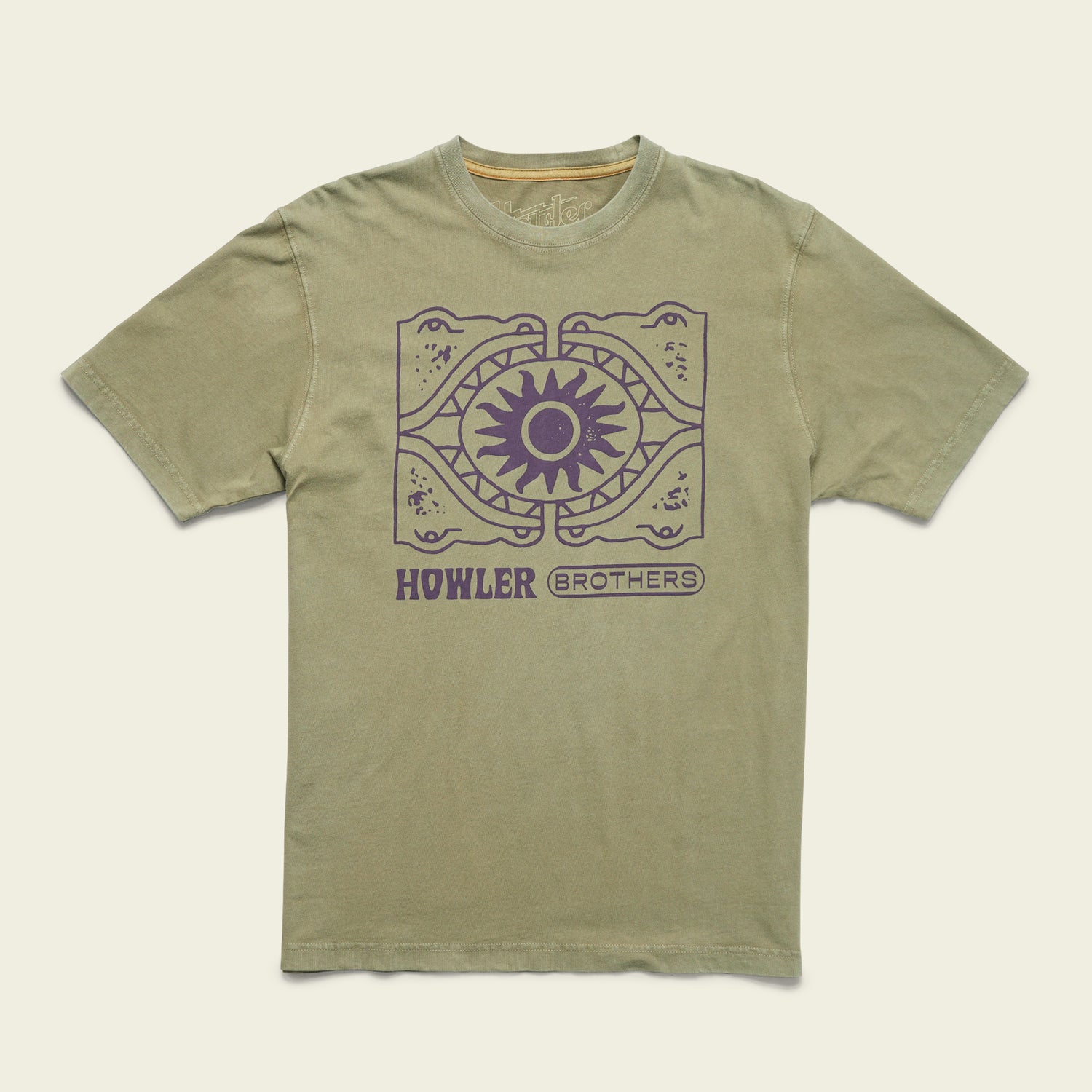
Graphic tees display images, logos, quotes, or artwork on the front (sometimes the back). They let people show off their interests, favorite bands, causes, or brands. Graphic tees are often conversation starters.
7. Pocket Tees
A pocket tee has a small pocket on the chest. This little detail can add style and function, letting you carry small items like notes or tickets.
8. Henley Tees
Henleys mix the features of a tee and a polo. They have a round neckline with a few buttons down the front but no collar. Henleys can be short or long sleeve and are known for their rugged, classic look.
9. Tank Tops
Though not always called tees, tank tops are sleeveless t-shirts. They are popular in warm weather, at the gym, or as a base layer.
10. Oversized Tees
Oversized tees are loose-fitting and relaxed. They are trendy for streetwear and offer maximum comfort.
Popular Fabrics For Tees T Shirts
One of the most important things about a t-shirt is the fabric. The right fabric makes a tee comfortable, breathable, and long-lasting. Let’s look at the most common materials used in tees.
Cotton
Cotton is the most popular fabric for t-shirts. It is soft, breathable, and absorbs sweat well. Cotton tees are comfortable for daily wear and come in many weights and textures.
Types Of Cotton:
- Combed Cotton: Smoother and stronger, as short fibers are removed.
- Organic Cotton: Grown without chemicals, better for the environment.
- Pima/Supima Cotton: Extra-long fibers, making the tee softer and more durable.
Polyester
Polyester is a synthetic fabric. It is lightweight, strong, and dries fast. Many sports or performance tees use polyester or polyester blends. The fabric keeps its shape well and is less likely to shrink.
Cotton-polyester Blends
A cotton-polyester blend combines the best of both worlds. These tees are soft, strong, and wrinkle-resistant. They are good for those who want comfort with easy care.
Tri-blend
Tri-blend tees mix cotton, polyester, and rayon. This makes a very soft, stretchy, and draping fabric. Tri-blend tees are popular for their comfort and vintage look.
Bamboo
Bamboo fabric is becoming more popular. It is soft, breathable, and eco-friendly. Bamboo tees are naturally antibacterial and good for sensitive skin.
Modal
Modal is a type of rayon made from beech trees. It is silky, smooth, and resists shrinking. Modal tees feel luxurious and are great for those wanting a soft touch.
Linen
Linen tees are light and breathable. They are perfect for hot weather but wrinkle easily. Linen blends can reduce wrinkling while keeping the cool feel.
Recycled Fabrics
Some brands use recycled polyester or cotton to make tees. These options are better for the planet and still offer comfort and style.
Choosing The Right Fit For Your Body
The fit of a tee can change your whole look. Here are the main types of t-shirt fits and who they suit best:
| Fit Type | Features | Best For |
|---|---|---|
| Regular | Relaxed, not too tight or loose | Most body types |
| Slim | Closer to the body, tailored shape | Lean or athletic builds |
| Relaxed/Oversized | Loose and roomy, more casual | Street style or maximum comfort |
| Muscle | Extra fitted, shows off arms and chest | Muscular builds |
When shopping, always check the shoulder seams—they should sit at the edge of your shoulder. The sleeves should cover about half of your upper arm. The hem should fall just below your waistline.
Colors And Prints: Finding Your Style
T-shirts come in every color and print you can imagine. Classic colors like white, black, grey, and navy are always in style and easy to match. Bright colors or pastel shades can add fun or freshness to your look.
Solid color tees are the most versatile. You can dress them up or down, layer them, or add accessories.
Printed tees (like stripes, florals, or tie-dye) are great for adding personality. If you want to show off your interests, go for graphic tees with logos, art, or slogans.
A non-obvious tip: If you want your tee to look more expensive, choose darker, richer colors and avoid cheap-looking prints. Also, tees with small, subtle graphics often stay stylish longer than large, loud designs.
Credit: howlerbros.com
Top Brands For Tees T Shirts
With thousands of brands selling tees, it can be hard to know where to start. Here are some of the most trusted and popular names known for quality and style:
- Uniqlo – Famous for affordable, well-made basics.
- Hanes – Known for comfort and value.
- Gildan – Popular for blank tees and custom printing.
- American Apparel – Soft fabrics and trendy fits.
- Fruit of the Loom – Reliable basics for everyday use.
- Nike – Sports tees with great fabric technology.
- Adidas – Stylish and sporty, often with iconic logos.
- Levi’s – Classic style, often with vintage looks.
- Everlane – Focuses on ethical production and quality.
- Supreme – Streetwear legend, known for limited releases.
Many smaller or local brands also make great tees. Don’t be afraid to try brands from your country or new labels online.
How To Style Tees T Shirts For Different Occasions
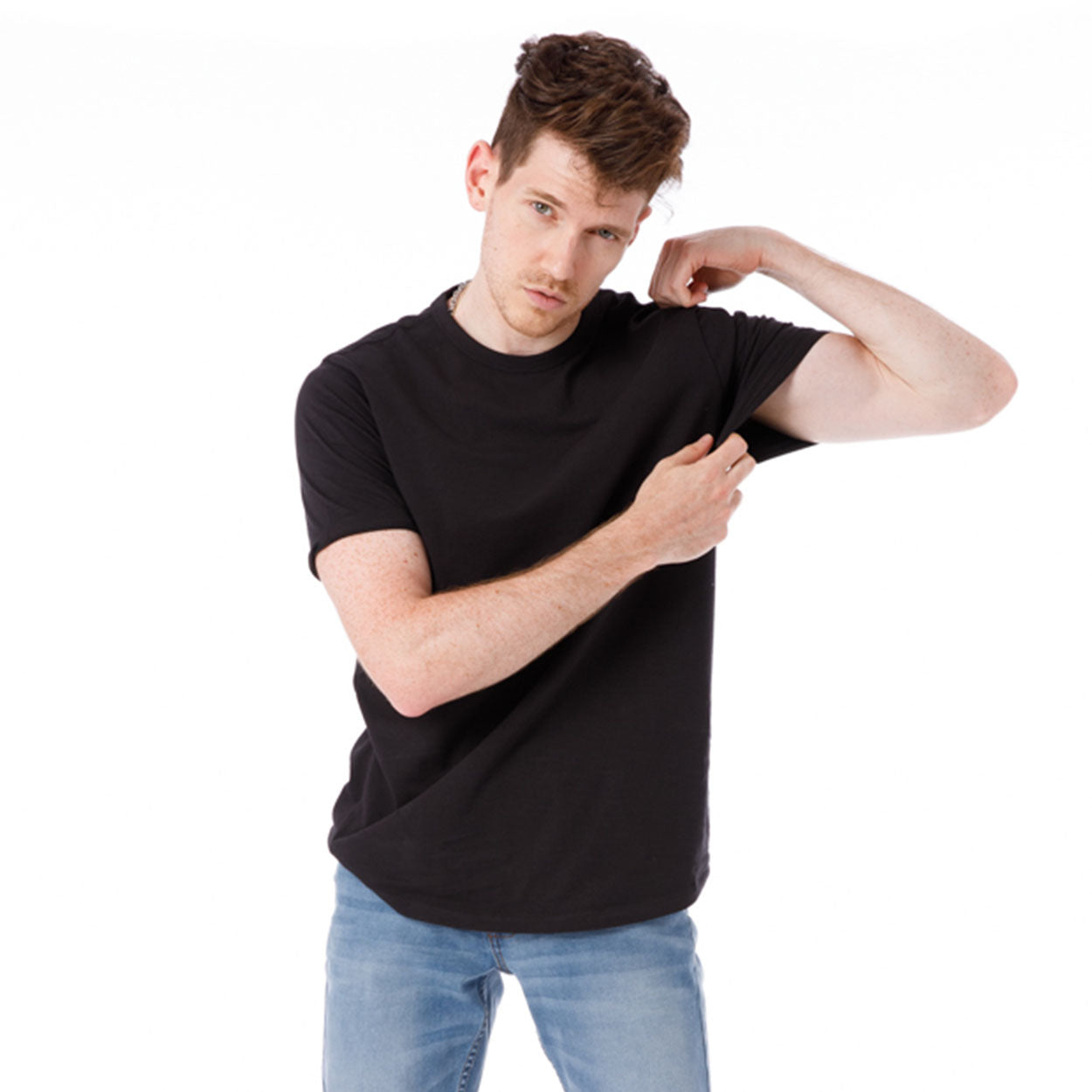
A t-shirt can look casual or smart, depending on how you wear it. Here are some tips for styling tees for different situations:
Everyday Casual
- Pair a basic tee with jeans or shorts.
- Add sneakers or sandals for a relaxed look.
- Roll up the sleeves for a touch of style.
Work Or Smart-casual
- Choose a plain, high-quality tee in a dark color.
- Layer under a blazer or cardigan.
- Pair with chinos or neat trousers.
- Add leather shoes or smart sneakers.
Sports And Fitness
- Pick a polyester or performance tee that wicks sweat.
- Match with shorts or track pants.
- Look for tees with mesh panels for extra breathability.
Night Out Or Parties
- Go for a graphic tee with a cool design.
- Wear with slim jeans and a leather jacket.
- Add boots or stylish sneakers.
Layering In Cold Weather
- Use a long sleeve tee or thermal tee as a base layer.
- Add sweaters, hoodies, or jackets on top.
- Stick to neutral colors for easy mixing.
A practical tip: Tuck in your tee and add a belt for a sharper look. For women, knotting a tee at the waist can add shape and style.
Credit: theperfectjean.nyc
Caring For Your Tees T Shirts
A good t-shirt can last for years if you care for it properly. Here are steps to keep your tees looking fresh:
- Wash in cold water to prevent shrinking and fading.
- Turn inside out before washing to protect prints and colors.
- Use mild detergent and avoid bleach.
- Hang dry or use a low heat setting in the dryer.
- Fold neatly to keep the shape, or hang if the fabric is delicate.
Non-obvious tip: Avoid using fabric softener on performance or polyester tees, as it can damage their moisture-wicking ability.
Custom Tees T Shirts: Personalization And Printing
Custom tees are a great way to show your personality, support a cause, or promote a business. There are several ways to print or personalize t-shirts:
Screen Printing
Screen printing is the most common method for large orders. It produces vibrant, long-lasting prints but is not cost-effective for small batches.
Direct-to-garment (dtg) Printing
DTG printing uses special printers to apply ink directly onto the fabric. It works well for detailed images and small batches but may not last as long as screen printing.
Heat Transfer
Heat transfer uses special paper and heat to apply designs. It is good for custom, one-off tees but the print may crack over time.
Embroidery
Some custom tees use embroidery for logos or small designs. This technique is durable and gives a premium feel.
A smart tip: For a personal touch, you can also add patches, fabric paint, or even hand-sewn elements to your tee.
Sustainable And Ethical Tees T Shirts
Many people now want clothes that are kind to the planet and fair to workers. The t-shirt industry is making big changes in this area.
Look for tees made from organic cotton, bamboo, or recycled fibers. Some brands also use natural dyes and avoid harmful chemicals.
Ethical brands are transparent about how their tees are made. They pay fair wages and provide safe working conditions. Before you buy, check for certifications like Fair Trade or GOTS (Global Organic Textile Standard).
A non-obvious insight: Buying fewer, higher-quality tees is often better for the environment than buying many cheap ones. Quality tees last longer and feel better to wear.
Fun Facts And Surprising Stats About Tees T Shirts
- The t-shirt industry is worth billions and sells over two billion tees worldwide each year.
- The most expensive tee ever sold was covered in diamonds and cost over $400,000.
- The record for the most t-shirts worn at once is over 250.
- Cotton is the most common fabric, but tri-blend tees are now very popular among fashion lovers.
- The average person owns at least seven t-shirts.
Comparing Tees T Shirts By Use Case
Choosing the right tee depends on how you plan to wear it. Here is a simple comparison:
| Use Case | Best Fabric | Recommended Style | Key Benefit |
|---|---|---|---|
| Everyday Casual | Cotton | Crew Neck, V-Neck | Comfort & Breathability |
| Sports/Fitness | Polyester/Blend | Performance, Raglan | Moisture-Wicking |
| Work | Cotton-Poly Blend | Polo, Plain Crew Neck | Smart Look, Easy Care |
| Streetwear | Tri-Blend/Oversized | Graphic, Oversized | Trendy, Unique Prints |
| Eco-Friendly | Organic Cotton/Bamboo | Any | Sustainable, Soft |
Common Mistakes When Buying Tees T Shirts
Avoid these mistakes to get the most from your t-shirt shopping:
- Ignoring fabric quality: Cheap fabrics feel rough and lose shape fast.
- Wrong fit: A tee that is too tight or too loose can look sloppy.
- Overlooking care instructions: Some tees need special washing.
- Choosing poor prints: Low-quality graphics crack and fade quickly.
- Not checking the brand’s ethics: Unethical brands may exploit workers.
An extra tip: Always check the return policy when buying online. T-shirt sizes can vary a lot between brands.
Innovations And Trends In Tees T Shirts
T-shirts keep changing with new ideas and fashion trends. Here are some exciting developments:
Technical Fabrics
New tees use fabrics that block UV rays, resist stains, or control odor. Some even have cooling technology for hot days.
Gender Neutral Styles
More brands now offer unisex tees that fit all body types and break old gender rules.
Upcycled And Vintage Tees
Vintage tees and upcycled t-shirts (made from old clothes) are trendy and eco-friendly. They offer unique looks that can’t be copied.
Smart Tees
Some tees now have built-in tech, like sensors to track fitness, or fabrics that change color in the sun. These are still rare but show where the future of tees is heading.
How To Spot A High-quality Tee
Not all tees are made equal. Here are signs of a top-quality t-shirt:
- Tight, even stitching around the neck and sleeves.
- Smooth, soft fabric with no roughness.
- Even color with no fading or spots.
- Strong neckband that does not stretch out easily.
- No loose threads or poorly printed graphics.
A high-quality tee may cost more, but it often lasts much longer and feels better to wear.

Credit: www.amazon.com
Tees T Shirts Around The World
T-shirts are truly global. In some countries, tees are a symbol of youth and freedom. In others, they are worn as uniforms or for religious events.
- In Japan, plain white tees are a fashion staple.
- In the USA, graphic tees are used for self-expression and activism.
- In India, polo tees are popular for school and office wear.
- Across Africa, t-shirts are often used in community events and celebrations.
This global love for tees shows how universal and adaptable this piece of clothing is.
Where To Buy The Best Tees T Shirts
You can find tees everywhere: street markets, malls, and online shops. Some people like to shop in person to feel the fabric and try on sizes. Others prefer online stores for variety and convenience.
Trusted online places to shop for tees include Amazon, ASOS, and brand websites like Uniqlo or Nike. For unique or custom tees, sites like Etsy or local print shops are great options. For more details on fabric types and care, check Wikipedia.
Before you buy, check reviews and sizing charts. If you want a long-lasting tee, be ready to spend a bit more for quality.
Frequently Asked Questions
What Is The Difference Between A Tee And A T-shirt?
A tee is simply a short way to say t-shirt. Both words mean the same thing: a shirt shaped like the letter “T,” usually with short sleeves and no collar.
How Do I Choose The Right Size For My T-shirt?
Check the brand’s size chart. Measure your chest and waist, then match these to the chart. If you are between sizes, choose the bigger one for comfort.
Can I Wear A T-shirt To Work?
It depends on your workplace. In many offices, a plain, high-quality tee under a blazer is fine. For formal offices, stick to polos or dress shirts.
How Can I Stop My T-shirt From Shrinking?
Wash your tee in cold water and hang it to dry. Avoid high heat in the dryer, as this can shrink cotton tees.
What Is The Best Fabric For Sensitive Skin?
Organic cotton and bamboo are both soft and gentle on sensitive skin. Avoid tees with heavy synthetic blends if you have allergies.
T-shirts have come a long way from simple undergarments to fashion icons. Whether you wear tees for comfort, style, or self-expression, understanding the options helps you make better choices. The right tee can boost your confidence, keep you comfortable, and let you show the world who you are.
