

Sustainable Activewear Brands: Top Eco-Friendly Picks for 2024
Sustainable Activewear Brands: Changing The Game In Fitness Fashion
Activewear has become a big part of daily life. People wear it at the gym, while running, or just relaxing at home. But as more people buy workout clothes, many are asking: Can we enjoy activewear without harming the planet? The answer is yes. Today, a growing group of sustainable activewear brands are making clothes that look good, feel good, and are better for the environment.
This shift is not just a trend. It’s a response to serious problems in the fashion industry. Traditional sportswear uses lots of water, plastic, and energy. It creates huge amounts of waste. Sustainable brands are finding smarter ways. They use recycled materials, eco-friendly dyes, and fair labor practices.
Some even help clean up oceans or plant trees.
This article will explore how sustainable activewear brands work, why they matter, and which companies are leading the way. You’ll see real data, learn what makes an activewear brand “green,” and discover how to choose the best eco-friendly gear. Whether you’re a runner, yogi, or someone who just loves comfortable clothes, you can make choices that support both your health and the planet.
What Makes Activewear Sustainable?
Not all “green” brands are equal. To understand which brands are truly sustainable, it’s helpful to look at a few key factors. Here’s what sets sustainable activewear apart:
- Materials: Most classic sportswear uses polyester, nylon, and spandex—these are plastics made from oil. Sustainable brands use recycled polyester, organic cotton, bamboo, or even innovative materials like Tencel.
- Production: Eco-friendly brands focus on reducing water use, energy, and chemicals. They may use closed-loop processes (where waste is captured and reused).
- Labor: True sustainability cares about people as well as the planet. Ethical brands pay fair wages and protect worker rights.
- Packaging: Sustainable brands often use recycled or compostable packaging.
- Transparency: The best brands share their processes openly. They publish reports and certifications.
- End-of-life: Some brands offer take-back programs, recycling, or composting options for old clothes.
Common Certifications
If you want proof that a brand is sustainable, look for certifications. These show third-party checks.
- Global Organic Textile Standard (GOTS): For organic fibers.
- OEKO-TEX: Checks for harmful chemicals.
- Fair Trade Certified: Ensures fair labor.
- Recycled Claim Standard (RCS): Tracks recycled content.
Why Sustainability Matters In Activewear
Activewear is popular. It’s often made with stretchy materials and bright colors. But making these clothes can be wasteful.
- The fashion industry uses about 79 billion cubic meters of water per year.
- About 60% of global clothing is made from synthetic fibers.
- Synthetic fibers can release microplastics during washing. These tiny plastics end up in rivers and oceans.
- The average American throws away about 81 pounds of clothing per year.
Sustainable activewear brands help reduce these impacts. They use less water, fewer chemicals, and more recycled materials. Some even design clothes to last longer, so you buy less.
Hidden Insights
Many people think only the material matters. But energy use and dyeing processes are often bigger sources of pollution. Also, activewear is washed more often than regular clothes, so microplastic release is higher. Brands that address these issues are especially important.
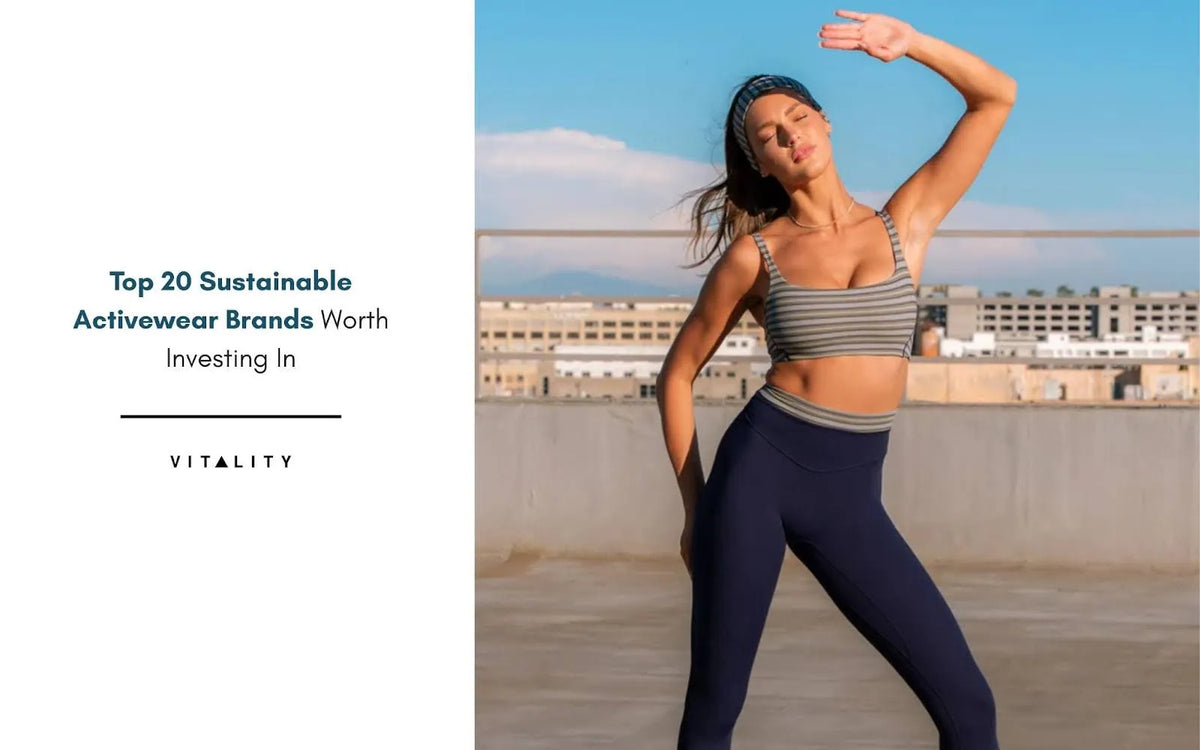
Credit: shopvitality.com
Leading Sustainable Activewear Brands
There are hundreds of eco-friendly brands. Some are small startups; others are big names with global reach. Below are some of the most respected sustainable activewear brands today. Each has unique strengths.
1. Patagonia
Patagonia is famous for its commitment to the environment. They use recycled polyester, organic cotton, and even wool from responsible farms. Their Worn Wear program lets customers trade in used gear. Patagonia is also transparent, showing how and where their clothes are made.
2. Girlfriend Collective
This brand makes stylish leggings, bras, and shorts from recycled bottles. Their packaging is minimal and recyclable. Girlfriend Collective shares details about their factories and labor standards.
3. Outdoor Voices
Outdoor Voices uses recycled and natural fibers. Their RecTrek collection features recycled polyester. The brand promotes “doing things”—moving and sweating in eco-friendly style.
4. Boody
Boody specializes in bamboo basics. Bamboo grows fast and needs less water than cotton. Their activewear is soft, breathable, and OEKO-TEX certified.
5. Allbirds
Known for shoes, Allbirds now makes activewear using Tencel, merino wool, and recycled materials. Their carbon footprint labeling helps buyers understand impact.
6. Prana
PrAna was one of the first brands to use organic cotton and hemp. They have Fair Trade Certified factories and aim for plastic-free packaging.
7. Wolven
Wolven’s leggings and tops are made from recycled PET bottles. Their prints are inspired by nature. Wolven also uses carbon-neutral shipping.
8. Pact
Pact uses organic cotton and recycled polyester. Their factories are Fair Trade Certified. The brand is affordable and offers basics for all ages.
9. Athleta
Owned by Gap, Athleta has a strong sustainability program. They use recycled materials and have goals to reduce water use and waste. Athleta is also a certified B Corp.
10. Tentree
Tentree plants ten trees for each item sold. Their activewear uses recycled polyester, organic cotton, and Tencel. The brand tracks environmental impact and shares it openly.
11. Ecoalf
Ecoalf makes activewear from ocean plastics and recycled fishing nets. Their products are stylish and durable. Ecoalf works with global partners to clean up beaches.
12. Adidas X Parley
Adidas works with Parley for the Oceans to make shoes and clothes from recycled ocean plastics. Their Ultraboost shoes have diverted millions of bottles from beaches.
13. Veja
Veja is famous for sneakers, but their running shoes use wild rubber, recycled plastic, and organic cotton. The brand is transparent about sourcing.
14. Tala
TALA offers trendy, affordable activewear made from upcycled and recycled materials. Their “360” collection uses factory offcuts.
15. Manduka
Manduka makes yoga clothes and mats. Their textiles are made with recycled polyester, organic cotton, and Tencel. Mats are designed to last for years.
16. Reformation
Reformation’s activewear is made from recycled and plant-based materials. They publish detailed sustainability reports. Their clothes are stylish and comfortable.
17. Hanes Ecosmart
Hanes EcoSmart uses recycled polyester in basic sweatshirts and joggers. The brand is large, making sustainable options more accessible.
18. Lanius
Lanius is a German brand with activewear made from organic cotton and Tencel. Their clothes are vegan and GOTS certified.
19. Nagnata
Nagnata blends organic wool, cotton, and recycled yarns. Their activewear is unique, with bold designs and ethical production.
20. Iron Roots
Iron Roots makes sportswear from hemp, eucalyptus, and organic cotton. Their clothes are plastic-free and biodegradable.
Comparing Sustainable Materials
To help you see which materials are most eco-friendly, here’s a quick comparison:
| Material | Source | Environmental Impact | Common Use |
|---|---|---|---|
| Recycled Polyester | Plastic bottles | Reduces waste; still sheds microplastics | Leggings, jackets |
| Organic Cotton | Cotton plants | Less water, no pesticides | T-shirts, joggers |
| Bamboo Viscose | Bamboo | Fast-growing, low water; can use chemicals | Underwear, basics |
| Tencel (Lyocell) | Wood pulp | Closed-loop process, biodegradable | Performance tops |
| Hemp | Hemp plant | Minimal water, no pesticides | Tees, shorts |
Non-obvious tip: While recycled polyester is popular, it’s not perfect. It still releases microplastics when washed. Brands like Iron Roots avoid polyester and use only natural fibers, which is rare.
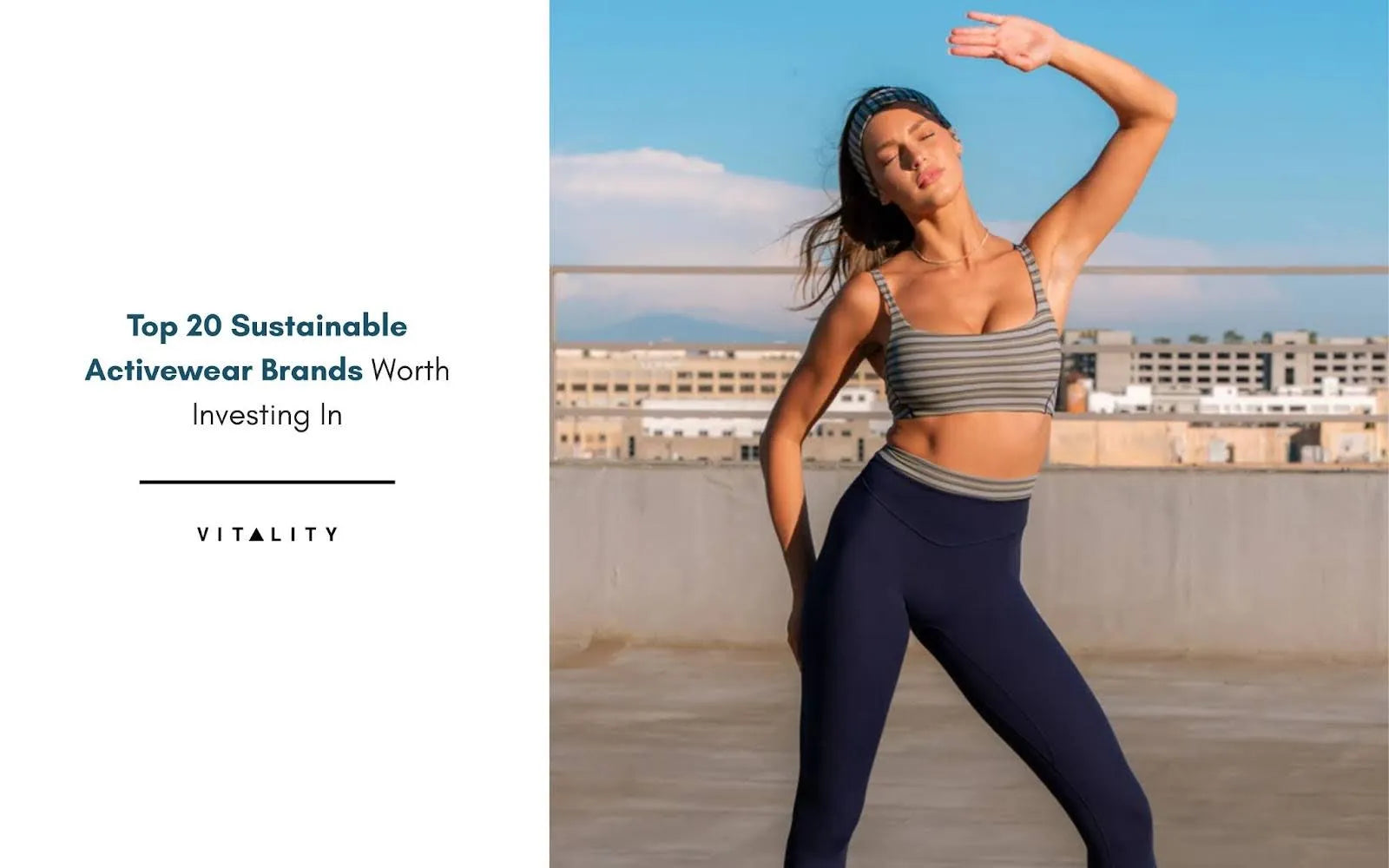
Credit: shopvitality.com
How To Choose Sustainable Activewear
It can be hard to know if a brand is truly green. Here are clear steps to pick better activewear:
- Check materials: Look for recycled, organic, or plant-based fabrics.
- Look for certifications: GOTS, OEKO-TEX, and Fair Trade are reliable signs.
- Read about production: Brands should explain how they make clothes and treat workers.
- Consider durability: Clothes that last longer are more sustainable, even if not perfect.
- Avoid excess packaging: Choose brands with minimal, recyclable packaging.
- Ask about end-of-life: Can you recycle or compost the product? Some brands offer take-back programs.
Common Mistakes
- Buying only for style: Some brands look eco-friendly but use little recycled material.
- Ignoring labor: Sustainability includes fair wages and safe conditions.
- Overwashing: Washing clothes too often increases microplastic pollution.
Price Vs Sustainability: Is Eco-friendly Activewear Affordable?
Many people think sustainable brands are too expensive. But prices are changing. Some brands offer basics for less than $30, while others are luxury. Here’s a quick comparison of typical prices:
| Brand | Average Leggings Price | Material | Certifications |
|---|---|---|---|
| Patagonia | $59–$89 | Recycled polyester | Fair Trade, OEKO-TEX |
| Girlfriend Collective | $68–$78 | Recycled PET | OEKO-TEX |
| Pact | $29–$49 | Organic cotton | GOTS, Fair Trade |
| TALA | $44–$68 | Recycled/upcycled | GRS |
| Iron Roots | $69–$89 | Hemp, organic cotton | OEKO-TEX |
Practical Insight
Some brands, like Hanes EcoSmart, offer basics at low prices. Others, like Nagnata, cost more due to small-scale production and premium materials. If you buy fewer, better items, the long-term cost may be less than buying cheap clothes often.
The Role Of Technology In Sustainable Activewear
Modern technology is helping brands go green. Here are a few innovations:
- Recycled fibers: Machines turn old bottles and fishing nets into fabric.
- Waterless dyeing: Some brands use new dyeing methods that save water and avoid toxic chemicals.
- Blockchain tracking: Brands like Veja use blockchain to track material sources.
- Smart labeling: Allbirds labels each item with its carbon footprint.
Example: Adidas X Parley
Adidas uses ocean plastic to make shoes. In 2022, they made over 15 million pairs, saving about 7,500 tons of plastic from oceans. This is a real impact, not just marketing.
Non-obvious tip: Watch for brands that use technology to be transparent. If you can scan a QR code and see where your item was made, that’s a good sign.
Impact: How Sustainable Brands Help The Planet
Sustainable activewear brands are making real progress. Here are some numbers:
- Patagonia has saved over 20,000 tons of CO2 by using recycled materials.
- Tentree has planted more than 100 million trees.
- Girlfriend Collective has recycled over 6 million bottles.
- Ecoalf has removed more than 500 tons of ocean waste.
This impact goes beyond the environment. Fair labor practices support communities. Well-made clothes reduce landfill waste.
Case Study: Wolven
Wolven’s leggings are made from recycled bottles. For every pair, about 16 bottles are reused. The company also offsets shipping emissions, aiming for carbon neutrality.
How Sustainable Activewear Brands Market Differently
Eco-friendly brands don’t just sell clothes. They educate buyers. Common approaches include:
- Sharing behind-the-scenes videos.
- Publishing annual impact reports.
- Offering recycling programs.
- Building communities around sustainability.
This builds trust and loyalty. It also helps buyers understand why paying a bit more is worth it.
Non-obvious tip: Brands that market through education—not just pretty photos—are more likely to be truly sustainable.
Challenges Facing Sustainable Activewear Brands
Even the best brands face tough challenges:
- Scaling up: Small brands can’t always compete with big companies on price.
- Greenwashing: Some brands exaggerate their eco claims.
- Material limits: Not all recycled or organic fabrics perform as well as synthetics.
- Consumer habits: Many buyers still choose cheap, fast-fashion sportswear.
What’s Changing?
More big brands are joining the movement. Adidas, Nike, and Athleta now use recycled materials. Governments and buyers are demanding more transparency.
The Future Of Sustainable Activewear
Sustainable activewear is growing fast. In 2023, the global market for eco-friendly sportswear was valued at about $5. 7 billion. Experts expect it to double in the next five years.
Brands are exploring:
- Biodegradable fabrics: Materials that break down after use.
- Circular design: Clothes made to be recycled again and again.
- Personalization: Custom fit reduces waste.
What You Can Do
Supporting sustainable brands helps push the industry forward. Even small choices—like buying one eco-friendly item or washing less—make a difference. You can also:
- Share about brands you like.
- Ask questions about how products are made.
- Choose quality over quantity.
Summary Table: Brand Strengths
Here’s a quick overview of which brands excel in different areas:
| Brand | Material Focus | Labor Practices | Transparency | Unique Programs |
|---|---|---|---|---|
| Patagonia | Recycled polyester, organic cotton | Fair Trade | High | Worn Wear |
| Girlfriend Collective | Recycled PET | Fair labor | High | Factory details online |
| Tentree | Organic cotton, Tencel | Fair labor | High | Tree planting |
| Wolven | Recycled PET | Fair labor | Medium | Carbon-neutral shipping |
| Iron Roots | Hemp, eucalyptus | Fair labor | Medium | Plastic-free |
| Adidas x Parley | Ocean plastics | Standard | Medium | Ocean cleanup |
Frequently Asked Questions
What Is The Most Sustainable Material For Activewear?
Tencel and organic cotton are among the most sustainable materials. Tencel is made from wood pulp in a closed-loop process, using less water and fewer chemicals. Organic cotton uses no toxic pesticides and less water. However, recycled polyester helps reduce plastic waste but still releases microplastics.
Do Sustainable Activewear Brands Cost More?
Some eco-friendly brands cost more because they use better materials and pay fair wages. But prices are coming down. Brands like Pact and Hanes EcoSmart offer affordable basics. If you buy quality pieces that last longer, the total cost can be less than buying cheap clothes often.
How Can I Check If A Brand Is Truly Sustainable?
Look for certifications like GOTS, OEKO-TEX, and Fair Trade. Read about their materials and labor practices. Genuine brands are transparent, offering detailed reports and factory information. Beware of “greenwashing”—brands that use eco buzzwords but don’t share real data.
Are Recycled Materials Safe And Comfortable?
Yes, most recycled materials are safe and comfortable. Brands like Girlfriend Collective use recycled PET bottles to make soft, stretchy leggings. Some natural materials, like bamboo or Tencel, are also very comfortable. Always check for certifications to ensure no harmful chemicals are used.
Where Can I Find More Information On Sustainable Activewear?
You can visit sites like Patagonia’s Environmental Responsibility page for detailed reports and guides. Many brands publish annual impact statements and blogs to help buyers understand their choices.
Final Thoughts
Sustainable activewear is not just a trend—it’s a smart, healthy way to support both your body and the planet. With so many brands leading the charge, it’s easier than ever to find workout clothes that match your values. By learning about materials, certifications, and true sustainability, you can make choices that matter.
Whether you’re buying your first eco-friendly tee or switching your whole wardrobe, every step counts. The future of fitness fashion is green, and you can be part of it.

Credit: organicallybecca.com
