

Is Csb Activewear Sustainable? Unveiling the Truth
Is Csb Activewear Sustainable?
==================================================
The world of activewear is changing fast. People want clothes that look good, feel comfortable, and are also kind to the planet. Csb Activewear is one brand that gets a lot of attention. But is Csb Activewear really sustainable, or is it just another company using green words to sell more clothes? Let’s look deeper into Csb Activewear’s materials, production methods, business practices, and what true sustainability means in fashion. If you care about what you wear and the impact it has, this guide will help you make sense of Csb’s claims and reality.
What Does Sustainability Mean In Activewear?
Sustainability in fashion is not just about using recycled fabrics. It's about the whole process—from raw materials to how clothes are made, shipped, worn, and even thrown away. For activewear, which must be strong, stretchy, and moisture-wicking, this can be a big challenge. Sustainable activewear tries to:
- Use eco-friendly or recycled materials
- Reduce water, energy, and chemical use
- Treat workers fairly and safely
- Make products that last and can be recycled again
Many brands talk about being “green,” but true sustainability means making real changes at every level. It’s more than a marketing word—it’s about real action and responsibility.
A sustainable activewear brand also thinks about end-of-life solutions. For example, what happens to the clothes after you finish using them? Can the fabric be recycled, or will it just end up as trash? This is an important question because sports clothing is often made of blended materials that are hard to recycle.
Another key point is the transparency of the brand. Sustainable companies are open about where their materials come from, how their workers are treated, and how their products are made. The more open a brand is, the easier it is for shoppers to trust their claims.
Non-obvious insight: Even the most “eco” brands can have hidden impacts, like shipping products long distances or using new plastic in tags and zippers. True sustainability looks at every detail, not just fabric content.
Who Is Csb Activewear?
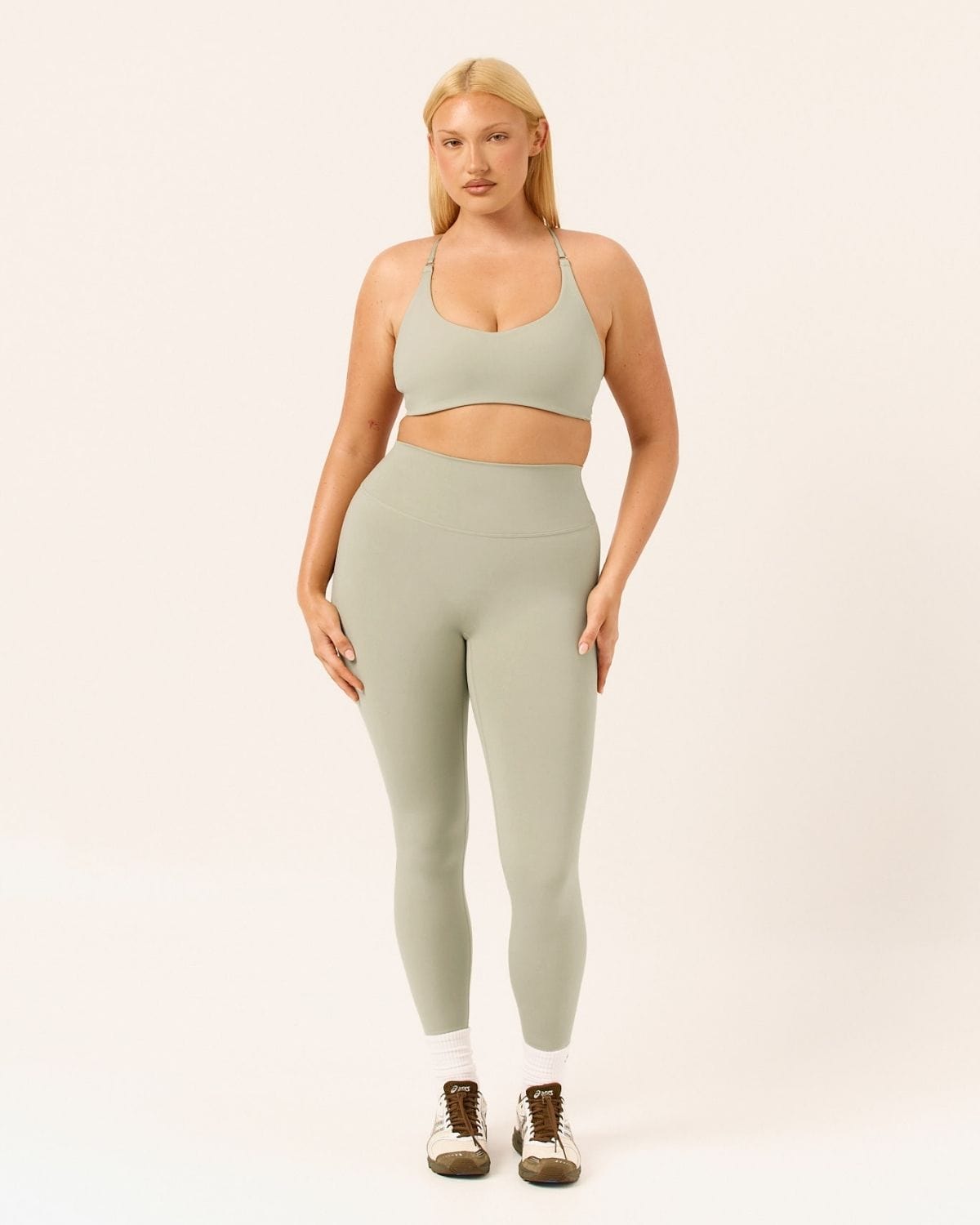
Csb Activewear is a brand that focuses on fitness and lifestyle clothing. It offers leggings, sports bras, tops, and accessories for people who want to look good while working out or relaxing. Csb says it stands for quality, comfort, and modern style.
But in recent years, Csb has also started using words like “eco-friendly,” “sustainable,” and “responsible” in its marketing.
The company’s website and social media often show images of nature, clean oceans, and healthy living. They highlight how their products are designed with the environment in mind. But what do these claims actually mean in practice?
Csb’s product lines target everyday fitness users and those who like athleisure style. Their collections often feature trendy colors and cuts. The brand is active on social media, which helps build a community and spread their message. However, the real test is whether their actions match their image.
Over the past few years, more customers have started asking questions about where their clothes come from and how they are made. This pressure has pushed Csb to start sharing more about their sustainability efforts. They publish blog posts and stories that show behind-the-scenes images of their production, but these are usually broad and not very detailed.
Non-obvious insight: Brands often highlight a few “green” products or actions, but the rest of their items may not be as responsible. Always check whether a brand’s eco claims cover the whole range or just a select few items.
Materials: Are Csb’s Fabrics Eco-friendly?
The most important part of sustainable fashion is the fabric. Csb Activewear uses a mix of synthetic and natural fibers. Here is a closer look at some of their main materials:
| Fabric | Source | Sustainability |
|---|---|---|
| Polyester | Petroleum-based synthetic | Low (unless recycled) |
| Recycled Polyester (rPET) | Plastic bottles and waste | Medium to High |
| Organic Cotton | Certified organic farms | High |
| Nylon | Petroleum-based synthetic | Low |
| Spandex (Elastane) | Petroleum-based synthetic | Low |
| Bamboo Viscose | Bamboo plant (chemical process) | Medium (if processed responsibly) |
Many Csb products use blends of polyester, nylon, and spandex for stretch and performance. While these fabrics are strong and quick-drying, they are made from oil and take hundreds of years to break down in landfills.
Csb has started offering some lines made from recycled polyester (rPET). This is made from old plastic bottles, turning waste into new clothes. They also use organic cotton in some items, which uses less water and fewer chemicals than regular cotton. However, spandex (used for stretch) is still not widely available in eco-friendly forms.
Non-obvious insight: Even if a product is made with recycled polyester, it can still shed microplastics when washed, which can end up in rivers and oceans. This is a hidden problem with almost all synthetic activewear.
Csb sometimes mentions the use of bamboo viscose in select items. Bamboo grows fast and doesn’t need much pesticide, but the process to make it into fabric can use harsh chemicals unless the company uses a closed-loop system. Most brands, including Csb, do not explain exactly how their bamboo is processed. If bamboo is not made in a closed-loop way, it can be less eco-friendly than it seems.
When looking at the labels on Csb products, you might also see blended fabrics. For example, leggings often mix recycled polyester with spandex or nylon. This makes them stretchy and strong, but blended fabrics are much harder to recycle at the end of their life.
That’s because most recycling systems can only process one fiber type at a time.
Another factor is dyeing and finishing. Some Csb items use dyes that are certified to be non-toxic (OEKO-TEX), but not all products list this clearly. Dyes and fabric treatments can be a hidden source of pollution if not managed responsibly.
Csb’s Production And Supply Chain Practices
A big part of sustainability is how clothing is made. This includes how much energy is used, worker safety, fair pay, and chemical management. Csb Activewear says it works with ethical factories and tries to reduce its impact, but details can be hard to find.
Transparency And Certifications
Csb shares some information about its partners and audits. But unlike some leading sustainable brands, it does not publish a full list of its factories or give much detail about worker conditions. It does mention some third-party certifications for fabrics, like Global Recycled Standard (GRS) or OEKO-TEX for non-toxic dyes. These are positive signs, but they cover only certain parts of the process.
Many of Csb’s claims rely on trust rather than full transparency. For example, some top brands publish maps and reports showing exactly where each item is made, even down to factory addresses and audit results. This level of detail lets shoppers and watchdogs check if a company’s promises are real.
Csb is moving in this direction, but not there yet.
Water And Energy Use
Making synthetic fabrics uses a lot of energy and water. Dyeing and finishing can also create toxic wastewater. Csb says it works with suppliers to reduce water and energy use, but does not share exact numbers or big results.
For example, some brands use closed-loop dyeing systems that recycle water and reduce pollution. Others invest in renewable energy at their factories. Csb mentions eco-friendly practices, but does not give much technical detail or data. Without numbers, it’s hard for buyers to know how much real impact there is.
Non-obvious insight: Many factories, even with good intentions, struggle to control pollution from dyeing and finishing. Sometimes the biggest wins come from very simple changes, like using less water in washing steps or switching to waterless dye technology.
Waste And Pollution
Textile factories can create a lot of waste, including leftover fabric, dyes, and plastic packaging. Csb is starting to use recycled packaging for shipping and claims to manage waste better. However, without open data, it’s hard to know how much impact this really has.
Some leading brands have set up zero-waste goals, where they reuse or recycle almost all their factory scraps. Csb talks about reducing waste, but has not published a clear zero-waste plan. Small steps, like using recycled mailers or minimizing tags, do help, but bigger changes are needed for a real difference.
Non-obvious insight: Many brands “offset” their emissions or say they are “carbon neutral” by buying credits, not by cutting real emissions. Look for brands that focus on real changes, not just credits.
Social Responsibility: How Does Csb Treat Workers?
Sustainability is not just about the planet, but also about people. Clothing workers, especially in Asia, often face long hours, low pay, and unsafe conditions. Csb says it works only with factories that follow high ethical standards. But again, public details are limited.
Some Csb products are labeled as “ethically made” or “responsibly produced,” but there is no full public audit or independent report available. This makes it hard for shoppers to fully trust or check these claims. In true sustainable fashion, transparency is key.
Some brands go a step further by joining groups like Fair Trade or the Ethical Trading Initiative, which have strict standards and regular audits. Csb has not announced joining these types of groups. They do mention supplier codes of conduct and occasional audits, but do not say how often factories are checked or what happens if problems are found.
One positive sign is that Csb sometimes shares stories about their factory partners, highlighting fair wages and safe working conditions. But without third-party checks, these stories are hard to confirm.
Practical tip: If you care about worker rights, look for brands that publish full audit reports and have independent checks of their factories.
Packaging And Shipping: Does Csb Reduce Waste?
Packaging is a big part of fashion waste. Many brands use plastic bags, boxes, and tags that are thrown away after a few minutes. Csb has started to use recycled mailers and less packaging for some orders. They encourage recycling of packaging materials and sometimes use biodegradable options.
Shipping, especially by air, creates carbon emissions. Csb does not offer a full breakdown of its transport footprint, but it does say it looks for lower-impact shipping methods where possible.
Sometimes, Csb groups orders to reduce packaging and transport emissions. This is a smart step, but not unique—many brands are moving this way. Using recycled or compostable mailers is a good start, but the real impact depends on how much plastic and waste they cut out of the process.
Practical tip: Reuse Csb’s packaging for your own storage or mailing needs, and recycle it where possible.
Non-obvious insight: Even “biodegradable” packaging often needs special conditions to break down. It won’t always compost in a normal backyard or landfill, so check local rules before tossing it out.
Product Longevity And Afterlife
A key part of sustainability is making products that last. If clothes fall apart after a few uses, they end up as waste. Csb’s activewear is generally rated well for durability and performance. Customer reviews often mention that leggings and tops keep their shape and color after many washes.
But what happens when you no longer want your Csb gear? Right now, Csb does not offer a take-back or recycling program for old clothes. This is an area where more sustainable brands are leading, by helping customers recycle or repair items instead of throwing them away.
Some other brands offer discounts for sending back old clothes or partner with textile recycling programs. Csb could improve by offering similar options. Right now, customers must find their own way to donate, resell, or recycle old activewear.
Non-obvious insight: Even high-quality activewear eventually wears out. Brands that help customers recycle old clothes close the loop and reduce landfill waste.
Another idea is repair services. Some brands help customers fix small rips or replace elastic, so clothes last longer. Csb does not mention repair help, but this could be a simple way to boost sustainability and customer loyalty.
Price And Accessibility: Is Sustainable Csb Activewear Affordable?
Sustainable fashion is often more expensive because of better materials and fair labor. Csb sits in the mid-range for price—more costly than fast fashion, but cheaper than luxury eco-brands. This makes Csb more accessible for many shoppers who want better options but can’t pay top dollar.
Here is how Csb’s typical prices compare with other brands:
| Brand | Leggings Price | Sustainability Level |
|---|---|---|
| Csb Activewear | $45–$75 | Medium |
| Top Sustainable Brand | $80–$120 | High |
| Fast Fashion Brand | $15–$30 | Low |
For many buyers, Csb offers a balance between sustainability and affordability. But those looking for the greenest option may want to check smaller, fully transparent brands.
It’s important to note that even a mid-range price does not always guarantee better practices. Some brands charge more for style or marketing, not for real sustainability. Csb’s prices reflect a mix of better materials and brand image.
Practical tip: If you’re on a budget, focus on buying fewer, higher-quality pieces that will last longer rather than many cheap items.
Csb’s Marketing: Real Sustainability Or Greenwashing?
Many brands use green words and nature images to make their products look eco-friendly. This is called greenwashing—when the marketing is greener than the reality. Csb’s website and ads use a lot of eco language, but the real facts are mixed.
Here are signs of greenwashing to watch for:
- Vague terms like “eco-friendly,” “green,” or “responsible” with no details
- No clear data or third-party certifications
- Focus on small “green” actions instead of big changes
- Nature images and soft colors with little real proof
Csb does some real things—like using recycled polyester and better packaging—but its claims are not always backed up with detailed proof or open reporting.
Some brands offer impact reports or calculators showing how much water, energy, or carbon each product saves. Csb does not yet have these tools. Without open data, it’s hard for shoppers to compare brands or know the real impact.
Practical tip: Always look for third-party certifications (like GRS or OEKO-TEX), full lists of materials, and public supply chain information when judging a brand’s sustainability.
Non-obvious insight: Sometimes a brand puts most of its “green” focus on packaging or a single product line, while the rest of the business stays unchanged. Always look at the full picture, not just a few highlighted items.
Csb Activewear Vs. Leading Sustainable Brands
How does Csb really compare to the best sustainable activewear brands? Let’s look at a few key areas in a simple comparison.
| Feature | Csb Activewear | Top Sustainable Brand |
|---|---|---|
| Recycled Materials | Some products | Most products |
| Organic Fibers | Some products | Most products |
| Supply Chain Transparency | Limited | Full, public |
| Worker Audits | Partial, not public | Annual, public |
| Product Take-Back | No | Yes |
| Price | Mid-range | High |
Csb does better than most fast fashion, but it does not lead the way like some of the top eco brands. It is a step in the right direction, but not the greenest choice.
Top brands invest more in truly circular products, such as leggings made only from one type of recycled fiber (so they can be recycled again) or use plant-based dyes. They also publish yearly progress reports, goals, and challenges. Csb shares some information, but not enough for full trust.

Credit: insideretail.asia
The Impact Of Csb Activewear’s Sustainability Efforts
Csb’s efforts, like using recycled materials and better packaging, help reduce waste and demand for new oil-based fabrics. If more shoppers pick brands like Csb over fast fashion, it can push the whole industry to improve.
But the impact is limited if brands do not open up about their supply chain, worker treatment, and real progress. For true change, companies must share data, set clear goals, and invite public checks. This makes it easier for shoppers to trust and support real progress.
Csb has the potential to make a bigger impact if it builds on its current efforts. For example, by expanding the use of recycled materials to more product lines, or by working directly with fabric mills to develop lower-impact textiles.
They could also support local recycling efforts or partner with organizations that promote ethical labor.
Non-obvious insight: Sometimes, the biggest impact comes not from one brand, but from many brands moving together in the same direction. If Csb, and others like it, keep raising their standards, the industry as a whole improves.
How Can You Make Your Activewear More Sustainable?
Even if you choose a brand with some eco features, you can do more to reduce your own impact. Here are some steps you can take:
- Buy less, choose well. Pick versatile items that last longer and match with more outfits.
- Care for your clothes. Wash in cold water, use gentle cycles, and avoid dryers to make your gear last.
- Use a microplastic filter bag when washing synthetics to cut down on microplastic pollution.
- Repair, resell, or donate old gear instead of throwing it away.
- Support brands that share real data and commit to improving over time.
You can also look for local textile recycling programs in your area. Many cities now have drop-off points for old clothes—even activewear—that can be recycled into new products or insulation. If you have friends or family who need workout clothes, passing items on is another way to keep them in use.
Try to avoid buying new activewear just for trends. Classic styles in neutral colors usually last longer in your wardrobe and don’t go out of style quickly.
The Future Of Sustainable Activewear And Csb’s Role
The demand for sustainable activewear is only growing. As technology improves, we’ll see more eco-friendly fabrics, better recycling, and more brands aiming for real transparency. Csb Activewear is part of this trend, though not a leader yet.
If Csb wants to stand out, it could:
- Share full details of its factories and worker conditions
- Offer take-back and recycling programs
- Use more recycled and organic materials across all products
- Publish yearly progress reports and goals
Shoppers have power. When we ask questions and support real action, brands must respond.
In the coming years, expect to see more brands using plant-based or biodegradable fibers, digital tools for supply chain tracking, and even rental or resale programs for activewear. Csb, if it invests in these areas, can move from “better than average” to truly leading the way.
Non-obvious insight: The most sustainable wardrobe is one you use often and care for well. Even the greenest brand cannot make up for over-buying or frequent throwing away.
Frequently Asked Questions
Credit: www.shopcsb.com
What Materials Does Csb Activewear Use In Its Products?
Csb Activewear uses a mix of polyester, recycled polyester, nylon, spandex, and sometimes organic cotton or bamboo viscose. Some products use more eco-friendly materials, while others use standard synthetics for performance. Always check the label or product description for details.
Some items feature blended fabrics for extra stretch or moisture control. While these blends offer performance, they are harder to recycle when the product wears out. If sustainability is your top concern, look for single-fiber products or those with higher recycled content.
How Does Csb Activewear Compare To Other Sustainable Brands?
Csb is making progress with recycled fabrics and better packaging, but it is not as transparent or advanced as the top sustainable brands. Leading brands often use almost all recycled or organic materials, publish full supply chain details, and offer product recycling programs.
Csb is a step up from fast fashion but not at the top for sustainability.
If you want maximum sustainability, research brands that focus only on eco materials, share open data, and have take-back schemes. But for many shoppers, Csb’s balance of price, style, and progress is a good fit.
Is Csb Activewear Certified By Any Third-party Organizations?
Some Csb fabrics carry certifications like Global Recycled Standard (GRS) or OEKO-TEX for non-toxic dyes. However, not all products are certified, and the company does not have a full brand-wide certification for sustainability or fair labor.
If certifications matter to you, look for the specific tag or note on each product. Remember, certifications are one way to check claims, but not the only sign of responsibility.
Does Csb Activewear Have A Program To Recycle Old Products?
Right now, Csb does not offer a take-back or recycling program for old activewear. You can extend the life of your gear by reselling, donating, or recycling through local textile programs where available.
Some cities also have special bins for textile recycling—even for items that are too worn to donate. This helps keep fabric out of landfills.
Where Can I Learn More About Sustainable Fashion Practices?
A good place to start is the Fashion for Good website, which shares tips and insights on sustainable fashion, materials, and industry news. This can help you make smarter choices and stay updated on new trends.
There are also many blogs, podcasts, and social media accounts focused on ethical fashion. Joining online communities can help you stay motivated and learn from others who care about the planet and people behind the clothes.
The Bottom Line
Csb Activewear is moving in a greener direction, but it is not the most sustainable brand on the market. It offers some recycled and organic materials, better packaging, and decent product life. But it still lacks full transparency and bigger programs that leading eco brands offer.
If you want to make a positive impact, support brands that share real data and keep improving. And remember, your own choices—buying less, caring for your clothes, and recycling—matter just as much as the brand you choose. Sustainability is a journey, not a finish line, and every small step counts.
Credit: www.lemon8-app.com
