

Should I Wash Gym Clothes in Hot Or Cold Water? Expert Guide
Should I Wash Gym Clothes In Hot Or Cold Water
Staying active often means a pile of sweaty gym clothes waiting for the next wash. But when you stand in front of the washing machine, you might wonder: should you use hot or cold water? It sounds simple, but this choice affects how clean your clothes get, how long they last, and even your skin health. Many people believe hot water is the best for killing germs and removing odors, while others worry hot water can damage stretchy fabrics. If you want your gym gear to smell fresh, stay strong, and keep its shape, understanding the science behind water temperature is key.
This guide gives you everything you need to know about washing gym clothes, from fabric care to removing tough odors, killing bacteria, and saving energy. Whether you’re a regular at the gym or just starting out, you’ll learn how to make your workout clothes last longer and feel better on your skin.
Let’s break down the facts, clear up common myths, and help you choose the best washing method for your lifestyle.
Why Water Temperature Matters For Gym Clothes
Water temperature affects more than just how clean your clothes look. Gym wear is usually made from synthetic fabrics like polyester, nylon, and spandex. These materials help wick away sweat and stretch during movement. But they also react differently to hot or cold water.
Effect On Fabric And Durability
Hot water can clean deeply, but it’s not always gentle. High temperatures may break down elastic fibers, causing your favorite leggings or shirts to lose their stretch. Over time, this means sagging, fading, or even tearing. Cold water is gentler, helping maintain color, shape, and elasticity. It’s especially important for high-performance clothes designed to fit tight and move with you.
Stain And Odor Removal
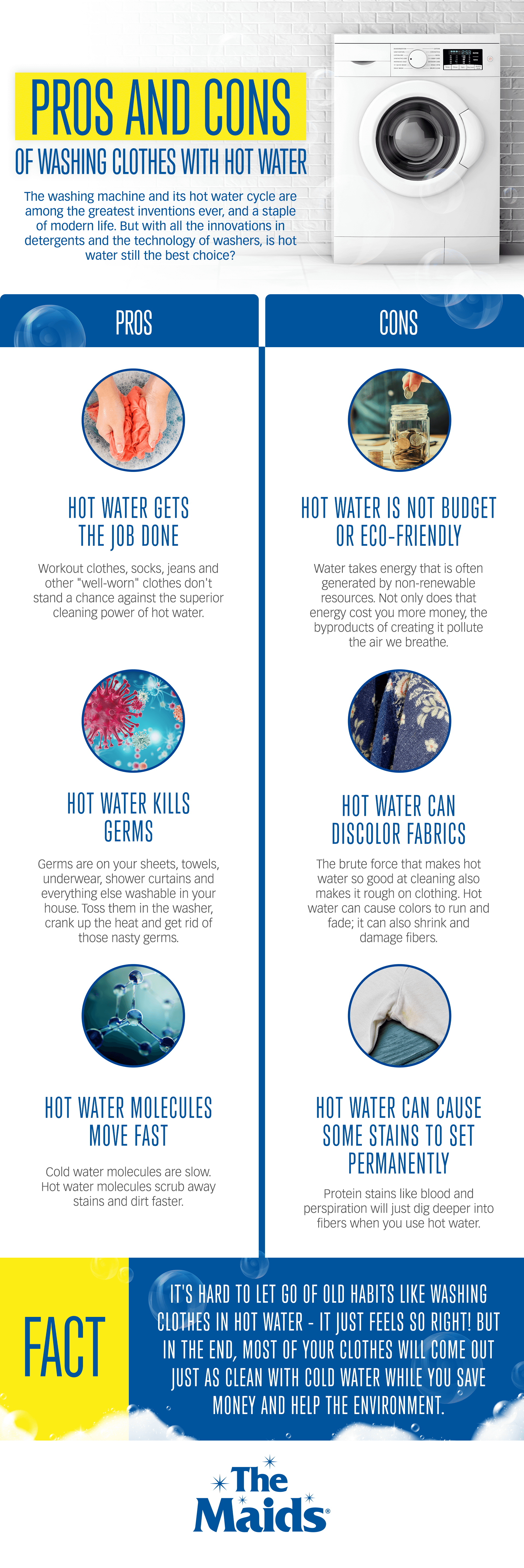
Sweat leaves behind salt, oils, and bacteria. Hot water may seem better for removing these, but it can actually set protein-based stains, making them harder to clean. Cold water, with the right detergent, can lift sweat and body oils without “cooking” them into the fabric.
Hygiene And Bacteria
After a tough workout, clothes can carry germs and fungus. Hot water kills many bacteria, but most modern detergents work well in cold water too. Special “sport” detergents have enzymes that break down odors and bacteria, even at low temperatures.
Environmental Impact
Washing in hot water uses more energy. According to the U.S. Department of Energy, about 90% of the energy used by a washing machine goes to heating the water. Cold water washing reduces your electricity bill and lowers your carbon footprint.
Understanding Different Gym Clothing Fabrics
Not all gym clothes are created equal. The fabric matters when choosing your wash settings.
| Fabric Type | Properties | Best Wash Temp |
|---|---|---|
| Polyester | Moisture-wicking, durable, holds odor | Cold or warm |
| Spandex (Lycra) | Stretchy, sensitive to heat, elastic | Cold only |
| Nylon | Lightweight, dries fast, may pill | Cold or warm |
| Cotton blends | Breathable, absorbs sweat, shrinks with heat | Cold or warm |
| Wool blends | Soft, odor-resistant, can felt with heat | Cold only |
Key insight: Always check your garment’s care label. Some blends or finishes need special treatment.
Hot Water Vs. Cold Water: The Science
Hot Water Washing
Hot water (above 50°C or 120°F) can dissolve oils and kill more bacteria. It’s usually recommended for:
- Towels and bedding
- Cloths that have come into contact with infections (like athlete’s foot)
- Heavily soiled items
But for gym clothes, hot water can:
- Shrink fabrics (especially cotton or wool blends)
- Fade colors
- Damage elastane or spandex
- Set in sweat stains, making them permanent
Cold Water Washing
Cold water (20-30°C or 68-86°F) is ideal for most gym clothing. Cold water:
- Protects color and stretch
- Prevents shrinkage
- Saves energy
- Is effective with modern detergents
However, cold water may not remove all germs or heavy odors unless you use a detergent with enzymes or oxygen bleach.
Warm Water (middle Ground)
Some washing machines offer “warm” settings (around 40°C or 104°F). This can be safe for cotton blends or heavily soiled synthetic clothes if the label allows it. It’s a compromise but still risks damaging elastic fibers if used too often.
Non-obvious insight: Hot water is not always more hygienic for gym clothes. Most workout gear is designed for cold water.
How Detergent Choice Influences Water Temperature
The type of detergent you use changes the results more than you might think.
Regular Detergents Vs. Sports Detergents
- Regular detergents: Clean basic dirt but may leave odors in synthetic fibers.
- Sports detergents: Contain enzymes to break down sweat, oils, and bacteria at lower temperatures.
Look for words like “activewear,” “enzyme,” or “odor-removing” on the label.
Enzyme Action
Enzymes in detergents act like tiny cleaning robots. They target sweat, oils, and protein stains. They work best in cold or warm water, not hot. If you use hot water, some enzymes become inactive, and you lose cleaning power.
Practical tip: For stubborn smells, try a pre-soak in cold water with sports detergent before the main wash.
Common Mistakes When Washing Gym Clothes
Many people damage their workout gear without realizing it. Avoid these errors:
- Using fabric softener: This coats fibers, trapping odors and blocking moisture-wicking properties.
- Overloading the washer: Clothes can’t move freely, so sweat and detergent get trapped.
- Skipping the extra rinse: Sweat and detergent residue can irritate skin.
- Drying on high heat: The dryer’s heat can break down elastic and cause shrinking.
- Mixing with towels or jeans: Heavy items rough up delicate fabrics and trap lint.
Non-obvious insight: Even “gentle” fabric softener can ruin the performance of technical fabrics by blocking their ability to pull sweat from your skin.
Step-by-step: How To Wash Gym Clothes Properly
Getting your gym clothes truly clean takes more than tossing them in the washer. Here’s a clear process:
1. Pre-treat Odors And Stains
- Rinse sweaty clothes in cold water as soon as you get home.
- For strong odors, soak in a sink with a tablespoon of white vinegar and cold water for 30 minutes.
2. Turn Clothes Inside Out
Sweat, oils, and bacteria stay on the inside. Washing inside out cleans the right areas and protects colors.
3. Use The Right Detergent
Choose a sports detergent or one with enzymes. Use the amount recommended—too much can cause buildup.
4. Select Water Temperature
- Cold water for synthetics, spandex, and wool blends.
- Warm water (if allowed by the care label) for cotton blends or very dirty clothes.
- Avoid hot water unless you have a specific medical reason (like treating athlete’s foot).
5. Use A Gentle Cycle
High-speed agitation can stretch and wear out fabrics. Gentle or “activewear” cycles protect elasticity.
6. Extra Rinse
This removes leftover detergent and sweat, which can irritate your skin.
7. Air Dry
Hang clothes to dry or lay flat. If you use a dryer, choose “low heat” or “air dry” settings.
Pro tip: If your gym bag sits for hours, bacteria multiply fast. Rinse clothes as soon as possible to avoid set-in smells.
Comparing Results: Hot Vs. Cold Water In Real Life
Let’s look at how gym clothes perform after repeated washing in different temperatures.
| Feature | Hot Water | Cold Water |
|---|---|---|
| Elasticity | Weakens over time | Stays strong |
| Color retention | Fades quickly | Keeps color |
| Odor removal | Good with right detergent | Good with sports detergent |
| Stain removal | Can set protein stains | Removes sweat, if pre-treated |
| Bacteria kill | Higher, but not always needed | Sufficient with enzyme detergent |
| Energy use | High | Low |
Key insight: For most gym clothes, cold water with the right detergent works as well or better than hot water.
Special Situations: When Hot Water Makes Sense
There are times when hot water is needed for gym clothes:
- If you’ve had a skin infection (like ringworm or athlete’s foot), hot water can help kill lingering fungus.
- If your doctor recommends hot washes for hygiene reasons.
- If your gym clothes are 100% cotton and care label allows hot water.
But always check the label first. For most people, these situations are rare.
How To Handle Extra-sweaty Or Smelly Gym Clothes
Some workouts leave your clothes dripping or with stubborn odors. Here’s what to do:
Pre-soak For Smell
- Fill a basin with cold water and add a cup of baking soda or a splash of white vinegar.
- Soak for 30–60 minutes before washing.
Use Enzyme Booster
- Add a laundry booster like an oxygen-based bleach (safe for colors) for extra odor removal.
Don’t Let Clothes Sit
- Wash sweaty items as soon as possible. Leaving them in a bag or hamper lets bacteria multiply.
Sun-dry For Freshness
- Sunlight naturally kills some bacteria and helps remove odors.
Real-life tip: If you always get “gym funk” that won’t go away, try rotating two or three sets of clothes so each has more time to dry fully between uses.
How Water Temperature Affects Skin Health
Washing in the wrong water temperature can affect your skin if you’re sensitive or have allergies.
- Detergent residue left by cold water can cause irritation if you skip the extra rinse.
- Hot water may kill more bacteria but also damages the fabric, making it less able to wick sweat. Wet, sticky fabric can lead to rashes.
- Sports detergents and proper rinsing help reduce skin problems more than simply using hot water.
If you have eczema or sensitive skin, always do an extra rinse and avoid fabric softeners.
Saving Money And The Planet: Energy Use And Water Temperature
Using cold water saves more than just your clothes. It can lower your bills and help the environment.
- The majority of washing machine energy is used to heat water.
- Cold water washes use up to 90% less energy.
- Lower energy use means less carbon dioxide released into the air.
You may also extend the life of your gym clothes, reducing waste and saving money on replacements.
Non-obvious insight: If you switch to cold water for all laundry, you can see a noticeable drop in your home’s energy use over time.
What About Washing Machines And Technology?
Modern washing machines often have special cycles for “sportswear” or “activewear. ” These are designed for synthetic fabrics and usually use cold or warm water with gentle agitation.
- High-efficiency (HE) machines: Use less water and energy. Always use HE detergent to prevent buildup.
- Front-loaders: Tend to clean better at lower temperatures due to more tumbling action.
Check your machine’s manual for the best settings for gym clothes.

Credit: housekeepup.com
Dealing With Stubborn Stains: Sweat, Blood, And Mud
Gym clothes sometimes pick up more than just sweat. Here’s how to handle common stains:
Sweat Stains
- Soak in cold water with a little baking soda before washing.
Blood Stains
- Rinse with cold water immediately. Hot water sets blood stains.
Mud Or Grass
- Let dry, brush off debris, then soak in cold water with a stain remover.
Never use hot water first—it can make stains permanent.
How Often Should You Wash Gym Clothes?
- Wash after every wear, especially if sweaty.
- If you wore it for a light workout or short time, you might air it out and re-wear. But bacteria multiply fast in moist fabric.
- Underwear, socks, and sports bras: Always wash after each use.
Letting gym clothes sit unwashed leads to permanent odors and fabric breakdown.
Credit: www.maids.com
How To Read Care Labels Like A Pro
Don’t guess—learn to read the tiny symbols on your clothes.
- “Machine wash cold” means don’t go over 30°C/86°F.
- “Do not bleach” means avoid chlorine bleach, but oxygen-based products are usually safe.
- “Line dry” or “lay flat” means avoid the dryer.
- “Do not iron” is common for synthetics.
Ignoring these can ruin your gear—even after one wash.
Myth-busting: Common Misconceptions About Washing Gym Clothes
Myth 1: Hot Water Always Cleans Better
Reality: Hot water can set stains and damage stretchy fabrics. Modern detergents work well in cold.
Myth 2: Fabric Softener Makes Clothes Softer And Smell Better
Reality: Softener blocks sweat-wicking properties and traps odors.
Myth 3: You Need Bleach To Kill Bacteria
Reality: Enzyme detergents and proper drying are usually enough. Bleach can weaken fabric.
Myth 4: All Gym Clothes Are The Same
Reality: Different blends react differently. Check each label.
Myth 5: Cold Water Doesn’t Clean
Reality: With the right detergent, cold water removes sweat, dirt, and bacteria from gym clothes.

Credit: greenllamaclean.com
Real-world Example: A Week In The Life Of Gym Clothes
Imagine you go to the gym five times a week. You wear synthetic leggings and a polyester shirt each time.
- If you wash all five sets in hot water, you’ll notice fading, stretching, and loss of shape within a month.
- If you use cold water and sports detergent, clothes keep their fit, color, and odor-resistance longer.
- You’ll also save energy—potentially enough to power your refrigerator for several days.
Practical lesson: The right water temperature pays off in better-looking, longer-lasting clothes and lower bills.
Expert Recommendations
Most athletic brands and fabric scientists agree:
- Use cold water for synthetic and technical fabrics.
- Use a sports-specific detergent.
- Air dry or use low heat.
- Wash after every wear, especially for underwear, socks, and base layers.
For more on fabric science, see the Consumer Reports guide to cold water washing.
Frequently Asked Questions
What If My Gym Clothes Still Smell After Washing In Cold Water?
Try a pre-soak in baking soda or vinegar before washing. Make sure you’re using a sports detergent with enzymes. Avoid fabric softener, and add an extra rinse to remove any leftover residue.
Can I Mix Gym Clothes With Other Laundry?
It’s best to wash gym clothes separately. Mixing with towels or jeans can damage technical fabrics. Lint from cotton can also stick to synthetics, making odors worse.
Do I Need To Sanitize My Gym Clothes If I Have Sensitive Skin?
Not usually. Use a sports detergent, wash in cold water, and add an extra rinse. Avoid hot water, which can damage fabric and irritate skin. If you’ve had a skin infection, hot water may be needed—follow your doctor’s advice.
Is Line Drying Better Than Using The Dryer?
Yes. Air drying protects elastic fibers and helps prevent shrinking. Sunlight can also help kill bacteria and remove odors. If you must use the dryer, choose the lowest heat setting.
Should I Wash My Gym Bag In Hot Or Cold Water?
Check the care label. Most gym bags are made of synthetic materials and should be washed in cold water on a gentle cycle. Air dry for best results.
You now have a complete understanding of how to wash gym clothes for the best results. Choosing the right water temperature isn’t just about cleanliness—it’s about preserving your investment, protecting your skin, and even saving energy. With a few simple changes, your gym wear can stay fresh, comfortable, and long-lasting, workout after workout.
