

How Often Should You Change Gym Clothes for Optimal Hygiene?
How Often Should You Change Gym Clothes
Everyone wants to feel fresh and comfortable at the gym. But a common question is: How often should you change gym clothes? The answer isn’t as simple as “after every workout.” Factors like how much you sweat, the type of exercise, the fabric, and even your skin health play a big role. Many people make the mistake of reusing gym clothes, thinking it’s harmless. But wearing dirty workout clothes can lead to bad smells, skin problems, and even infections.
In this guide, you’ll learn why changing gym clothes matters, how often you should really swap them, and what happens if you don’t. You’ll also discover smart habits for keeping your gym wear clean and effective for your workouts. Whether you’re new to fitness or a regular gym-goer, this article will help you make the right choices for hygiene, comfort, and performance.
Why Changing Gym Clothes Is Important
Changing gym clothes is more than just a habit—it’s about good hygiene and protecting your health. When you exercise, your body sweats to cool down. Sweat mixes with bacteria on your skin and in your clothes. If you leave those clothes on or reuse them, you create a warm, moist place for bacteria and fungus to grow.
Wearing clean gym clothes helps you avoid:
- Body odor: Sweat itself doesn’t smell, but bacteria breaking down sweat does.
- Skin irritation: Dirty clothes can rub and cause rashes or redness.
- Infections: Clothes trapped with sweat and bacteria can lead to fungal infections like athlete’s foot or ringworm.
Even if you don’t sweat much, gym environments have germs on equipment and surfaces. Your clothes can pick up these microbes, increasing the risk if you wear them again without washing.
How Sweat And Bacteria Affect Gym Clothes
When you work out, your body produces sweat from glands all over your skin. Sweat itself is mostly water, but it contains salt, oils, and waste products. Once sweat soaks into your clothes, it creates a damp environment. Bacteria and fungi love these conditions.
Studies show that bacteria multiply quickly on sweaty fabric. In fact, research has found that after just one workout, gym clothes can hold thousands of bacteria per square inch. If you leave these clothes in your gym bag, the numbers go up even more.
Certain fabrics, like polyester, can trap odors and bacteria more than cotton. Synthetic materials are common in gym wear because they dry fast, but they can also hold onto smells if not washed properly. This is why some people notice their gym shirts smell bad even after washing.
How Often Should You Change Gym Clothes?
The best practice is to change gym clothes after every workout. This means a fresh shirt, sports bra, underwear, socks, and shorts or leggings each time you exercise. But there are a few exceptions and things to consider:
High-intensity Vs. Low-intensity Workouts
- High-intensity (running, HIIT, cycling): Change clothes after every session. You sweat more, and bacteria build up faster.
- Low-intensity (yoga, stretching, walking): If you don’t sweat much and your clothes stay dry, you might be able to wear them one more time. But always change underwear and socks.
Gym Clothes For Different Body Parts
- Tops: Change after every workout. They collect sweat from your back, chest, and underarms.
- Bottoms: If you sweat heavily or do seated exercises, change every time. For lighter workouts, you might wear them twice, but only if they’re dry and odor-free.
- Sports bras: Always change after each workout. They are tight-fitting and trap sweat.
- Underwear: Never reuse. Change after every workout for hygiene.
- Socks: Always fresh. Wet socks can cause blisters and fungal infections.
Environmental Factors
- Hot, humid weather: Sweat more, change more often.
- Cold, dry climate: If you sweat less, you might extend wear for some items, but underwear and socks should still be changed every time.
Special Cases
- Sensitive skin or skin problems: Always change and wash after each session to avoid flare-ups.
- Shared gym equipment: Clothes pick up more germs—change after each use.
What Happens If You Don’t Change Gym Clothes Often Enough?
Skipping a change now and then seems harmless, but it can cause problems over time. Here are some risks:
Skin Infections
Wearing dirty gym clothes can lead to fungal infections like athlete’s foot, jock itch, or ringworm. These thrive in warm, moist environments. Clothes can also spread bacteria, leading to folliculitis (infected hair follicles) or even staph infections.
Body Odor
Sweat and bacteria trapped in clothes create strong, long-lasting smells. Even washing may not remove odors if bacteria have built up over many uses.
Acne And Skin Irritation
Dirty fabrics can block pores, causing body acne on the back, chest, or shoulders. Reused clothes can also cause rashes and chafing, especially where fabric rubs against your skin.
Poor Performance
Unwashed clothes can feel heavy, sticky, or uncomfortable. This distracts you and may make you avoid workouts.
How To Wash Gym Clothes Properly
It’s not just about how often you wash, but how you wash gym clothes. Athletic fabrics need special care to stay fresh and last longer.
- Wash as soon as possible. Don’t let sweaty clothes sit in your bag or hamper for days.
- Turn clothes inside out. Sweat and bacteria collect on the inside.
- Use cold water. Hot water can damage stretchy fibers.
- Skip fabric softener. It coats fibers and traps odors.
- Use less detergent. Too much leaves residue, making clothes smell worse.
- Air dry when possible. High heat can ruin elastics and speed up odor buildup.
If you want extra odor control, add a cup of white vinegar to the wash. It helps break down bacteria and smells.
Comparing Washing Methods
Here’s a simple comparison of washing methods for gym clothes:
| Method | Odor Removal | Fabric Care | Convenience |
|---|---|---|---|
| Cold Water Wash | Good | Excellent | Easy |
| Hot Water Wash | Excellent | Poor (may damage) | Easy |
| Vinegar Add-In | Excellent | Good | Extra step |
| Fabric Softener | Poor (traps odor) | Poor (coats fibers) | Easy |
How Different Fabrics Affect How Often You Should Change
Not all gym clothes are the same. The type of fabric affects how quickly clothes get dirty and smelly.
Cotton
- Absorbs sweat but dries slowly.
- Feels wet and heavy if you sweat a lot.
- Needs washing after every workout to avoid smell and bacteria.
Polyester And Synthetics
- Wicks moisture away from skin.
- Dries faster but can trap odor if not washed well.
- May need special detergent.
Merino Wool
- Natural odor resistance.
- Stays fresh longer, even after sweating.
- Some people wear merino wool shirts twice (for low-sweat activities), but always check smell.
Nylon And Blends
- Lightweight, dries fast, but may hold odor.
- Wash after each use for heavy workouts.
Here’s a quick look at how long common fabrics stay fresh:
| Fabric | Typical Uses | Recommended Change Frequency |
|---|---|---|
| Cotton | T-shirts, socks | Every workout |
| Polyester | Shirts, shorts, leggings | Every workout |
| Merino Wool | Tops, socks | Every 1–2 workouts* |
| Nylon | Shorts, sports bras | Every workout |
*Only if the item stays dry and odor-free.

Credit: www.self.com
How Many Sets Of Gym Clothes Do You Really Need?
A common question is: How many gym outfits should I own? The answer depends on how often you work out, your laundry habits, and your budget. Here are some guidelines:
- If you work out 2-3 times a week: At least 3 sets of tops, bottoms, underwear, and socks.
- If you train daily: 5-7 sets, so you never run out before laundry day.
- If you do morning and evening sessions: Double your sets or plan to wash more often.
For people with sensitive skin or who sweat a lot, having extra sets is smart. It prevents you from wearing damp or dirty clothes.
Must-have Gym Clothes List
- Workout tops (3–7)
- Sports bras (3–7, for women)
- Workout shorts/leggings (3–7)
- Socks (5–7, preferably moisture-wicking)
- Underwear (enough for every session)
- Sweat towel (1–2, wash often)
If you travel or hit the gym after work, keep a spare set in your bag.
Common Mistakes People Make
Many beginners and even experienced gym-goers make mistakes with their workout clothes. Here’s what to watch for:
1. Reusing Clothes Without Checking
Some people grab yesterday’s shirt from their bag, thinking it’s fine. But even if it looks clean, bacteria may be growing.
2. Not Washing After Every Session
It’s tempting to skip laundry, especially with “quick-dry” fabrics. But these can trap odor and bacteria more than you think.
3. Using Too Much Detergent
More soap doesn’t mean cleaner clothes. Extra detergent can stick to fibers, trapping smells and making fabric stiff.
4. Leaving Clothes In A Gym Bag
A sweaty shirt left in a dark bag is a perfect place for bacteria. Always hang clothes to dry if you can’t wash them right away.
5. Ignoring Socks And Underwear
Some focus on tops and shorts but forget socks and underwear. These touch your skin the most and need changing every time.
6. Not Drying Clothes Completely
Wearing damp clothes, even if clean, can cause odor and skin problems. Always dry gym wear fully before storing or wearing.
Smart Habits For Cleaner Gym Clothes
Staying ahead of laundry and germs doesn’t have to be hard. Here are practical tips:
- Plan your week: Set aside enough clean sets for all your workouts.
- Have a laundry routine: Wash gym clothes separately from regular clothes.
- Use a mesh bag: Keeps small items like socks and bras from getting lost.
- Dry clothes right away: If you can’t wash, hang them to air out.
- Use odor-fighting detergents: Some are made for sports fabrics.
- Store clothes in a breathable bag, not plastic, to reduce moisture buildup.
Gym Clothes And Skin Health
Your skin is your body’s largest organ. It protects you but can also react to trapped sweat, friction, and bacteria.
Preventing Acne And Rashes
- Change clothes quickly after a workout.
- Shower and wash your skin to remove sweat and bacteria.
- Wear moisture-wicking fabrics to keep skin dry.
- Avoid tight, non-breathable clothes for long periods.
If you notice redness, itching, or pimples in areas covered by gym clothes, try changing more often and using gentle, fragrance-free detergent.
Special Considerations For Certain Activities
Not all workouts are the same. Here’s how activity type can change how often you need to swap clothes:
Swimming And Water Sports
- Rinse swimwear after every session to remove chlorine or salt.
- Wash with mild detergent after a few uses, or every use if possible.
- Dry swimwear flat, not in the dryer, to protect fabric.
Team Sports
- Change after every practice/game. Shared equipment and close contact spread germs.
- Wash uniforms after each use, especially if you play on outdoor fields.
Outdoor Activities
- Change more often if you get muddy, wet, or exposed to allergens.
- Wear layers and change base layers that touch your skin every time.
Yoga And Pilates
- For gentle classes where you sweat little, you might wear the same leggings twice—but always change underwear and tops.
Managing Gym Clothes When Traveling
Travel adds challenges, but you can keep gym clothes fresh:
- Pack extra sets in a sealable laundry bag.
- Hand wash in the sink with mild soap if needed.
- Hang to air dry in your hotel room.
- Choose fast-drying fabrics like polyester or merino wool.
A travel-size bottle of sports detergent and a mesh bag can help you manage laundry anywhere.
Gym Clothes And Environmental Impact
Washing gym clothes often uses water and energy. But wearing dirty clothes isn’t healthy. Here’s how to balance hygiene and sustainability:
- Choose durable fabrics that last longer.
- Wash full loads to save water.
- Skip the dryer when possible—air drying saves energy and is gentler on clothes.
- Use eco-friendly detergents.
- Buy only what you need—having just enough sets prevents waste.
Reusing gym clothes when they’re truly clean and dry (for gentle activities) can help, but never at the risk of your health.
How To Spot When It’s Time To Replace Gym Clothes
Even with proper washing, gym clothes don’t last forever. Here’s what to look for:
- Persistent odor that won’t wash out
- Stretched-out or sagging fabric
- Holes, tears, or worn spots
- Loss of elasticity (waistbands, cuffs)
- Faded color or pilling
If clothes are uncomfortable or don’t perform well, it’s time to get new ones. Fresh gear can even motivate you to stick to your workouts.
Gym Clothes Hygiene For Families And Kids
For families, especially with active kids, gym clothes pile up fast. Here’s how to manage:
- Label clothes for each family member to prevent mix-ups.
- Set up a laundry schedule so clothes are always ready.
- Teach kids to change out of sweaty clothes right after sports.
- Check for skin issues—kids may not mention discomfort.
For teens in sports, always change and wash uniforms, socks, and underwear after each practice or game.
Gym Bags And Accessories: Don’t Forget!
Germs don’t just live in clothes. Gym bags, towels, shoes, and gear can also carry bacteria.
- Wash towels after every use
- Clean shoes regularly—air them out, wipe with disinfectant
- Wash bags or wipe them down weekly
- Don’t store sweaty clothes in sealed bags—air them out first
A clean gym bag and accessories help keep your clothes and skin healthier.
Gender Differences: Men Vs. Women
While the basic rules are the same, there are a few differences:
For Women
- Sports bras should be changed and washed after every workout. They fit tightly and trap sweat.
- Makeup and hair products can mix with sweat, so changing tops quickly is important to prevent breakouts.
For Men
- Compression shorts or liners need washing every time.
- Beard or body hair can trap sweat and bacteria—change shirts and towels often.
Both men and women should always wear clean underwear and socks for every workout.
Dealing With Persistent Odors
If your gym clothes still smell after washing, try these tips:
- Soak in vinegar or baking soda before washing to break down odor molecules.
- Use a sports detergent designed for synthetic fabrics.
- Dry in sunlight—UV rays can kill bacteria and freshen clothes.
- Don’t overload the washer—give clothes space to move.
If nothing works, it may be time to replace that item.
Gym Clothes Care For Sensitive Skin
People with eczema, allergies, or sensitive skin need to be extra careful:
- Use fragrance-free, gentle detergent
- Rinse clothes twice to remove all soap
- Choose soft, natural fabrics when possible
- Change immediately after sweating
Avoid sharing gym towels or clothes, as this can spread skin problems.
The Role Of Gym Clothes In Motivation
Fresh, comfortable gym clothes can boost your confidence and make you look forward to workouts. Smelly or uncomfortable gear does the opposite.
- Set out your clothes the night before to build a routine.
- Treat yourself to a new top or socks as a reward for consistency.
- Choose colors and styles you like—feeling good matters.

Credit: www.laundrycare.biz
When It’s Okay To Rewear Gym Clothes
Sometimes, rewearing is fine—if you follow a few rules:
- Only for very light exercise (like stretching or casual walking)
- Clothes must be completely dry and odor-free
- Never rewear underwear, socks, or sports bras
- Don’t rewear clothes if you have sensitive skin or are prone to infections
When in doubt, play it safe and change.
Summary Table: How Often To Change Each Gym Clothing Item
For quick reference, here’s a summary:
| Clothing Item | Change After Every Workout? | Notes |
|---|---|---|
| Shirts/Tops | Yes | Especially for sweat-heavy exercise |
| Sports Bras | Yes | Tight fit, high sweat areas |
| Shorts/Leggings | Yes (or 2x for low sweat) | Check for odor/dampness |
| Underwear | Yes | Always, no exceptions |
| Socks | Yes | Prevents fungus and blisters |
| Jackets/Hoodies | Every 3-5 uses | If not sweaty or dirty |
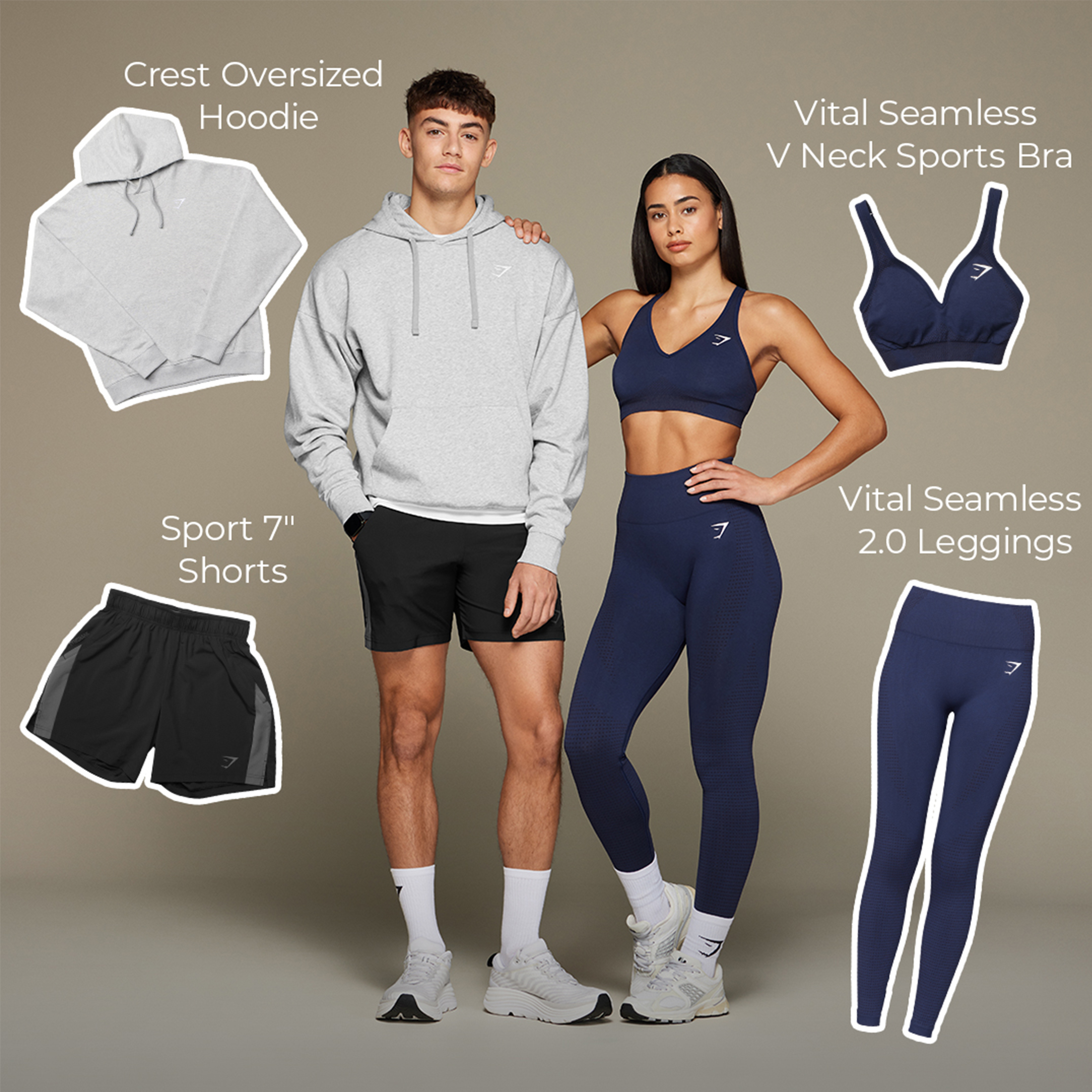
Credit: www.gymshark.com
Frequently Asked Questions
How Bad Is It To Wear Gym Clothes More Than Once?
Wearing gym clothes more than once, especially after a sweaty workout, increases the risk of bacterial growth, body odor, and skin issues. For light activities with little sweat, you may rewear tops or bottoms, but never reuse underwear or socks.
Can I Wash All Gym Clothes Together?
Yes, you can wash gym clothes together, but avoid mixing them with towels or heavily soiled items. Use a mild detergent, cold water, and avoid fabric softener for best results.
Do I Need Special Detergent For Gym Clothes?
Sports detergents are designed to break down sweat and odor in synthetic fabrics. Regular detergent works for cotton, but for polyester and blends, sports detergent or adding vinegar can help keep clothes fresh.
How Do I Manage Gym Clothes If I Work Out Twice A Day?
Have enough clean sets for each workout, or wash clothes between sessions. Always change underwear and socks, and hang clothes to dry if you need to rewear tops or bottoms for a second light session.
What’s The Best Way To Get Rid Of Stubborn Gym Clothes Odor?
Soak clothes in vinegar or baking soda before washing. Use sports detergent, wash in cold water, and air dry in sunlight if possible. Persistent smells may mean it’s time to replace the item.
For more on fabric care and hygiene, check out CDC Hygiene Fast Facts.
Changing gym clothes often is not just about looking good—it’s about feeling good, staying healthy, and getting the most from your workout. With these tips, you’ll stay fresh, confident, and ready to tackle any fitness goal.
