

How to Clean Gym Clothes: Expert Tips for Odor-Free Workout Wear
How To Clean Gym Clothes
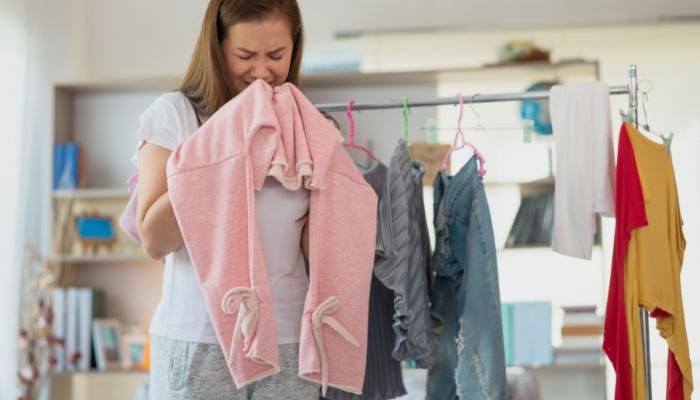
Most people love the feeling after a good workout, but nobody enjoys the smell of dirty gym clothes. Sweat, bacteria, and body oils make activewear tricky to clean. If you have ever pulled your favorite shirt out of the wash and noticed a smell or stains that won’t go away, you are not alone.
Cleaning gym clothes is different from regular laundry. If you do it wrong, your clothes may smell bad, stretch, or lose their performance features. Let’s explore the best ways to keep your activewear fresh, functional, and long-lasting.
Why Gym Clothes Need Special Care
Activewear is not just regular clothing. These clothes are made with synthetic fabrics like polyester, nylon, and spandex. These materials are great for workouts because they stretch, dry fast, and wick sweat away from your skin. But they also trap odors and bacteria much more than cotton. Sweat, oils, and skin cells get deep into the fibers, making smells hard to remove with a normal wash.
Washing gym clothes the same way as your everyday clothes can damage the fabric, break down elastic, and even make smells worse. Some detergents and softeners can block the tiny holes in technical fabrics, stopping them from working as they should.
Most people do not realize that bad smells in gym clothes are not just from sweat. Bacteria love warm, moist places—exactly what a sweaty gym bag provides. If you leave your clothes too long before washing, the bacteria multiply and make the smell stronger.
Step-by-step: How To Clean Gym Clothes Properly
To keep your gym wear at its best, follow these steps every time you wash. These steps work for all types of activewear, from leggings to sports bras and compression shirts.
1. Act Fast: Don’t Let Sweat Sit
After your workout, take off your gym clothes as soon as possible. Leaving them in your bag or in a pile gives bacteria time to grow. If you cannot wash them right away, let them air out. Hang them in a well-ventilated spot.
This simple habit prevents deep smells and mildew.
2. Pre-treat Problem Areas
Some parts of gym clothes collect more sweat and odor, like the armpits, crotch, and waistband. Check these areas for stains or strong smells. Dab a bit of mild detergent or a paste of baking soda and water on trouble spots. Let it sit for 15-30 minutes before washing.
If you often notice yellow stains or hard-to-remove smells, try soaking your clothes in cool water with a tablespoon of white vinegar for 30 minutes. Vinegar helps break down oils and bacteria without harming the fabric.
3. Turn Clothes Inside Out
Always turn your gym clothes inside out before washing. The inside of the fabric collects the most sweat, oils, and bacteria. Washing inside out allows water and detergent to reach these areas better. It also protects the colors and logos on the outside.
4. Wash With Similar Items
Wash gym clothes together, not with towels, jeans, or heavy fabrics. Mixing them with rough fabrics can cause pilling (little fabric balls), stretching, or snags. Keep zippers and Velcro away from delicate activewear.
5. Use The Right Detergent
Not all laundry detergents are the same. Many regular detergents are designed for cotton and heavy fabrics. For activewear, use a sports detergent or one labeled for “synthetic” or “high-performance” fabrics. These break down body oils and odors better.
If you use too much detergent, it can build up in the fabric and trap smells. Use the amount recommended on the bottle, or even a little less. For small loads, cut the detergent amount in half.
6. Skip Fabric Softener And Bleach
Fabric softener and bleach are bad for gym clothes. Fabric softener coats the fibers, making them less able to wick sweat. Bleach can damage elastic and fade colors. If you want to soften your clothes, add half a cup of white vinegar to the rinse cycle instead.
7. Choose The Right Wash Cycle
Use a gentle or delicate cycle with cold water. Hot water can break down elastic and damage the shape of activewear. Cold water is enough to clean and helps protect the fibers. The gentle cycle also reduces stretching and wear.
8. Don’t Overload The Washer
Give your gym clothes space to move in the washer. Overloading means they do not get clean and can rub together, causing damage. For best results, fill the drum about two-thirds full.
9. Rinse Thoroughly
A second rinse cycle helps remove leftover detergent and bacteria. This is especially important if you notice your clothes still smell after washing. Residue from detergent can trap odors.
10. Air Dry, Never Tumble Dry
The dryer’s high heat can damage the elastic fibers and shrink your gym clothes. Instead, hang them to air dry. Lay them flat on a drying rack or hang them on a hanger in a breezy spot.
Avoid direct sunlight, as it can fade colors and break down some synthetic fibers. If you must use a dryer, use the lowest heat setting and remove clothes while still slightly damp.
Extra Tips For Stubborn Odors And Stains
Even with careful washing, sometimes gym clothes hold onto smells or stains. Here are extra methods for tough cases:
Use Baking Soda Boost
Add half a cup of baking soda to the wash cycle along with your detergent. Baking soda helps neutralize odors and break up sweat stains. For best results, sprinkle it directly on the clothes in the drum, not in the detergent drawer.
Try White Vinegar Soaks
Once a month, soak your gym clothes in a mix of one part white vinegar to four parts water for 30 minutes before washing. Vinegar is a natural deodorizer and safe for synthetic fabrics. It won’t leave a smell after rinsing.
Enzyme Cleaners For Protein Stains
Protein-based stains, like sweat and body oils, are tough to remove. Enzyme cleaners are made for this type of stain. Look for laundry boosters with enzymes and follow the instructions carefully.
Wash Immediately After Use
If you can, wash your gym clothes soon after wearing. The longer sweat and oils stay, the harder it is to remove smells. If you exercise daily, consider rinsing clothes in cool water after each workout and washing in bulk at the end of the week.
Don’t Use Too Much Detergent
Beginners often think more detergent means cleaner clothes. In reality, too much detergent can build up in the fibers and lock in smells. Always measure detergent carefully.
Common Mistakes To Avoid
Some mistakes are easy to make, especially if you are new to activewear. Avoiding these will help your clothes last longer and smell fresher.
1. Letting Clothes Sit Wet
Leaving sweaty clothes in your gym bag or a laundry basket for hours (or days) is a recipe for strong odors and mildew. Always air out or wash as soon as possible.
2. Using Hot Water
Hot water can stretch out elastic and fade colors, making clothes lose their fit and look old quickly.
3. Using Fabric Softeners
These block the tiny holes in technical fabrics, stopping them from wicking sweat and trapping smells inside.
4. Washing With Towels Or Jeans
Heavier fabrics can rough up the surface of your delicate gym clothes, causing pilling and snags.
5. Overusing Detergent
Extra detergent does not mean extra clean. It often means extra residue, which can hold odors.
6. Drying With High Heat
High dryer heat breaks down elastic and damages technical fibers. Stick to air drying whenever possible.
7. Ignoring Care Labels
Every piece of activewear comes with a care label. These instructions are there for a reason. Always check them before washing.

Credit: www.youtube.com
How Often Should You Wash Gym Clothes?
Many people wonder if they should wash gym clothes after every use. The answer depends on how much you sweat and what you do. As a rule:
- Underwear, socks, and sports bras: Always wash after each use.
- Tops, leggings, and shorts: If you sweat heavily, wash after every workout. If you sweat lightly, you might wear them twice before washing, but never more.
- Jackets or outer layers: If they don’t touch your skin directly, wash after a few wears unless they smell.
Even if your clothes do not smell, bacteria and oils remain in the fabric. Washing regularly keeps your gear fresh and prevents build-up.
Special Care For Different Types Of Activewear
Not all gym clothes are the same. Here’s how to care for the most common types:
Leggings And Compression Wear
These items stretch a lot during exercise. Always wash inside out, use a mesh laundry bag if possible, and air dry flat to keep their shape.
Sports Bras
Fasten hooks before washing to prevent snags. Use a mesh bag and avoid fabric softener. Air dry to protect elastic and padding.
Technical Shirts And Tanks
These often have mesh panels and logos. Wash inside out and avoid rough fabrics. Hang to dry to prevent shrinking.
Socks
Active socks often have special fibers for sweat control. Wash in cool water and avoid high heat to prevent shrinking and loss of shape.
Shoes And Accessories
Check labels. Many gym shoes can be wiped clean with a damp cloth and mild soap. Some insoles can be washed by hand in cool water with a little detergent.
Comparing Detergents And Washing Methods
To help you choose the best way to clean gym clothes, here’s a comparison of common detergents and washing methods.
| Detergent Type | Best For | Pros | Cons |
|---|---|---|---|
| Sports Detergent | All synthetic activewear | Removes odors, protects fabrics | More expensive |
| Regular Detergent | Cotton, blends | Easy to find, affordable | May not remove all odors |
| Homemade Solutions (Vinegar, Baking Soda) | Removing odors, budget care | Natural, low cost | May need extra rinsing |
Stain Removal For Gym Clothes
Stains on gym clothes are common, but not all stains are the same. Here’s how to handle the most frequent types:
1. Sweat Stains:
Mix baking soda with water to make a paste. Spread it on the stain, let it sit for 30 minutes, then wash as usual.
2. Body Oil Stains:
Pre-treat with a drop of dish soap or a laundry stain remover. Let sit for 15 minutes, then wash.
3. Mud And Grass:
Scrape off any dry dirt, then rinse with cold water. Pre-treat with a gentle detergent before washing.
4. Deodorant Marks:
Rub gently with a damp cloth and a little baking soda before washing.
5. Blood Stains:
Rinse in cold water immediately and soak in a mix of water and hydrogen peroxide for 10 minutes. Wash as usual.
How To Store Freshly Washed Gym Clothes
Proper storage keeps your activewear in shape and ready to use.
- Fold or hang: Store gym clothes in a dry, cool place. Avoid stuffing them in drawers, which can stretch elastic.
- Separate dirty and clean clothes: Never put sweaty clothes back with clean ones.
- Keep gym bags dry: Air out your bag regularly to prevent mildew.
- Don’t use airtight containers: These can trap moisture and cause smells.
Fabric Technology And Why It Matters
Modern activewear uses advanced fabric technology. Some have antimicrobial treatments to fight bacteria, while others use mesh or ventilation zones for airflow. Understanding the fabric helps you clean it better.
For example, polyester dries quickly but holds on to oil-based stains. Spandex offers stretch but can lose shape with heat. Always check the garment tag for the main fabric type and follow care instructions closely.

Credit: koh.com
Washing Gym Clothes By Hand
If you do not have access to a washing machine, you can still keep your gym clothes clean with hand washing.
Quick Steps For Hand Washing
- Fill a sink or bucket with cool water.
- Add a small amount of sports detergent or gentle soap.
- Submerge clothes and gently agitate for 2-3 minutes.
- Pay special attention to sweaty areas—rub them lightly.
- Rinse thoroughly with cool water until all soap is gone.
- Gently squeeze (never wring) out excess water.
- Lay flat or hang to air dry.
Hand washing is gentle on fabrics and saves energy, but make sure you rinse well to prevent detergent build-up.
Key Differences: Gym Clothes Vs. Regular Laundry
Some people wonder why they cannot just wash gym clothes with their regular laundry. Here’s a quick comparison:
| Feature | Gym Clothes | Regular Clothes |
|---|---|---|
| Fabric Type | Polyester, spandex, nylon | Cotton, wool, blends |
| Odor Issues | High (bacteria, sweat) | Low to moderate |
| Washing Temp | Cold recommended | Warm/Hot usually ok |
| Drying | Air dry preferred | Machine dry often ok |
| Detergent Needs | Sports/specialty detergent | Regular detergent |
How To Know When To Replace Your Gym Clothes
Even with the best care, gym clothes will not last forever. Look for these signs:
- Loss of stretch: If your leggings or bras feel loose, the elastic may be worn out.
- Permanent odors: If smells return right after washing, bacteria may have set deep into the fibers.
- Visible damage: Holes, thinning fabric, or lots of pilling mean it is time for new gear.
- Lost wicking ability: If your clothes no longer keep you dry, the fabric may be worn out.
Proper care can double the life of gym clothes, but all items eventually need to be replaced for comfort and hygiene.
Eco-friendly Ways To Clean Gym Clothes
Many people want to reduce their environmental impact. Here are some green tips:
- Wash full (but not overloaded) loads to save water and energy.
- Use cold water—this saves energy and is better for activewear.
- Choose biodegradable or plant-based detergents.
- Avoid dryer use to cut energy use and protect your clothes.
- Recycle old gym clothes through donation or textile recycling programs.
For more on eco-friendly laundry, see this guide from the EPA.
What Beginners Often Miss
Many beginners make the mistake of using standard laundry routines for gym clothes. Two insights most people overlook:
1. Detergent Build-up Is A Hidden Problem
Even if your clothes look clean, leftover detergent can trap sweat and bacteria. Always rinse well and use less detergent than you think you need.
2. Mesh Laundry Bags Are A Game Changer
These bags protect delicate gym clothes from snags and stretching in the wash. They cost little but make a big difference in how long your clothes last.
Frequently Asked Questions
How Do I Get Rid Of Strong Odor In My Gym Clothes?
Soak your clothes in a mix of one part white vinegar to four parts water for 30 minutes before washing. Use a sports detergent and add half a cup of baking soda to the wash. Always air dry thoroughly.
Can I Use Bleach Or Fabric Softener On Activewear?
No, both can damage synthetic fibers. Bleach breaks down elastic and fades colors. Fabric softener blocks the fabric’s ability to wick sweat and traps smells.
Is It Safe To Wash Gym Clothes With Regular Clothes?
It’s better to wash gym clothes separately. Heavy fabrics like towels or jeans can damage delicate activewear. Washing them apart also stops body oils from spreading.
How Do I Prevent Pilling On Gym Clothes?
Turn clothes inside out before washing. Use a gentle cycle, cold water, and avoid mixing with rough fabrics. Mesh laundry bags help protect against pilling.
What’s The Best Way To Dry Gym Clothes?
Air drying is best. Lay clothes flat or hang them in a cool, dry place. Avoid the dryer or use the lowest heat setting if you must.
Keeping your gym clothes clean is not difficult, but it does require some extra care. By following these steps, you can enjoy fresh, comfortable, and long-lasting activewear for every workout. Whether you are a fitness beginner or a seasoned athlete, good laundry habits protect your investment and keep you feeling confident in the gym.
Credit: www.shopac.com
