

Shirt Graphics That Sell: Top Trends and Design Ideas
Shirt Graphics: Everything You Need To Know
A simple shirt can be a blank canvas for expression, humor, art, or even powerful messages. Shirt graphics have turned everyday clothing into a form of communication, a way to show personality, or support a cause. Whether it’s a custom design for a sports team, a popular meme, or a beautiful work of art, shirt graphics have shaped fashion and pop culture for decades.
Today, almost everyone owns at least one graphic shirt. You see them everywhere: in schools, offices, concerts, and even at family gatherings. But what makes shirt graphics so special? Why do some designs go viral while others are forgotten? How do you create or choose the right graphic for your needs? If you want to understand shirt graphics, from their history and styles to printing methods and trends, this guide will give you all the essential information, plus useful tips that many beginners miss.
What Are Shirt Graphics?
Shirt graphics refer to images, text, or designs applied to shirts. These graphics can be funny, artistic, inspirational, or simply decorative. They are not just for fashion—sometimes, they are used for marketing, team identity, or spreading a message.
When people talk about shirt graphics, they usually mean designs printed or pressed onto shirts, but embroidery and sewn patches can also be considered types of shirt graphics. The most common types include:
- Printed graphics (using ink or special transfers)
- Embroidered graphics (stitched designs)
- Appliqué or patch graphics (sewn fabric pieces)
- Sublimation or dye-based graphics (where the ink becomes part of the fabric)
Each type offers a different look, feel, and durability.
A Brief History Of Shirt Graphics
Shirt graphics did not start as a fashion statement. In the beginning, they were often used for military uniforms and workwear to show rank or company logos. The first mass-produced graphic shirts became popular in the world of advertising, sports, and tourism.
As screen printing technology became more accessible, people started experimenting with bolder, more colorful designs. Music bands printed shirts with their logos and album art, and political movements used shirts as walking billboards.
The rise of custom printing shops and online platforms made it possible for anyone to create and sell their own shirt graphics. This democratization led to an explosion of creativity, with trends evolving faster than ever.
Why Shirt Graphics Matter
Shirt graphics are more than just decoration. Here’s why they matter:
- Self-Expression: A shirt graphic lets you show your personality, interests, or mood without saying a word.
- Marketing: Businesses use shirt graphics as a cost-effective way to advertise.
- Identity and Belonging: Teams, clubs, and organizations use graphics to build unity.
- Art and Design: Many artists use shirts as a canvas to share their work with a wider audience.
- Social Impact: Movements and causes use shirt graphics to spread important messages.
Many people underestimate the power of a well-chosen shirt graphic. It can start conversations, influence opinions, and even create memories.
Types Of Shirt Graphics
The design style and technique you choose will affect the look, feel, and cost of your shirts. Here are the main types you’ll encounter:
1. Text-based Graphics
These designs use words, phrases, or quotes as the main focus. Text-based graphics can be funny, motivational, or informative. Font choice, size, and arrangement are key to making these designs stand out.
2. Logo Graphics
Logos are a common choice for companies, teams, or events. These graphics are usually simple, bold, and easy to recognize from a distance.
3. Illustration And Artwork
Hand-drawn or digital illustrations are popular for artistic shirts. These can include anything from cartoons to realistic portraits. Artistic shirts often become collectibles.
4. Photographic Graphics
Photos printed on shirts can be striking, but they need high-quality images and good printing techniques to look sharp.
5. All-over Prints
These designs cover the entire shirt, not just one area. All-over prints are bold and eye-catching but can be more expensive to produce.
6. Pattern And Texture Graphics
Some graphics use repeated patterns or textures to create a unique look. These are often used in fashion shirts or for creating a certain mood.
7. Vintage And Retro Graphics
Vintage graphics use old-school fonts, faded colors, or retro themes to evoke nostalgia. They are popular for band shirts and throwback collections.
8. Minimalist Graphics
Minimalist designs use simple shapes, lines, or very few colors. They appeal to people who like a clean and modern look.
9. Parody And Satire Graphics
These graphics make fun of popular culture or well-known brands. They are popular among younger audiences but can sometimes be controversial.
10. Custom And Personalized Graphics
These are made for a specific person or event, such as family reunions, weddings, or birthdays. They often include names, dates, or inside jokes.
Popular Shirt Graphic Themes And Ideas
Some themes never go out of style, while others come and go with trends. Here are some of the most popular:
- Music and Bands: Album art, band logos, concert dates.
- Movies and TV Shows: Iconic quotes, character images.
- Sports: Team logos, player numbers, motivational slogans.
- Causes and Charities: Awareness ribbons, campaign slogans.
- Humor and Memes: Jokes, puns, viral internet images.
- Travel and Places: City names, famous landmarks.
- Art and Abstract: Unique artwork, geometric shapes.
Choosing a theme that connects with your audience is one of the most important steps when designing or buying a shirt graphic.
How Shirt Graphics Are Made
There are several main methods for creating shirt graphics. Each method has its pros and cons, and the best choice depends on your design, budget, and quantity.
Screen Printing
Screen printing is the most widely used method for large orders. Ink is pushed through a mesh screen onto the shirt. It’s great for bold, simple designs with few colors and offers long-lasting results.
Advantages
- Durable and washable
- Vibrant colors
- Cost-effective for large batches
Disadvantages
- Expensive for small orders
- Limited to fewer colors per design
Direct-to-garment (dtg) Printing
DTG printing uses a special printer to apply ink directly onto the fabric, like a paper printer. It works well for detailed, colorful designs.
Advantages
- High detail and color range
- Good for small runs or single shirts
Disadvantages
- Not as durable as screen printing
- Works best on 100% cotton shirts
Heat Transfer Printing
Heat transfer uses special paper or vinyl that is pressed onto the shirt using heat and pressure. There are two main types: transfer paper (for inkjet or laser printers) and vinyl heat transfer.
Advantages
- Great for full-color images or photos
- Flexible for small or custom orders
Disadvantages
- May peel or crack over time
- Not as breathable as other methods
Sublimation Printing
Sublimation turns ink into gas, which bonds with polyester fibers. It’s used for all-over prints and works best on light-colored, synthetic shirts.
Advantages
- Colors become part of the fabric (very soft feel)
- No cracking or peeling
Disadvantages
- Only works on polyester (not cotton)
- Best on white or light shirts
Embroidery
Embroidery uses threads to stitch the design onto the shirt. It’s popular for logos on polos or work shirts.
Advantages
- Very durable
- High-end look
Disadvantages
- Limited detail for complex images
- Can feel heavy or stiff
Comparing Popular Shirt Graphic Methods
Here’s a side-by-side look at the main differences:
| Method | Best For | Durability | Color Range | Order Size | Fabric Types |
|---|---|---|---|---|---|
| Screen Printing | Bold, simple designs | High | Limited | Large | Most |
| DTG Printing | Detailed, colorful images | Medium | Unlimited | Small | Cotton |
| Heat Transfer | Photos, custom orders | Medium | Unlimited | Small-Medium | Most |
| Sublimation | All-over prints | Very High | Unlimited | Any | Polyester |
| Embroidery | Logos, text | Very High | Limited | Any | Most |
How To Design An Effective Shirt Graphic
Designing a shirt graphic is different from making art for a poster or website. Here are the key things to consider:
Understand The Purpose
Is the shirt for a business, a family event, or just for fun? Knowing the purpose will help guide your design choices.
Know Your Audience
Think about the people who will wear or see your shirt. What styles, colors, and themes do they like?
Keep It Simple
Many beginners try to add too many details. In reality, simple designs are often more powerful and easier to see from a distance.
Choose The Right Colors
Pick colors that stand out against the shirt fabric. Avoid colors that are too close to the shirt color, or your design may get lost.
Use Readable Fonts
If your design uses text, make sure it’s easy to read. Avoid very thin or decorative fonts unless they match your message.
Test Your Design
Print your design on paper and hold it against a shirt. This helps you spot problems with size, placement, or color.
Consider Placement
The most common placement is the center chest, but you can also use the back, sleeves, pocket area, or even do an all-over print.
Think About Printing Method
Some methods can’t handle small details or many colors. Always design with your chosen method in mind.
Avoid Copyright Issues
Don’t use images, logos, or phrases you don’t have the rights to. Copyright infringement can lead to legal trouble and your shirts being taken down or destroyed.
Two Non-obvious Tips
- Contrast matters more than color: A black design on a navy shirt may look good on screen but will disappear in real life. Always check for strong contrast.
- Mockups can be misleading: Online mockup tools often make designs look perfect. Always get a real sample before making a large order.
Shirt Graphics For Different Purposes
Not all shirt graphics are created for the same reason. Here’s how needs change based on the shirt’s purpose:
Business And Branding
Companies use shirt graphics for staff uniforms, giveaways, and event promotions. Consistency, logo clarity, and brand colors are important.
Events And Celebrations
For weddings, family reunions, or birthdays, graphics are often personalized. Funny quotes, group photos, or event dates make great designs.
Sports Teams
Team shirts need bold graphics that show team name, mascot, and player numbers. Durability and easy identification are key.
Merchandise And Retail
Bands, artists, and brands sell shirts as merchandise. High-quality graphics, unique designs, and limited editions can boost sales.
Awareness And Fundraising
Shirts for causes or charities should have clear, memorable messages. The design should make it easy for people to know what the cause is about.
Fashion And Personal Style
Fashion shirts focus on trends, aesthetics, and creativity. Unusual placements, patterns, and artistic styles are common.
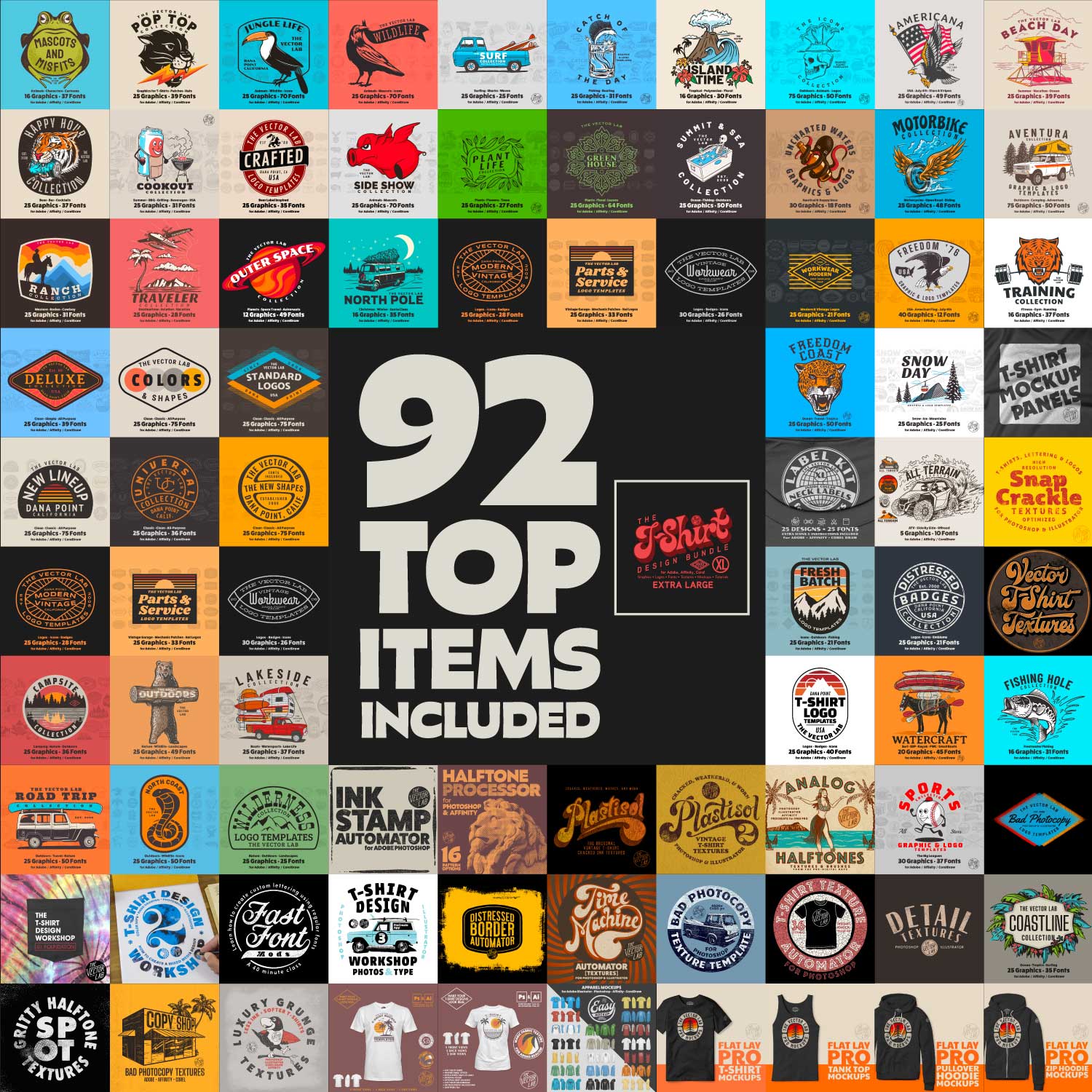
Credit: thevectorlab.com
Common Mistakes When Making Shirt Graphics
Many first-timers make avoidable errors that lead to wasted time or money. Here are some to watch out for:
- Too much detail: Fine lines and tiny text often don’t print well.
- Low-resolution images: Blurry or pixelated graphics look unprofessional.
- Ignoring print area: Designs that are too big or small for the shirt look awkward.
- Bad color choices: Using colors that clash or don’t stand out.
- Overcrowded designs: Trying to fit too much in one space.
- Not checking spelling: Typos on shirts are embarrassing and expensive to fix.
Caring For Shirts With Graphics
To keep your shirt graphics looking good for a long time, follow these care tips:
- Wash inside out: Protects the graphic from friction and fading.
- Use cold water: Hot water can damage prints and shrink fabric.
- Avoid bleach: It can ruin both the shirt and the graphic.
- Hang dry or tumble dry low: High heat can crack or peel the graphic.
- Do not iron directly on the graphic: Place a cloth between the iron and the design if needed.
These simple steps can double or even triple the life of your graphic shirts.
Current Trends In Shirt Graphics
Shirt graphics follow trends just like any other part of fashion. Some current trends include:
- Sustainability: Eco-friendly inks and organic fabrics are popular.
- Nostalgia: Retro designs, old logos, and vintage colors are making a comeback.
- Personalization: People want shirts with their name, photo, or a custom message.
- Bold Typography: Large, clear fonts with strong statements.
- Hand-Drawn Art: Imperfect, sketch-like graphics look unique and artistic.
- Minimalism: Simple logos or single-color graphics are in demand.
- Augmented Reality: Some shirts use QR codes or AR triggers to create interactive experiences.
Fashion experts say that unique graphics and personal meaning matter more than following every trend. If your design tells a story or feels authentic, it will always have an audience.
Shirt Graphics: Diy Vs. Professional Printing
Should you make your own shirts or use a professional printer? Here’s a quick comparison to help you decide:
| DIY | Professional Printing |
|---|---|
| Lower cost for small batches | Better quality, especially for large orders |
| Great for experiments or one-offs | Consistent results and durability |
| Limited to simple methods (iron-on, home printers) | Access to advanced techniques (screen print, DTG, embroidery) |
| Time-consuming for large numbers | Faster for bulk production |
| Quality depends on your skill and equipment | Professional finishing and packaging |
Most people start with DIY for small runs or personal projects. For business or events, professional printing usually gives better results and fewer headaches.
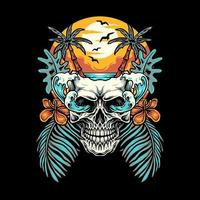
Credit: www.vecteezy.com
How To Choose The Right Shirt For Graphics
The shirt itself is just as important as the graphic. Here are some tips:
- Fabric matters: Cotton is soft and works well with most methods. Polyester is best for sublimation. Blends can affect print quality.
- Fit and style: T-shirts, polos, long sleeves, and tank tops all offer different looks.
- Color: Light shirts are better for most prints. Dark shirts need special inks or underlays.
- Weight: Heavier shirts last longer, but lighter shirts are more comfortable in warm weather.
Always order a sample before making a big purchase, especially if you’re selling or giving shirts to others.
Shirt Graphics In Business And Marketing
Many businesses use shirt graphics as part of their marketing strategy. Here are ways they benefit:
- Brand awareness: Employees wearing branded shirts act as walking advertisements.
- Customer engagement: Free shirts with purchases can boost loyalty.
- Event promotion: Shirts for events increase visibility and create a sense of community.
According to a report by the Advertising Specialty Institute, T-shirts are one of the most popular promotional products, with recipients keeping them for months or years. This leads to thousands of impressions per shirt.
For companies, choosing the right design and quality is essential. A poor-quality shirt reflects badly on your brand, while a great design can lead to more social media shares and word-of-mouth marketing.
Selling Shirt Graphics Online
The internet has made it easy for anyone to design and sell shirts. Platforms like Teespring, Redbubble, and Shopify let you upload designs and handle the printing, shipping, and payments.
Steps To Start Selling
- Create unique designs: Research trends, but offer something original.
- Choose a platform: Pick one with the right audience and features.
- Set prices carefully: Consider costs, competition, and your target market.
- Promote your store: Use social media, influencers, and ads.
- Keep improving: Listen to customer feedback and adjust your designs.
Two Common Pitfalls
- Ignoring copyright rules: Many new sellers get their stores taken down for using protected images or phrases.
- Underestimating shipping and returns: Factor in costs and plan for customer service issues.
If you want to learn more about the business side, the Wikipedia page on T-shirts has useful background and links to industry trends.
Shirt Graphics As Art And Collectibles
Some shirt graphics have become famous works of art. Limited edition or vintage shirts can sell for hundreds or even thousands of dollars. Artists collaborate with brands or musicians to create shirts that are both wearable and collectible.
The world of shirt art is broad. Some people frame rare shirts or trade them like baseball cards. Others use shirts as a way to make art more accessible and affordable.
If you want your designs to become collectibles, focus on:
- Unique, memorable artwork
- Limited runs or special editions
- Collaborations with artists or influencers
- High-quality printing and materials
Environmental Impact Of Shirt Graphics
The fashion industry, including shirt graphics, has a big impact on the environment. Here’s what to consider:
- Inks and chemicals: Some printing inks contain harmful substances. Water-based inks are safer.
- Fabric waste: Cheap shirts often wear out quickly and end up in landfills.
- Energy use: Large-scale printing uses electricity and water.
To reduce your impact:
- Choose eco-friendly inks and organic shirts
- Print only what you need—avoid overproduction
- Recycle or donate old shirts
Many brands are moving towards sustainable practices to meet customer demand for greener products.
Frequently Asked Questions
What Is The Best Method For Printing Shirt Graphics?
There is no single “best” method. Screen printing is great for bold, simple designs and large orders. DTG printing is better for detailed, colorful images or small runs. Sublimation is ideal for polyester shirts and all-over prints. Choose based on your design, shirt material, and order size.
How Do I Create My Own Shirt Graphic?
Start by sketching or designing on a computer using software like Adobe Illustrator or Canva. Keep the design simple, use high-contrast colors, and make sure it’s the right size for a shirt. You can print at home using transfer paper, or upload your design to an online printing service.
How Do I Know If A Shirt Graphic Will Look Good?
Print your design on paper and tape it to a shirt to see the size and placement. Also, test colors for contrast and readability. If possible, order a sample shirt before making a large order or selling to others.
Can I Use Any Image For My Shirt Graphic?
No, you must have the right to use the image. Avoid logos, photos, or artwork you don’t own. Use royalty-free images or create your own. Copyright violations can lead to legal problems and lost sales.
How Do I Make Shirt Graphics Last Longer?
Wash shirts inside out with cold water, use gentle detergent, and avoid bleach. Hang dry or use a low-heat dryer. Never iron directly on the graphic. These steps will keep your shirt graphics looking fresh and bright for much longer.
Graphic shirts are more than just clothing—they are a way to tell the world who you are, what you love, and what you stand for. With the right design and method, your shirt can become a favorite piece or even a collector’s item. Whether you’re a designer, business owner, or just a fan of cool shirts, understanding the basics of shirt graphics opens up a world of creative possibilities.

Credit: www.freepik.com
