

Rash Guard Vs Compression Shirt: Ultimate Gear Showdown Explained
Are you confused about whether to choose a rash guard or a compression shirt for your next workout or outdoor activity? You’re not alone.
Both offer unique benefits, but knowing which one suits your needs can make a huge difference in comfort and performance. You’ll discover the key differences between rash guards and compression shirts, helping you pick the perfect gear that fits your body and boosts your confidence.
Keep reading to find out which option will work best for you.
Rash Guard Basics
A rash guard is a special shirt made for sports and outdoor activities. It protects your skin and helps you stay comfortable. Many people wear rash guards during water sports or workouts. Knowing the basics helps you choose the right one.
This section explains the key features of rash guards. It covers material, design, uses, comfort, and fit. Understanding these points clears up confusion between rash guards and compression shirts.
Material And Design
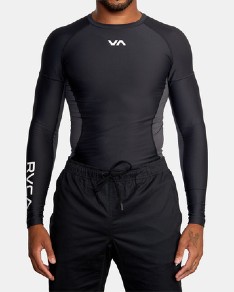
Rash guards are usually made of polyester, spandex, or nylon. These materials dry quickly and stretch well. The design is tight but not too tight. It fits close to the skin to stop rashes and scrapes. Some rash guards have long sleeves for more protection.
Primary Uses
Rash guards protect the skin from sunburn and irritation. They are popular in surfing, swimming, and snorkeling. People wear them to avoid rashes from surfboards or rough water. Rash guards also help keep muscles warm during exercise.
Comfort And Fit
Rash guards feel light and smooth on the skin. They allow full movement without feeling tight or loose. The fit is snug but comfortable for long wear. Many have flat seams to stop chafing. Breathable fabric keeps you cool and dry.
Credit: rvca.co.uk
Compression Shirt Essentials
Compression shirts are popular for many athletes and fitness lovers. They fit tightly, hugging your body closely. These shirts help support muscles and improve blood flow. Many people wear them during workouts or sports. Understanding the essentials of compression shirts helps you choose the right one.
These shirts use special fabric and design. Their main goal is to boost performance and reduce injury risk. Let's look at the key features that make compression shirts unique.
Fabric Technology
Compression shirts use strong, stretchy materials like spandex and nylon. These fabrics fit tightly but move with your body. They often have moisture-wicking properties. This helps keep sweat away from your skin. Some shirts also have anti-odor treatments to stay fresh longer. Breathable fabric lets air flow to keep you cool.
Performance Benefits
Compression shirts improve blood circulation during activity. This helps muscles get more oxygen. Better oxygen flow reduces muscle fatigue and soreness. The tight fit supports muscles and joints, lowering injury risks. These shirts also help muscles recover faster after workouts. Wearing one can improve your endurance and strength.
Common Sports
Many athletes use compression shirts in sports. Runners wear them to reduce muscle vibration and boost speed. Cyclists use them for comfort and muscle support on long rides. Weightlifters like the muscle support and stability. Football and basketball players wear them under uniforms for better performance. Even yoga practitioners use compression shirts for flexibility and comfort.
Protection And Safety
Protection and safety are key when choosing between a rash guard and a compression shirt. Both help protect your body but in different ways. Understanding their roles can help you pick the right gear for your activity.
Skin Shielding
A rash guard acts like a barrier between your skin and the environment. It protects against sunburn, scrapes, and irritation from rough surfaces. This makes it great for water sports and outdoor activities. Compression shirts offer less skin protection but can prevent chafing during exercise.
Muscle Support
Compression shirts provide firm support to your muscles. They improve blood flow and reduce muscle fatigue during workouts. Rash guards offer some support but focus more on skin protection. For intense training, compression shirts help keep muscles tight and stable.
Injury Prevention
Rash guards reduce cuts and scrapes, lowering the risk of skin injuries. Compression shirts help prevent muscle strains by supporting muscle groups. Both types reduce injury risks but serve different safety needs depending on the sport or exercise.

Credit: swathysivakumaar.com
Moisture And Temperature Control
Choosing between a rash guard and a compression shirt often comes down to how well they control moisture and temperature. Both types of shirts help keep the body comfortable during physical activity. They use different fabrics and designs to manage sweat and heat. Understanding these differences can help you pick the right shirt for your needs.
Breathability
Rash guards usually have a looser weave that allows air to pass through easily. This helps the skin stay cool and dry. Compression shirts fit tighter and use fabrics that trap heat closer to the body. This can reduce airflow but helps keep muscles warm. Breathability depends on the fabric type and thickness in both shirts.
Sweat Management
Rash guards are designed to wick sweat away from the skin quickly. They dry fast, preventing the shirt from feeling heavy or sticky. Compression shirts also move sweat away but hold it closer to the skin longer. This can cause a damp feeling during intense workouts. Both shirts reduce chafing caused by wet fabric.
Thermal Regulation
Rash guards offer moderate thermal protection. They shield against sun and wind while allowing heat to escape. Compression shirts provide better thermal regulation in cold weather. Their snug fit traps body heat to keep muscles warm and reduce injury risk. Temperature control varies depending on activity and environment.
Durability And Maintenance
Durability and maintenance are key factors for rash guards and compression shirts. These clothes face tough use in sports and workouts. Knowing how tough they are and how to care for them helps you get the best value. Both types need proper care to last long and keep their look and fit.
Wear And Tear Resistance
Rash guards usually resist wear well. They have strong stitching and thick fabric. This helps them handle rough surfaces and frequent use. Compression shirts are thinner but stretch well. They can tear if pulled too hard. Both can fade or lose shape over time with heavy use.
Cleaning Tips
Wash rash guards in cold water to keep colors bright. Avoid bleach and fabric softeners. Hand washing is best but a gentle machine cycle works. Compression shirts need gentle washing too. Turn them inside out to protect the fabric. Dry both types by air drying, not in a dryer.
Longevity
Rash guards last longer with careful use. Avoid rough surfaces and sharp objects. Compression shirts last well if not overstretched. Proper cleaning and drying extend their life. Regular care keeps both shirts feeling comfortable and looking fresh.
Credit: www.bjjee.com
Style And Aesthetics
Style and aesthetics play a big role in choosing between a rash guard and a compression shirt. Both offer a sporty look but differ in how they express style. Your choice can affect confidence and comfort during activities.
Color And Design Options
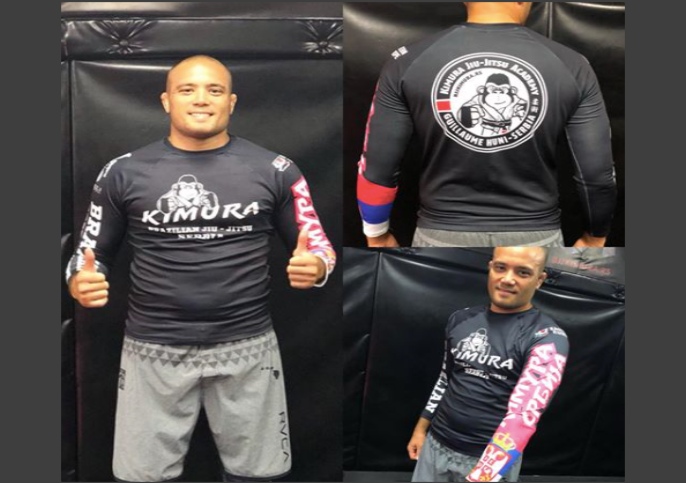
Rash guards come in many bright colors and bold patterns. They often feature graphic prints and logos. This makes them popular for beach sports and water activities. Compression shirts usually have simpler colors. Black, gray, and navy are common. They tend to focus on a sleek, minimal look.
Fit And Appearance
Rash guards are designed to fit snugly but allow movement. They often have a looser fit around the chest and arms. Compression shirts fit very tightly. They hug the body to support muscles. This fit shows off your physique and looks athletic. Rash guards can look more casual or sporty.
Brand Variations
Different brands offer unique styles for both shirts. Some brands focus on technical fabrics and simple designs. Others add bold colors and trendy prints. Popular rash guard brands often highlight surf or MMA culture. Compression shirt brands lean towards gym and running gear. Your style choice may depend on brand identity.
Price And Value
Price and value are key factors when choosing between a rash guard and a compression shirt. Both offer benefits but vary in cost and purpose. Understanding their price differences helps you decide which fits your budget and needs.
Cost Comparison
Rash guards usually cost between $20 and $60. They are made for water sports and offer sun protection and quick drying. Compression shirts range from $25 to $70. They focus on muscle support and improving blood flow. Prices depend on brand, fabric, and design.
Investment Worth
Rash guards provide good value for outdoor activities and water safety. They protect skin and keep you comfortable. Compression shirts are worth it for athletes who want muscle support and faster recovery. Choose based on your main activity and how often you will use the shirt.
Where To Buy
Both shirts are available online and in sports stores. Websites like Amazon and brand-specific shops offer many options and price ranges. Sports retailers usually carry rash guards and compression shirts for different sports. Compare prices and read reviews before buying.
Choosing The Right Gear
Choosing the right gear can make a big difference in your performance and comfort. Rash guards and compression shirts both offer benefits, but the best choice depends on your needs. Understanding how each fits your activity, comfort, and environment helps you decide wisely.
Activity-specific Needs
Different activities require different gear features. Rash guards protect against rashes and sunburn during water sports. Compression shirts improve blood flow and muscle support for gym workouts and running. Pick gear that matches your main activity for better results.
Personal Comfort
Comfort is key for any workout or sport. Rash guards usually have a looser fit and soft fabric, reducing skin irritation. Compression shirts fit tightly, which some people find helpful for muscle support. Consider how each feels on your skin during movement.
Environmental Factors
Think about the weather and surroundings. Rash guards often offer UV protection and dry quickly, good for sunny or wet conditions. Compression shirts keep muscles warm and may wick sweat in cooler or indoor settings. Match your gear to the environment for best comfort.
Frequently Asked Questions
What Is The Main Difference Between Rash Guards And Compression Shirts?
Rash guards protect against skin irritation and UV rays, often used in water sports. Compression shirts improve blood flow and muscle support, ideal for workouts and recovery. Their materials and purposes differ to suit specific athletic needs.
Are Rash Guards Better For Water Activities Than Compression Shirts?
Yes, rash guards are designed to resist water, dry quickly, and protect skin from sun and abrasions. Compression shirts are less water-friendly and focus on muscle support rather than water protection.
Can Compression Shirts Prevent Muscle Soreness Effectively?
Compression shirts help reduce muscle vibration and improve circulation, which can lessen soreness. They are popular for post-exercise recovery but do not replace proper rest and stretching.
Do Rash Guards Provide Uv Protection?
Most rash guards offer built-in UV protection with UPF ratings to shield skin from harmful sun rays. This makes them suitable for outdoor sports and water activities.
Conclusion
Choosing between a rash guard and a compression shirt depends on your needs. Rash guards protect skin from sun and scrapes during water sports. Compression shirts support muscles and improve blood flow in workouts. Both offer comfort and can boost performance.
Think about the activity and weather before deciding. Each has unique benefits to help you stay safe and comfortable. Try both to see which fits your style best. Simple choices lead to better results and more enjoyable exercise.
