

Does Rash Guard Protect from Sun: Ultimate UV Defense Guide
Are you tired of sunburns ruining your outdoor fun? You might wonder if a rash guard can really protect you from the sun’s harmful rays.
After all, you want to enjoy your time outside without worrying about skin damage or discomfort. This article will clear up the mystery and help you understand how a rash guard works to keep your skin safe. Keep reading to discover the truth about sun protection and how you can stay protected effortlessly.
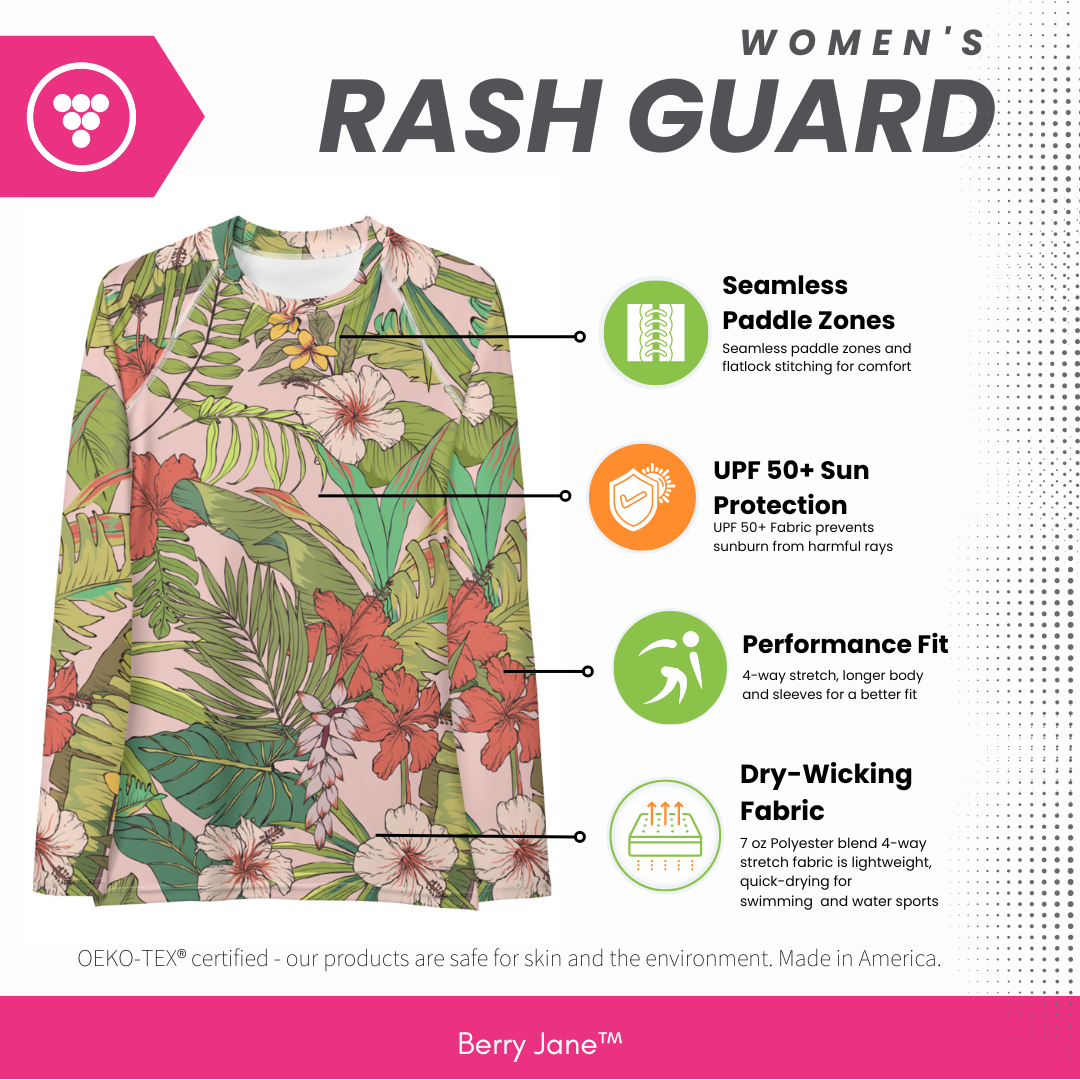
Credit: berryjaneusa.com
How Rash Guards Block Uv Rays
Rash guards protect your skin by blocking harmful UV rays. They act as a barrier between your skin and the sun’s rays. This stops the rays from reaching your skin and causing damage. The fabric and design of rash guards play a key role in this protection. Each part helps reduce UV exposure effectively.
Material And Weave Density
Rash guards use special fabric with tight weaves. The tight weave prevents UV rays from passing through. Materials like polyester and nylon are common. These materials absorb or reflect UV rays. The tighter the fabric, the better the protection. Some rash guards also have extra UV-blocking treatments. This makes them stronger against the sun.
Upf Ratings Explained
UPF stands for Ultraviolet Protection Factor. It shows how much UV radiation a fabric blocks. A higher UPF means better protection. For example, UPF 50 blocks 98% of UV rays. Most quality rash guards have UPF ratings between 30 and 50+. This rating helps you choose the best sun protection. Always check the UPF label before buying.
Comparing Rash Guards To Sunscreen
Rash guards provide constant protection without reapplying. Sunscreen can wear off after swimming or sweating. Rash guards cover large skin areas easily. Sunscreen can miss spots or wash away. Using rash guards and sunscreen together boosts protection. Sunscreen covers areas rash guards don’t reach. Both help prevent sunburn and skin damage.
Credit: www.swimoutlet.com
Choosing The Right Rash Guard
Choosing the right rash guard is key to protecting your skin from the sun. Not all rash guards block UV rays equally. The material, fit, and color all affect how well it shields you. Picking the best one means understanding these important factors. This guide helps you select a rash guard that offers strong sun protection and keeps you comfortable.
Fabric Types That Offer Best Protection
Look for rash guards made from tightly woven fabrics. Polyester and nylon blends are good choices. They block most UV rays and dry quickly. Some rash guards have special UV coatings to boost protection. Avoid thin or loose-knit fabrics. They let sunlight pass through easily.
Fit And Coverage Considerations
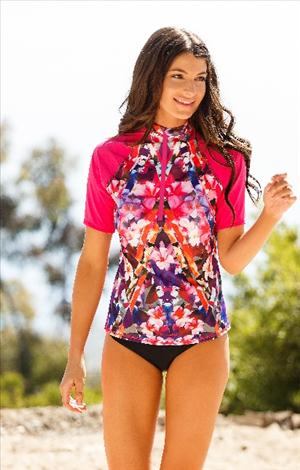
A rash guard should fit snugly but not be too tight. Loose rash guards allow sun to reach your skin. Long sleeves offer better coverage than short sleeves. A high collar protects your neck from sunburn. Make sure the rash guard covers key areas well.
Colors And Their Impact On Uv Defense
Dark colors block more UV rays than light colors. Black and navy blue are top sun blockers. Light colors reflect sunlight but offer less protection. Bright colors can fade with sun exposure. Choose colors that keep you safe and look good.
Limitations Of Rash Guards
Rash guards offer good protection against the sun’s harmful rays. They block a large part of UV radiation. Still, they do not provide full protection. Knowing their limits helps you stay safer outdoors.
Areas Rash Guards Don’t Cover
Rash guards cover the torso and arms mostly. The neck, face, and legs stay exposed. These areas need extra sun protection like sunscreen or hats. Rash guards alone cannot protect the entire body.
Effect Of Wetness On Protection
Water makes rash guards cling to the skin. Wet fabric can reduce UV protection slightly. The material still blocks sun rays but not as well as dry. Dry rash guards provide better sun defense than wet ones.
Wear And Tear Impact On Uv Blocking
Old rash guards lose their strength over time. Fading, stretching, and damage reduce UV protection. Worn-out rash guards let more sun through. Replace old rash guards to keep safe from UV rays.
Maximizing Sun Protection
Maximizing sun protection is important for anyone spending time outdoors. Rash guards help block harmful UV rays, but using them alone may not be enough. Combining different methods can give better coverage and keep your skin safe longer.
Simple steps add up to strong sun defense. Wearing the right clothes and planning your day can reduce sun damage. Let's explore how to boost protection beyond just a rash guard.
Combining Rash Guards With Sunscreen
Rash guards block many UV rays but not all. Applying sunscreen on exposed skin is still needed. Use a broad-spectrum sunscreen with SPF 30 or higher. Reapply sunscreen every two hours, or after swimming and sweating. This double layer of protection lowers the risk of sunburn and skin damage.
Additional Protective Gear
Wearing a wide-brimmed hat shields your face and neck. Sunglasses protect your eyes from UV rays. Lightweight, long-sleeve shirts and pants cover more skin. Look for clothes with UPF ratings for extra safety. These items work well with rash guards to block sun rays on all body parts.
Timing Outdoor Activities
The sun is strongest between 10 a.m. and 4 p.m. Try to avoid outdoor activities during these hours. Early morning or late afternoon offers gentler sun exposure. Planning your day around this reduces sunburn risk. Staying in the shade during peak hours also helps protect your skin.
Common Myths About Rash Guards And Sun Protection
Many people believe rash guards fully protect from the sun. This is not always true. Several myths confuse how rash guards work against UV rays. Knowing the facts helps you stay safer outdoors.
Rash Guards Are Enough Alone
Some think wearing a rash guard means no need for sunscreen. Rash guards block some UV rays but not all. Sunscreen on exposed skin is still important. Use both for better sun protection.
Darker Colors Always Mean Better Protection
Dark colors absorb more UV rays but do not always block better. Fabric type and weave matter more than color. Light-colored rash guards can protect well if made from tight fabric. Check the UPF rating for true protection.
Wet Rash Guards Lose All Uv Protection
People assume wet rash guards stop protecting from the sun. Wet fabric may reduce UV defense but does not remove it. Many rash guards keep good protection even when wet. Still, dry off if possible for best safety.
Credit: atanahaeventcenter.com
Frequently Asked Questions
Does A Rash Guard Block Harmful Uv Rays?
Yes, rash guards are designed with UPF fabric that blocks 90% to 98% of UV rays. They provide excellent sun protection during outdoor activities.
How Effective Is Rash Guard Sun Protection?
Rash guards offer effective sun protection, especially when rated UPF 50+. They reduce skin damage and prevent sunburns effectively.
Can I Rely Solely On Rash Guards For Sun Safety?
Rash guards help significantly, but combining them with sunscreen and hats offers the best overall sun protection.
Are All Rash Guards Uv Protective?
Not all rash guards offer UV protection. Look for labels stating UPF rating to ensure sun safety.
Conclusion
Rash guards offer good protection against the sun’s harmful rays. They block UV light better than regular clothes. Wearing one helps prevent sunburn and skin damage. Remember to combine rash guards with sunscreen for best results. Staying safe in the sun is important for everyone.
Choose a rash guard with a high UPF rating. Enjoy outdoor activities without worrying about sun exposure. Simple steps like these keep your skin healthy and safe.
