

Offensive T Shirts: Bold Styles That Make a Statement
Offensive T Shirts: Culture, Controversy, And Choices
It’s hard to walk through a busy city, a music festival, or even a local shopping mall without spotting someone in a T-shirt that turns heads—sometimes for the wrong reasons. Offensive T shirts are everywhere, sparking laughter, debates, and sometimes serious consequences. Why do people wear them? What makes a shirt “offensive” in the first place? And how do society, laws, and businesses deal with this bold fashion choice?
This article explores the world of offensive T shirts from all angles. You’ll learn about their history, the reasons behind their popularity, and the lines between humor, insult, and harm. We’ll look at legal issues, business risks, and even how to react if you find yourself confronted by a shocking slogan.
Whether you’re curious, concerned, or just want to understand this controversial trend, this guide will give you a clear, practical view.
What Are Offensive T Shirts?
Offensive T shirts are shirts with words, images, or designs that can upset, insult, or anger certain people or groups. These shirts may use strong language, sexual content, political statements, or make jokes about sensitive topics like race, religion, or social issues.
Not every person finds the same shirt offensive. What makes a T-shirt unacceptable to one person might be funny or harmless to another. The context, location, and the people around you all matter.
Common Types Of Offensive T Shirts
- Profanity-Based Shirts: Use curse words or rude language.
- Sexual Content: Show or suggest explicit sexual material.
- Political Messages: Insult specific political parties, leaders, or beliefs.
- Religious Insults: Mock or criticize religions or spiritual beliefs.
- Racist or Sexist Jokes: Make fun of races, genders, or cultures.
- Violent Images or Phrases: Show weapons, blood, or promote harm.
- Drug References: Promote or joke about illegal drugs or excessive drinking.
- Body Shaming or Bullying: Insult physical appearance or encourage bullying.
It’s important to note that sometimes the intention is humor or shock, but the result can be real pain for others.
The Rise Of Offensive T Shirts In Popular Culture
Offensive T shirts didn’t just appear overnight—they have a deep connection to culture, rebellion, and personal expression.
How It Started
The first wave of bold T shirts began with band shirts and protest slogans. Young people wanted to show their opinions and stand out. Soon, companies saw a market for shirts with edgy humor or shocking statements.
Why People Wear Them
- Self-Expression: Some want to show their opinions, even if controversial.
- Rebellion: Wearing something offensive can be a way to push back against rules or authority.
- Humor: Many see these shirts as just jokes, not meant to be taken seriously.
- Attention: Wearing a shocking shirt can make people look and react.
Pop Culture Examples
From comedians to rock stars, many public figures have worn offensive shirts on stage, in music videos, or in movies. This made the style more mainstream and inspired fans to do the same.
Social Impact And Reactions
Wearing an offensive T shirt does more than just make a fashion statement—it affects people and communities in different ways.
Positive And Negative Effects
- Sparking Conversation: Some shirts start important discussions about freedom, politics, or social problems.
- Causing Harm: Others can spread negative stereotypes, encourage bullying, or make people feel unsafe.
- Normalizing Hate: Repeated exposure to harmful messages can make discrimination seem normal.
Real-life Examples
A shirt with a racist joke worn at a school can lead to arguments, protests, or disciplinary action. A political shirt at a rally might inspire debate but also create tension.
How People React
Reactions depend on the setting:
- Friends: May laugh, ignore, or feel uncomfortable.
- Workplaces: Often ban or punish offensive clothing.
- Public Spaces: Can lead to complaints, arguments, or even being asked to leave.
One non-obvious insight: The impact of an offensive T shirt doesn’t stop with the person wearing it. It can influence the mood and sense of safety for everyone around.
Legal Issues Around Offensive T Shirts
Wearing an offensive T shirt can bring more than angry looks—it can sometimes lead to legal trouble.
Freedom Of Expression Vs. Hate Speech
Most countries protect freedom of speech, but there are limits, especially when speech encourages violence or hate.
- In the United States, the First Amendment protects many forms of expression. However, schools, businesses, and private events can set their own dress codes.
- In Europe and other regions, there are stricter laws against hate speech, including on clothing.
Where You Might Get In Trouble
- Schools: Most have rules against offensive clothing. Violating these can lead to suspension.
- Workplaces: Employers can fire or discipline staff for breaking dress codes.
- Public Events: Security can refuse entry to anyone with offensive clothing.
- Public Spaces: Rare, but police may act if shirts break laws on hate speech or incitement.
Case Study
A man was removed from a flight after refusing to change a shirt with a violent message. The airline cited its right to protect the comfort of passengers.
Practical Insight
Many people think a “funny” shirt is legally protected everywhere, but this is not always true. Private property rules, event policies, and local laws can override personal freedom.
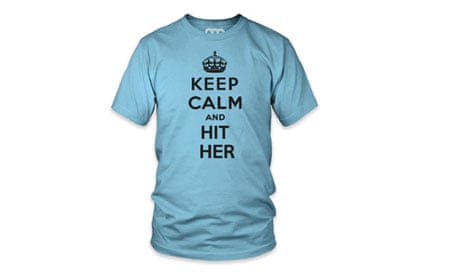
Credit: www.theguardian.com
Business Risks And Brand Image
Selling or allowing offensive T shirts is a risky move for any company or brand.
Why Some Brands Avoid Them
- Public Backlash: Social media can quickly turn a tasteless shirt into a major scandal.
- Loss of Customers: Many people will stop buying from brands they see as hateful or insensitive.
- Legal Trouble: Companies can face lawsuits for promoting hate speech or discrimination.
When Brands Cross The Line
There have been cases where large retailers sold shirts with racist or sexist jokes. In nearly every case, public outrage forced a recall and an apology.
Data Comparison: Brand Impact
Here’s a quick look at how controversies affected major brands:
| Brand | Type of Controversy | Public Reaction | Result |
|---|---|---|---|
| Major retailer A | Racist joke shirt | Viral outrage, boycott calls | Shirt removed, apology issued |
| Online store B | Sexist slogan shirt | Negative press, lost customers | Policy change, loss in sales |
| Fashion brand C | Political insult shirt | Mixed, but polarizing | Split audience, PR crisis |
Non-obvious Insight
Many businesses now use automated filters and staff training to spot offensive designs before they go on sale. This helps prevent expensive mistakes.
Who Buys Offensive T Shirts—and Why?
Understanding the buyers of offensive T shirts helps explain why the market keeps growing.
Buyer Profiles
- Young Adults and Teens: Often want to stand out or rebel.
- Fans of Dark Humor: Enjoy jokes that push limits.
- Political Activists: Use shirts to show strong opinions.
- Collectors: See rare or banned shirts as valuable items.
Motivations Behind The Purchase
- Making a Statement: Some wear offensive shirts to challenge social norms.
- Group Identity: People may wear these shirts to fit in with certain friends or communities.
- Shock Value: The desire to surprise or provoke others.
Example
At music festivals, it’s common to see people in shirts with edgy jokes or bold political claims. For some, it’s about belonging to a certain group.
Data Table: Buyer Motivations
| Buyer Type | Primary Motivation | Typical Settings |
|---|---|---|
| Teenager | Rebellion, humor | School, concerts |
| College student | Political statement, group identity | Campus, rallies |
| Adult collector | Value, nostalgia | Online auctions, private displays |
| Activist | Awareness, protest | Public events, marches |
Design Choices: What Makes A T Shirt Offensive?
Design is the heart of the issue. The right combination of words, images, and colors can turn a normal shirt into a scandal.
Elements That Cross The Line
- Language: Curse words, slurs, or insults.
- Images: Violent, sexual, or disrespectful pictures.
- Symbols: Use of hate symbols or controversial icons.
- Context: Sometimes, a message is only offensive in certain cultures or situations.
Examples
- A shirt with a swear word in large letters.
- An image mocking a religious figure.
- A slogan encouraging violence or discrimination.
Mistakes Designers Make
- Ignoring Cultural Sensitivity: A joke that is funny in one country may be deeply offensive in another.
- Not Testing with Diverse Groups: Skipping feedback from people with different backgrounds leads to blind spots.
- Overusing Shock Value: Trying too hard to be edgy can backfire.
Non-obvious Insight
Many designers don’t realize that color choices can also offend. For example, using certain colors with specific symbols may have hidden meanings in some cultures.
How To Respond When You See An Offensive T Shirt
Offensive shirts can appear anywhere—work, school, or even family gatherings. Knowing how to respond helps keep situations calm and respectful.
Practical Steps
- Stay Calm: Don’t react with anger or insults.
- Consider Context: Is it a public place, private party, or workplace?
- Speak Up if Needed: If the message is hateful or dangerous, politely ask the person to cover up or change.
- Involve Authority: In schools or workplaces, report the issue to someone in charge.
- Protect Yourself: If the shirt feels threatening, move away and seek help.
Example Scenario
At a university event, a student wears a shirt with a racist slogan. Instead of starting a fight, other students notify the event organizers, who handle the situation according to policy.
Key Tip
If you run a business or event, set clear dress code rules and explain them in advance. This reduces confusion and arguments later.
The Role Of Social Media
Social media can turn an offensive T shirt into a global scandal in minutes.
How It Works
- Photos Go Viral: A picture of an offensive shirt spreads quickly, often with strong reactions.
- Public Pressure: Companies and individuals may face calls for apology or punishment.
- Permanent Record: Once online, the image can remain for years, affecting reputations.
Example
A celebrity wears a shirt with a sexist joke. Fans and critics debate online, leading to a public apology and a promise to avoid similar designs.
Data Table: Social Media Effects
| Action | Short-Term Impact | Long-Term Impact |
|---|---|---|
| Viral image | Public outrage, media coverage | Brand damage, lost trust |
| Official apology | Mixed reactions | Possible recovery, but memory lasts |
| Ignoring complaints | Continued anger | Boycotts, lower sales |
Non-obvious Insight
Many people underestimate how quickly a private T shirt choice can become public. Even small businesses or individuals can go viral for the wrong reasons.
Guidelines For Businesses Selling T Shirts
If you sell T shirts, avoiding offensive designs is key to long-term success.
Steps To Reduce Risk
- Review Every Design: Don’t rely only on software filters.
- Get Diverse Opinions: Ask employees from different backgrounds to review new shirts.
- Set Clear Policies: Decide what topics are off-limits—such as hate speech, violence, and explicit content.
- Act Quickly: If a mistake happens, respond fast with an apology and remove the product.
- Educate Staff: Train employees about cultural sensitivity and the risks of offensive content.
Example Policy
A custom T shirt store bans any design that promotes hate, violence, or sexual content. They explain this clearly to customers and offer refunds for rejected orders.
Key Tip
Having a review board or outside consultants can catch issues that automated systems miss.

Credit: www.amazon.com
Ethical Considerations: Freedom Vs. Responsibility
The debate over offensive T shirts often comes down to a conflict between personal freedom and social responsibility.
Arguments For Freedom
- Personal Expression: People should be able to share their views, even if unpopular.
- Challenging Norms: Some say society improves by pushing boundaries.
Arguments For Limits
- Protecting Others: Free speech shouldn’t mean the right to harm or insult.
- Community Standards: Each group or workplace has a right to set rules.
Non-obvious Insight
Most people overestimate how much “freedom” they have in private spaces. Stores, schools, and events can—and often do—set stricter limits than the law.
What To Do If You Are Offended
If you see a shirt that makes you uncomfortable or angry, you have options.
Practical Steps
- Remove Yourself: If possible, walk away to avoid conflict.
- Express Your Feelings: If safe, calmly explain why the shirt is hurtful.
- Report to Authority: In schools or work, tell a manager or teacher.
- Support Others: Stand with people targeted by the message.
Example
In a workplace, an employee reports a coworker’s offensive shirt to HR, leading to a private conversation and a solution.
Key Tip
Try not to assume the person’s intent—sometimes people don’t realize their shirt is offensive until it’s pointed out.
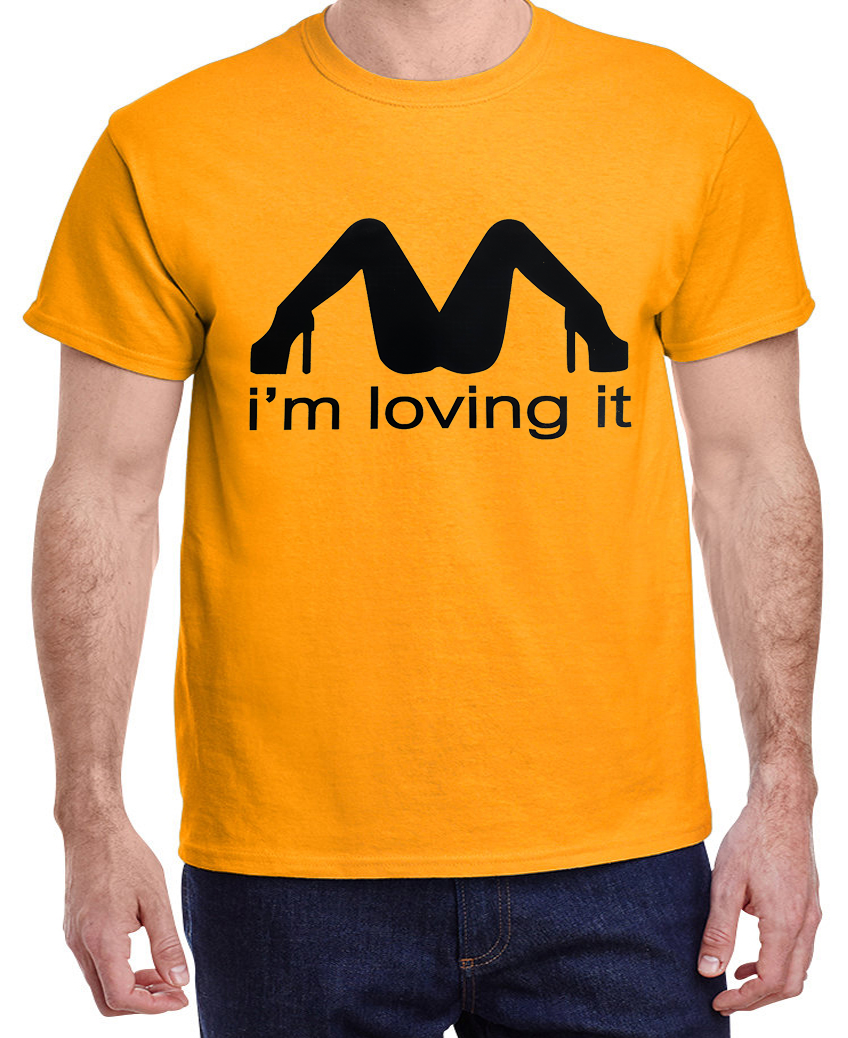
Credit: www.ebay.com
How To Avoid Accidentally Wearing An Offensive T Shirt
Many people wear shirts without realizing their message is hurtful or controversial.
Tips For Safe Choices
- Read the Message Carefully: Think how others might understand it.
- Check the Symbols: Make sure images or logos don’t have hidden meanings.
- Ask Someone: If unsure, show the shirt to a friend from a different background.
- Research: A quick online search can reveal if a design has a bad reputation.
- Consider the Setting: What’s fine at home may not work at school or work.
Non-obvious Insight
Some shirts have double meanings—innocent to some, but offensive to others. Always double-check before wearing something new.
Famous Incidents And Their Lessons
History is full of famous cases where offensive T shirts caused big problems.
Case Studies
- Music Artist at Festival: A singer’s shirt with a violent slogan caused sponsors to pull out, costing the event money.
- Retail Chain Recall: A large store sold shirts with a controversial joke, leading to a social media firestorm and a product recall.
- Sports Event Ban: Fans wearing political shirts were denied entry, sparking debates about free speech.
What We Learn
- Even big brands can make mistakes.
- Quick action and clear policies reduce damage.
- Public reaction is often stronger than expected.
The Future Of Offensive T Shirts
The debate around offensive T shirts isn’t ending soon. As culture changes, so do ideas about what’s acceptable.
Trends To Watch
- AI Review Tools: More companies use software to spot risky designs.
- Changing Social Norms: Younger generations have different views about what’s funny or harmful.
- Personalization: Custom T shirts can make it harder to control offensive content.
- Legal Updates: Laws may become stricter or more flexible over time.
Final Insight
The best way to handle offensive T shirts—whether as a buyer, seller, or bystander—is to stay informed, respect others, and know your rights and responsibilities.
Frequently Asked Questions
What Is Considered An Offensive T Shirt?
An offensive T shirt is any shirt with words, images, or symbols that insult, hurt, or anger certain groups or individuals. This includes content about race, gender, religion, violence, or explicit material.
Can I Wear Offensive T Shirts In Public?
It depends. Public laws protect some forms of expression, but private businesses, schools, and events can set their own rules. If a shirt is seen as promoting hate or violence, you may be asked to change or leave.
Why Do Some People Buy And Wear Offensive T Shirts?
People wear them for many reasons: to be funny, to make a political point, to rebel, or to fit in with a group. Some may not realize their shirt is offensive, while others wear it to shock or provoke.
Are There Any Laws Against Selling Offensive T Shirts?
Yes, in many places, selling shirts with hate speech, threats, or explicit images is illegal. Even when not illegal, businesses can face backlash or lawsuits for selling harmful designs. For more details, see this Wikipedia article.
How Can I Avoid Buying Or Wearing An Offensive T Shirt By Mistake?
Read the message carefully, check for hidden meanings, ask friends for feedback, and do a quick online search. If you’re unsure, choose a safer design, especially for work or public events.
Offensive T shirts will always be a part of fashion and culture, but understanding their impact helps you make smarter, more respectful choices—whether you’re wearing, selling, or just seeing them around you.
