

Graphic Designer T Shirt Ideas to Elevate Your Creative Wardrobe
Graphic Designer T Shirt: Complete Guide to Style, Creation, and Trends
A t-shirt is more than just a piece of clothing. For graphic designers, it is a moving canvas—a way to show personality, promote ideas, and even earn money. The graphic designer t shirt combines art and everyday fashion, making it a unique item in the world of design and apparel. Whether you want to create your own designs, market your brand, or understand what makes a great designer t-shirt, this guide covers everything you need to know.
Many people see t-shirts with creative graphics every day, but few understand what goes into making a design that stands out. Successful graphic designer t shirts require more than just pretty images; they need a mix of creativity, technical skill, and knowledge about printing, fabrics, and the market.
This article will guide you through the essentials, from understanding the basics to exploring advanced techniques and industry trends.
What Is A Graphic Designer T Shirt?
A graphic designer t shirt is a t-shirt featuring a creative design made by a professional or aspiring graphic designer. These shirts often showcase unique artwork, clever typography, or visual statements that reflect the designer’s style or message. Unlike plain t-shirts, designer t-shirts are meant to catch attention and express something special.
These shirts can be made for:
- Personal use (self-expression)
- Promotional use (for brands, events, or causes)
- Commercial sale (in stores or online shops)
The designs may range from simple logos to complex illustrations, but the focus is always on visual impact.
Why Graphic Designer T Shirts Matter
A graphic designer t shirt is not just about looking good. It can:
- Build a brand: Designers use t-shirts to promote their work, style, or business.
- Start conversations: Good designs grab attention and can start discussions.
- Showcase creativity: T-shirts act as portfolios for designers.
- Earn income: Selling t-shirts is a popular way for designers to make money.
- Support causes: Many t-shirts carry messages for social, political, or environmental causes.
People often remember a unique t-shirt design, which makes it a powerful tool for both designers and wearers.

Credit: www.designcrowd.com
Key Elements Of A Great Graphic Designer T Shirt
To make a t-shirt that people want to wear, a designer must pay attention to several important elements. Here’s what matters most:
1. Concept
A strong concept is the heart of any good design. Ask yourself:
- What message do I want to send?
- Who is my audience?
- Is the idea original or meaningful?
A t-shirt with no clear idea will not connect with people. Sometimes, the concept is simple (a funny saying), and sometimes it is deep (a social message), but it must always have purpose.
2. Artwork
The artwork is the visual part—what people first see. For t-shirts, the art should be:
- Clear and easy to understand
- Visually balanced
- High quality (not pixelated or blurry)
Designers often use vector graphics because they scale well and print cleanly. However, hand-drawn or painted styles can also work if digitized correctly.
3. Typography
Many t-shirts rely on words as well as images. Typography should:
- Be readable from a distance
- Match the style of the art
- Use interesting fonts, but not too many (usually 1-2 per design)
Poor font choice or crowded text can ruin a design, even if the artwork is strong.
4. Color Choice
Colors make a big difference. Good color choices can make a design pop, while bad ones make it hard to see. Consider:
- Contrast: Light designs on dark shirts and vice versa
- Number of colors: Fewer colors are cheaper to print
- Meaning: Colors have emotional effects (red = energy, blue = calm)
Always preview your design on the actual shirt color before finalizing.
5. Placement
Where the design goes on the t-shirt matters. Common placements:
- Center chest
- Left or right chest (small logo)
- Full front or back
- Sleeve
Unusual placements can stand out but may cost more to print or wear uncomfortably.
6. Printing Method
Not all artwork prints the same way. The main printing methods are:
- Screen printing: Best for bulk, solid colors, and durability
- Direct-to-garment (DTG): Best for full color, complex images, and small runs
- Heat transfer: Good for photo prints and limited runs
- Sublimation: For all-over prints, mostly on polyester
Choose the method that fits your design, budget, and shirt material.
7. Fabric And Fit
The feel and fit of the shirt affect how people wear it. Popular fabrics:
- Cotton: Soft and breathable
- Polyester: Smooth, good for sports
- Blends: Combine benefits of both
A great design on a poor-quality shirt won’t get worn often.
How To Design A Graphic Designer T Shirt: Step-by-step
Designing a t-shirt is more than opening a design app. Here’s a practical process:
1. Research And Inspiration
Look at current trends, popular t-shirts, and what your target audience likes. Use sites like Behance, Dribbble, and Instagram for ideas. Don’t copy, but learn what works.
2. Brainstorm And Sketch
Start with rough ideas. Sketch by hand or use digital tools. Focus on the main concept before worrying about details.
3. Choose Your Tools
Popular design tools for t-shirts include:
- Adobe Illustrator: Best for vector art
- Photoshop: Good for photo-based or layered designs
- Procreate: Great for hand-drawn art on tablets
- CorelDRAW: Another vector option
Choose the tool you are comfortable with and that fits your design style.
4. Create The Artwork
Build your design in high resolution (usually at least 300 DPI). Use layers for different parts. Keep colors on separate layers if using screen printing.
5. Prepare The File For Printing
Printers often need specific file types (like. AI,. EPS, or high-res. PNG). Remove backgrounds if not needed, use the right color mode (usually CMYK), and double-check sizing.
6. Test Your Design
Mockup your design on a blank t-shirt. Many websites and apps offer free mockup tools. Show your design to friends or colleagues for feedback before printing.
7. Print A Sample
Order one or two shirts first. Check print quality, colors, and fit. Make adjustments before doing a large batch.
Non-obvious Insight:
Always view your design in both large and small sizes. A design that looks good on a screen may look crowded or unclear on a real t-shirt.
Non-obvious Insight:
Consider how the design will age after washing. Too much ink or poor-quality printing can crack and fade, which disappoints buyers.
Most Popular Styles Of Graphic Designer T Shirts
Graphic designer t shirts come in many styles, each with its own audience and purpose.
Minimalist
Clean, simple designs with lots of empty space. Often use just one or two colors and focus on smart ideas rather than busy images.
Vintage/retro
Inspired by older styles—faded colors, worn textures, and classic fonts. These shirts feel nostalgic and are popular with many age groups.
Typography-driven
The message is the main feature. Uses bold fonts, creative layouts, and sometimes hand-lettering. Perfect for quotes, slogans, or brand names.
Illustration-based
Features original drawings, cartoons, or art. These stand out due to the designer’s unique style and are often sold as limited editions.
All-over Prints
The design covers the whole shirt, not just the front. Requires special printing (like sublimation) and is great for bold, artistic statements.
Parody And Pop Culture
Takes well-known images or phrases and gives them a twist. These shirts are funny and often go viral but watch out for copyright issues.
Streetwear
Urban-inspired graphics, often with bold text, logos, or graffiti art. Popular with young audiences and in hip-hop or skate culture.
Artistic/conceptual
Focuses on art for art’s sake. Sometimes abstract, sometimes thought-provoking. Appeals to people who see t-shirts as wearable art.
Comparing Printing Methods For Graphic Designer T Shirts
Choosing the right printing method is critical for quality and cost. Here’s a comparison:
| Printing Method | Best For | Pros | Cons |
|---|---|---|---|
| Screen Printing | Bulk orders, solid colors | Durable, cost-effective for many shirts | Setup costs, limited colors |
| DTG (Direct-to-Garment) | Small runs, complex designs | Full color, no setup fees | Not as durable, slower for large orders |
| Heat Transfer | Photo prints, custom shirts | Good for low quantities, detailed images | Can crack/peel, less breathable |
| Sublimation | All-over prints, polyester shirts | Vivid colors, soft feel | Only works on light polyester, not cotton |
Common Mistakes Designers Make With T Shirts
Even talented designers can make errors. Avoid these common traps:
1. Ignoring Printing Limitations
Bright neon or metallic colors may not print well on all fabrics or with all methods.
2. Using Low-resolution Images
Designs pulled from the internet often look blurry on shirts. Always create or use high-res artwork.
3. Overcrowding The Design
Too much detail makes the shirt hard to read and can become messy after washing.
4. Poor Color Choices
Colors that blend into the shirt or each other make designs hard to see.
5. Sizing Issues
A design that is too big or too small looks awkward. Use mockups to check placement and size.
6. Forgetting About The Audience
A design for teenagers will differ from one for professionals. Know who you’re designing for.
How To Sell Graphic Designer T Shirts
Making a great t-shirt is just the first step. Selling them successfully requires planning and effort.
1. Choose Your Platform
There are many ways to sell t-shirts:
- Online marketplaces: Teespring, Redbubble, Threadless, Merch by Amazon
- Personal website: More control, higher profit, but need to drive traffic
- Social media shops: Instagram and Facebook shops are growing in popularity
- Physical stores or events: Local boutiques, markets, pop-up shops
2. Price Your Shirts
Consider:
- Cost of production (shirt, printing, shipping)
- Market rates for similar shirts
- Target profit
Don’t underprice your work, but stay competitive.
3. Market Your Designs
Use social media, email, and word of mouth. Show your shirts on real people, not just flat images. Share the story behind each design.
4. Handle Orders And Shipping
If you use a print-on-demand site, they will handle this. If you sell yourself, be ready to pack and ship orders quickly.
5. Build A Brand
A strong brand means people remember you and come back for more. Use a unique logo, consistent style, and good customer service.
Non-obvious Insight:
Offering limited editions or numbered prints can create urgency and make your shirts feel more special.
Non-obvious Insight:
Collect feedback from buyers to improve future designs. Many small changes add up to a better, more popular product line.
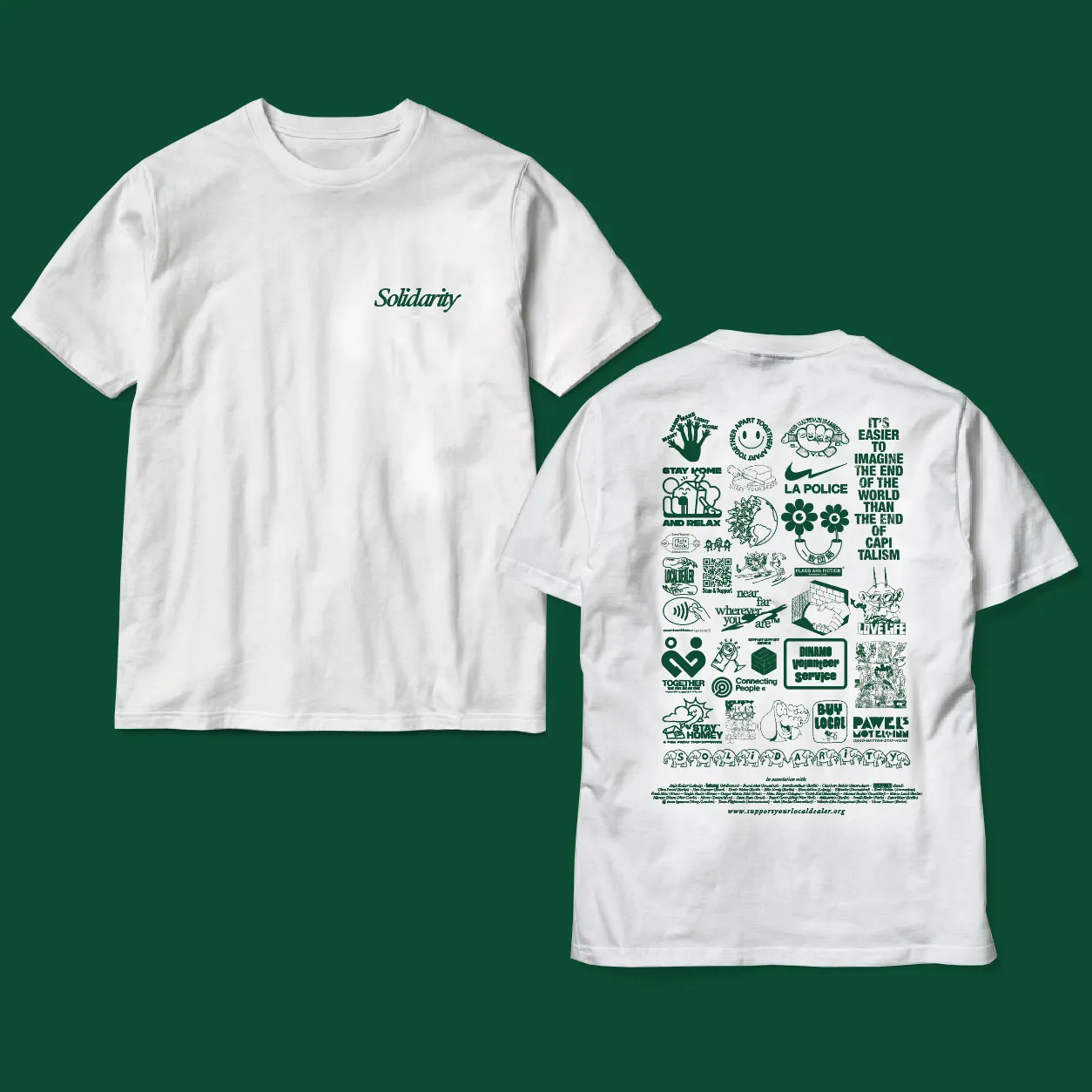
Credit: www.itsnicethat.com
Comparing Top Online Marketplaces For Graphic Designer T Shirts
If you want to sell online, you need to pick the right platform. Here’s a quick comparison:
| Marketplace | Ease of Use | Profit Margin | Audience Size |
|---|---|---|---|
| Teespring | Very easy | Moderate | Large |
| Redbubble | Easy | Low to moderate | Very large |
| Merch by Amazon | Easy for approved sellers | Higher | Huge |
| Threadless | Moderate | Low to moderate | Large |
How To Stand Out As A Graphic Designer T Shirt Creator
With so many t-shirt designs out there, how do you get noticed?
1. Develop A Unique Style
Your style should be recognizable. Maybe you use certain colors, types of humor, or art techniques. Over time, people will look for your designs.
2. Tell A Story
People connect with stories. Share why you made each design, what it means, or what inspired you.
3. Collaborate
Work with other artists, brands, or influencers. This can help you reach new audiences and create more creative designs.
4. Keep Learning
Trends change fast. Stay updated with new printing methods, design tools, and what’s popular in fashion and art.
5. Build A Community
Encourage buyers to share photos of themselves wearing your shirts. Create a hashtag or online group. Loyal fans are your best marketers.
Trends In Graphic Designer T Shirts
Fashion is always changing. Here are some current and ongoing trends in designer t-shirts:
Eco-friendly Materials And Printing
People care more about the environment. Shirts made from organic cotton, recycled materials, or printed with water-based inks are growing in popularity.
Bold Graphics And Colors
Bright, attention-getting designs are in demand. Neon colors, large prints, and surprising images stand out.
Personalization
Custom shirts—like adding your name or choosing colors—are popular. Online shops make this easy.
Nostalgia And Pop Culture
Retro designs and references to music, movies, or video games draw fans who love to show their interests.
Hand-drawn And Imperfect Looks
Designs that feel handmade or feature intentional “mistakes” (like uneven lines) are trendy because they feel authentic.
Social Messages
People wear shirts to share opinions or support causes. Designs that make statements about equality, the environment, or politics are always in demand.
Legal And Copyright Issues
One of the biggest mistakes new designers make is ignoring copyright. If you use someone else’s image, logo, or character without permission, you can get into legal trouble.
- Always create your own artwork.
- If you use stock images or fonts, check the license.
- Parodies are sometimes allowed, but the law is complex—when in doubt, create original work.
For more information on copyright and t-shirt design, visit the Wikipedia Copyright page.
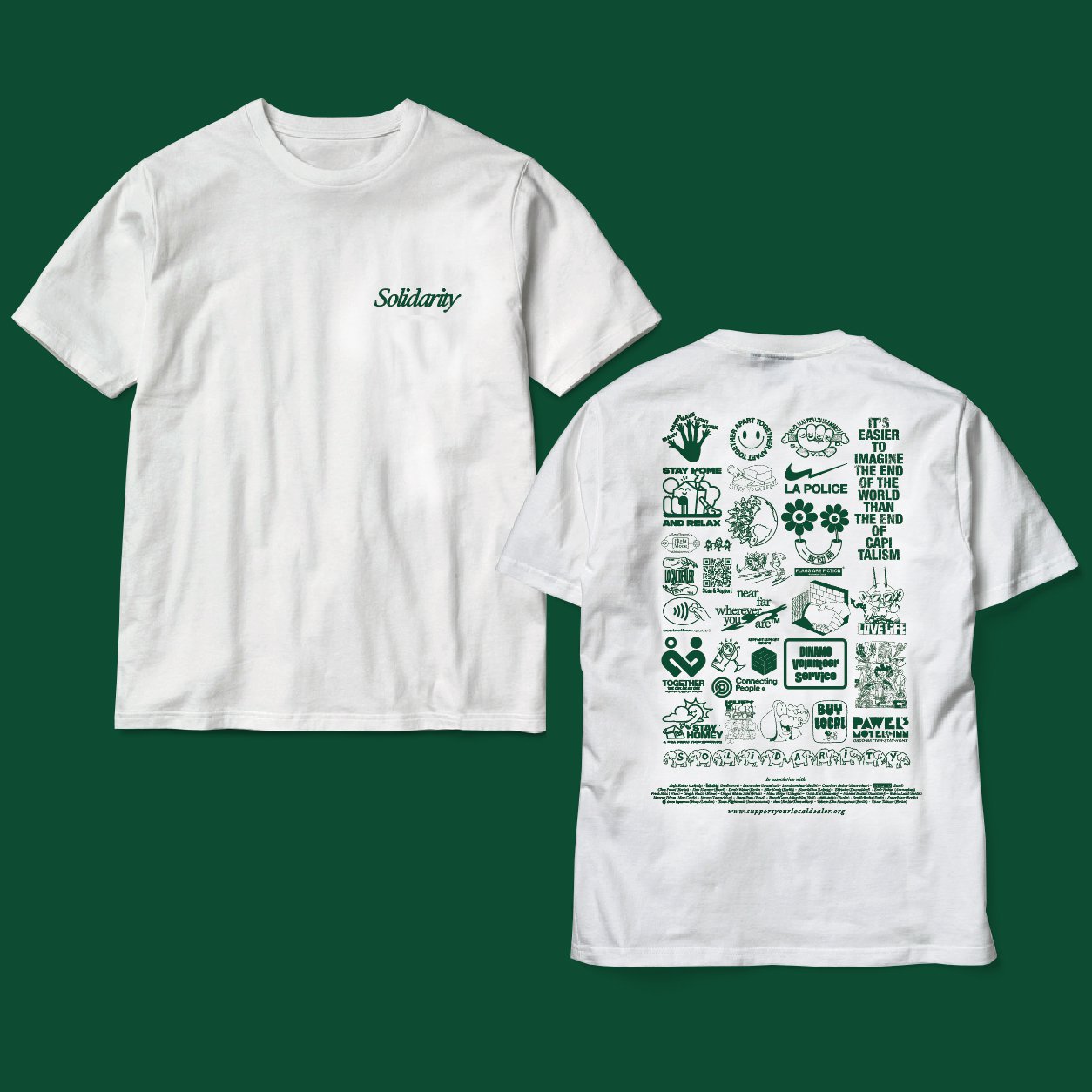
Credit: www.itsnicethat.com
Cost Breakdown: What Goes Into The Price Of A Graphic Designer T Shirt?
Understanding costs helps you price your shirts and make a profit.
| Cost Component | Description | Approximate Impact |
|---|---|---|
| Blank Shirt | The basic t-shirt (brand, fabric, color) | 30-50% |
| Printing | Screen, DTG, or other methods | 20-40% |
| Design | Time, software, or outsourcing | 10-20% |
| Shipping/Packaging | Mailing and packing supplies | 10-15% |
| Platform Fees | Marketplace or payment processor fees | 5-15% |
Real-world Examples Of Successful Graphic Designer T Shirts
Case Study: “obey” Streetwear
The “Obey” t-shirt started as a street art project by designer Shepard Fairey. Using bold graphics and a simple message, the design grew into a global brand. The key was a clear visual style and a message that spoke to a wide audience.
Case Study: “i <3 Ny”
This iconic t-shirt was designed by Milton Glaser. Its simple typography and easy-to-understand message made it famous worldwide. The design shows the power of simplicity and emotional connection.
Case Study: Independent Artists On Redbubble
Many artists use platforms like Redbubble to turn their art into wearable products. By focusing on niche audiences (like pet lovers or science fans), these designers earn steady income and build their brand.
Essential Tips For Beginners
- Start simple. Don’t overcomplicate your first designs.
- Learn basic color theory. Good color choices make a huge difference.
- Test print before selling. Screens and shirts look different.
- Use mockups for marketing. People want to see what the shirt looks like on a person.
- Build a portfolio. Even if you don’t sell right away, keep making and sharing your work.
Frequently Asked Questions
What Makes A Graphic Designer T Shirt Special?
A graphic designer t shirt stands out because it combines art and fashion in a way that expresses ideas, personality, or humor. Unlike mass-produced shirts, these are created with a designer’s unique style and creativity.
How Do I Start Designing My Own T Shirts?
Begin with a clear idea or message. Sketch your concept, then use a design tool like Adobe Illustrator or Photoshop to create your artwork. Make sure to use high-resolution images and test your design on a mockup before printing.
What Is The Best Printing Method For Small Batches?
Direct-to-garment (DTG) printing is often the best for small batches. It allows for full-color, detailed designs without setup costs. For larger batches, screen printing may be more cost-effective.
How Can I Avoid Copyright Problems?
Always create original artwork or use resources with the correct licenses. Avoid copying logos, characters, or famous images. If you are inspired by something, make sure your design is clearly different and unique.
Where Can I Sell My Graphic Designer T Shirts Online?
Popular options include Redbubble, Teespring, Merch by Amazon, and your own website. Each platform has different fees, audiences, and rules, so choose the one that fits your needs.
A graphic designer t shirt can be more than just clothing—it’s a way to share your creativity with the world, build a brand, and even start a business. With the right approach, knowledge, and originality, anyone can create shirts that people love to wear and talk about.
