

Most Sustainable Workout Clothes: Top Eco-Friendly Brands 2024
Most Sustainable Workout Clothes
Choosing the right workout clothes is about more than just style and comfort. Today, many people want their fitness gear to be good for the planet, too. Sustainable workout clothes are becoming a top choice for those who care about the environment and want to make responsible purchases.
But what does “sustainable” really mean when it comes to activewear? And how do you know which brands and materials are truly eco-friendly? This article explains everything you need to know about the most sustainable workout clothes, from what to look for to the best brands and materials.
You’ll also learn practical tips, surprising facts, and ways to avoid common mistakes.
What Makes Workout Clothes Sustainable?
To understand sustainable workout clothes, it helps to break down what makes a garment eco-friendly. Not all “green” claims are equal, so look for these key factors:
- Materials: Sustainable activewear uses fibers that are recycled, organic, or made from renewable resources.
- Production: Eco-friendly brands reduce water, energy, and chemical use during manufacturing.
- Longevity: Durable clothes last longer, reducing waste and replacement needs.
- Ethics: Fair labor practices and safe working conditions are essential.
- End of Life: Clothes that can be recycled or safely biodegrade create less landfill waste.
Non-obvious insight: Some brands use “eco” labels even if only a small part of the product is sustainable. Always check for full transparency about materials and processes.
Top Sustainable Materials For Workout Clothes
The fabric of your workout gear matters more than you might think. Some materials are much better for the planet than others, both in how they’re made and what happens when you’re done with them.
Recycled Polyester (rpet)
Many sustainable workout clothes use recycled polyester, often made from old plastic bottles. This process keeps plastic waste out of landfills and reduces the need for new, fossil-fuel-based polyester. However, washing synthetic fabrics can release microplastics, so use a microfiber filter bag in the laundry to catch tiny fibers.
Organic Cotton
Organic cotton is grown without harmful pesticides or synthetic fertilizers. It uses less water and energy than regular cotton. Look for GOTS (Global Organic Textile Standard) certification to ensure real organic practices.
Tencel™ Lyocell
TENCEL™ is a brand name for lyocell, a fiber made from wood pulp (usually eucalyptus). The production process is closed-loop, meaning most water and chemicals are reused. The result is a soft, breathable, and biodegradable fabric.
Recycled Nylon
Recycled nylon often comes from old fishing nets and fabric scraps. It’s strong and elastic, making it great for leggings and sports bras. Using recycled nylon prevents more plastic from ending up in the ocean.
Hemp
Hemp is a natural fiber that grows quickly, needs little water, and doesn’t require pesticides. It’s tough, breathable, and becomes softer with each wash.
Bamboo Viscose
Bamboo grows fast and needs no pesticides, but the way it’s turned into fabric can use harsh chemicals. Look for bamboo lyocell, made using safer methods.
Merino Wool
Merino wool is renewable and biodegradable. It wicks moisture, resists odors, and can be worn year-round. Choose brands that use responsible wool standards.
Comparison Of Popular Sustainable Materials
Here’s a quick look at how key sustainable fabrics compare:
| Material | Eco-Friendliness | Durability | Comfort |
|---|---|---|---|
| Recycled Polyester | High (saves plastic waste) | Very Durable | Good |
| Organic Cotton | High (no chemicals) | Medium | Soft, Breathable |
| TENCEL™ Lyocell | Very High (closed loop) | Medium | Very Soft |
| Hemp | Very High (low impact) | High | Breathable |
| Bamboo Viscose | Medium (depends on process) | Medium | Silky Soft |
Practical tip: If you want sustainability and performance, blends like recycled polyester with organic cotton can offer the best of both worlds.
Leading Sustainable Workout Clothes Brands
Many brands now offer eco-friendly activewear, but only a few go the extra mile. Here are some of the most respected names in sustainable workout clothes:
1. Patagonia
Patagonia is a pioneer in environmental responsibility. Over 80% of their materials are recycled, and they make it easy to repair or recycle old clothes. Their Fair Trade certification ensures ethical production, and they push for transparency in every step.
2. Girlfriend Collective
Girlfriend Collective makes leggings, bras, and shorts from recycled plastic bottles and fishing nets. Their packaging is 100% recycled and recyclable. They are open about their factories and labor practices.
3. Allbirds
Allbirds is famous for shoes, but their activewear uses TENCEL™, recycled wool, and other low-impact materials. Their products carry a carbon footprint label, so you know the impact of each purchase.
4. Prana
prAna uses organic cotton, recycled polyester, and hemp. They were one of the first brands to use Fair Trade Certified™ factories. Their clothes are tough and stylish, suited for both yoga and outdoor adventures.
5. Outdoor Voices
Outdoor Voices combines recycled and responsibly sourced materials, including recycled polyester and Merino wool. Their “RecReovry” program takes back old clothes for recycling.
6. Wolven
Wolven creates bold prints and comfortable fits from recycled PET bottles. Their closed-loop system means they recycle their own products, too.
7. Pact
Pact is all about organic cotton basics. Their manufacturing is GOTS certified, and their water use is much lower than conventional brands.
8. Boody
Boody uses organic bamboo and is OEKO-TEX certified, meaning their fabrics are free of harmful chemicals. Their business is carbon neutral.
9. Tentree
tentree plants ten trees for every item sold. Their activewear uses TENCEL™, recycled polyester, and organic cotton. They are B Corp certified, a sign of high ethical standards.
10. Adidas (parley Line)
Adidas, in partnership with Parley for the Oceans, creates performance workout gear from recycled ocean plastic. Their shoes and shirts help keep waste out of the sea.
Brand Comparison: Sustainability, Materials, And Ethics
To help you choose, here’s a side-by-side look at how these brands perform:
| Brand | Main Sustainable Materials | Ethical Certification | Unique Approach |
|---|---|---|---|
| Patagonia | Recycled polyester, organic cotton | Fair Trade, B Corp | Repair & recycle programs |
| Girlfriend Collective | Recycled PET, recycled nylon | SA8000, OEKO-TEX | Full supply chain transparency |
| Allbirds | TENCEL™, recycled wool | B Corp | Carbon footprint labeling |
| prAna | Organic cotton, recycled polyester, hemp | Fair Trade | Early Fair Trade adopter |
| Outdoor Voices | Recycled polyester, Merino wool | None listed | Clothing take-back program |
| Wolven | Recycled PET | Climate Neutral | Closed-loop recycling |
| Pact | Organic cotton | GOTS | Carbon-neutral shipping |
| Boody | Organic bamboo | OEKO-TEX | Zero waste factories |
| tentree | TENCEL™, recycled polyester | B Corp | Tree planting for each item |
| Adidas (Parley) | Recycled ocean plastic | None listed | Large-scale waste reduction |
Non-obvious insight: Smaller brands often lead in innovation and transparency. Look beyond the biggest names to discover new ideas in sustainability.
How To Choose The Most Sustainable Workout Clothes
Picking sustainable workout clothes can feel confusing. Here are steps to make the best choice for your body, budget, and the planet.
1. Check The Label
Look for details, not just buzzwords. A real sustainable item will list specific materials (like “100% recycled polyester”) and certifications (such as GOTS, OEKO-TEX, or Fair Trade).
2. Research The Brand
A quick online search can show if a brand is serious about sustainability. Check their website for information on materials, factories, and ethical standards. Brands that avoid clear answers may not be as green as they claim.
3. Think About Durability
Sustainable doesn’t just mean “eco-friendly. ” Clothes that last longer are better for the planet, even if they cost a bit more. Read reviews or ask friends about how well an item holds up after many washes.
4. Consider End Of Life
Can you recycle, compost, or donate the item when you’re done? Brands with take-back programs or that use biodegradable fibers help close the loop on waste.
5. Look At Care Instructions
Some sustainable materials need gentle washing. If you know you won’t hand wash or line dry, pick fabrics that fit your lifestyle.
6. Avoid Fast Fashion Traps
Low prices and frequent new collections often mean cutting corners on both ethics and the environment. It’s better to buy fewer, higher-quality pieces.
Decision Table: What Matters Most?
Here’s a quick tool to help you focus on what’s important for your values:
| Priority | Best Material/Brand Feature | Tip |
|---|---|---|
| Lowest environmental impact | TENCEL™, hemp, recycled polyester | Choose closed-loop or organic processes |
| Ethical labor | Fair Trade, B Corp certified brands | Look for clear factory info |
| Long-lasting wear | Recycled nylon, hemp blends | Check for durability reviews |
| Easy care | Recycled polyester, organic cotton | Machine wash safe |
| End-of-life solutions | Recycling programs, biodegradable fibers | Ask about take-back programs |
Common Myths And Mistakes About Sustainable Activewear
Myth 1: All “eco” Clothes Are 100% Sustainable
Many products with “eco,” “green,” or “conscious” labels are only partly sustainable. For example, a shirt might have 10% recycled material but call itself “eco-friendly. ” Always read the full label and brand information.
Myth 2: Natural Fibers Are Always Better
Cotton and bamboo are natural, but if grown with pesticides or processed with harsh chemicals, they can harm the environment. Look for organic or certified options.
Myth 3: Sustainable = Expensive
While some eco-brands cost more upfront, their clothes often last longer. Also, buying fewer, better pieces saves money over time. Some brands now offer affordable sustainable options.
Mistake: Ignoring Microfiber Pollution
Even recycled polyester releases tiny plastic fibers when washed. Use a microfiber-catching laundry bag or filter to reduce pollution.
Mistake: Overlooking Care Needs
Some materials need gentle handling. If you ignore washing or drying instructions, clothes can wear out faster, wasting the resources that went into making them.
Mistake: Believing Big Brands Are Always Worse
Some large companies (like Adidas) are making real efforts in sustainability, especially with large-scale recycling. Check the facts for each brand.
Pro tip: Always ask yourself: “Will I wear this often?” The most sustainable item is the one you use the most.
How Sustainable Workout Clothes Impact The Planet
Wearing sustainable activewear goes beyond personal comfort. It helps in several important ways:
- Less Pollution: Eco-friendly materials use fewer chemicals and less water.
- Less Waste: Recycled and long-lasting clothes keep trash out of landfills.
- Cleaner Oceans: Brands that recover ocean plastic or recycle fishing nets prevent pollution.
- Fair Jobs: Ethical brands support safe, fair jobs in their supply chains.
- Lower Carbon Footprint: Many sustainable options use less energy, and some brands are carbon neutral.
Surprising fact: Making one polyester T-shirt from recycled bottles can save enough energy to power a light bulb for three days.

Credit: www.thegoodtrade.com
How To Care For Sustainable Workout Clothes
Taking care of your sustainable activewear helps it last longer and stay green.
Wash Cold And Gentle
Cold water uses less energy and helps fabrics keep their shape. Use gentle cycles to avoid stretching or damaging fibers.
Avoid The Dryer
High heat can weaken elastic fibers and shrink clothes. Air drying is best. If you must use a dryer, choose low heat.
Use Eco-friendly Detergents
Pick biodegradable, fragrance-free detergents to avoid adding chemicals to wastewater.
Wash Less Often
Workout clothes don’t always need to be washed after every wear, especially if you didn’t sweat heavily. Air them out between uses.
Use A Microfiber Filter
If you own synthetic gear (recycled or not), use a microfiber-catching bag or install a washing machine filter to stop microplastics from reaching waterways.
Advanced tip: Turn clothes inside-out before washing to reduce pilling and fading.
When To Replace Your Workout Clothes
Sustainable clothes are made to last, but eventually, everything wears out. Here’s how to know when it’s time to say goodbye—and what to do next.
Signs It’s Time To Replace
- Holes or tears that can’t be repaired.
- Elastic that’s stretched out and doesn’t recover.
- Odors or stains that won’t go away.
- The fabric is see-through, thin, or misshapen.
What To Do With Old Clothes
- Repair: Fix small holes or loose seams.
- Donate: If still wearable, donate to charities or resale shops.
- Recycle: Many brands have take-back programs for recycling.
- Compost: Natural, untreated fibers like organic cotton or hemp can be composted if cut into small pieces.
Non-obvious insight: Some cities have textile recycling bins that accept unwearable clothes—check your local waste management website.
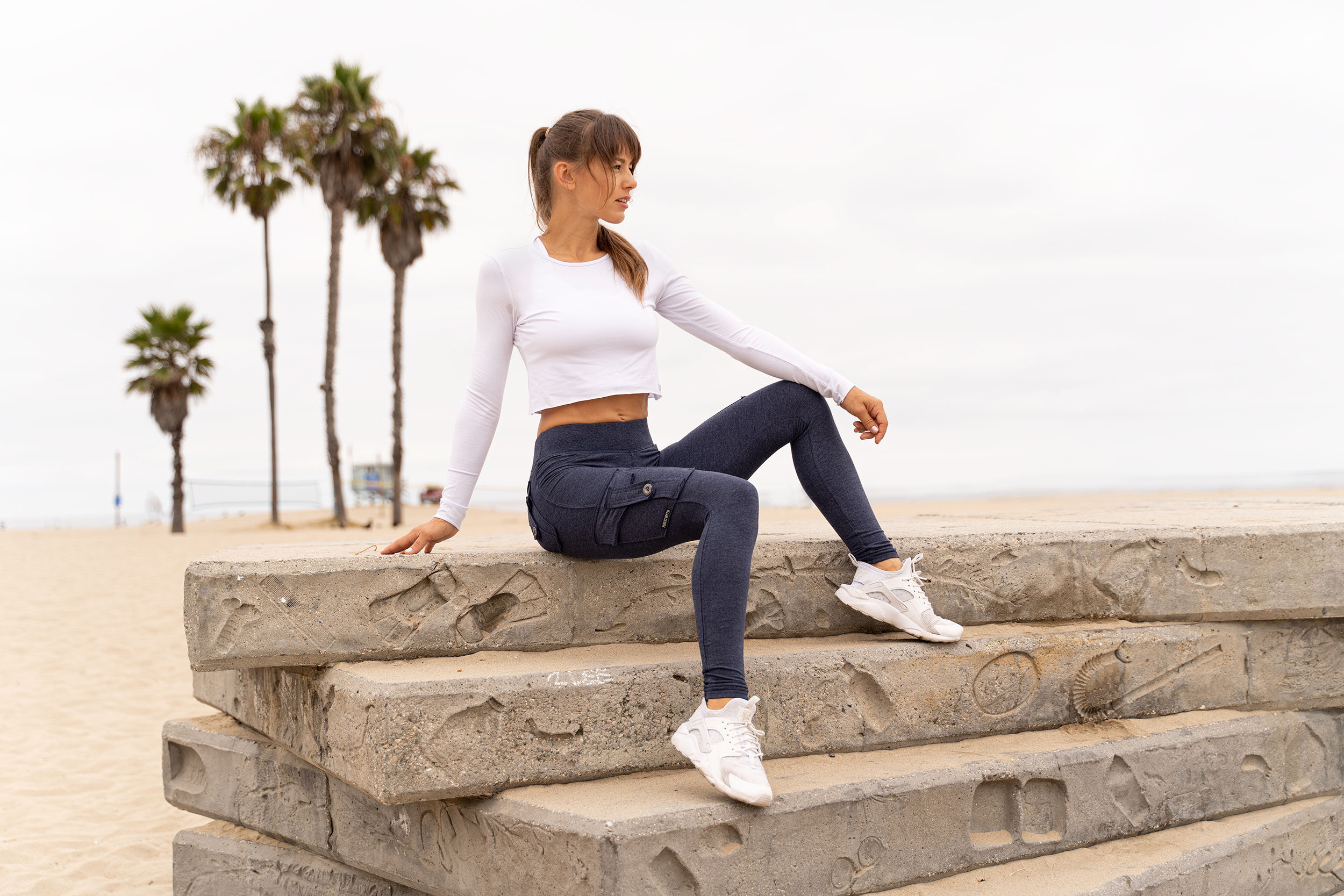
Credit: publicmyth.com
The Future Of Sustainable Workout Clothes
Sustainable activewear is changing fast. New technology and smarter production are making eco-friendly options better every year.
Innovations To Watch
- Bio-based fibers: Some brands are testing fibers made from algae or mushrooms, which grow quickly and biodegrade easily.
- Waterless dyeing: New methods use almost no water to color fabrics, saving thousands of gallons per batch.
- Circular design: Clothes are being made to be taken apart and recycled at the end of life—true “cradle to cradle” fashion.
The Role Of Consumers
Your choices matter. Every time you buy sustainable workout clothes, you support better practices. Sharing your experiences with friends or on social media also spreads awareness and puts pressure on more brands to improve.
Extra tip: Sign up for brand newsletters to hear about new eco materials and recycling programs.
Frequently Asked Questions
What Are The Best Materials For Sustainable Workout Clothes?
The best materials are recycled polyester, organic cotton, TENCEL™ Lyocell, hemp, and recycled nylon. Each offers a balance of performance, comfort, and low environmental impact. Always check for certifications like GOTS or OEKO-TEX for added assurance.
How Do I Know If A Brand Is Truly Sustainable?
Look for clear information on their website about materials, certifications (like Fair Trade or B Corp), and factory conditions. Brands that avoid details or use vague terms may not be as sustainable as they claim. Independent reviews and third-party reports can also help.
Are Sustainable Workout Clothes As Durable As Regular Activewear?
Yes, and sometimes more so. Brands focused on sustainability often use high-quality materials and better construction. For example, hemp and recycled nylon are known for their strength. Always read care labels and follow washing instructions to extend the life of your clothes.
Why Are Some Sustainable Workout Clothes More Expensive?
Eco-friendly materials and ethical labor often cost more to produce. However, these clothes usually last longer and perform better. Buying fewer, higher-quality pieces can save money over time, and you support better practices for people and the planet.
What Should I Do With My Old Workout Clothes?
If they’re still wearable, donate or sell them. For items that are worn out, check if the brand offers a take-back or recycling program. Some fabrics, like organic cotton or hemp, can be composted if they’re not blended with synthetics.
Local textile recycling programs are also a good option.
Sustainable workout clothes are about making choices that are better for your body, your wallet, and the world. By understanding materials, brands, and how to care for your gear, you can build a workout wardrobe that matches your values—without giving up performance or style. For more in-depth information on sustainable textiles, you can visit Fashion Revolution.
Your next workout can be a small step toward a healthier planet. Choose wisely, wear proudly, and enjoy the comfort of knowing your gear is working as hard for the earth as it is for you.

Credit: www.thegoodtrade.com
