

Most Comfortable Activewear: Top Picks for Ultimate All-Day Comfort
Most Comfortable Activewear
Activewear has changed the way people move, sweat, and feel every day. Whether you run, stretch, lift weights, or just want to stay cozy at home, the clothes you wear make a big difference. Comfortable activewear is not just about soft fabric.
It is about fit, breathability, support, and even style. But with so many choices, finding the most comfortable activewear can be overwhelming.
This guide will help you understand what makes activewear truly comfortable. You will learn about the best materials, fits, top brands, real-world examples, and practical tips to choose the right gear for your body and lifestyle. Let’s explore how you can make every workout, walk, or rest day feel better with the right activewear.
What Makes Activewear Comfortable?
Comfort in activewear is not a single feature. It comes from a mix of qualities working together. If one is missing, the whole experience feels off. Here’s what you need to look for:
- Fabric: The material touches your skin all day. Soft, stretchy fabrics like modal, nylon blends, and bamboo are favorites. Some clothes use special knits to wick sweat and keep you cool.
- Fit: Good activewear moves with you. Clothes should be snug but not tight, with enough stretch for every move. Look for a “second skin” feel that never pinches or sags.
- Breathability: If your gear traps heat or sweat, you feel sticky and uncomfortable fast. Mesh panels, airy weaves, and technical fibers help keep you dry.
- Support: For some, especially during high-impact sports, support is key. Sports bras, leggings with compression, and tops with built-in shelf bras add comfort and confidence.
- Seam Construction: Flatlock or bonded seams reduce rubbing and chafing. This is especially important for runners or anyone moving for long periods.
- Waistbands and Cuffs: Wide, soft waistbands stay in place without digging in. Cuffs that don’t squeeze help avoid marks on your skin.
- Tagless Design: Many brands now use printed labels or no tags at all, avoiding itch and irritation.
- Odor Control: Some materials have anti-microbial treatments to keep clothes fresher longer.
Non-obvious insight: High-quality activewear often uses a mix of fibers. For example, polyester for durability, spandex for stretch, and rayon for softness. Pure cotton feels great but holds sweat, so blends are usually better.
Popular Types Of Activewear And Their Comfort Features
Activewear is not one-size-fits-all. Different activities need different clothes. Here are the main types and what makes each comfortable:
Leggings And Tights
Leggings are popular for yoga, running, gym, and lounging. The best ones use four-way stretch fabric, have a wide waistband, and are squat-proof (not see-through when you bend).
- Yoga leggings: Soft, flexible, and seamless designs.
- Running tights: Breathable, light compression, sweat-wicking.
- Everyday leggings: Thicker material, often with pockets.
Tip: Look for leggings with a gusseted crotch to prevent seams from digging in.
Sports Bras
Support and comfort are key. Features that matter:
- Encapsulation and compression: Holds each breast or compresses together.
- Adjustable straps: Customize the fit.
- Wide underband: For stability without digging.
- Moisture-wicking lining: Reduces chafing.
High-impact bras are best for running or jumping. Low-impact ones work for yoga or walking.
Tops And Tees
Tops for workouts should be lightweight, breathable, and quick-drying. Racerback tanks, loose tees, or fitted shirts all have their place.
- Mesh panels: Extra airflow.
- Raglan sleeves: Better arm movement.
- Stretchy hems and cuffs: Prevent ride-up during activity.
Shorts
Active shorts should never bunch or chafe. Key features:
- Built-in liners: Prevent rubbing and offer coverage.
- Split sides: For more movement.
- Drawstring waist: Adjustable comfort.
Jackets And Hoodies
For warming up or cooling down, comfort comes from light insulation and moisture management.
- Thumbholes: Keep sleeves in place.
- Ventilation zips: Control airflow.
- Soft fleece lining: Adds coziness.
Socks
People often forget that socks matter. The best active socks are seamless, padded in key spots, and use moisture-wicking fibers.
Non-obvious insight: If your feet sweat a lot, look for socks with silver or copper threads, which help control odor.
Best Fabrics For Comfortable Activewear
Choosing the right fabric is one of the most important steps to staying comfortable. Here is a look at the best options and why they work:
| Fabric | Comfort Benefits | Best For |
|---|---|---|
| Polyester | Durable, dries fast, lightweight | Running, HIIT, gym |
| Spandex (Lycra/Elastane) | Extreme stretch, shape retention | Leggings, bras, fitted tops |
| Nylon | Soft, smooth, moisture-wicking | Yoga, pilates, everyday |
| Bamboo | Soft, natural feel, anti-odor | Yoga, low-impact activities |
| Modal | Silky, breathable, eco-friendly | Lounging, light activity |
| Merino Wool | Regulates temperature, odor-resistant | Outdoor activities, cold weather |
Not all fabrics work for all activities. For example, merino wool is excellent for hiking in cold weather, but too warm for hot yoga. Polyester blends are most common for general workouts because they balance comfort, stretch, and sweat control.
Practical tip: Always check the percentage of spandex in leggings or bras. More spandex (10-20%) means more stretch, but too much can make the fabric less durable.
Top Brands Known For Comfortable Activewear
Some brands have built their reputation on comfort. They use advanced materials, thoughtful design, and feedback from athletes and everyday users.
- Lululemon: Famous for its “Align” leggings, which many call the softest and most comfortable. They use a unique Nulu fabric that feels weightless.
- Athleta: Focuses on inclusivity and comfort, with a wide range of sizes and soft, supportive fabrics. Their Powervita line is a standout.
- Nike: Known for sweat-wicking Dri-FIT technology, Nike offers a full range of comfortable options for all sports.
- Under Armour: Uses HeatGear and ColdGear to keep you comfortable in any weather.
- Outdoor Voices: Their “CloudKnit” and “TechSweat” lines are soft and stretchy, perfect for studio and street.
- Alo Yoga: Loved for seamless, soft yoga gear and stylish designs.
- Vuori: Uses DreamKnit fabric for a super-soft, lounge-to-gym feel.
- Reebok: Affordable, reliable comfort for training and everyday wear.
- Sweaty Betty: UK brand famous for supportive, stylish leggings that never sag.
- Girlfriend Collective: Sustainable, compressive, and surprisingly soft. Made from recycled bottles.
Non-obvious insight: Many premium brands now offer “second skin” lines, but the biggest comfort upgrade often comes from mid-range brands updating their fabric blends. Always try on new releases—even lower-cost options can outperform older premium lines.

Credit: themomedit.com
Comfort Comparison: Popular Leggings
To help you compare, here’s how some top leggings stack up for comfort:
| Brand & Model | Main Fabric | Comfort Features | Best For |
|---|---|---|---|
| Lululemon Align | Nulu (nylon/spandex) | Weightless, buttery-soft, wide waistband | Yoga, daily wear |
| Athleta Salutation | Powervita (nylon/lycra) | Peachy-soft, flexible, supportive | Pilates, all-day comfort |
| Nike One Luxe | Polyester/spandex | Sweat-wicking, smooth seams | Gym, running |
| Outdoor Voices Core | TechSweat (polyester/spandex) | Cool, stretchy, holds shape | HIIT, cardio |
| Girlfriend Collective Compressive | Recycled polyester/spandex | Thick, supportive, eco-friendly | Squats, all sizes |
How To Choose The Most Comfortable Activewear For Your Body
Everyone’s body is different, so what feels good on one person might not on another. Here’s a step-by-step guide to finding your best fit:
1. Know Your Measurements
Take time to measure your bust, waist, hips, and inseam. Compare these with the size chart for each brand. Don’t guess your size—sizes vary between brands.
2. Decide On Fit Preference
- Fitted: For yoga, running, or cycling. Feels like a second skin.
- Relaxed: For walking, pilates, or lounging. Offers more airflow.
- Compression: Supports muscles, can help reduce fatigue, but may feel tight.
Try both fitted and relaxed styles to see which feels better for your activities.
3. Focus On High-touch Areas
- Waistband: Should not roll down or dig in.
- Armpits: Sleeves should not chafe or restrict movement.
- Legs and ankles: Leggings shouldn’t bunch or leave marks.
4. Test Movement
Do a few squats, stretches, or jumps in the dressing room. Comfortable activewear moves with your body, without pinching or riding up.
5. Mind The Details
- Pockets: Are they secure and smooth?
- Seams: Are they flat and non-irritating?
- Labels: Tagless is best, or easy to cut out.
Practical tip: If you are between sizes, size up for comfort, especially in bras and leggings.
Real-world Examples: Comfort In Different Activities
Comfort is not the same for every sport or use. Here are examples of what works best in real life:
Yoga
- Lululemon Align leggings and Athleta Conscious Crop top: Stay in place during all poses, soft on skin, breathable.
- Manduka eKO yoga mat: Even your mat matters—soft grip, no slip.
Running
- Nike Tempo shorts and Brooks Dare crossback bra: Lightweight, sweat-wicking, smooth seams prevent chafing.
- Balega Hidden Comfort socks: Extra padding for long miles.
Gym Workouts
- Under Armour HeatGear leggings and Adidas Techfit tank: Compression without restriction, keeps sweat away.
- Outdoor Voices Doing Things bra: Stays put during HIIT.
Lounging
- Vuori Performance Joggers and Beyond Yoga Spacedye tank: Feels like pajamas but looks put-together.
- Aerie Real Me leggings: Soft, flexible, easy to wear all day.
Hiking
- Patagonia Capilene Cool trail shirt and Prana Halle pants: Sun protection, odor control, and lots of stretch.
- Darn Tough hiking socks: Merino wool keeps feet dry and blister-free.
Non-obvious insight: For all-day comfort, bring a change of top if you sweat a lot. Even the best fabrics have limits after hours of wear.
Common Mistakes When Shopping For Comfortable Activewear
- Choosing Style Over Function: Cute prints are fun, but always check the fabric and seams first.
- Ignoring Size Charts: Sizes change between brands. Always check, even if you “know” your size.
- Forgetting About Return Policies: Try on at home and move around. Good stores let you return after a test fit.
- Not Considering Wash Care: Some fabrics need gentle washing. If you use a dryer, pick items that won’t shrink or pill.
- Buying Too Few Pieces: With only one or two outfits, you’ll wear them out fast or skip workouts. Buy enough for your weekly routine.
Practical tip: When in doubt, read user reviews. People often mention real comfort issues that brands do not advertise.
Credit: spanx.com
Caring For Your Comfortable Activewear
To keep your gear soft, stretchy, and long-lasting, proper care matters more than you think:
- Wash in cold water: Hot water can break down elastic fibers.
- Skip fabric softener: It blocks sweat-wicking and can make fabric stiff.
- Air dry: High heat damages stretch fibers.
- Wash inside out: Protects the outside surface.
- Use a laundry bag: Prevents snagging in the washer.
Non-obvious insight: Washing less often is okay if you let clothes air out after use, especially with anti-odor fabrics. Over-washing wears out soft fibers faster.
Latest Innovations In Comfortable Activewear
Activewear technology keeps improving. Here are a few advances making gear more comfortable than ever:
Seamless Construction
Brands now use knitting machines to make leggings and tops with almost no seams. Fewer seams mean less chafing and more stretch.
Adaptive Fabrics
Some activewear uses “smart” fibers that open up to release heat and close up to keep you warm. Others adjust compression as you move.
Sustainable Comfort
Many brands use recycled fibers, bamboo, or TENCEL™ for eco-friendly comfort. These fabrics are soft, breathable, and often anti-odor.
Personalization
Some companies offer “custom fit” options. You enter your measurements online, and they make clothes just for you.
Odor-resistant Technology
Silver, copper, or carbon fibers prevent bacteria growth. You can wear these clothes longer without smell.
Practical tip: Try new technologies, but buy one piece before switching your whole wardrobe. Not every innovation suits every person.
Comparison: Compression Vs. Relaxed Fit
It helps to understand the comfort trade-offs between compression and relaxed-fit activewear:
| Feature | Compression Fit | Relaxed Fit |
|---|---|---|
| Support | High (muscle support, reduces bounce) | Low to medium |
| Freedom of Movement | High (stretches with you, but tight) | Very high (looser, airy) |
| Best For | Running, HIIT, cycling | Yoga, walking, lounging |
| Chafing Risk | Low (if seams are flat) | Higher (can bunch up) |
| Warmth | Can be warmer | Cooler, more airflow |
Advice: Try both styles for your main activities. Most people find they like compression for high-impact sports and relaxed for casual use.
How To Test Activewear Comfort Before Buying
Don’t rely only on how clothes look or feel on the hanger. Here’s how to test before you buy:
- Move Around: Do squats, stretches, or arm circles in the fitting room.
- Check Opacity: Bend over in leggings to check for see-through spots.
- Feel the Seams: Run your hands inside; rough seams will be worse during activity.
- Try the Waistband: Sit, stand, and jump. It should stay put without digging.
- Look for Wrinkles and Bunching: If the fabric wrinkles up, it may not stay smooth during wear.
Practical tip: If you shop online, buy from stores with free returns. Order two sizes if you’re unsure and return the one that fits less comfortably.
The Role Of Style In Comfortable Activewear
Comfort is not only physical. Feeling good about how you look adds to overall comfort, especially in a group class or gym.
- Color and Print: Some find bold colors energizing, others prefer neutrals.
- Length and Coverage: Cropped tops or longline bras, high-waisted or mid-rise leggings—choose what feels secure.
- Trendy Details: Cutouts, mesh panels, or pockets can be both stylish and functional.
Practical tip: Pick a style that makes you feel confident. If you love your outfit, you’re more likely to move and enjoy your activity.
Where To Buy The Most Comfortable Activewear
You can find comfortable activewear online, in big box stores, or at specialty shops. Here’s how to make the most of each option:
- Brand Stores: Best for trying on and getting help with fit.
- Online Retailers: More variety, often better sales, but check return policies.
- Sporting Goods Stores: Good if you want to compare many brands at once.
- Discount Stores: Sometimes carry past-season or overstock from premium brands at lower prices.
Non-obvious insight: Sign up for brand newsletters. You’ll get early notice about new comfort lines or fabric innovations.
Sustainable And Ethical Choices
Comfort does not have to cost the planet. Many brands now use recycled materials, fair labor, and eco-friendly dyes.
- Girlfriend Collective: Uses recycled bottles and ethical factories.
- Patagonia: Known for fair labor and recycled materials.
- Pact: Organic cotton, fair trade certified.
- Allbirds: Sustainable wool and tree fiber apparel.
If sustainability is important to you, check a brand’s certifications and supply chain. For more on sustainable practices, see Fashion Revolution.
Practical tip: Sustainable gear can be more expensive, but it often lasts longer and feels better on your skin.
Frequently Asked Questions
What Is The Softest Fabric For Activewear?
Modal, bamboo, and some nylon blends are known as the softest activewear fabrics. Modal and bamboo feel like silk and are gentle on sensitive skin. For leggings and bras, the “Nulu” blend (used by Lululemon) is often described as buttery-soft.
How Can I Prevent Activewear From Riding Up Or Slipping Down?
Choose the right size and look for wide, high-rise waistbands or adjustable features. Compression fabrics also help keep clothes in place. For shorts, built-in liners can prevent riding up.
Are Expensive Activewear Brands Really More Comfortable?
Often, premium brands use advanced fabrics and better construction, which can feel more comfortable. But some mid-range brands now use similar materials. Always try before you buy, and read reviews for comfort details.
How Do I Reduce Odor In Activewear?
Wash soon after use, avoid fabric softener, and choose clothes with anti-microbial treatments or natural fibers like merino wool. Air out your gear between wears.
Is It Okay To Wear Activewear All Day?
Yes, if it’s made from breathable, sweat-wicking fabrics and has good stretch. Change after heavy sweating to prevent skin irritation. Many people now wear activewear as everyday clothing for comfort.
Feeling comfortable in your activewear can make every workout or rest day better. With the right fabric, fit, and design, you will move with confidence and joy. Take time to find what truly works for your body, and don’t be afraid to try new brands or styles.
Your comfort matters—both in motion and at rest.
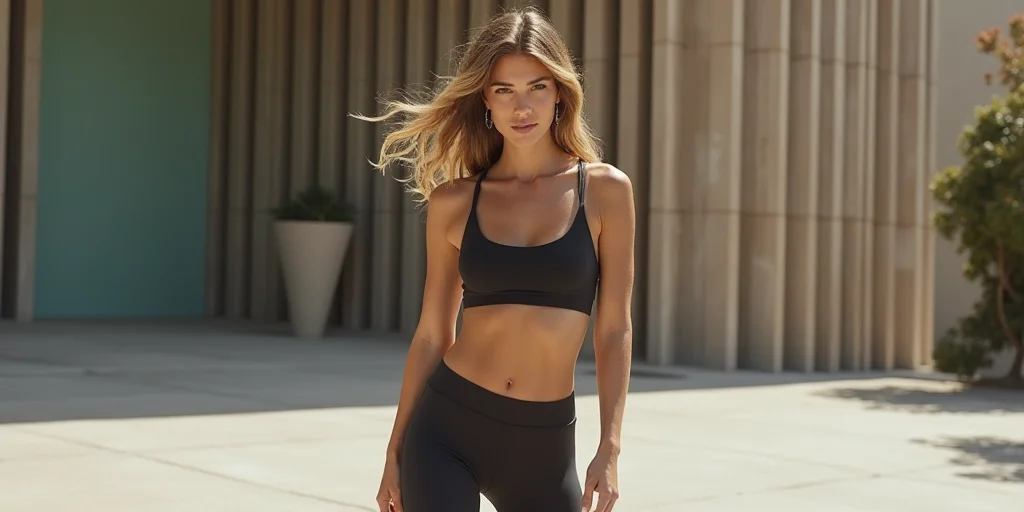
Credit: www.alibaba.com
