

Latest Trends in Business Casual: Elevate Your Workwear Style
Latest Trends In Business Casual
The way we dress for work has changed a lot. Strict suits and formal shoes are no longer a must for many offices. Instead, business casual is now the standard in many workplaces around the world. But what does business casual really mean today? The answer keeps changing as fashion, culture, and work environments evolve.
Business casual is not just about looking neat—it's about balancing comfort, style, and professionalism. Remote work, technology, and new ideas about office culture are influencing what people wear to work. In this article, you'll discover the latest trends in business casual, how to dress confidently, and why small changes in your wardrobe can make a big difference.
Let’s explore how business casual looks today, what’s driving these changes, and how you can create your own modern business casual style.
What Defines Business Casual Today?
Business casual is more flexible than ever. It’s not just “no tie required”—it’s a style that lets you look professional without feeling stiff or uncomfortable. While the exact meaning can vary between companies, some clear trends are shaping what business casual means now.
Business casual typically includes:
- Button-down shirts or blouses
- Chinos or dress pants
- Casual blazers or cardigans
- Leather or stylish sneakers
- Polished but relaxed accessories
You no longer need to wear a matching suit or high heels. Instead, mixing textures, colors, and even casual pieces is accepted—as long as the overall look is put together. For men, a crisp shirt with chinos and loafers works well.
For women, a neat top with tailored pants or a modest skirt is common.
Why Definitions Are Changing
Many companies have moved toward flexible work policies—and that means dress codes are also more relaxed. Employees want to feel comfortable, especially when they split time between the office and working from home. As more people focus on wellness and individuality, business casual now allows for more personal expression.
Companies like Google and Facebook have famously relaxed dress codes. Their approach has influenced other industries to update what business casual means, making it less about rules and more about looking appropriate for the situation.
Key Elements Of Modern Business Casual
Understanding the core elements helps you make good choices for your wardrobe. Here’s what really matters in today’s business casual:
1. Versatile Tops
Button-down shirts, polo shirts, and simple blouses are staples. Neutral colors like white, light blue, and soft gray are always safe. But modern business casual also welcomes patterns, subtle prints, and even bold colors—as long as they aren’t distracting.
2. Comfortable Bottoms
Classic dress pants and chinos are still popular, but now you can also wear tailored trousers, ankle-length pants, and even dark, clean jeans in some workplaces. The fit is more important than the formality—pants should look tidy and fit well.
3. Layering Pieces
Blazers, cardigans, and vests are used to add structure to any outfit. You don’t need a full suit, but a smart blazer over a T-shirt or lightweight sweater can quickly upgrade your look.
4. Smart Footwear
Polished shoes like loafers, oxfords, or ballet flats are common. Many offices now accept minimalist sneakers if they are clean and stylish. Open-toed shoes and sandals are usually not considered business casual, but this is changing in creative fields.
5. Accessories
Keep accessories simple: a leather belt, classic watch, or a subtle necklace is enough. Large logos or flashy jewelry can look out of place.
6. Fabrics And Textures
Natural fabrics like cotton, linen, and wool are preferred for their comfort and quality. Stretch materials are also popular, offering flexibility without losing shape.
Influences Shaping Business Casual Trends
Fashion does not change in a vacuum. Today’s business casual is shaped by several important influences.
Remote And Hybrid Work
With remote work becoming common, people want clothes that move easily between home and office. This has led to more stretch fabrics, relaxed fits, and clothes that feel good all day.
Focus On Sustainability
Many professionals now choose eco-friendly brands or clothes made from recycled materials. Buying fewer, better-quality pieces is also a trend—people want their wardrobes to last.
Gender-neutral Styles
Rigid rules about “men’s” and “women’s” clothing are fading. Many brands now offer gender-neutral or unisex pieces that fit a wide range of body types.
Technology And Fashion
Smart fabrics that resist wrinkles, control odors, or keep you cool are becoming more popular. People want clothes that work as hard as they do.
Influence Of Streetwear
Sneakers, hoodies, and t-shirts with subtle prints are making their way into business casual—especially in creative or tech companies.
Business Casual For Men: Key Trends
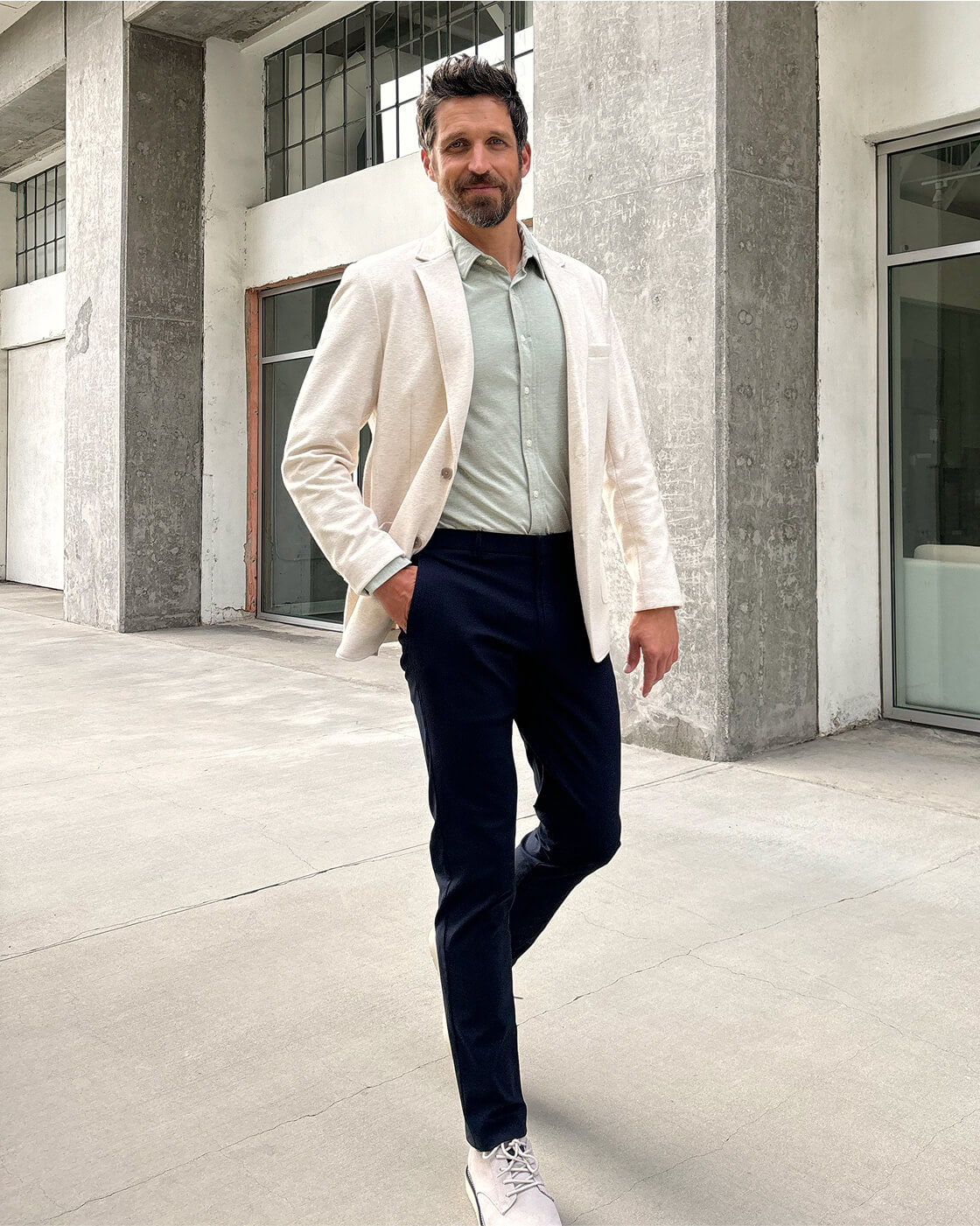
Men’s business casual has moved away from stiff shirts and ties. Here are the most important trends:
Relaxed Tailoring
Blazers and pants now have a softer fit—no more tight shoulders or straight lines. This makes it easier to move and feels less formal.
Polished Sneakers
Sneakers in leather or suede, with clean lines and neutral colors, are accepted in many offices. They offer comfort without looking too casual.
Turtlenecks And Knitwear
A fine-gauge turtleneck or sweater is a stylish alternative to a shirt and tie. Paired with chinos and a blazer, it’s a modern look.
Dark Jeans
In some workplaces, dark denim is allowed. The key is to avoid rips, fades, or flashy details. Pair with a dress shirt and smart shoes.
Statement Socks
Bright or patterned socks add personality to a business casual outfit. Just make sure the rest of your look is simple.
Minimalist Accessories
Thin belts, simple watches, and small leather bags are preferred. Less is more in modern business casual.
Credit: www.stitchfix.com
Business Casual For Women: Key Trends
Women have more choices in business casual, but the trends are clear:
Soft Blouses And Shirts
Relaxed fits, lightweight materials, and interesting details like ties or ruffles are popular. Button-downs are still common, but softer fabrics feel more modern.
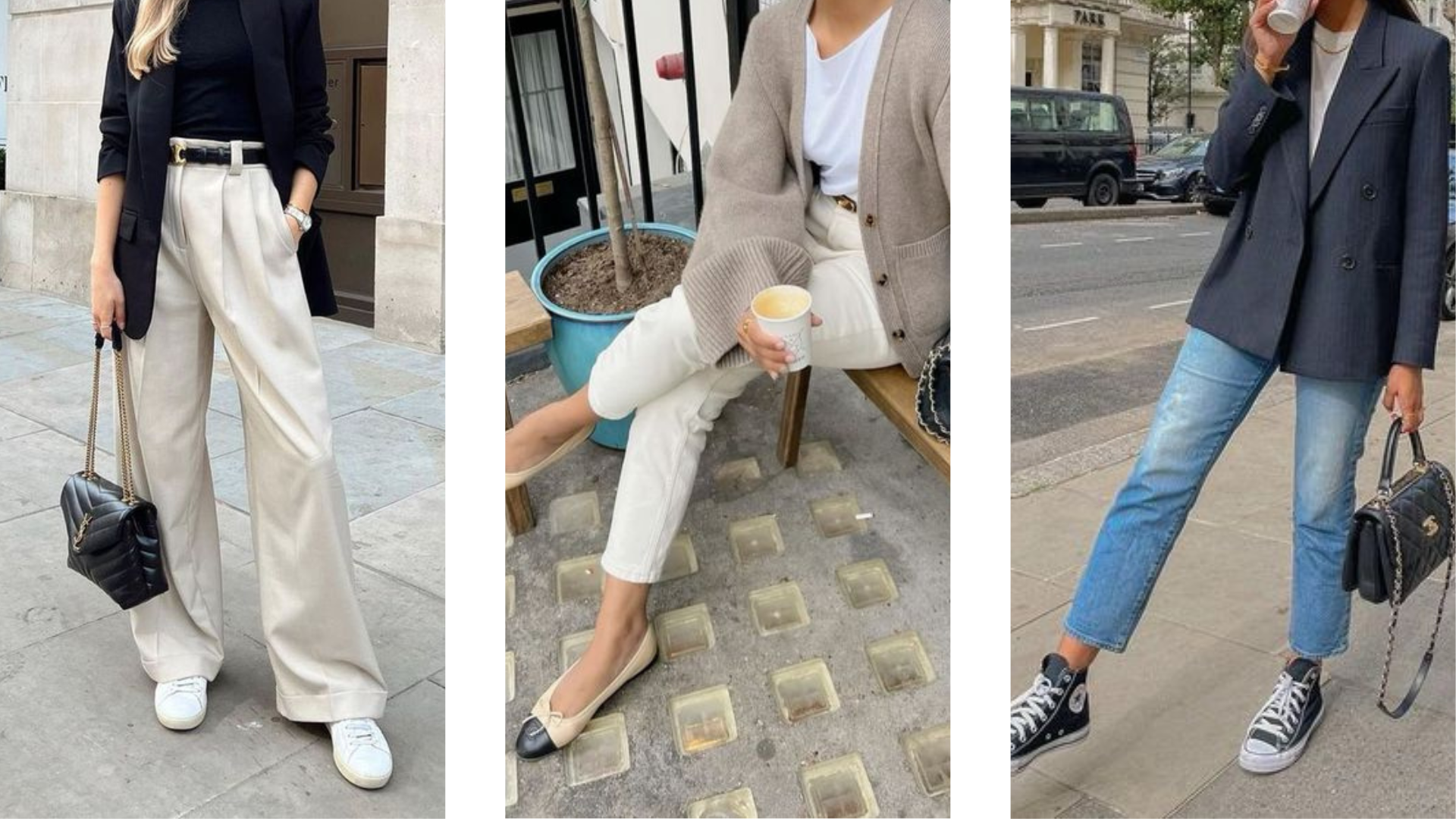
Wide-leg And Cropped Pants
Wide-leg trousers, cropped pants, and culottes are trending. They look professional but are much more comfortable than skinny pants.
Midi Dresses And Skirts
Dresses and skirts that fall below the knee are a favorite. They work well with both flats and low heels.
Layering With Blazers And Cardigans
A long blazer or structured cardigan can make a simple outfit office-ready. Neutral colors like camel, navy, and gray are versatile.
Loafers And Flats
Low-heeled shoes, loafers, and pointed-toe flats are popular. These offer comfort without sacrificing style.
Subtle Prints And Colors
Soft florals, stripes, and pastels are appearing more in business casual. The key is to keep prints small and colors muted.
Comparing Business Casual Across Industries
Business casual means different things in different fields. Here’s a comparison of what’s common in three major industries:
| Industry | Typical Business Casual | What to Avoid |
|---|---|---|
| Finance | Button-down shirts, tailored trousers, loafers, simple blazers | Jeans, sneakers, bold prints |
| Tech | Polo shirts, dark jeans, smart sneakers, casual sweaters | Formal suits, high heels, ties |
| Creative | Patterned shirts, chinos, unique shoes, statement accessories | Stiff suits, dull colors |
This shows that business casual is not one-size-fits-all. Always check your company’s guidelines and observe what your colleagues wear.
Credit: agenciaflama.com.br
The Rise Of “smart Casual” And Flexible Dress Codes
A new term—smart casual—is becoming popular. It’s even more relaxed than business casual but still looks professional. Smart casual often combines office basics with modern streetwear and personal style.
What’s Different About Smart Casual?
- More use of denim, simple sneakers, and t-shirts
- Less focus on traditional dress pants or blouses
- More personal expression through colors and accessories
Many companies now let employees choose between business casual and smart casual, depending on their day’s schedule.
Tips For Building A Modern Business Casual Wardrobe
Creating a business casual wardrobe doesn’t mean buying lots of clothes. Instead, focus on a few good pieces that you can mix and match.
- Start with basics: White shirts, navy or gray pants, simple blazers.
- Add layers: Cardigans, sweaters, and jackets give you more options.
- Invest in shoes: One pair of good loafers and clean sneakers cover most needs.
- Choose quality over quantity: Better fabrics last longer and look better.
- Pick colors wisely: Stick with neutrals for most items and add color with accessories.
- Maintain your clothes: Iron shirts, polish shoes, and keep everything clean.
Sample Business Casual Capsule Wardrobe
Here’s a sample wardrobe that covers almost any office day:
| Item | Men | Women |
|---|---|---|
| Tops | 2 button-down shirts, 2 polos, 1 sweater | 2 blouses, 2 knit tops, 1 cardigan |
| Bottoms | 2 chinos, 1 dark jeans | 2 tailored pants, 1 midi skirt |
| Layering | 1 blazer | 1 blazer |
| Shoes | Loafers, minimalist sneakers | Flats, loafers |
| Accessories | Belt, watch | Simple jewelry, belt |
This small collection can create many different outfits. It’s also easy to add new pieces as trends change.
Mistakes To Avoid In Business Casual
Even with relaxed rules, some mistakes can make you look out of place.
Wearing Clothes That Don’t Fit
The biggest mistake is wearing clothes that are too loose or too tight. Proper fit makes any outfit look better.
Being Too Casual
Flip-flops, ripped jeans, or graphic t-shirts often look unprofessional—even in relaxed offices.
Ignoring Grooming
Clean, neat hair and polished shoes are part of business casual. Wrinkled clothes or dirty shoes send the wrong message.
Over-accessorizing
Too many accessories or bright colors can look distracting. Keep it simple.
Not Checking The Company Culture
Every workplace is different. What works in one office may not be right in another. When in doubt, dress a bit more formally until you learn what’s accepted.
How To Transition From Formal To Business Casual
If you’re used to suits and ties, moving to business casual can feel confusing. Here’s how to make the switch:
- Swap suit jackets for blazers: A casual blazer works with many outfits.
- Choose chinos over suit pants: Chinos are less formal but still look sharp.
- Wear dress shirts without a tie: Unbutton the top button for a relaxed look.
- Try smart knitwear: Sweaters and turtlenecks look modern and are comfortable.
- Use shoes wisely: Loafers or clean sneakers instead of formal dress shoes.
Start with small changes and adjust as you see what fits your office style.
Business Casual For Remote Work
Working from home has changed business casual even more. Now, comfort is king—but professionalism still matters, especially for video meetings.
Top Tips For Remote Business Casual
- Focus on tops: A neat shirt or blouse is the most visible on calls.
- Wear comfortable bottoms: Soft pants or leggings are fine if off-camera.
- Keep a blazer or cardigan nearby: You can add it quickly for important meetings.
- Watch your grooming: Hair and face should still look tidy.
- Avoid pajamas or gym wear: Even if not seen, it helps set a work mindset.
Sustainability And Ethical Choices In Business Casual
Many people are now thinking about the impact of their clothing. Choosing sustainable and ethical brands is a growing trend in business casual.
What To Look For
- Clothes made from organic cotton, linen, or recycled fibers
- Brands with clear information about their supply chain
- Items designed to last, not just for one season
Buying less but better is both eco-friendly and stylish. It also saves money over time.
Popular Business Casual Brands To Know
Some brands are known for their modern, flexible business casual options. Here are a few:
- Uniqlo – Affordable basics and comfortable fabrics
- Banana Republic – Classic business casual with trendy updates
- Everlane – Focus on sustainability and transparency
- J.Crew – Good for layering pieces and shoes
- M.M.LaFleur – Women’s workwear with comfort in mind
- Allbirds – Stylish sneakers that fit many dress codes
These brands show how you can look modern and professional without spending a fortune.
How Business Casual Looks Around The World
Business casual is not just a US trend. Offices in Europe, Asia, and Australia have their own take on the style.
- In Europe, business casual often means more structured pieces and darker colors.
- In Japan, neatness is key, with simple blouses and tailored pants.
- In Australia, lighter fabrics and open collars reflect the warm climate.
If you travel for work, check local customs before choosing your outfit. What’s normal in one city may look out of place in another.
The Role Of Color In Business Casual
Color choices are more important than many people realize. They affect how others see you—and how you feel at work.
Safe Colors
Navy, gray, white, and beige are always business casual. These colors mix well and look professional.
Adding Color
Small amounts of color in a shirt, tie, or scarf can show personality without looking unprofessional. Pastels, soft blues, and gentle greens are popular.
What To Avoid
Very bright colors or large, bold patterns can be distracting. Save those for after work.
The Return Of Personal Style
The biggest trend in business casual is the focus on personal style. People are encouraged to show who they are—while still looking professional.
You can do this by:
- Choosing clothes that fit your body and your taste
- Adding subtle accessories that mean something to you
- Mixing classic pieces with modern items
This makes workwear more fun and helps people feel confident.

Credit: www.vogue.com
How To Adapt Business Casual As Trends Change
Fashion trends always evolve. Here’s how to keep your business casual look fresh without buying a new wardrobe every year.
- Update one piece at a time: Swap out an old shirt for a new style, or try a different shoe.
- Follow fashion news: Websites like Vogue share up-to-date trends and ideas.
- Watch colleagues: See what others wear and adapt what you like.
- Try new colors or fits: Small changes can update your look.
- Invest in quality: Choose clothes that still look good after many wears.
By making small updates, you stay current without spending too much time or money.
Frequently Asked Questions
What Is The Main Difference Between Business Casual And Smart Casual?
Business casual is more structured and formal, usually including dress shirts, blouses, and dress pants. Smart casual is even more relaxed, allowing for jeans, simple sneakers, and t-shirts if they are neat and stylish. Both look professional, but smart casual lets you show more personal style.
Can I Wear Jeans For Business Casual?
Yes, but only dark, clean jeans without rips or flashy details. Not all workplaces accept jeans, so it’s best to check your company’s policy first. Pair them with a smart top and good shoes to keep the look professional.
Are Sneakers Appropriate For Business Casual?
In many modern offices, polished sneakers in neutral colors are fine. Avoid athletic or colorful sneakers. Stick with simple, clean designs that match your outfit.
How Do I Build A Business Casual Wardrobe On A Budget?
Start with a few basic pieces in neutral colors—like shirts, pants, and a blazer. Choose items that mix and match easily. Buy higher-quality shoes and update your wardrobe over time instead of all at once.
What Should I Avoid In Business Casual?
Avoid clothes that are too casual, like flip-flops, ripped jeans, or graphic t-shirts. Stay away from anything too tight, too loose, or with large logos. Always keep your look neat and simple.
Business casual is more than a dress code—it’s about showing respect for your workplace while being comfortable and true to yourself. The latest trends make it easier than ever to look good at work without feeling restricted. By understanding the key elements, adapting to your office culture, and adding your own style, you can master business casual for any situation.
