

Business Casual vs Smart Casual: Key Differences Explained
Business Casual Vs Smart Casual: Understanding the Differences and Choosing the Right Style
Fashion at work and in social life can be confusing. Two of the most commonly mixed-up dress codes are business casual and smart casual. They sound similar, but they have clear differences. Knowing these differences is important. The way you dress can affect how people see you at work, interviews, meetings, or even at a dinner party. If you want to look right for any event, you need to understand what each style means and when to use it.
Many people feel unsure about what to wear for business casual or smart casual. Some worry about being overdressed and standing out, while others fear being too informal and missing an opportunity. This article will help you end that confusion.
We will break down both dress codes, compare them side by side, and give real examples. You’ll also learn how to move between these two styles easily. By the end, you will feel confident picking the right clothes for any occasion.
What Is Business Casual?
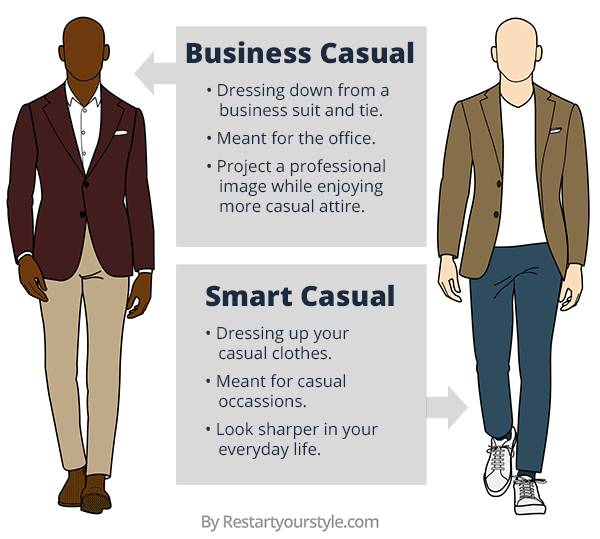
Business casual is a dress code used in many offices and professional settings. It is less formal than a suit and tie, but still neat and professional. This style keeps a business-like look, but gives more comfort and freedom compared to traditional business wear.
Typical business casual outfits for men include dress pants or chinos, a collared shirt (like a button-down or polo), and leather shoes. For women, business casual might mean tailored pants or a knee-length skirt, a blouse or sweater, and closed-toe shoes.
The focus is on looking polished, trustworthy, and ready for work. Clothes should be clean, ironed, and fit well. Even though the rules are less strict than formal business, there are still clear do’s and don’ts.
Key Features Of Business Casual
- Collared shirts (button-down or polo)
- Tailored pants or chinos
- Blazers (optional, but never too flashy)
- Leather shoes (loafers, oxfords, or flats)
- Simple colors (navy, gray, beige, black, white)
- Minimal accessories
What to avoid: T-shirts, ripped jeans, shorts, sneakers, bold prints, and flashy jewelry. Even in a relaxed office, these items look too informal.
Business Casual For Men: Example Outfits
- Navy chinos, light blue button-down shirt, brown leather loafers
- Gray dress pants, white polo shirt, black belt, black oxford shoes
- Khaki trousers, pale pink shirt, navy blazer, dark brown derbies
Business Casual For Women: Example Outfits
- Black tailored pants, white blouse, tan cardigan, black flats
- Knee-length pencil skirt, soft blue sweater, nude pumps
- Navy ankle pants, cream button-up shirt, gray blazer, loafers
What Is Smart Casual?
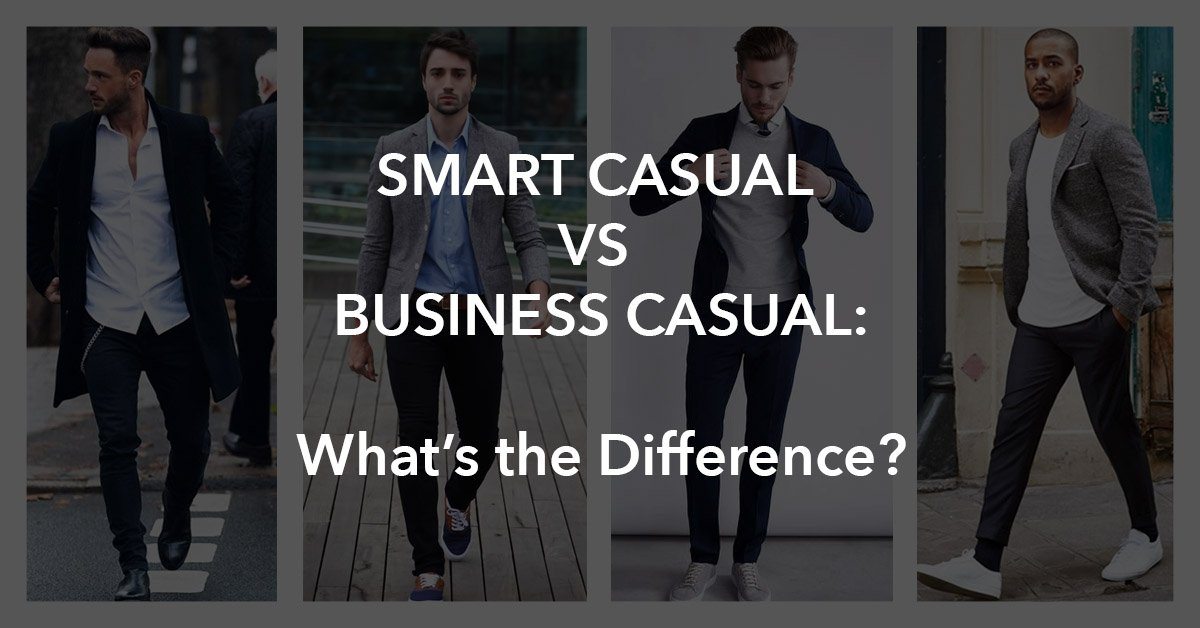
Smart casual is a flexible dress code. It blends neat, elegant pieces with relaxed, stylish items. It’s more relaxed than business casual, but still looks put together. Smart casual is common at social events, creative workplaces, dinner dates, or networking meetups.
Smart casual for men could mean dark jeans or chinos, a crisp shirt or nice T-shirt, and a sport coat or stylish jacket. For women, smart casual might include a skirt or dress, nice jeans, a blouse, and fashionable flats or low heels.
The goal is to look stylish and modern, while staying comfortable. Unlike business casual, you can add more personal style and play with patterns, fabrics, and accessories.
Key Features Of Smart Casual
- Dark jeans (no rips or fading)
- Stylish jackets (bomber, leather, or blazer)
- Dressy T-shirts or knit tops
- Fashionable footwear (ankle boots, loafers, flats, clean sneakers)
- Bold prints or colors (in moderation)
- Statement accessories
What to avoid: Baggy sweatpants, dirty sneakers, graphic tees, and anything too casual or sporty.
Smart Casual For Men: Example Outfits
- Dark wash jeans, white T-shirt, gray sport coat, suede loafers
- Olive chinos, black polo, navy bomber jacket, clean white sneakers
- Slim-fit jeans, light blue shirt, tan cardigan, desert boots
Smart Casual For Women: Example Outfits
- Black skinny jeans, silk blouse, long blazer, ankle boots
- Patterned midi skirt, fitted knit top, denim jacket, ballet flats
- Tailored shorts (in summer), linen button-up, espadrille sandals

Credit: thedarkknot.com
Comparing Business Casual And Smart Casual
The main difference between business casual and smart casual is the level of formality and the setting where each is used. Business casual leans towards the professional side, while smart casual gives more room for personal taste and is common in social situations.
Let’s compare the two styles directly:
| Feature | Business Casual | Smart Casual |
|---|---|---|
| Main Setting | Offices, business meetings, interviews | Social events, creative workspaces, casual Fridays |
| Formality | Medium (professional, not formal) | Low to medium (stylish, relaxed) |
| Common Bottoms | Dress pants, chinos, skirts | Dark jeans, chinos, skirts, dresses |
| Acceptable Tops | Collared shirts, blouses, sweaters | Shirts, blouses, smart T-shirts, knit tops |
| Footwear | Leather shoes, loafers, flats | Loafers, boots, clean sneakers, sandals |
| Accessories | Minimal, simple | Fashionable, statement pieces allowed |
| Colors & Patterns | Neutral, simple | More variety, some boldness allowed |
When To Choose Business Casual
Picking business casual is best when you want to look professional but don’t need a full suit. It’s the go-to choice for:
- Most office jobs
- Job interviews (unless told otherwise)
- Business meetings with clients
- Presentations and conferences
- Networking events in formal industries (like finance, law, consulting)
Many workplaces use business casual as the daily dress code. It shows you are serious about your job and respect the company culture. Even for video calls, business casual is a safe pick.
Tip: If you’re ever unsure, it’s better to be a bit more formal. You can always remove a blazer or loosen a button if needed.
When To Choose Smart Casual
Smart casual fits in when you want to look sharp, but not too formal. It is popular for:
- Creative offices (marketing, tech, design)
- After-work social events
- Dinner parties and dates
- Informal networking
- Casual Fridays at work
- Art galleries, exhibitions, or upscale brunches
Smart casual lets you show your personality. You can mix textures, try modern cuts, or add accessories. It’s a style that works for many ages and body types.
Tip: For smart casual, focus on fit and quality. Even if you wear jeans, they should be clean, dark, and well-fitted.
The History Behind Both Styles
Dress codes have changed a lot over time. In the past, most professionals wore full suits every day. But as office cultures shifted, people wanted more comfort and self-expression. This led to business casual becoming common in many workplaces.
Smart casual developed from social settings. People wanted to look good for events or dates but did not want to seem overdressed. As creative jobs grew, smart casual also became popular at work.
One non-obvious fact: what counts as business casual or smart casual can change by country, city, or even company. For example, a tech startup in San Francisco may allow sneakers in business casual, while a bank in New York would not.
Mistakes People Make With Business Casual
Many people misunderstand business casual. Here are common mistakes:
- Wearing jeans (even if dark): Most offices do not allow jeans in business casual, unless clearly stated.
- Choosing wrinkled or baggy clothes: Business casual should always look neat and fit well.
- Too many bold colors or prints: Keep it simple. Bright pink pants or loud patterns do not fit.
- Sporty shoes: Sneakers, even designer ones, are not business casual unless your company says so.
- Forgetting grooming: Good grooming is part of business casual. Unkempt hair or chipped nail polish can ruin a good outfit.
Mistakes People Make With Smart Casual
Smart casual can be tricky because it’s flexible. Some common mistakes are:
- Wearing athletic wear: Leggings, sweatpants, or gym shoes are too casual.
- Mixing too many trends: Stick with one or two stylish items, not the whole lookbook.
- Neglecting shoes: Footwear matters. Flip-flops or worn-out sneakers can ruin the look.
- Thinking smart casual means “anything goes”: It’s not just casual. There should be a sense of effort and style.
- Ignoring fit: Even a casual look should fit your body well.
How To Move From Business Casual To Smart Casual (and Back)
Sometimes, you need to switch from a business event to a social one in the same day. Here’s how to adjust your look:
| Item | Business Casual | Switch to Smart Casual |
|---|---|---|
| Shirt/Top | Button-down, collared shirt | Swap for a quality T-shirt or a knit top |
| Pants/Bottoms | Chinos or dress pants | Switch to dark jeans or trendy chinos |
| Jacket | Classic blazer | Try a bomber, leather, or sport coat |
| Shoes | Leather loafers or flats | Change into loafers, boots, or clean sneakers |
| Accessories | Minimal, simple jewelry | Add a statement watch, scarf, or bold earrings |
Quick tip: Bring a change of shoes or a jacket to work if you know you have an evening event. Small changes can make a big difference.
Shopping Tips For Each Dress Code
Shopping for these styles can be stressful. Here’s how to shop smart:
For Business Casual
- Invest in good basics: Solid color shirts, tailored pants, and neutral blazers.
- Spend more on quality shoes: They last longer and look better.
- Try everything on: Fit is more important than the brand.
- Avoid trendy items: Stick to classic cuts and colors.
- Look for wrinkle-resistant fabrics: Saves time and keeps you sharp all day.
For Smart Casual
- Pick versatile pieces: A blazer that works with jeans or dresses; stylish sneakers you can dress up.
- Don’t be afraid of color: Add one bold item per outfit.
- Mix textures: Denim with silk, cotton with leather.
- Shop for accessories: Watches, scarves, and jewelry update your look easily.
- Buy good jeans: Dark, slim-fit, and without holes.
Insider tip: Many stores label clothes as “business casual” or “smart casual,” but don’t trust these tags blindly. Always consider the setting and how the item looks on you.
Credit: mysocietysocks.com
Gender Differences In Business Casual And Smart Casual
Men and women often face different expectations for these dress codes. Here’s what usually matters:
- Men tend to have stricter rules for business casual (no jeans, always collared shirts). For smart casual, men can play with colors, swap shirts for T-shirts, and use more fashionable shoes.
- Women have more options and flexibility. In business casual, tailored pants, skirts, and blouses are all accepted. Smart casual lets women try bolder prints, trendy shoes, and a wider range of accessories.
A non-obvious insight: Women are often expected to dress “up” even for smart casual. For example, a woman in jeans and a plain tee may be seen as underdressed where a man in the same would not. Always consider the social context.
Dressing For Different Climates
Weather can make it tricky to dress right. Here’s how to handle different climates for both styles:
- Hot weather: Choose light, breathable fabrics like cotton or linen. For business casual, skip the blazer and wear short sleeves (if allowed). For smart casual, dresses, skirts, and linen shirts work well.
- Cold weather: Layer with cardigans or sweaters. For business casual, stick with tailored wool or cashmere. For smart casual, try stylish coats, scarves, and boots.
Pro tip: Have a few layering pieces that work for both dress codes. A neutral cardigan or a tailored jacket is a smart investment.
Cultural And Industry Differences
Different industries and cultures have unique takes on these dress codes:
- Tech/Startups: Often allow jeans and sneakers in both styles.
- Law/Finance: More formal; even business casual can feel dressy.
- Creative fields: Encourage personal style, bold colors, and unusual cuts.
- International offices: In some countries, “business casual” may mean a full suit without a tie.
If you’re unsure, ask HR or check what others wear. A Wikipedia article gives a global overview of business casual, which can be helpful for context.
Real-world Examples: Business Casual Vs Smart Casual
Imagine you have a job interview at a bank. Business casual is the safest choice. You’d wear tailored pants, a button-down shirt, and leather shoes. If you show up in jeans and sneakers, you may look unprepared.
Now, suppose you’re meeting friends for a Friday night dinner at a trendy restaurant. Smart casual is perfect. Dark jeans, a stylish top, and boots fit the setting. Wearing a full suit would look odd and too serious.
Another example: your company has a creative brainstorming session. Smart casual lets you show personality and comfort, so you can focus on ideas, not your outfit.
Credit: twkf.gov.tr
How To Read An Invitation Or Dress Code
Invitations often use these terms, but they don’t always explain them. Here’s how to understand what’s expected:
- If the invite says “business casual,” think office-ready. Leave jeans and sneakers at home.
- If it says “smart casual,” you can add more personal style, but don’t go too casual.
- If you’re not sure, check the venue’s website or social media to see what people wear.
- When in doubt, dress slightly up. It’s easier to remove a blazer than to wish you had worn one.
Budget-friendly Ways To Build Both Wardrobes
You don’t need to spend a lot to look good in either dress code. Here’s how to build a strong wardrobe on a budget:
- Buy basics first: Solid shirts, neutral pants, clean shoes.
- Mix and match: One pair of pants can work for both styles with different tops.
- Shop sales and thrift stores: Many great pieces are available second-hand.
- Invest in tailoring: Well-fitted clothes look expensive, even if they’re not.
- Limit trendy items: Use accessories to add style without big spending.
The Psychological Impact Of Dressing Well
What you wear affects how people see you—and how you feel. Studies show that dressing well can boost confidence and even change how you think. Business casual makes you feel ready for work, while smart casual can put you at ease in social situations.
A less obvious insight: Dressing up, even a little, can change how others treat you. A smart blazer or polished shoes can help you get better service, more respect, and stronger first impressions.
Frequently Asked Questions
What Is The Main Difference Between Business Casual And Smart Casual?
Business casual is meant for professional settings. It keeps a business look but is less formal than a suit. Smart casual is more relaxed and lets you show personal style. It’s best for social events or creative workplaces.
Can I Wear Jeans For Business Casual?
Usually, no. Most business casual dress codes do not allow jeans, unless they are very dark, unbranded, and the company has a relaxed policy. Always check your office guidelines first.
Is It Better To Be Overdressed Or Underdressed?
It’s almost always better to be slightly overdressed. You can remove a tie or jacket if needed. But being underdressed can make you feel uncomfortable and look unprofessional.
How Can I Make My Outfit Look Smarter Without Buying New Clothes?
Focus on fit and grooming. Iron your clothes, polish your shoes, and add a neat accessory like a watch or scarf. Layering a blazer or swapping casual shoes for loafers can also help.
Are Sneakers Ever Okay For Business Casual Or Smart Casual?
Sneakers are usually not accepted in business casual (unless your company is very relaxed). For smart casual, clean, simple sneakers with no bold logos or colors can work, especially in creative fields.
Choosing between business casual and smart casual does not have to be stressful. Once you know the differences, you can dress with confidence for any occasion. Remember, it’s not just about clothes—it’s about feeling comfortable, looking your best, and showing respect for the situation and people around you.
