

Is It Ok to Wear Gym Shoes Outside? Pros, Cons & Tips
Is It Ok To Wear Gym Shoes Outside
If you love comfort and ease, you probably own at least one pair of gym shoes. These shoes are made for workouts, but many people wear them everywhere — to the store, at work, even on city streets. But is it really ok to wear gym shoes outside the gym?
This question is more important than it may seem. The answer depends on style, shoe durability, foot health, and even social expectations.
Let’s look deeper into what happens when you wear your gym shoes outside. We’ll explore the pros and cons, how outdoor use affects your shoes, what others might think, and how to keep your shoes in good condition. You’ll also find practical advice, expert opinions, and answers to common questions.
By the end, you’ll know if wearing gym shoes outside is right for you — and how to do it the smart way.
Understanding Gym Shoes
Gym shoes, sometimes called trainers, sneakers, or sports shoes, are designed for exercise. They have special features:
- Cushioning for impact during running or jumping
- Non-slip soles for grip on gym floors
- Breathable materials to keep feet cool
- Lightweight design for easy movement
Most gym shoes are made from a mix of synthetic materials, mesh, and rubber. These help your feet stay comfortable during activity. However, these materials are chosen for indoor surfaces, not for rough outdoor use.
There are many types of gym shoes:
- Running shoes: Extra cushioning for pounding on treadmills or tracks.
- Cross-trainers: Designed for many activities, like weightlifting, aerobics, or cycling.
- Basketball shoes: Support for ankle movement and jumping.
- Walking shoes: More flexible and often lighter.
Every type serves a special purpose, so how you use them matters.
Why People Wear Gym Shoes Outside
You see gym shoes everywhere, not just in fitness centers. Here’s why people choose to wear them outside:
- Comfort: Gym shoes are often more comfortable than dress shoes or boots.
- Fashion: Sneakers have become a style statement.
- Convenience: Easy to slip on and go, suitable for many casual events.
- Lack of alternatives: Some people own only one pair of shoes.
A recent survey showed that more than half of young adults wear athletic shoes daily, even if they’re not exercising. For many, sneakers are a part of daily life.
How Outdoor Use Affects Gym Shoes
Wearing gym shoes outside can affect them in several ways. Let’s break down the main impacts:
Damage And Wear
Gym shoes are not built for rough surfaces like pavement, gravel, or dirt. Using them outside leads to:
- Faster sole wear: Outdoor surfaces can grind down the rubber, making them slippery.
- Staining: Mud, grass, and oil can leave marks that are hard to clean.
- Mesh tears: Sharp objects can rip the lightweight upper material.
Over time, outdoor use can make your shoes lose their shape and support. The cushioning flattens, and the grip wears down.
Hygiene Concerns
Outdoor use means you pick up dirt, bacteria, and pollutants on your shoes. Bringing these back to the gym or home can spread germs. Some gyms do not allow shoes worn outside for this reason.
Loss Of Performance
Sports shoes are made for specific movements and surfaces. If the sole is worn or dirty, you could slip or get less support during workouts. This can increase the chance of injury.
Pros Of Wearing Gym Shoes Outside
There are good reasons people choose to wear their gym shoes outside. Let’s look at the main advantages.
1. All-day Comfort
Gym shoes are made for movement. The extra cushioning and arch support can help if you spend a lot of time on your feet. People with foot pain or medical issues often find gym shoes the most comfortable option.
2. Versatility
Modern gym shoes can look good with jeans, shorts, and even some work outfits. Brands design sneakers for both performance and style. This means you can go from a walk to a casual dinner without changing shoes.
3. Injury Prevention
Compared to flat sandals or hard leather shoes, gym shoes protect your feet. They absorb shock, reduce pressure, and can help avoid blisters, especially if you walk long distances.
4. Accessibility
Not everyone can afford many pairs of shoes. For some, using one pair for both gym and outside is practical and budget-friendly.
5. Support For Active Lifestyles
Wearing gym shoes outside makes it easier to stay active. You might decide to take the stairs, walk longer, or even do a quick jog if you already have the right shoes on.
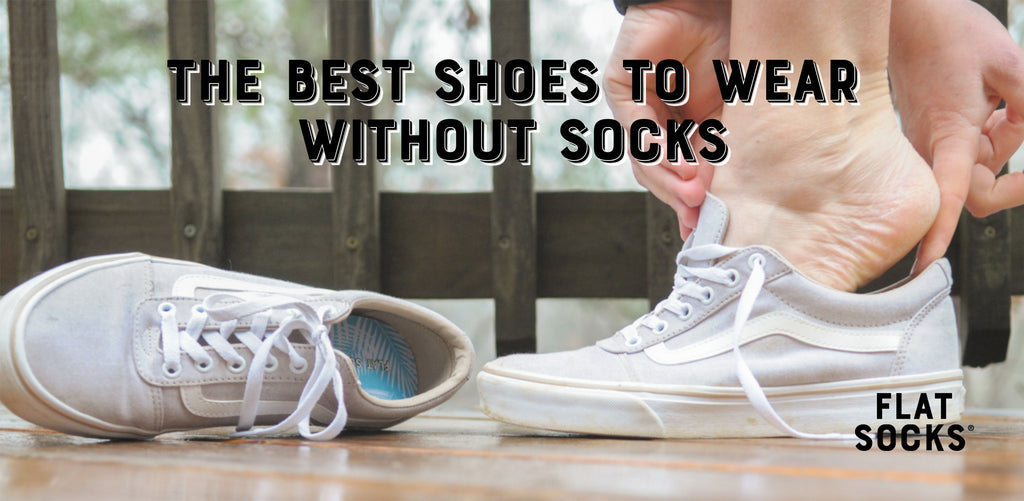
Credit: flatsocks.com
Cons Of Wearing Gym Shoes Outside
While there are benefits, there are also downsides to using gym shoes outside the gym.
1. Shorter Shoe Life
Outdoor surfaces wear out shoes quickly. Gym shoes used outside may only last a few months before losing support or grip.
2. Hygiene Issues
Your shoes collect germs, dirt, and chemicals outside. Bringing them into gyms or your home can spread these unwanted elements.
3. Reduced Performance
Dirty, worn shoes do not give the same support or grip. This can make your gym workout less effective and even dangerous.
4. Social And Style Perceptions
Some workplaces or events consider gym shoes too casual. Wearing them outside may not be suitable for all settings.
5. Foot Health Risks
If gym shoes are not clean or lose their support, they can cause foot problems. Old, worn shoes may lead to blisters, aches, or even injuries.
Style And Social Considerations
Fashion trends change, but sneakers remain popular. However, not all gym shoes are seen as stylish outside the gym. Here’s what to keep in mind:
- Clean, trendy sneakers are often accepted in casual or even business-casual settings.
- Old or dirty gym shoes can make you look unprofessional.
- Bright colors or bold logos may not match all outfits.
In some cultures or workplaces, athletic shoes are only for exercise. In others, they are a fashion statement. It’s smart to check the dress code before wearing gym shoes to an important meeting or event.
How To Wear Gym Shoes Outside (without Ruining Them)
If you decide to wear gym shoes outside, there are ways to protect both your shoes and your feet.
1. Choose Versatile Styles
Pick gym shoes with a simple design and neutral colors. These are easier to match with different outfits and look cleaner longer.
2. Rotate Your Shoes
If possible, have one pair for the gym and another for daily use. This keeps your workout shoes in good condition and extends their life.
3. Clean Regularly
Wash off dirt and stains quickly. Use a soft brush and mild soap for the upper and a damp cloth for the soles. Remove insoles and laces before cleaning.
4. Dry Properly
Never use direct heat to dry gym shoes. Stuff them with newspaper and let them air dry. This keeps the shape and prevents bad smells.
5. Use Protective Sprays
Some sprays can make shoes more resistant to water and stains. Apply before first use and after cleaning.
6. Avoid Muddy Or Rocky Terrain
Try to avoid walking through mud, wet grass, or rocky paths. Stick to pavements or smooth surfaces when possible.
7. Check Shoe Condition
Inspect your shoes regularly. If the sole is smooth or the cushioning feels flat, it’s time for a new pair.
How Outdoor Use Affects Foot Health
Your feet do a lot of work every day. The right shoes help prevent pain and injury. Here’s what happens if you use gym shoes outside:
- Good support: If the shoes are in good shape, they support your arches and cushion every step.
- Bad support: If the shoes are worn or dirty, they may cause blisters, foot pain, or even knee problems.
A study from the American Orthopaedic Foot & Ankle Society found that worn-out athletic shoes are a common cause of foot pain. Outdoor use wears out shoes faster, so you need to check them more often.
When To Replace Gym Shoes
Most experts say to replace gym shoes after about 500-600 kilometers of use. For someone who walks 5 kilometers a day, that’s about 3-4 months. Outdoor use can cut this time in half.
Signs you need new shoes:
- The sole is flat or has holes.
- The inside feels less cushioned.
- You notice more foot pain or tired legs.
The Environmental Impact
Wearing and replacing gym shoes often has an effect on the environment. Most sneakers are made from plastic, rubber, and glue. These materials are hard to recycle and can take years to break down in landfills.
If you use one pair for everything, you may need to buy new ones more often. To reduce waste:
- Choose brands with recycling programs.
- Donate old shoes if they are still in good condition.
- Look for shoes made with recycled materials.
Comparing Gym Shoes: Indoor Vs. Outdoor Use
Here’s a side-by-side look at what happens when you use gym shoes for their intended purpose versus outside:
| Feature | Indoor Use | Outdoor Use |
|---|---|---|
| Durability | Lasts longer (less wear) | Wears out faster |
| Cleanliness | Stays cleaner | Gets dirty, stained |
| Support | Remains strong | Breaks down quickly |
| Grip | Maintains traction | Sole wears smooth |
| Style | May look out of place | Fits casual fashion |
This shows why many people keep separate pairs for gym and daily use.
What Experts Say
Podiatrists (foot doctors) and shoe designers have strong opinions about wearing gym shoes outside. Here are some expert viewpoints:
- Foot health experts say that shoes lose their support and shape quickly when used on rough outdoor surfaces.
- Shoe brands often recommend having one pair for exercise and another for casual wear.
- Fashion stylists suggest choosing neutral, clean sneakers if you want to wear gym shoes outside.
An important tip from experts: pay attention to how your feet feel. If you notice new pain or discomfort, your shoes may be too worn for safe use.
Non-obvious Insights: What Most People Miss
Many beginners think gym shoes are all the same. In reality, there are important details to notice:
- Indoor gym floors are softer and cleaner than outdoor surfaces. Shoes built for indoor use can break down fast outside, even if they look strong.
- Sole pattern matters. Gym shoes have tread designed for specific movement. Worn patterns can make you slip, especially in rain or on smooth surfaces.
- Moisture and bacteria grow faster in dirty shoes. Even if your shoes look clean, sweat and outdoor grime create a perfect environment for odor and germs.
- Insurance for your feet. Good shoes are not just about comfort — they reduce the risk of injuries that can affect your daily life.
How To Extend The Life Of Your Gym Shoes
If you want your gym shoes to last, especially if you wear them outside, try these tips:
Rotate Your Shoes
Alternate between two or more pairs. This lets each pair air out and recover their shape.
Use Shoe Inserts
Removable insoles can be washed or replaced. This keeps shoes fresher and more supportive.
Store Correctly
Keep shoes in a cool, dry place. Avoid leaving them in hot cars or damp basements.
Quick Cleaning Routine
After outdoor use, knock off loose dirt. Wipe the soles and brush the upper part. Deep clean once a week if you wear them often.
Comparing Gym Shoes With Other Shoe Types For Outdoor Use
It helps to see how gym shoes compare to other footwear choices for outdoor use:
| Shoe Type | Comfort | Durability | Style Flexibility |
|---|---|---|---|
| Gym Shoes | High | Medium-Low (outdoors) | High (casual) |
| Leather Shoes | Medium | High | Medium-High (formal) |
| Sandals | Medium-High | Low | Medium |
| Hiking Shoes | Medium | High | Low |
| Slip-ons | Medium | Medium | Medium |
Gym shoes win for comfort and everyday style, but lose points for long-term durability on outdoor surfaces.

Credit: runtothefinish.com
Cleaning And Caring For Gym Shoes After Outdoor Use
Proper cleaning keeps your shoes fresh and helps them last longer. Here’s a practical routine:
- Remove loose dirt: Tap the shoes together and wipe with a brush.
- Take out insoles and laces: These can be cleaned separately.
- Clean the upper: Use a soft cloth with mild soap and warm water. Scrub gently.
- Wash the soles: A toothbrush works well for grooves and hard-to-reach areas.
- Rinse and dry: Do not soak shoes. Rinse with a damp cloth, then air dry. Avoid direct sunlight or heat.
- Refresh insoles: Sprinkle baking soda inside to remove odors.
For stubborn stains, some people use special sneaker cleaners. Always check the shoe label for care instructions.
Common Mistakes To Avoid
Beginners often make these errors with gym shoes:
- Wearing the same pair everywhere: This causes shoes to wear out quickly and lose support.
- Not cleaning shoes after outdoor use: Dirt and bacteria build up, leading to odor and damage.
- Ignoring wear and tear: Waiting too long to replace shoes can lead to injuries.
- Using gym shoes for heavy-duty activities: Tasks like hiking, construction, or sports on rough ground need special shoes.
- Choosing the wrong size: Shoes that are too tight or loose cause blisters and foot pain.
Avoiding these mistakes keeps your shoes (and your feet) in better shape.

Credit: www.realmenrealstyle.com
When To Say No: Times You Shouldn’t Wear Gym Shoes Outside
There are moments when gym shoes are not the best choice:
- Formal events: Weddings, business meetings, or ceremonies often require dress shoes.
- Extreme weather: Rain, snow, or mud can ruin gym shoes quickly.
- Dangerous surfaces: Construction sites or rocky trails need tougher shoes.
- Jobs with strict dress codes: Some workplaces require specific shoe types for safety or style.
In these cases, it’s better to choose shoes designed for the job.
Smart Shopping: What To Look For In Gym Shoes For Outdoor Use
If you want to wear gym shoes outside, shop smart:
- Strong soles: Look for thick, durable rubber that can handle pavement.
- Simple design: Neutral colors and clean lines are easier to match with clothes.
- Easy to clean materials: Synthetic leather or coated fabrics resist stains better than mesh.
- Good fit: Your toes should not touch the end, and your heel should not slip.
Trying shoes on in the evening can help, as feet swell during the day.
Alternatives To Wearing Gym Shoes Outside
If you’re worried about ruining your gym shoes, consider these alternatives:
- Lifestyle sneakers: Made for walking and daily wear, with better outdoor durability.
- Slip-resistant shoes: Great for wet or oily surfaces.
- Trail shoes: Built for outdoor conditions, but still comfortable.
- Casual loafers: More stylish for work or events, but still easy to wear.
Mixing up your shoes gives each pair a longer life.
Real-life Stories: What People Experience
Many people start wearing gym shoes everywhere for comfort. Here are two real examples:
- Maria, a teacher: She wore gym shoes outside and to work every day. After a few months, her shoes felt flat and unsupportive during workouts. She now keeps one pair for the gym and another for school.
- Jake, a student: He wore the same sneakers for running and daily life. After slipping on a wet sidewalk, he noticed the treads were smooth. He learned to check his shoes more often.
These stories show why paying attention to shoe condition matters.
The Bottom Line: Is It Ok To Wear Gym Shoes Outside?
There is no single answer. Wearing gym shoes outside is fine for comfort and style, as long as you care for them and replace them when needed. Just remember:
- Outdoor use wears out gym shoes faster.
- Dirty or worn shoes lose support and can hurt your feet.
- It’s smart to keep separate pairs if you can.
- Clean shoes often and check for signs of damage.
If you value comfort, gym shoes are a good choice for many outdoor activities. Just be aware of the trade-offs, and don’t wear them where they’re not appropriate.
For more in-depth advice on shoe care and foot health, check out this guide from the American Podiatric Medical Association.
Frequently Asked Questions
Can I Use The Same Gym Shoes For Both Exercise And Daily Wear?
It’s possible, but not ideal. Using the same pair for both can cause them to wear out faster and lose support. If you can, keep one pair for the gym and another for daily use.
How Often Should I Replace My Gym Shoes If I Wear Them Outside?
If you use gym shoes for both outside and gym activities, check them every few months. Most shoes need replacing after about 500-600 kilometers of use, but outdoor wear can shorten this time.
What Are Signs That My Gym Shoes Are Too Worn For Outdoor Use?
Look for flat soles, cracks, holes, or less cushioning. If you notice more foot pain or slipping, it’s time for a new pair.
How Can I Clean Gym Shoes After Walking Outside?
Remove loose dirt, wash with mild soap, use a toothbrush for soles, and air dry. Remove insoles and laces for a deeper clean. Avoid direct heat or sunlight.
Are Gym Shoes Good For Walking Long Distances Outside?
They can be, if they are in good condition and fit well. However, shoes made for outdoor walking may last longer and give better support for regular long-distance use.
Wearing gym shoes outside is a personal choice. With the right care and awareness, you can enjoy comfort and style without sacrificing foot health or shoe quality.
