

Can Wet Gym Clothes Cause UTI? What You
Can Wet Gym Clothes Cause Uti?
After an intense workout, it’s common to find yourself in sweaty gym clothes. Many people rush to their next activity, sometimes wearing damp attire for hours. But is this habit just uncomfortable, or could it actually lead to health problems? One concern that often comes up is whether staying in wet gym clothes can cause a urinary tract infection (UTI). If you’re active, health-conscious, or just curious, understanding this topic is important for both comfort and well-being.
Let’s explore the science, real risks, and practical tips related to wet gym clothes and UTIs. You’ll discover what actually causes UTIs, how your clothing plays a role, and how to avoid common mistakes that can put you at risk.
By the end, you’ll have clear, practical answers—not just rumors or half-truths.
What Is A Uti?
A urinary tract infection (UTI) is an infection that happens in any part of the urinary system. This includes the bladder, kidneys, ureters, and urethra. Most commonly, UTIs affect the lower part—the bladder and urethra.
Key Symptoms
UTIs can cause a range of symptoms, including:
- Burning sensation when urinating
- Frequent urge to urinate
- Passing only small amounts of urine at a time
- Cloudy, dark, or strong-smelling urine
- Pelvic pain (especially in women)
Causes Of Utis
UTIs are almost always caused by bacteria entering the urinary tract. The most common bacteria is Escherichia coli (E. coli), which lives in the digestive system. It can move from the anus to the urethra and cause infection.
Sometimes, fungi or viruses can also cause UTIs, but this is less common.
Who Gets Utis?
Anyone can get a UTI, but some people have a higher risk:
- Women (shorter urethra makes it easier for bacteria to enter)
- People with weakened immune systems
- People with urinary tract abnormalities
- Older adults
- Sexually active individuals
Understanding these basics makes it easier to see how lifestyle choices, like wearing wet gym clothes, might play a role.
How Utis Develop: The Science
To understand the connection between wet gym clothes and UTIs, it helps to know how infections start.
The Bacterial Journey
Normally, urine is sterile. Problems begin when bacteria from outside the body get into the urethra. Once there, bacteria can travel up into the bladder. If the infection is not treated, it can move to the kidneys.
Moisture And Heat
Bacteria love moist, warm environments. Sweat and dampness can create a perfect setting for them to multiply, especially in areas covered by tight or non-breathable clothing.
Friction And Microtears
Tight gym clothes can cause friction on the skin. This may lead to tiny breaks (microtears) that bacteria can use as entry points.
Immune System Factors
When your skin is damp for a long time, the natural defenses of your body are weaker. Sweat can wash away protective oils, making it easier for bacteria to thrive.

Credit: p-happi.com
Can Wet Gym Clothes Cause A Uti?
This is a common question and the answer is both yes and no. Wet gym clothes alone do not directly cause a UTI. However, they can create conditions that make a UTI more likely. Here’s how:
- Bacterial Growth: Damp, sweaty clothes hold moisture close to your skin, especially around the genital area. Bacteria grow faster in this environment.
- Transfer Risk: After a workout, sweat and bacteria from the skin, anus, and genital area can mix. Wet fabric keeps them close together, raising the chance that harmful bacteria reach the urethra.
- Friction: Tight, wet fabrics create more rubbing, increasing the risk of skin irritation and tiny openings for bacteria.
- Delayed Changing: The longer you stay in wet clothes, the greater the risk, especially if you move from the gym to other activities without changing.
Not The Only Factor
It’s important to remember that UTIs need bacteria to start. Wet clothes do not contain bacteria themselves, but they can help bacteria multiply and move to places where infection can begin.
What Makes Wet Gym Clothes Risky?
Let’s break down the main factors that make wet gym attire a concern for UTI risk.
Type Of Fabric
Some fabrics hold moisture longer than others. Materials like cotton absorb sweat and stay wet, while synthetic fibers like polyester or spandex may wick moisture but can also trap heat and bacteria.
Fit And Tightness
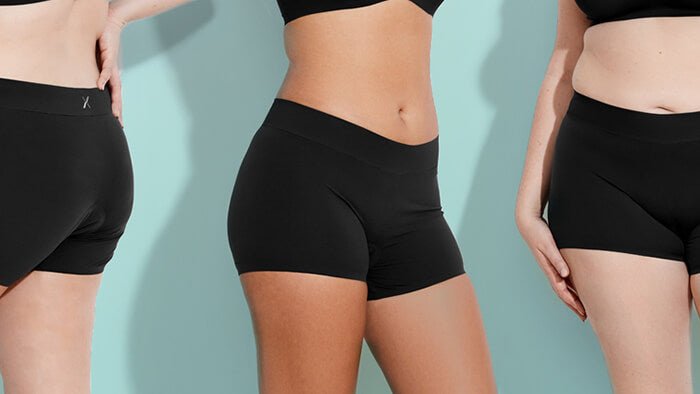
Tight gym clothing (like leggings, compression shorts, or leotards) increases warmth and friction. This can lead to irritation and make it easier for bacteria to enter.
Duration Of Wear
The longer you stay in wet clothes, the higher the risk. Quick changes reduce the chance for bacteria to multiply.
Hygiene Habits
If you don’t shower or wipe off sweat after exercise, bacteria can stay on your skin. This is even more of a problem if you leave sweaty clothes on.
Sharing Equipment Or Towels
Using shared gym equipment or towels can transfer bacteria to your skin, which is then trapped by wet gym clothes.
Credit: www.utivahealth.com
Who Is Most At Risk?
While anyone can get a UTI, certain people should be especially careful:
Women
Women have a shorter urethra, so bacteria have a shorter path to the bladder. This makes it easier for infections to start.
People With Sensitive Skin
Those prone to skin irritation or with conditions like eczema may have weaker skin barriers, making bacterial entry easier.
People With Diabetes
Diabetes can lower the immune system’s effectiveness and raise the risk of infections, including UTIs.
Athletes And Fitness Enthusiasts
Frequent exercise, especially in hot or humid conditions, means more sweat and more time spent in damp gym clothes.
People With Weakened Immunity
If your immune system is compromised by medication or illness, you’re more vulnerable to infections.
Real-life Scenarios: When Wet Gym Clothes Cause Problems
It’s helpful to look at some examples to see how wet gym clothes can increase UTI risk.
Case 1: The Busy Professional
A woman works out in the morning, then heads straight to work, wearing tight leggings for hours. She notices burning when urinating a few days later. Her wet gym clothes didn’t directly cause the UTI, but they helped bacteria multiply and reach her urethra.
Case 2: The College Athlete
A college athlete stays in her uniform after games, sometimes for hours, due to travel or lack of facilities. She gets frequent UTIs, likely because sweat, bacteria, and friction combine to create a perfect environment for infection.
Case 3: The Yoga Enthusiast
A yoga fan wears breathable, loose clothing and changes soon after class. She rarely gets UTIs, showing how quick changes and fabric choice can lower risk.
These scenarios show that small choices—like changing clothes quickly and picking the right fabrics—make a big difference.
Comparing Fabrics: Which Are Safest?
The type of gym clothing you wear can affect how much moisture stays on your skin and how quickly bacteria can grow.
Here’s a comparison of common gym clothing materials:
| Fabric Type | Moisture Absorption | Breathability | Drying Speed | Risk Level |
|---|---|---|---|---|
| Cotton | High | Good | Slow | Medium |
| Polyester | Low | Average | Fast | Low-Medium |
| Spandex/Lycra | Low | Poor | Fast | Medium |
| Wool blends | Average | Good | Average | Low |
| Bamboo | High | Excellent | Moderate | Low |
Insight: Fabrics that dry quickly and allow your skin to breathe are better for lowering UTI risk. Cotton feels comfortable but can stay damp, while bamboo and wool blends are more breathable and dry faster.
Myth Vs. Reality: Separating Facts About Wet Gym Clothes And Utis
There are many beliefs about gym clothes and UTIs. Let’s look at the facts.
Myth 1: Only Women Need To Worry
Reality: Women are more at risk, but men can also get UTIs, especially if they wear tight, damp clothing for long periods.
Myth 2: Any Sweat Causes Uti
Reality: Sweat alone doesn’t cause UTIs. The problem comes when sweat, bacteria, and friction combine, especially if you don’t change clothes quickly.
Myth 3: Synthetic Fabrics Always Cause More Problems
Reality: Some synthetic fabrics wick moisture away from the skin, which can be good. Others trap heat and moisture, which is bad. It’s the combination of fit, material, and how long you wear them that matters most.
Myth 4: Utis Always Come From The Gym
Reality: UTIs can start from many sources, including poor hygiene, sexual activity, or dehydration—not just gym clothes.
Myth 5: Wet Gym Clothes Are Fine As Long As You’re Not Sweating Much
Reality: Even a small amount of moisture can help bacteria grow, especially if the clothes are tight and worn for a long time.
Data: How Common Are Utis From Wet Gym Clothes?
While there isn’t a direct statistic for UTIs caused only by wet gym clothes, studies show that:
- UTIs are among the most common infections in women worldwide.
- Up to 60% of women will have a UTI in their lifetime.
- Athletes and those with active lifestyles report higher rates of UTIs, especially if they don’t change clothes soon after exercise.
A survey of female college athletes found that UTI rates were higher in those who wore damp uniforms for longer times. This suggests a link, but not a direct cause.
Practical Steps To Lower Your Uti Risk
You don’t have to stop exercising or enjoying your workouts. Here’s what you can do to stay safe:
1. Change Clothes Quickly
Try to remove wet gym clothes as soon as possible after your workout. Bring a change of clothes to the gym if you can.
2. Choose Breathable Fabrics
Pick workout gear made of moisture-wicking materials that dry quickly and allow airflow. Bamboo and some high-tech synthetics are good choices.
3. Practice Good Hygiene
Wipe off sweat and shower soon after exercise. Pay attention to the genital area, but avoid harsh soaps that can irritate skin.
4. Stay Hydrated
Drinking plenty of water helps flush bacteria out of your urinary tract.
5. Avoid Tight, Non-breathable Clothing
Loose-fitting clothes are less likely to trap moisture. If you must wear tight clothes, change out of them right after your workout.
6. Use Clean Towels
Always use your own clean towel at the gym, and don’t share with others.
7. Urinate After Exercise
This can help flush bacteria out of the urethra, reducing the risk of infection.
8. Dry Off Completely
Before putting on clean clothes, make sure your skin is dry, especially in the groin area.
9. Pay Attention To Symptoms
If you notice burning, frequent urination, or cloudy urine, see a healthcare professional quickly.
10. Wash Gym Clothes Properly
Use hot water and dry clothes thoroughly to kill bacteria.

Credit: myadira.com
Comparison: Preventing Utis—exercise Habits Vs. Non-exercise Habits
Let’s compare common habits and their effects on UTI risk.
| Habit | Effect on UTI Risk | Notes |
|---|---|---|
| Changing out of wet gym clothes quickly | Decreases risk | Removes moisture, limits bacteria growth |
| Wearing tight, damp clothing for hours | Increases risk | More friction, bacteria multiply easily |
| Using clean towels | Decreases risk | Reduces bacterial transfer |
| Skipping showers after exercise | Increases risk | Bacteria stay on skin longer |
| Staying hydrated | Decreases risk | Flushes urinary tract |
Insight: The combination of quick changes, good hygiene, and smart clothing choices makes a big difference.
Two Key Insights Beginners Miss
Moisture-wicking Does Not Always Mean Safe
Many people believe that moisture-wicking fabrics are always safe. But if these clothes are tight and not washed often, they can still trap bacteria. The key is both the fabric and how you use it.
Symptom Delay
UTI symptoms may not appear immediately. You might feel fine after leaving the gym, but an infection can develop over the next day or two. This delay means it’s important to be consistent with your habits, not just react when symptoms start.
Common Mistakes To Avoid
Even people who exercise regularly and care about hygiene make simple errors. Here’s what to watch for:
- Leaving Gym Clothes in a Bag: Dirty, damp clothes in a gym bag become a breeding ground for bacteria.
- Reusing Unwashed Workout Gear: Always wash gym clothes between uses, even if they “don’t smell bad.”
- Ignoring Early Symptoms: Waiting too long to see a doctor can allow the infection to move to the kidneys.
- Using Scented Soaps or Sprays: These can irritate the genital area, making infection more likely.
- Not Drying Properly After Shower: Moisture left on the skin can undo the benefits of showering.
When To See A Doctor
Sometimes, despite your best efforts, you might get a UTI. It’s important to seek medical help if you notice:
- Burning or pain when urinating
- Blood in your urine
- Pelvic pain or pressure
- Fever or chills
- Nausea or vomiting
A healthcare provider can prescribe antibiotics and give advice for future prevention. Untreated UTIs can lead to serious kidney infections, so don’t ignore symptoms.
Practical Tips For The Gym
- Pack an extra set of clothes and underwear in your gym bag.
- Use gym-provided wipes or bring your own to clean equipment.
- If possible, shower at the gym before heading home.
- Store dirty clothes in a separate, breathable bag to avoid spreading bacteria to other items.
These small steps can keep you more comfortable and healthy.
Other Health Risks Of Wet Gym Clothes
UTIs aren’t the only concern. Wearing damp clothing for long periods can also cause:
- Yeast infections: Moisture helps yeast grow.
- Skin rashes: Sweat and friction can lead to chafing and irritation.
- Fungal infections: Athlete’s foot and jock itch are common in warm, damp environments.
This makes it even more important to change out of wet clothes quickly.
Expert Opinion
Medical professionals agree: wet gym clothes are not a direct cause of UTIs, but they do raise the risk by creating a good environment for bacteria. According to the Cleveland Clinic, changing promptly and practicing good hygiene are the best ways to lower your risk.
For more detailed information on urinary tract health, see this CDC resource.
Frequently Asked Questions
What Are The First Signs Of A Uti?
The first signs are usually a burning feeling when urinating, needing to urinate often, and cloudy or strong-smelling urine. Some people also feel pelvic pain or pressure.
How Quickly Should I Change Out Of Wet Gym Clothes?
It’s best to change clothes as soon as possible—ideally within 30 minutes after finishing your workout. The less time spent in damp clothing, the lower your risk.
Can Men Get Utis From Wet Gym Clothes?
Yes, men can get UTIs, although it’s less common than in women. Wearing wet, tight clothing for long periods can still increase risk for both genders.
Are Certain Sports Riskier For Utis?
Sports that involve lots of sweating and require tight uniforms—like cycling, running, or dance—may have a higher risk if you don’t change quickly and practice good hygiene.
Do Antibiotics Always Cure Utis?
Most UTIs are cured with a short course of antibiotics, but it’s important to finish all medicine, even if you feel better. Always see a healthcare provider for the best treatment.
Wet gym clothes are a part of an active life—but with smart habits, you can enjoy exercise and keep your urinary tract healthy. Small changes, like picking the right fabric and changing quickly, go a long way. Listen to your body, stay aware, and don’t let preventable infections slow you down.
