

Is It Business Casual to Wear a Hat? Style Rules Explained
Is It Business Casual To Wear A Hat
The world of business casual dress can feel confusing. You may know the rules for shirts, pants, and shoes, but what about accessories—like hats? This is a question many people ask, especially when trying to express their style or protect themselves from the sun.
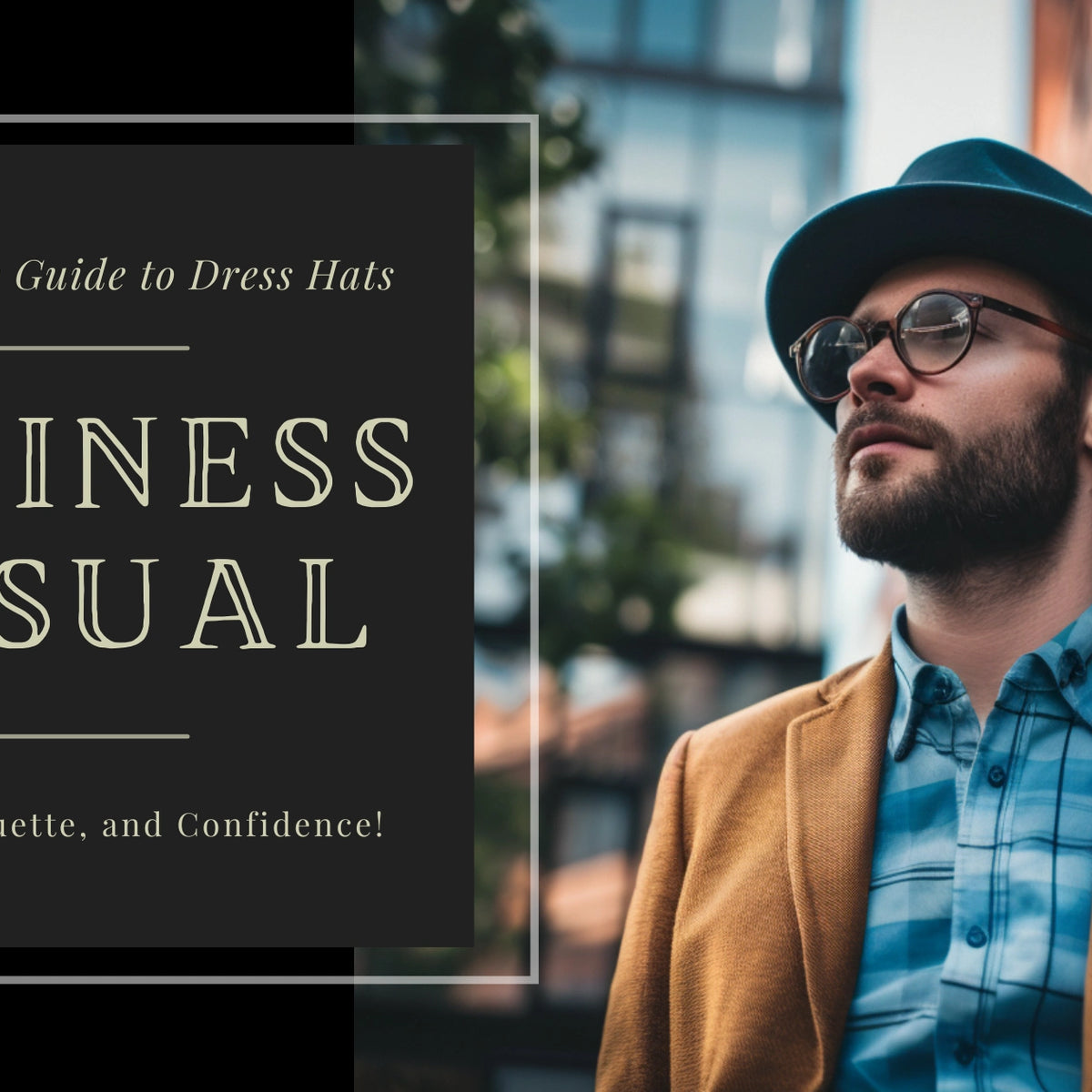
Some think hats are always too informal for work, others say they can be stylish and acceptable. So, is it business casual to wear a hat? Let’s explore how hats fit into business casual dress codes, where they are appropriate, and what you should consider before wearing one to work.
Understanding Business Casual: What Does It Really Mean?
Business casual is a popular dress code in offices, events, and meetings. But its meaning changes depending on the company, country, and industry. In general, business casual means looking professional but not too formal. You don’t need a suit and tie, but you should avoid jeans, shorts, or anything too relaxed.
Most people understand business casual as:
- Collared shirts (like button-downs or polos)
- Dress pants or khakis
- Closed-toe shoes (loafers, flats, dress boots)
- Blazers or sweaters
But what about accessories? Belts, watches, and simple jewelry are almost always fine. Hats are less clear. To decide if hats fit in business casual, you first need to know why business casual exists. The goal is to look professional but comfortable.
Anything that distracts, draws too much attention, or seems out of place is usually not business casual.
The History And Cultural Roots Of Hats In Professional Settings
Hats used to be common in workplaces. Decades ago, men often wore fedoras, women wore stylish hats, and hats were part of both formal and business attire. Over time, hats became less popular indoors. Today, most offices don’t expect hats as part of professional dress.
However, in some cultures and industries, hats still play a role. For example:
- Creative industries (fashion, art, music) sometimes welcome hats as style statements.
- Outdoor jobs (construction, landscaping, delivery) may require hats for safety or comfort.
- Religious or cultural hats (like turbans, yarmulkes, hijabs) are protected and accepted in most workplaces.
This history shows that hats can be professional, but their place in business casual depends on context. Understanding these roots helps you see why rules about hats are not simple.
Types Of Hats And Their Business Casual Potential
Not all hats are equal. Some are casual, some are formal, and some sit in the middle. To decide if a hat is business casual, look at its style, material, and how it matches your outfit.
Here is a guide to common hat types and their usual business casual fit:
| Hat Type | Business Casual Fit | Typical Workplace Use |
|---|---|---|
| Fedora | Sometimes | Creative, high-fashion offices |
| Beanie | Rarely | Tech startups, winter-only |
| Baseball Cap | No | Casual Fridays, outdoor jobs |
| Beret | Sometimes | Art, design companies |
| Wide-Brim Hat | Rarely | Outdoor events, travel |
| Flat Cap | Sometimes | Traditional, creative workplaces |
| Bucket Hat | No | Outdoor, informal only |
| Pork Pie Hat | Sometimes | Creative, music industry |
Some hats, like fedoras or berets, can work in relaxed or creative offices. Others, like baseball caps or bucket hats, are almost always too casual for business settings. Even when a hat is stylish, it may not fit the business casual dress code unless your workplace is open to creative styles.
Workplace Policies: Why Context Is Everything
Every company has its own dress code. Some are strict, some are relaxed. The rules about hats depend on the industry, location, and company culture. For example:
- Finance and law: Most banks, law firms, and consulting companies do not allow hats indoors. These industries value tradition and a clean, polished look.
- Tech and startups: Many tech companies have relaxed dress codes. In some offices, beanies or caps are common, especially in winter.
- Retail and hospitality: Rules depend on customer interaction and branding. Some brands use hats as part of their uniform.
- Creative fields: Music, art, and design companies may allow hats as part of personal style.
If you are unsure, check your company handbook or ask HR. Even if your workplace is relaxed, remember that hats can still distract or send the wrong message. Most dress codes say hats should be removed indoors unless for medical, religious, or cultural reasons.
The Impact Of Wearing A Hat: Perceptions And Professionalism
Wearing a hat at work changes how people see you. In some cases, a hat can make you look stylish and confident. In others, it may seem unprofessional or disrespectful. Here are some ways hats affect perceptions:
- Authority and Trust: Studies show that people judge professionalism by how closely you follow social norms. If hats are rare in your office, wearing one may make you stand out—in a good or bad way.
- Attention and Distraction: Bold hats draw attention. If your hat is bright, large, or unusual, it can distract coworkers or clients.
- Cleanliness and Hygiene: Hats can hide messy hair but also carry dust or sweat. A dirty or worn-out hat looks careless.
- Culture and Respect: In some cultures, removing your hat indoors shows respect. Wearing a hat in meetings or interviews may be seen as rude.
- Personal Expression: For some, hats are part of their identity. If your company values individuality, a tasteful hat can fit business casual.
These points show that hats are not just about style—they signal professionalism, respect, and awareness of your workplace.
Gender Differences: Hats For Men And Women In Business Casual
Hats are often seen differently for men and women. Women’s hats can be more accepted, especially in certain styles or climates. For men, hats are usually seen as more casual or less formal.
Women’s Hats
Women may wear hats for style or practical reasons. Examples include:
- Fascinators: Small decorative hats, usually for special events.
- Wide-brim hats: For sun protection, sometimes worn at outdoor business events.
- Berets or stylish caps: Often accepted in creative industries.
Women’s hats are more likely to match business casual if they are subtle, neutral, and match the outfit.
Men’s Hats
Men’s hats are less common in offices. Acceptable styles may include:
- Flat caps: Sometimes seen in traditional or creative workplaces.
- Fedoras: Rare, but possible in fashion-driven environments.
- Beanies: Only in cold climates and relaxed offices.
Men should avoid baseball caps and bucket hats in business casual settings. Even stylish hats should be clean, simple, and not too bold.
Unisex Styles
Some hats work for all genders. Neutral colors, simple designs, and classic shapes are safest. If you are unsure, ask a manager or observe what others wear.

Credit: www.reddit.com
Wearing A Hat: Practical Tips For Business Casual Success
If you want to wear a hat in a business casual setting, follow these practical tips:
- Choose the Right Hat: Pick hats that are simple, neutral, and fit your outfit. Avoid flashy colors, logos, or oversized styles.
- Check Company Policy: Read your company’s dress code. If hats are not mentioned, ask HR or observe what managers wear.
- Match the Occasion: Hats may be fine for outdoor events, travel, or creative meetings. Avoid hats in interviews, formal presentations, or important client meetings.
- Keep Hats Clean: Make sure your hat is free from stains, dust, or damage. A dirty hat can ruin your professional image.
- Use Hats for Practical Needs: Hats for medical, religious, or cultural reasons are usually accepted. If you need a hat for sun protection or warmth, explain it to your manager.
- Remove Hats Indoors: In most offices, hats should be taken off indoors unless you have a specific reason.
- Consider Your Role: Leaders and managers should be extra careful with hats. People may judge your professionalism more strictly.
Following these tips helps you stay safe, stylish, and within business casual limits.
Real-world Examples: When Hats Are Accepted Or Rejected
Let’s look at some real examples to see how hats fit business casual in different workplaces.
Example 1: Creative Agency
At a graphic design firm, employees often wear stylish hats. The company encourages personal expression. Berets, fedoras, and even beanies are common. Clients expect a creative atmosphere, so hats are part of the culture.
Example 2: Financial Institution
A large bank bans hats indoors. Employees wear classic business casual—no accessories that distract. Wearing a hat could be seen as disrespectful, especially in client meetings.
Example 3: Retail Store
A fashion retail store includes hats in its uniform. Employees wear branded caps or stylish hats to match the brand image. Here, hats are part of business casual.
Example 4: Tech Startup
In a relaxed tech office, some staff wear beanies or caps in winter. The company values comfort, so hats are allowed, but they should be clean and simple.
Example 5: Outdoor Event
At a business retreat outdoors, hats are encouraged for sun protection. Wide-brim hats and caps are accepted, but employees remove them indoors.
These examples show that hats can fit business casual, but only in the right context.
Data And Statistics: How Common Are Hats In Business Casual?
There is little formal data on hats in business casual, but surveys and studies give clues.
- A survey by CareerBuilder found that 85% of hiring managers said hats were not appropriate for interviews.
- In a LinkedIn poll, only 12% of respondents said hats were accepted in their office’s business casual dress code.
- HR experts report that religious and medical hats are accepted in almost all workplaces.
- In creative industries, up to 30% of employees report wearing hats as part of their style.
This data suggests hats are rare in most business casual settings, but more common in creative or practical roles.
Comparing Hats To Other Accessories In Business Casual
To see where hats fit in business casual, it helps to compare them to other common accessories.
| Accessory | Business Casual Acceptance | Reason |
|---|---|---|
| Belt | Yes | Functional, neat |
| Watch | Yes | Professional, subtle |
| Necklace | Yes (if simple) | Style, not distracting |
| Hat | Rarely | Can distract, not traditional |
| Scarf | Sometimes | Weather, style |
| Bracelet | Yes (if subtle) | Personal style |
This comparison shows hats are less accepted than other accessories. The main reasons are tradition and distraction.

Credit: www.agnoulitahats.com
Non-obvious Insights: What Beginners Often Miss
Many beginners don’t realize these important points about hats in business casual:
- Regional Differences: Some regions are more relaxed about hats. For example, creative offices in big cities may accept hats, while smaller towns may not.
- Company Branding: Hats can be part of company branding. If your workplace uses hats in uniforms or marketing, they may fit business casual.
- Weather and Function: In cold climates, hats are more accepted for warmth. In sunny regions, hats for protection are sometimes allowed.
- HR Flexibility: Human Resources may accept hats if you explain your need. For medical conditions, hats are almost always accepted.
- Remote Work Changes: As remote work grows, some dress codes are more relaxed. Hats may be accepted during video calls, but not in the office.
Understanding these points helps you make smart choices that respect your workplace and your style.
Making The Right Choice: How To Decide If A Hat Is Business Casual
To decide if you should wear a hat in business casual, ask yourself these questions:
- Does my company allow hats indoors?
- Is the hat clean, simple, and neutral?
- Will the hat distract others or draw too much attention?
- Am I wearing the hat for a practical reason (medical, religious, weather)?
- Do managers or leaders wear hats in this workplace?
- Will clients or coworkers see the hat as unprofessional?
If you answer “yes” to most questions, the hat may be fine. If not, consider leaving it at home.
How To Communicate About Hats In Business Casual
If you want to wear a hat but are unsure, it’s best to communicate with your manager or HR. Here are some practical steps:
- Ask for Guidance: Politely ask your manager or HR if hats are allowed in business casual. Mention your reasons.
- Share Your Reason: If the hat is for medical, religious, or cultural reasons, explain this. Most companies will accept your request.
- Suggest Solutions: If hats are banned, ask if you can wear them outdoors, during breaks, or in certain areas.
- Respect Others: If coworkers feel uncomfortable, be flexible. You can remove the hat in meetings or important events.
- Document Policies: If you get permission, ask for it in writing. This protects you if dress codes change.
Clear communication helps avoid misunderstandings and makes your workplace more comfortable for everyone.
Legal And Ethical Considerations: Protected Hats In Business Casual
Some hats are protected by law. For example, hats worn for religious or medical reasons must be accepted in almost all workplaces. This includes:
- Yarmulke (Jewish tradition)
- Hijab (Islamic tradition)
- Turban (Sikh tradition)
- Medical hats (for health conditions)
Employers cannot ban these hats without violating anti-discrimination laws. If you wear a protected hat, you have legal rights. For more details, see EEOC guidelines.
Credit: www.agnoulitahats.com
Business Casual Hats For Special Events
Some business events allow hats even if they are banned in the office. Examples:
- Outdoor retreats
- Company picnics
- Trade shows
- Travel for business
For these events, hats for sun protection or style are accepted. Just remember to remove hats indoors or during formal parts of the event.
The Future Of Hats In Business Casual
As workplaces change, hats may become more accepted. Remote work, creative industries, and climate concerns are making dress codes more flexible. Fashion trends also influence what is seen as professional.
But tradition still matters. Most offices keep hats out of business casual to avoid distractions and protect their image. If you want to wear a hat, choose styles that are subtle and match your workplace’s culture.
Frequently Asked Questions
Can I Wear A Baseball Cap In Business Casual?
No, baseball caps are almost never accepted in business casual. They are seen as too informal and usually worn for sports or outdoor activities. Only wear a cap if your company uniform includes one or you work outdoors.
Are Hats Allowed For Medical Or Religious Reasons?
Yes, hats worn for medical or religious reasons are protected by law. Employers must allow these hats unless they pose a safety risk. If you need a hat for these reasons, communicate with HR.
What Types Of Hats Are Most Accepted In Business Casual?
Simple, neutral hats like flat caps, berets, or stylish fedoras are sometimes accepted in creative or relaxed workplaces. Avoid hats with bright colors, large logos, or unusual shapes.
Should I Remove My Hat Indoors?
Yes, unless you have a specific reason (medical, religious, cultural), you should remove your hat indoors. This shows respect and matches most business casual dress codes.
How Can I Check If Hats Are Allowed In My Workplace?
Read your company’s dress code, ask HR, or observe what managers and coworkers wear. If hats are not mentioned, it’s safer to avoid them unless you see others wearing them.
Business casual is about looking professional and respecting your workplace. Hats can fit in some settings, but not all. When in doubt, choose subtle styles and communicate with your company. This helps you stay stylish, comfortable, and confident at work.
