

Is It Better to Run in Shorts Or Pants? Ultimate Running Guide
Are you wondering whether you should run in shorts or pants? Choosing the right gear can make a big difference in your comfort and performance.
You want to feel free to move without distractions like chafing, overheating, or feeling too cold. This simple choice might seem small, but it affects how you enjoy every step of your run. Keep reading to discover which option suits your running style, weather, and body best—so you can run smarter and feel great every time.

Credit: row.gymshark.com
Benefits Of Running In Shorts
Running in shorts offers many benefits that help improve your experience. Shorts keep you light and free, making every step easier. They are a smart choice, especially in warm weather or for fast runs.
Choosing shorts can help your body stay comfortable and cool. Here are some key benefits that make shorts a good option for running.
Enhanced Breathability
Shorts allow more air to reach your skin. This helps sweat evaporate quickly. Your legs stay dry and less sticky. Breathable fabric in shorts reduces overheating during runs. It helps keep your body temperature steady.
Increased Range Of Motion
Shorts give your legs more freedom to move. They do not restrict your steps or strides. This helps you run more naturally and easily. A full range of motion lowers the chance of injuries. You can run faster and with better form.
Cooling Effect In Warm Weather
Shorts expose more skin to the air. This helps your body cool down faster. Running in shorts feels lighter and fresher on hot days. The cooling effect helps you avoid heat stress. It keeps your energy levels steady.
Advantages Of Running In Pants
Running in pants offers several benefits that help improve your experience. Pants provide more coverage and support than shorts. They protect your legs and keep your muscles ready for action. For many runners, pants feel more comfortable and practical.
These benefits make pants a popular choice for different weather and running conditions.
Protection Against Elements
Pants shield your legs from wind, rain, and sun. They stop dirt, bugs, and small plants from touching your skin. This protection reduces the chance of scratches and irritation. Running pants often use materials that dry quickly and resist water. This keeps you comfortable even in bad weather.
Muscle Support And Compression
Running pants often have tight fits that support muscles. This support helps reduce fatigue and muscle soreness. Compression pants improve blood flow during and after running. They keep muscles warm and ready to work. Many runners feel less tired when wearing compression pants.
Warmth In Cold Conditions
Pants keep your legs warm on cold days. They trap body heat better than shorts. This warmth helps your muscles stay flexible and less likely to get injured. Running in pants makes cold weather runs more enjoyable. You can run longer without feeling the chill.
Weather Considerations
Choosing between shorts and pants depends a lot on weather conditions. Weather affects comfort, body temperature, and even safety. Running gear should match the climate to keep you comfortable and motivated. Consider the temperature, moisture, and wind before deciding what to wear.
Running In Hot Climates
Shorts are usually better in hot weather. They allow air to flow and help sweat evaporate faster. Light-colored, breathable fabrics keep your body cooler. Tight or thick pants can trap heat and cause discomfort. Protect your skin from sunburn with sunscreen or light, loose clothing.
Running In Cold Climates
Pants offer more protection in cold weather. They keep your muscles warm and reduce injury risk. Look for thermal or insulated pants to stay warm. Layering with leggings under pants is also useful. Avoid cotton as it holds moisture and chills the body. Choose moisture-wicking fabrics instead.
Handling Rain And Wind
Water-resistant pants help during rain or strong wind. They keep you dry and block cold wind. Shorts can leave your legs exposed and cold. Lightweight, breathable jackets or windbreakers add extra protection. Look for quick-drying materials to stay comfortable after running.
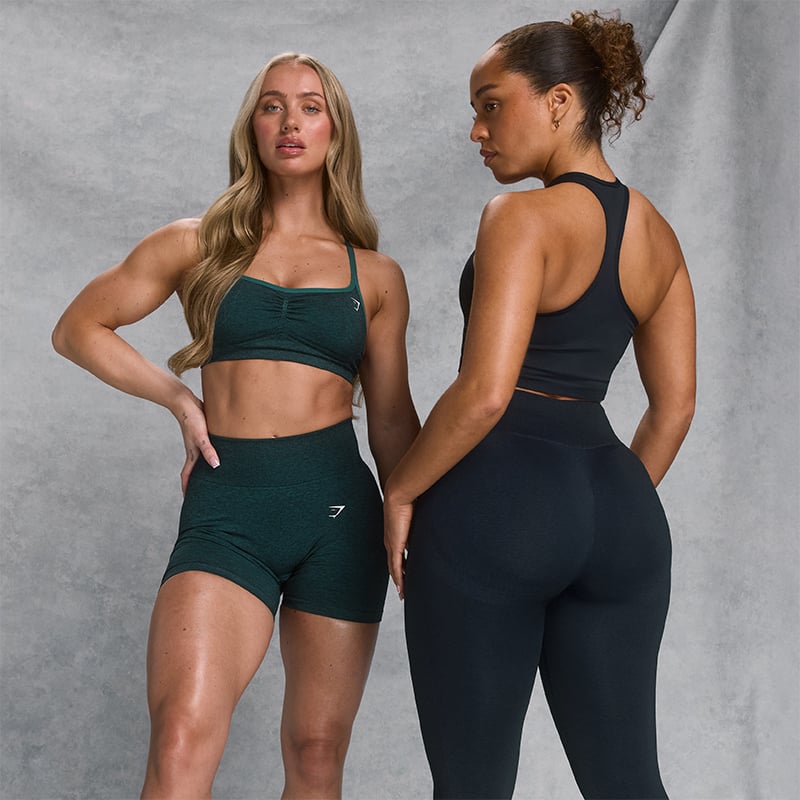
Credit: row.gymshark.com
Material And Fabric Choices
Choosing the right material and fabric for running clothes affects your comfort and performance. Shorts and pants come in many fabrics. Each fabric has its benefits. Understanding these helps you pick the best option for your run.
Moisture-wicking Fabrics
Moisture-wicking fabrics pull sweat away from your skin. This keeps you dry and cool during a run. Many running shorts and pants use polyester or nylon blends. These fabrics dry quickly and reduce chafing. Cotton is not good for running because it holds sweat and feels heavy.
Breathable Materials
Breathable materials allow air to pass through the fabric. This helps lower your body heat. Mesh panels in running shorts or pants increase airflow. Lightweight fabrics like nylon and polyester are usually breathable. Breathability prevents overheating and keeps you comfortable.
Durability And Comfort
Durability is important for running gear. Strong fabrics last longer and resist tears. Look for reinforced stitching and quality materials. Comfort comes from soft, stretchy fabrics that move with your body. Lightweight pants or shorts with some stretch improve your running motion.
Personal Comfort And Fit
Personal comfort and fit play a big role in choosing between shorts and pants for running. The right clothing helps you move freely and enjoy your run. Uncomfortable clothes can distract and slow you down. Understanding what fits well and feels good is key to better performance.
Finding The Right Size
Running clothes should fit snugly, not tight or loose. Shorts that are too big may flap and irritate your skin. Pants that are too tight can restrict your movement. Try different sizes to see what feels best. Always check the size guide before buying.
Avoiding Chafing
Chafing causes pain and discomfort during runs. Clothes that rub your skin cause chafing. Look for smooth seams and soft fabric. Shorts or pants with moisture-wicking material help keep skin dry. This reduces the risk of chafing and skin irritation.
Adjusting For Running Style
Each runner moves differently. Some prefer loose shorts for more air flow. Others like fitted pants for muscle support. If you run fast, tight clothes reduce wind resistance. For slow runs, loose clothes can feel more comfortable. Choose clothes that match your running style.
Safety And Visibility
Safety and visibility are very important for runners. Wearing the right clothes can help drivers see you clearly. This reduces the chance of accidents. Both shorts and pants can be safe if you choose the right features. Bright colors and reflective gear improve your visibility a lot.
Reflective Gear Options
Reflective strips on shorts or pants shine in low light. They catch car headlights and street lamps. Many running clothes have built-in reflective panels. You can also add reflective bands on your ankles or wrists. These small additions make a big difference in safety.
Visibility In Low Light
Running at dawn or dusk means low visibility. Pants cover more skin, so adding reflective elements is smart. Shorts expose more skin but need bright, reflective gear to stay visible. Lights on your shoes or clothing help drivers spot you faster. Choose gear that shines well in dim light.
Choosing Bright Colors
Bright colors stand out in daylight and low light. Neon yellow, orange, and lime green are great choices. These colors catch the eye quickly. Shorts and pants both come in bright shades. Pick the color that you like and that makes you visible on the road.
Style And Fashion Factors
Style and fashion play a big role in choosing running clothes. Your outfit can boost your confidence and comfort. Running shorts and pants come in many designs. Each has its own look and feel. Picking the right style helps you enjoy your run more. It also keeps you looking good.
Popular Running Shorts Styles
Running shorts come in many shapes and lengths. Some runners prefer short, lightweight designs. These allow more air flow and freedom. Others like longer shorts for extra coverage. Split shorts are popular for better leg movement. Compression shorts fit tight and support muscles. Bright colors and patterns make shorts stand out. Reflective details add safety for night runs.
Trendy Running Pants Designs
Running pants blend style with function. Leggings are very popular for their snug fit. They often have pockets and mesh panels. Joggers offer a looser fit and cuffed ankles. Many pants have moisture-wicking fabric to keep dry. Dark colors are common for a sleek look. Some runners choose bold prints to express personality. High-waisted designs provide extra comfort.
Mixing And Matching Gear
Combining shorts and pants with tops creates unique looks. You can wear shorts with a long sleeve shirt. Or pair pants with a tank top for warm days. Color matching helps create a balanced outfit. Contrast colors add a fun, fresh vibe. Accessories like hats and socks complete the style. Choose gear that fits well and feels good.

Credit: www.forbes.com
Expert Tips For Choosing
Choosing between running in shorts or pants depends on many factors. Experts suggest trying different clothes to find what suits you best. Comfort and performance matter most in any running gear.
Testing Different Options
Try running in both shorts and pants on different days. Notice how each feels on your legs. Check if you stay warm or cool enough. See how your skin reacts to the fabric. Testing helps you find the best fit for your runs.
Listening To Your Body
Your body gives clues about what works. If you feel too hot or cold, change your clothes. Watch for any chafing or discomfort. Pay attention to how your muscles feel. Choose what helps you run longer and feel good.
Adapting To Different Runs
Not all runs are the same. Wear shorts for short or warm-weather runs. Choose pants for cold or long-distance runs. Think about wind, rain, or sun exposure. Adjust your clothes based on the run type and weather.
Frequently Asked Questions
Is Running Shorts Better For Hot Weather?
Yes, running shorts are ideal for hot weather. They offer better ventilation and keep you cooler. Shorts help reduce sweat buildup and prevent overheating, enhancing comfort during summer runs.
Do Running Pants Offer Better Muscle Support?
Running pants provide moderate muscle support. Compression pants improve blood flow and reduce muscle fatigue. They help keep muscles warm, which can prevent injuries during colder weather.
Can Shorts Cause Chafing While Running?
Shorts can cause chafing if the fabric is rough or ill-fitting. Look for moisture-wicking, seamless designs to minimize friction. Proper fit and quality material help prevent skin irritation.
Are Running Pants Better For Cold Weather?
Yes, running pants are better for cold weather. They provide insulation and protect against wind and cold. Pants help maintain body warmth, allowing longer and more comfortable runs in chilly conditions.
Conclusion
Choosing between shorts and pants depends on your needs and weather. Shorts keep you cool in warm weather. Pants protect your legs in cold or rough conditions. Comfort matters most for a good run. Try both to see what feels best.
Your body and the weather guide your choice. Stay safe and enjoy every step you take. Running should always feel good, no matter what you wear.
