

Cold Weather Running Outfit: Ultimate Guide to Stay Warm & Fast
When the temperature drops, running can feel tougher than ever. But you don’t have to let cold weather stop you from hitting the pavement.
The right cold weather running outfit can keep you warm, comfortable, and motivated no matter how chilly it gets outside. Imagine enjoying your run without shivering or worrying about frostbite. You’ll discover simple yet powerful outfit tips that protect your body and boost your performance.
Ready to conquer the cold and make every run count? Keep reading to find out how to dress smart and run strong this winter.

Credit: everestkitchennc.com
Choosing Base Layers
Choosing the right base layers is key to staying warm during cold weather runs. Base layers sit closest to your skin. They help keep your body heat in. They also move sweat away. This keeps you dry and comfortable. A good base layer makes a big difference in cold weather.
Fabric Types For Warmth
Materials affect how warm your base layer feels. Wool is warm and soft. It keeps heat even when wet. Synthetic fabrics like polyester dry fast. They also keep you warm. Cotton is not good for cold runs. It holds moisture and cools you down.
Moisture-wicking Properties
Running makes you sweat. Base layers must pull sweat away from skin. This stops chills and discomfort. Wool and synthetic fabrics do this well. They keep you dry and warm. Avoid fabrics that trap moisture. Dry skin means better warmth and comfort.
Fit And Comfort
Base layers should fit snugly but not tight. A close fit helps trap heat. It also moves sweat better. Layers that are too loose let cold air in. Check for seams that don’t rub your skin. Soft, stretchy fabrics add comfort on long runs.
Insulating Mid Layers
Insulating mid layers keep your body warm during cold weather runs. They trap heat close to the skin without adding bulk. Choosing the right mid layer helps you stay comfortable and run longer. These layers fit between your base layer and outer jacket.
Material Options
Fleece is soft and traps heat well. It dries quickly and feels light on the skin. Wool, especially merino wool, keeps warmth even when wet. It also controls odor better than synthetic fabrics. Synthetic materials like polyester offer good insulation and wick moisture away fast. Some mid layers combine materials for better performance.
Layering Techniques
Start with a thin base layer to manage sweat. Add your insulating mid layer to keep warm. Make sure each layer fits comfortably without tight spots. You can add or remove the mid layer as your body temperature changes. Adjust layers based on weather and running intensity.
Balancing Warmth And Breathability
Too warm, and you will sweat too much. Too cold, and muscles get stiff. Choose mid layers that keep heat but let sweat escape. Look for fabrics with good ventilation and moisture control. Proper balance helps maintain comfort and energy during your run.
Protective Outerwear
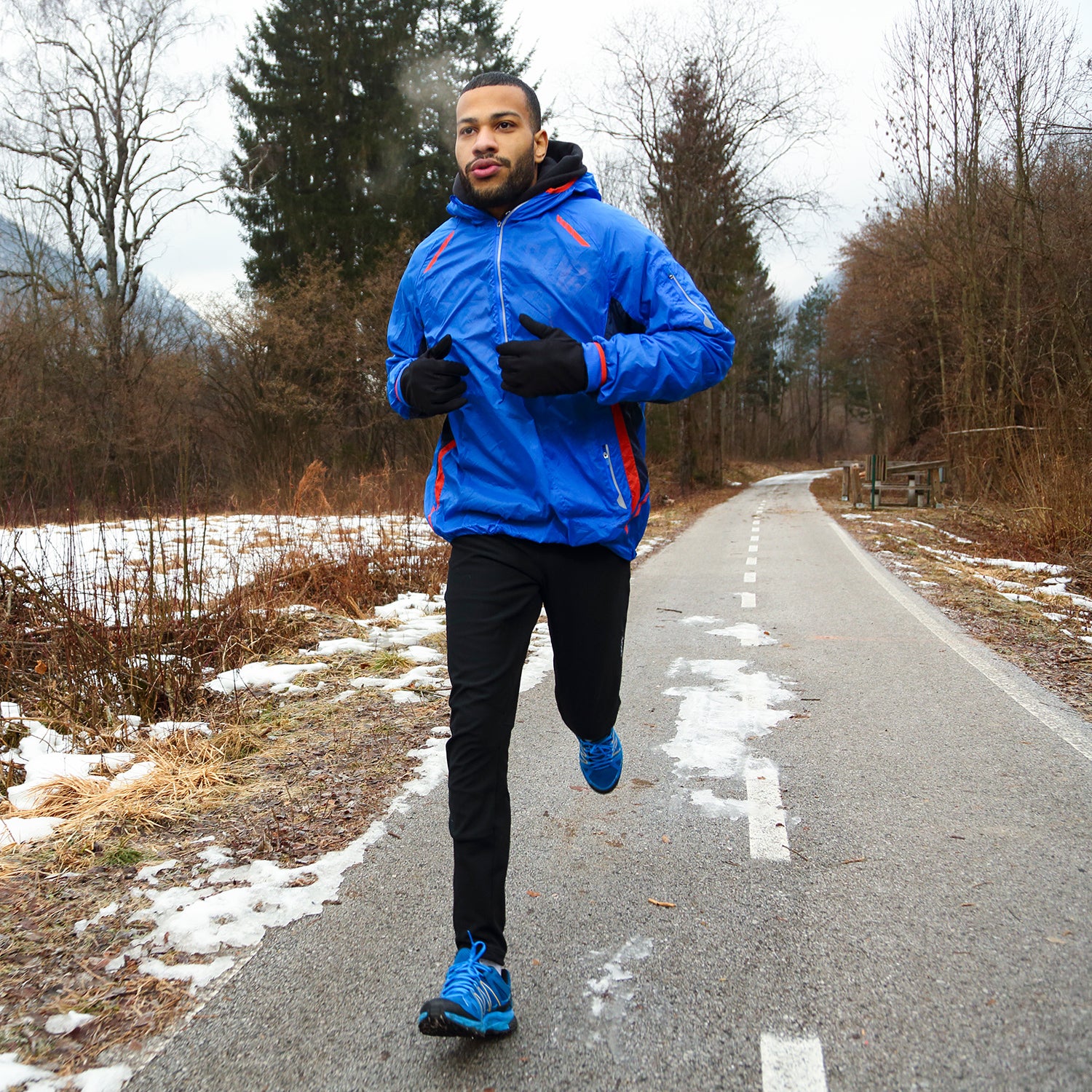
Protective outerwear is essential for cold weather running. It keeps you warm and shields you from harsh weather. The right jacket can block wind and rain. It also helps keep your body temperature steady. Choosing the right outerwear makes running more comfortable and safe.
Windproof And Waterproof Jackets
Windproof jackets stop cold air from reaching your skin. They keep your body heat inside. Waterproof jackets prevent rain and snow from soaking your clothes. This helps you stay dry and warm. Look for jackets made with lightweight, breathable materials. This way, you avoid overheating while running.
Ventilation Features
Ventilation helps control your body temperature. Jackets with vents let sweat escape. This stops you from feeling wet and cold inside. Common vent areas include underarms and back panels. Zippers in these areas allow you to open or close vents as needed.
Reflective Elements For Safety
Reflective elements increase your visibility in low light. Early mornings and evenings can be dark in winter. Reflective strips or patches on jackets make you easier to see. This helps drivers and other runners notice you. Safety should never be overlooked during cold weather runs.
Bottoms For Cold Runs
Running in cold weather needs the right bottoms. Your legs need warmth and comfort. Choosing the right pants can make your run better. Cold air can chill your muscles. Proper bottoms keep you warm and moving.
Let’s explore different options for cold-weather running bottoms.
Thermal Tights Vs. Pants
Thermal tights fit close to your skin. They trap heat and keep you warm. These tights are light and flexible. You can run easily without feeling heavy. Pants are looser and may block wind better. They offer more space for layers. Choose tights for tight fit and warmth. Pick pants for extra wind protection and comfort.
Wind-resistant Materials
Wind can make cold air feel colder. Pants with wind-resistant fabric block cold wind. This stops heat from escaping your body. Look for materials like nylon or polyester blends. They shield your legs and keep warmth inside. Wind-resistant pants help keep muscles warm. They reduce the chance of cramps and stiffness.
Compression Benefits
Compression bottoms squeeze your muscles gently. This helps blood flow during your run. Better blood flow means less muscle pain. Compression tights reduce muscle fatigue. They also support your joints. You can run longer with less soreness. Many runners wear compression tights for recovery too.
Accessories To Retain Heat
Cold weather running demands more than just warm clothes. Accessories play a key role in keeping your body heat locked in. They protect areas that lose heat fast. Wearing the right accessories can make your run comfortable and safe. Here are some essentials to consider.
Hats And Headbands
Your head loses a lot of heat. Wearing a hat blocks cold air and keeps warmth close. Choose a hat made from fleece or wool for extra comfort. Headbands work well if you want to cover just your ears. They stop wind from chilling sensitive skin. Both hats and headbands should fit snugly but not tight.
Gloves And Mittens
Hands get cold quickly in winter. Gloves provide warmth and allow finger movement. Mittens keep fingers together, trapping more heat. Look for gloves or mittens with windproof and water-resistant materials. Thin liners under thicker gloves add extra heat. Keep your hands dry to avoid numbness and discomfort.
Socks And Footwear
Socks keep your feet warm and dry. Choose wool or thermal socks to trap heat. Avoid cotton as it holds moisture and chills the skin. Footwear should have good insulation and grip for icy paths. Waterproof shoes help keep feet dry in snow or rain. Proper socks and shoes prevent frostbite and blisters.
Credit: www.doublekoek.com
Layering Strategies For Changing Conditions
Running in cold weather means facing changing temperatures. Layering clothes helps you stay warm and comfortable. You can add or remove layers as the weather changes. This way, you avoid getting too hot or too cold. Smart layering keeps your body dry and protects you from wind and cold air.
Adapting To Temperature Fluctuations
Start with a thin base layer that pulls sweat away from your skin. Add a middle layer for warmth, like a fleece or light insulated jacket. Use an outer layer that blocks wind and rain. This three-layer system adjusts easily. Take off the outer layer if you get warm. Put it back on when it gets colder.
Easy On And Off Layers
Choose layers with zippers or buttons. They let you open or close layers without stopping your run. Gloves and hats should be easy to remove and carry. Wear shoes that are simple to take off if needed. Quick changes help you control your temperature during your run.
Packing Essentials
Bring extra layers in a small backpack or running belt. Pack a thin hat and gloves to protect extremities. Carry a light windbreaker for sudden weather changes. Keep a dry shirt to change into after your run. These items help you stay safe and warm in cold weather.
Tips For Staying Comfortable
Running in cold weather needs the right outfit for comfort. Choosing the best clothes helps you enjoy your run without feeling too hot or cold. Small changes in your outfit can make a big difference.
Avoiding Overheating
Wear layers you can remove easily. Start with a thin, moisture-wicking base layer. Add an insulating layer for warmth. Use a windproof or waterproof jacket as the outer layer. Open zippers or remove layers if you feel hot. Avoid thick clothes that trap heat and sweat.
Managing Sweat
Choose clothes made from breathable materials. Avoid cotton because it holds moisture. Moisture-wicking fabrics pull sweat away from your skin. This keeps you dry and warm. Use accessories like hats and gloves that also breathe well. Change damp clothes quickly to stop chills.
Preventing Chafing
Wear smooth, tight-fitting clothes that do not rub your skin. Use anti-chafing balms on areas prone to rubbing. Check seams on your clothes for rough edges. Avoid loose clothes that move a lot. Properly fitted shoes and socks help reduce friction too.
Safety Considerations
Running in cold weather brings extra risks. Safety matters most. You need to prepare well to avoid accidents and injuries. Protect yourself from low visibility, slippery roads, and unexpected problems.
Visibility In Low Light
Cold months mean shorter days and longer nights. Run where drivers can see you easily. Wear bright clothes with reflective strips. Use a headlamp or carry a small flashlight. Avoid dark colors that blend into the night. Staying visible saves lives.
Dealing With Ice And Snow
Ice and snow cause slips and falls. Choose shoes with good traction or use special grips. Run on cleared paths or sidewalks. Watch for hidden patches of ice. Take shorter steps to keep balance. Slow down and stay alert to avoid injuries.
Emergency Preparedness
Cold weather can cause sudden problems. Carry a phone and ID on every run. Tell someone your route and expected return time. Dress in layers to stay warm if you stop moving. Pack a small emergency kit with essentials. Being ready helps you stay safe in any situation.
Credit: www.healingwithhorsesranch.org
Frequently Asked Questions
What Should I Wear For Cold Weather Running?
Wear moisture-wicking base layers, an insulating mid-layer, and a windproof outer layer. Use gloves, a hat, and thermal socks to keep extremities warm. Dress in breathable fabrics to manage sweat and avoid overheating during your run.
How To Stay Warm Without Overheating While Running?
Layer your clothing to adjust as needed. Start with a tight base layer, add an insulating layer, and finish with a breathable jacket. Remove or add layers based on your body heat and weather conditions during your run.
Are Thermal Leggings Good For Cold Weather Runs?
Yes, thermal leggings provide insulation and retain body heat. They also wick moisture away from the skin, keeping you dry and comfortable. Choose leggings with a snug fit for optimal warmth and flexibility during cold runs.
Should I Wear A Hat While Running In Cold Weather?
Wearing a hat is important as it prevents heat loss from your head. Choose a thermal or fleece-lined hat to keep your head warm. It also protects your ears from cold winds, improving overall comfort.
Conclusion
Dressing right helps you enjoy cold weather running more. Choose layers that keep you warm and dry. Breathable fabrics stop sweat from making you cold. Don’t forget hats and gloves for extra comfort. Good shoes keep your feet safe on icy paths.
Stay safe, stay warm, and keep moving outside. Running in cold weather can be fun and healthy. Prepare well, and the chill won’t slow you down. Keep these tips in mind for your next run.
