

Is Dance Fitness Effective? Discover the Real Results
Is Dance Fitness Effective?
Finding a fitness routine that is fun, energizing, and truly works can feel like chasing the wind. Many people start traditional workouts with excitement, only to lose interest after a few weeks. Dance fitness, however, has exploded in popularity because it offers something unique—a way to get fit while having fun.
But is dance fitness effective? Let’s break down what makes dance fitness more than just a trend, and why it continues to attract people of all ages and fitness levels.
What Is Dance Fitness?
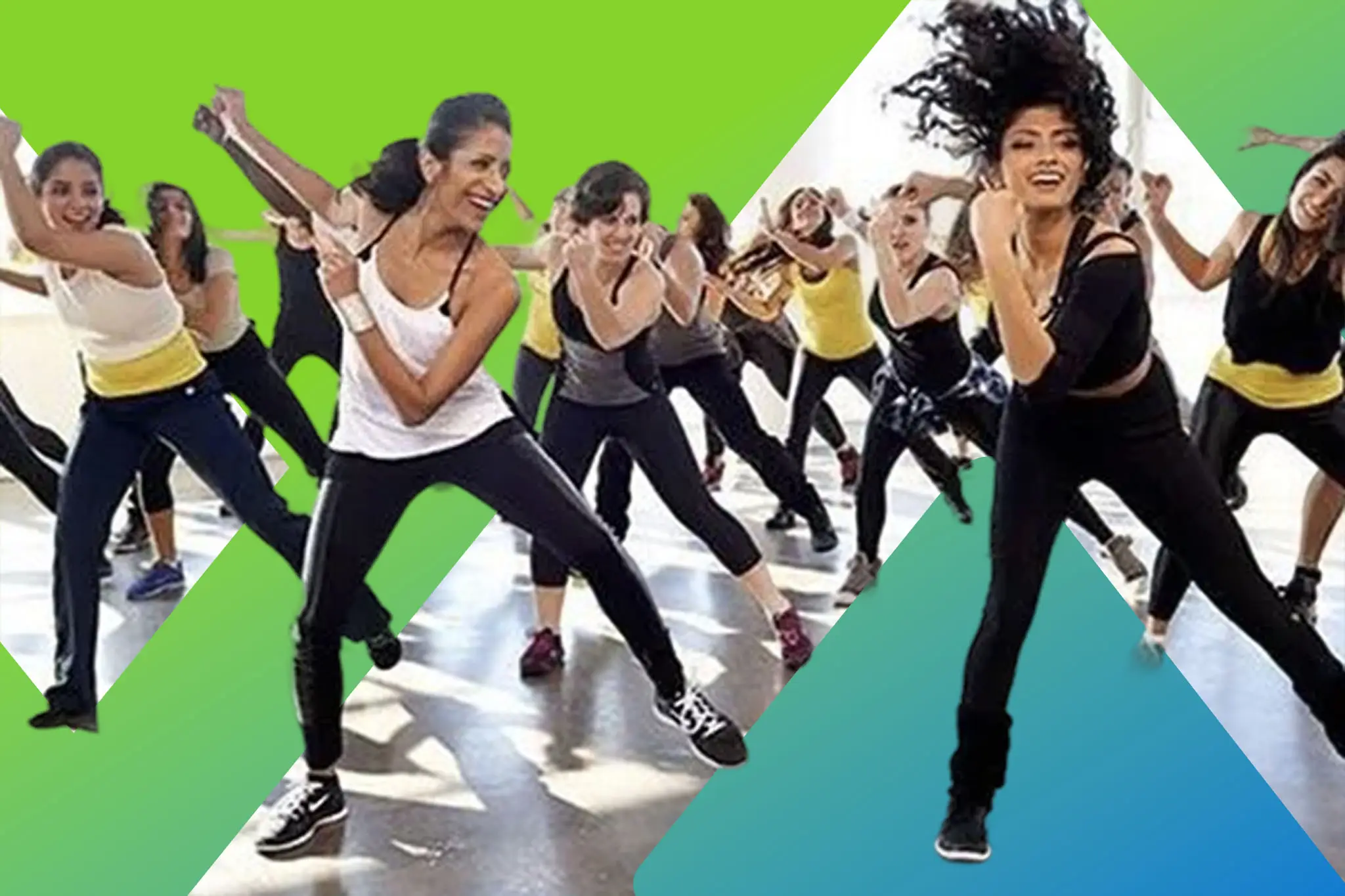
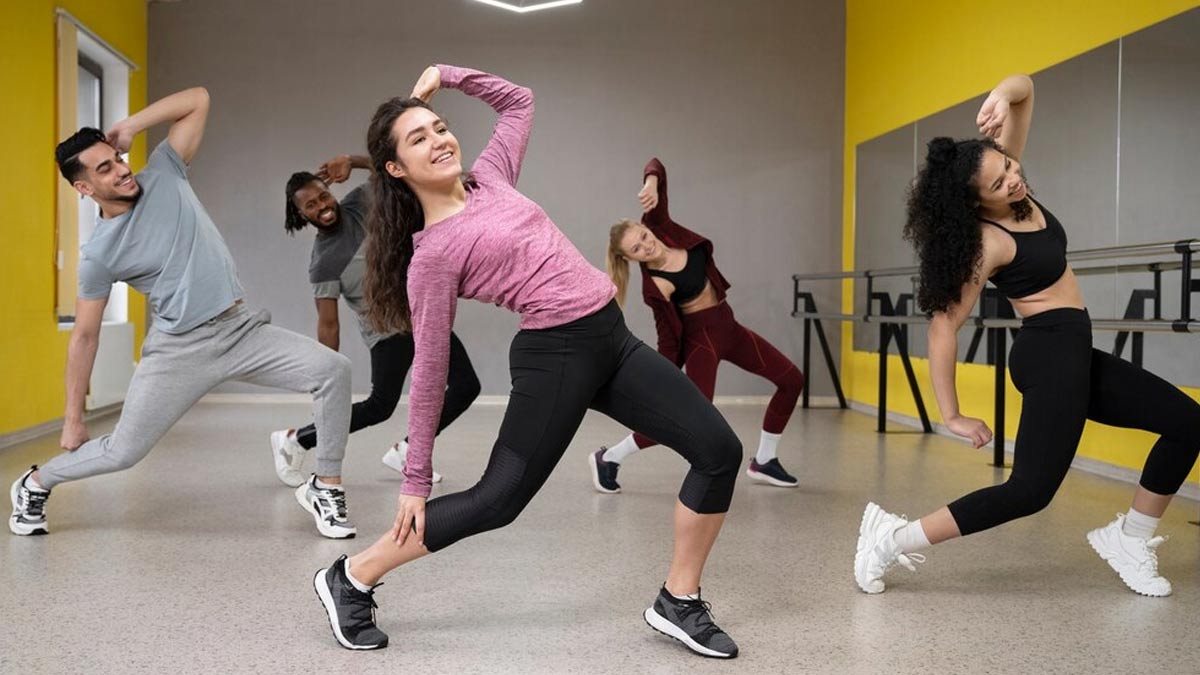
Dance fitness combines structured aerobic moves with music and choreography. Unlike traditional dance classes focused on technique, dance fitness is designed for health, weight loss, and overall well-being. Popular formats include Zumba, Jazzercise, Dance Cardio, and many more. The main goal is simple: move your body, sweat, and enjoy the rhythm.
Dance fitness routines usually mix different dance styles such as hip-hop, salsa, Bollywood, or even ballet. Most classes are suitable for beginners, and instructors encourage everyone to keep moving, regardless of skill level. It’s more about effort and energy than perfect steps.
Physical Benefits Of Dance Fitness
Dance fitness is not just about entertainment. It provides real, measurable health benefits for your body, often matching or exceeding more traditional forms of exercise.
Cardiovascular Health
One of the biggest advantages is cardiovascular improvement. Dance fitness raises your heart rate and keeps it elevated for extended periods. This type of activity strengthens your heart, improves circulation, and helps lower blood pressure. Studies have shown that regular dance fitness can reduce the risk of heart disease, similar to jogging or cycling.
Weight Loss And Fat Burning
Dance fitness helps you burn calories quickly. A typical one-hour class can burn between 400 to 600 calories, depending on the intensity and your weight. This makes it an effective tool for weight loss and maintaining a healthy body weight. Since the movements are continuous and often involve large muscle groups, your body keeps burning calories even after the session is over.
Muscle Toning And Strength
Dance fitness involves repeated movements—jumping, squatting, twisting, and lifting your arms. These actions engage muscles in your legs, core, back, and arms. Over time, this leads to improved muscle tone and strength, especially in the lower body and core. Unlike lifting heavy weights, dance fitness uses bodyweight resistance, making it gentler on the joints.
Flexibility And Balance
Choreographed routines require you to change direction, reach, and stretch. This helps increase flexibility and improves balance. Many dance fitness programs include warm-ups and cool-downs with stretching, which further supports joint health and range of motion.
Coordination And Agility
Following dance steps sharpens your coordination and agility. Learning new routines forces your brain and body to work together, which can help in daily life—such as avoiding trips and falls, especially as you age.
Endurance
Most classes last 45 to 60 minutes. Keeping up with the music and moves boosts your stamina over time. People who stick with dance fitness often notice they can handle physical activity for longer periods without getting tired.
Quick Comparison: Dance Fitness Vs. Other Cardio Workouts
Here’s a quick look at how dance fitness stacks up against other popular cardio activities.
| Workout Type | Calories Burned (1 hour) | Muscle Groups Used | Fun Factor |
|---|---|---|---|
| Dance Fitness | 400-600 | Full body | Very High |
| Running | 500-700 | Legs, Core | Medium |
| Cycling | 400-600 | Legs, Core | Medium |
| Aerobics | 350-500 | Full body | High |
Mental And Emotional Benefits
Dance fitness is not just good for your body—it’s also powerful for your mind and mood. Many people find that dance fitness classes help them feel happier and less stressed.
Stress Reduction
Moving your body to music releases endorphins, chemicals that make you feel happy and calm. Dance fitness is a great way to release daily stress and tension, especially after a tough day. The rhythm and energy of the class can help you forget your worries, at least for a little while.
Boosted Confidence
Learning new steps and routines, and mastering them over time, gives a real sense of achievement. Many participants report increased self-confidence and a better body image after joining dance fitness.
Social Connection
Dance fitness is often done in groups, which builds a sense of community. Whether in-person or online, sharing a fun experience with others can reduce feelings of loneliness and boost motivation. This social aspect makes it easier to stick with your routine long-term.
Improved Brain Function
Remembering choreography and responding to music challenges your memory and focus. Some research even suggests that dance activities can help protect the brain from age-related problems, like memory loss.
Dance Fitness For Different Age Groups
One of the best things about dance fitness is its adaptability. People of almost any age can benefit, but each group may experience it differently.
Children And Teens
For young people, dance fitness is a fun way to get moving. It helps build healthy habits early, improves coordination, and can channel energy in a positive way. It’s also less intimidating than traditional sports, making it easier for shy or less athletic kids to join in.
Adults
For adults, dance fitness is a practical way to manage weight, improve heart health, and beat stress. Many adults appreciate the variety and the fact that it doesn’t feel like a “workout,” making it easier to stick with over time.
Older Adults
Seniors benefit from the balance, flexibility, and gentle strength-building found in many dance fitness classes. There are programs tailored to older adults, focusing on low-impact movements and easy-to-follow routines. This can reduce the risk of falls and promote social interaction.
Types Of Dance Fitness Classes
There’s a dance fitness style for almost everyone. Here are some of the most popular formats:
- Zumba: This Latin-inspired class mixes salsa, merengue, and reggaeton with fitness moves. It’s high energy and easy to follow.
- Jazzercise: One of the oldest dance fitness programs, Jazzercise combines jazz dance, resistance training, Pilates, and yoga.
- Ballet Fitness: These classes use ballet moves to improve posture, flexibility, and muscle tone. No prior dance experience is needed.
- Hip-Hop Cardio: Fast-paced routines set to hip-hop music, focusing on cardio and coordination.
- Bollywood Dance Fitness: Uses Indian music and dance styles for a lively, colorful workout.
- Dance Cardio: A general term for routines that mix various dance genres with aerobic moves.
- Barre Workouts: Inspired by ballet, these classes use a bar for balance and focus on small, controlled movements.
- Step Dance Fitness: Adds a raised platform (step) to increase intensity and work the lower body.
- Aqua Dance Fitness: Dance workouts done in a pool, great for people with joint pain or mobility issues.
- K-Pop Dance Fitness: Based on routines from popular Korean pop music videos—trendy and fun.
Each style offers different benefits, so it’s worth trying a few to see which suits you best.
Comparing Dance Fitness To Traditional Workouts
Some people wonder if dance fitness can truly replace traditional workouts like gym sessions, running, or weight training. Let’s compare the key elements:
| Aspect | Dance Fitness | Traditional Gym Workout |
|---|---|---|
| Cardio | Excellent | Excellent |
| Muscle Toning | Good | Excellent (with weights) |
| Flexibility | Good | Varies |
| Fun Factor | Very High | Varies |
| Learning Curve | Easy-Moderate | Varies |
| Social Interaction | High | Low-Moderate |
| Cost | Low-Moderate | Moderate-High |
Dance fitness covers most elements of a well-rounded workout. While it may not build large muscles like heavy weightlifting, it offers strong benefits for cardio health, flexibility, and mental wellness.
Who Should Try Dance Fitness?
Dance fitness is suitable for most people, but it may be especially helpful for those who:
- Get bored with regular workouts
- Prefer group activities or social settings
- Want to lose weight or improve heart health
- Seek a fun way to stay active
- Need a low-impact workout due to joint issues
However, people with certain health conditions (like severe arthritis or serious heart problems) should check with a doctor before starting a new exercise routine. Many instructors can modify moves to suit different abilities.
Common Myths About Dance Fitness
Many people have doubts or misunderstandings about what dance fitness can do. Let’s clear up some common myths.
“you Have To Be A Good Dancer.”
This is not true. Dance fitness classes are designed for all levels. The focus is on moving and enjoying yourself, not on perfect steps.
“dance Fitness Is Only For Women.”
While classes may have more female participants, dance fitness is for everyone. There are many male instructors and students who enjoy these workouts.
“it’s Not A Real Workout.”
Some believe dance fitness is too easy to be effective. In reality, it can be very challenging, especially at higher intensities. The combination of cardio, strength, and flexibility makes it a full-body workout.
“you Need Special Gear.”
Most classes require only comfortable clothing and supportive shoes. No fancy equipment is needed.
“it’s Only For Young People.”
There are dance fitness programs for every age, including seniors. Moves can be adapted to fit different abilities.

Credit: lablastfitness.com
How To Get The Most Out Of Dance Fitness
To see results and avoid injury, follow these tips:
- Start slow: If you’re new, choose beginner classes. Focus on learning the moves before pushing for high intensity.
- Stay consistent: Aim for at least three sessions a week. Regularity is more important than perfection.
- Listen to your body: Don’t force movements that cause pain. Modify steps as needed.
- Stay hydrated: Dancing makes you sweat. Drink water before, during, and after class.
- Warm up and cool down: Many classes include these, but if not, take time to stretch on your own.
- Mix it up: Try different styles to keep things interesting and challenge new muscles.
Real-world Results And Success Stories
Many people have transformed their bodies and lives with dance fitness. Stories range from dramatic weight loss to improved mental health.
For example, a group of office workers started a lunchtime Zumba class. After a few months, many reported increased energy, better moods, and even improved productivity at work. Another example: seniors who joined a weekly dance fitness group found their balance improved, and some reduced their use of walking aids.
A study published by the National Institutes of Health found that dance-based exercise improved cardiovascular health, body composition, and psychological well-being in adults. These real-world successes show that dance fitness is more than just a fun hobby—it’s an effective wellness tool.
Credit: www.flowfitnessseattle.com
How Dance Fitness Supports Long-term Health
Staying active over the long term is key for good health. Many people drop out of fitness routines because they’re boring or too hard. Dance fitness solves this by making exercise enjoyable.
Improved Adherence
Because classes are fun and social, people are more likely to stick with them. Long-term exercise is linked to better weight management, lower disease risk, and improved mental health.
Reducing Injury Risk
Many dance fitness classes are low-impact, reducing the chance of injury compared to high-impact sports. Instructors often show safer versions of moves for people with joint issues.
Encouraging Healthy Habits
Being part of a dance fitness community can motivate you to eat better, sleep more, and take care of your body in other ways. Small changes add up over time.
Potential Downsides Of Dance Fitness
No exercise is perfect. Here are some possible downsides to consider:
- Risk of injury: Quick, repetitive moves can cause strains if done incorrectly. Always follow the instructor and modify as needed.
- Learning curve: Some people may feel awkward or frustrated at first, especially if not used to following choreography.
- Limited muscle building: While dance fitness tones muscles, it doesn’t replace the benefits of traditional strength training for building large muscle mass.
The key is to combine dance fitness with other activities, like stretching and strength training, for a balanced routine.
How To Choose The Right Dance Fitness Program
With so many options, it can be hard to know where to start. Here’s how to pick the right program:
- Assess your fitness level: Beginners should look for entry-level classes.
- Consider your goals: Want to lose weight? Build strength? Improve mood? Different styles offer different benefits.
- Think about music preference: Choose a class with music you enjoy—it makes a big difference.
- Check the instructor’s credentials: A certified instructor can modify routines for safety.
- Try before you commit: Many gyms and online platforms offer free trial classes.
- Look for community: A supportive group helps with motivation and accountability.
Dance Fitness At Home Vs. In-studio
You can enjoy dance fitness almost anywhere. Here’s a comparison to help decide what works for you.
| Factor | At Home | In-Studio |
|---|---|---|
| Convenience | Very High | Moderate |
| Cost | Low (often free/cheap) | Varies (class fees) |
| Social Motivation | Low | High |
| Instructor Feedback | Limited | Immediate |
| Space Needed | Small to Moderate | Ample |
Both options have pros and cons. Some people prefer the energy and support of a studio, while others love the freedom and privacy of home workouts.
Credit: ononestudios.com
The Science Behind Dance Fitness
Research supports the effectiveness of dance fitness. For example, a meta-analysis published in the Journal of Sports Medicine found that dance-based exercise significantly improves cardiovascular health, flexibility, and body composition. Another study from the American Council on Exercise found that dance fitness classes like Zumba can burn as many calories as running or cycling.
The unique combination of music, movement, and social interaction triggers positive changes in the brain. Scientists have found that dancing can even increase levels of brain-derived neurotrophic factor (BDNF), which helps with learning and memory.
If you want to read more about the science, check out this resource: National Institutes of Health.
Two Non-obvious Insights About Dance Fitness
First, dance fitness can improve posture. Many routines focus on the core and require upright, aligned movement. Over time, this helps you stand taller and reduces back pain—an advantage often missed by beginners.
Second, dance fitness boosts body awareness. Moving to music and learning new steps forces you to pay attention to how your body feels and moves in space. This increased awareness can prevent injuries in other activities and daily life.
Frequently Asked Questions
What Should I Wear To A Dance Fitness Class?
Wear comfortable, breathable clothes that allow you to move easily. Supportive sneakers are important to protect your feet and joints. Avoid sandals or bare feet unless your instructor says it’s okay.
Can I Do Dance Fitness If I Have Two Left Feet?
Absolutely! Most classes welcome all skill levels. The focus is on movement and fun, not perfect dancing. You’ll get better with practice, and no one expects you to be perfect.
How Often Should I Do Dance Fitness To See Results?
For most people, three sessions per week is a good start. Combine dance fitness with other activities like walking or stretching for best results. Consistency is key.
Is Dance Fitness Safe For People With Injuries Or Health Conditions?
Many programs can be modified for different needs. However, if you have serious health conditions or injuries, check with your doctor first. Let your instructor know about any issues so they can suggest safer moves.
Do I Need Any Equipment For Dance Fitness?
Usually, no equipment is needed except comfortable shoes and possibly a water bottle. Some styles, like barre or step, may use extra tools, but your instructor will tell you in advance.
The Final Beat
Dance fitness is more than just an enjoyable pastime. It’s an effective, full-body workout that supports heart health, weight loss, flexibility, and mental well-being. Its social nature and high fun factor make it easy to stay motivated, while a variety of styles and programs fit almost every preference and ability.
Whether you join a local class or dance at home, you’ll find that moving to music is one of the best ways to take care of your body and mind. If you’re searching for a workout that works—and makes you smile—dance fitness is well worth a try.
