

Is Business Casual a Tie: Dress Code Decoded for Professionals
Is Business Casual A Tie
Business casual is one of the most confusing dress codes in the modern workplace. You hear it all the time: “Dress business casual.” But what does it really mean? Does it include a tie, or is a tie too formal? If you’re trying to look professional without being overdressed, understanding business casual is essential. Let’s break down what business casual means, whether a tie fits into this style, and how you can dress confidently for any business casual setting.
What Is Business Casual?
Business casual is a dress code that blends professional attire with comfortable clothing. It’s less formal than traditional business wear, but it’s not as relaxed as casual clothing. Many companies use business casual to create a friendly yet professional environment. This means you don’t need a full suit, but you shouldn’t wear jeans and t-shirts either.
The definition of business casual varies by company, region, and industry. For example, tech startups often allow more relaxed styles, while financial firms stick to stricter rules. That’s why understanding your company’s culture is important before choosing your outfit.
Common Elements Of Business Casual
Business casual usually includes:
- Collared shirts (like button-downs or polos)
- Dress pants (such as chinos or slacks)
- Blouses or neat tops for women
- Skirts or tailored pants for women
- Dress shoes (loafers, oxfords, flats)
It generally excludes:
- Jeans
- Shorts
- T-shirts
- Athletic wear
- Flip-flops
But Where Does The Tie Fit In?
The Tie Dilemma: Is A Tie Business Casual?
One of the most debated questions is whether a tie is part of business casual. The short answer is: usually not required, but sometimes recommended. The longer answer depends on your workplace, your role, and the image you want to project.
Why Ties Are Often Left Out
Business casual aims to relax the formal rules of traditional business wear. A tie is a symbol of formality. In many business casual environments, wearing a tie can make you look overdressed or out of touch. Managers and HR professionals often say, “If you’re unsure, leave the tie at home.
”
Exceptions To The Rule
There are situations where a tie in business casual makes sense:
- Client meetings: If you’re meeting clients or partners, a tie can show respect and professionalism.
- Interviews: For job interviews, a tie is safer unless the company is known for a very relaxed culture.
- Leadership roles: Managers and executives may wear ties to signal authority.
- Special events: Company presentations or formal gatherings may call for a tie.
If you’re not sure, observe what your colleagues wear or ask HR for guidance.
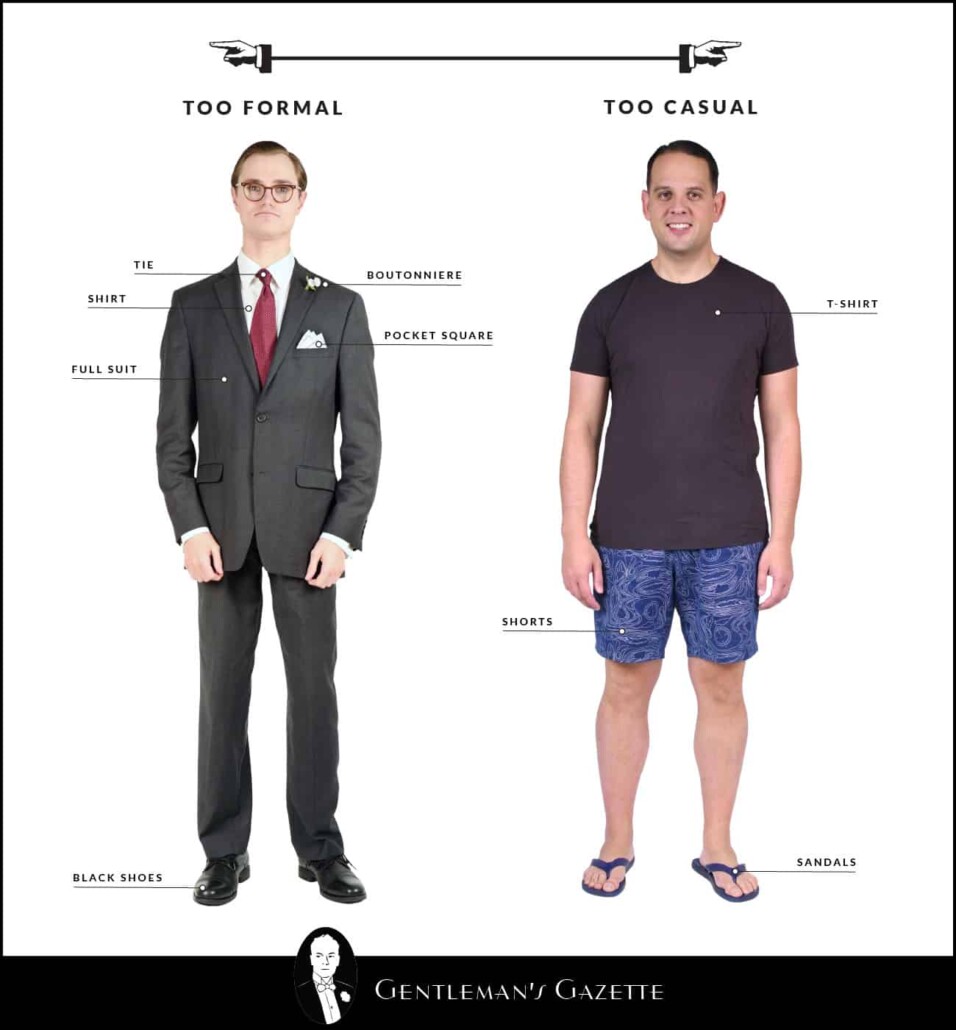
Comparing Business Casual With Other Dress Codes
Let’s look at how business casual compares with traditional business attire and smart casual. This helps clarify where a tie fits.
| Dress Code | Key Elements | Tie Required? |
|---|---|---|
| Formal Business | Suits, dress shirts, dress shoes | Yes |
| Business Casual | Collared shirts, slacks, dress shoes | No (optional) |
| Smart Casual | Polos, chinos, loafers | No |
| Casual | T-shirts, jeans, sneakers | No |
This table shows the tie is a key marker for formal business, but not for business casual.
Real-world Data: How Often Do People Wear Ties In Business Casual?
Recent surveys show that less than 15% of employees wear ties in business casual settings. In a poll of office workers across different industries, only 1 in 7 said they wore a tie regularly to work. In creative or tech companies, the number drops below 5%.
However, in legal or finance offices, the rate can be higher, up to 30%, especially among senior staff.
This means business casual, for most people, is tie-free. But the numbers change based on company culture and job role.
Why Business Casual Matters
Understanding business casual isn’t just about clothes. It’s about fitting in, showing respect, and feeling comfortable. Dress codes can affect how people see you at work. Employees who dress appropriately are often seen as more competent and trustworthy. A study from Harvard found that people who match their company’s dress code are more likely to be promoted.
But being too formal can sometimes hurt. If everyone is wearing polos and you show up with a tie, you may seem distant or not part of the team.
How To Choose The Right Business Casual Outfit
If you want to look sharp without a tie, here’s how to build a business casual wardrobe.
Essential Pieces For Men
- Button-down shirts: Choose solid colors or subtle patterns.
- Chinos or dress slacks: Neutral colors work best.
- Blazers: Optional, but add a touch of formality.
- Dress shoes: Leather loafers or oxfords.
- Belts: Match your shoes.
Optional: A tie, only if the situation calls for it.
Essential Pieces For Women
- Blouses: Simple, elegant styles.
- Tailored pants or skirts: Knee-length or longer.
- Cardigans or blazers: For layering.
- Closed-toe shoes: Flats or low heels.
- Minimal accessories: Jewelry should be simple.
Tips For Both
- Fit matters: Clothes should not be too tight or too loose.
- Avoid bold prints: Stick to classic styles.
- Check company policy: Some businesses have specific rules.
- Watch the shoes: No sneakers or sandals.
When Should You Wear A Tie With Business Casual?
There are times when a tie can be a smart choice, even in business casual.
Client-facing Roles
If you’re in sales, consulting, or any job where you meet clients, a tie can give you an edge. It makes you look polished and trustworthy.
Job Interviews
Unless told otherwise, wearing a tie to an interview shows you’re serious. You can always remove the tie if the setting is more relaxed.
Presentations And Meetings
If you’re presenting or leading a meeting, a tie can help you stand out. It signals authority and confidence.
Company Culture
Some companies expect ties as part of business casual. For example, law firms or banks may have stricter dress codes.
Geography
In some regions, business casual includes a tie. In big cities like New York, ties are more common than in Silicon Valley.
Mistakes To Avoid With Business Casual
Many people make simple mistakes when dressing business casual. Here are some to watch for:
- Mixing casual and formal too much: For example, wearing sneakers with dress pants.
- Ignoring fit: Baggy clothes look sloppy.
- Wearing loud colors: Business casual is about subtlety.
- Forgetting about grooming: Even if you dress well, messy hair or unshaven faces can ruin the look.
- Not checking company policy: Always know the rules.
- Overusing accessories: Keep it simple.

Credit: www.bows-n-ties.com
How Business Casual Changes Across Industries
Business casual isn’t the same everywhere. Let’s look at how it changes across different fields.
Tech Companies
Most tech companies prefer relaxed business casual. Ties are rare, and jeans may be allowed. Hoodies or sneakers are sometimes acceptable.
Finance And Law
These industries are more formal. Business casual may include blazers and sometimes ties, especially for client meetings.
Healthcare
Doctors and medical staff usually wear uniforms, but office workers often use business casual. Ties are less common.
Creative Fields
Advertising, design, and media companies allow more freedom. Bright colors and unique styles are welcome, ties are optional.
How To Make Business Casual Work For You
Adapting business casual to your style is possible. Here’s how to stand out without a tie:
Use Layers
A blazer or cardigan adds structure. You can remove it if you feel too formal.
Choose Quality Fabrics
Cotton, wool, and linen are comfortable and look professional.
Add Subtle Accessories
A nice watch or belt can upgrade your look. Avoid flashy items.
Keep Colors Neutral
Navy, gray, and beige are safe choices. You can add small pops of color.
Know Your Audience
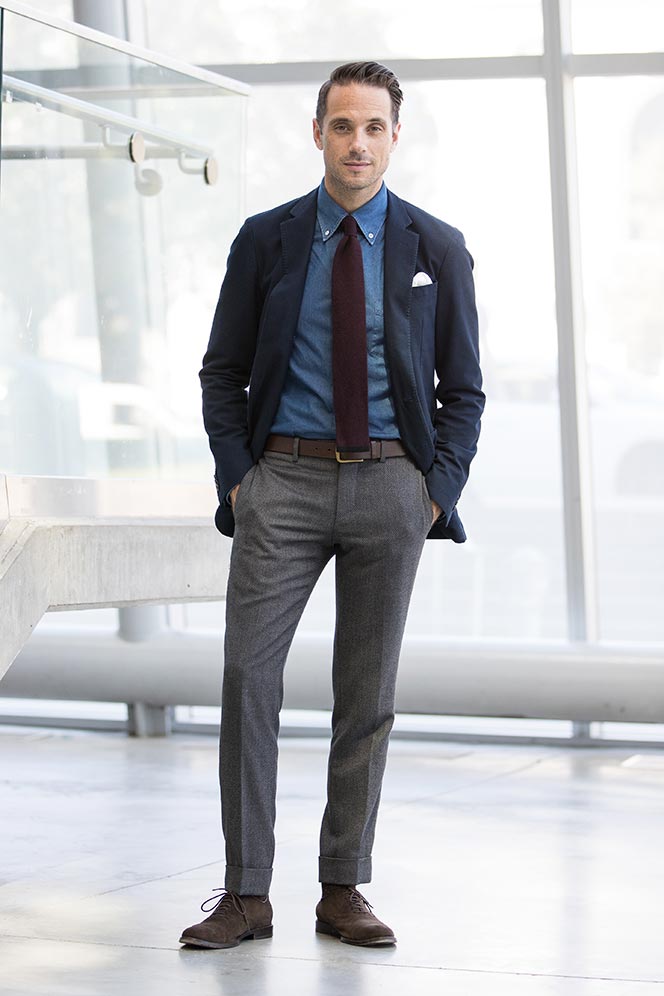
Dress to fit the people you’re meeting. If everyone is tie-free, follow suit.
Credit: hespokestyle.com
Business Casual Around The World
Business casual isn’t just an American trend. It’s used globally, but interpretations differ.
Europe
In Europe, business casual is often more formal. Ties are sometimes included, especially in France and Germany.
Asia
In Japan and South Korea, business casual is stricter. Ties are common, and jeans are usually not allowed.
Australia
Australian offices are relaxed. Ties are rare, and polos are popular.
Middle East
In Dubai and other cities, business casual can be quite formal, with ties and jackets.
The Psychology Of Dressing Business Casual
How you dress affects how you feel and how others see you. Psychologists say dressing business casual can boost confidence and productivity. But wearing a tie when others don’t can make you feel isolated.
Employees who match their environment are more likely to feel comfortable and perform well. If you’re not sure, start simple and adjust as you learn more about your workplace.
Trends In Business Casual
Business casual has changed over time. Here are some trends:
Less Formality
Many companies are moving towards more relaxed dress codes. Ties are less common, and flexible styles are growing.
Sustainability
Eco-friendly fabrics and responsible brands are important. Companies encourage clothing that lasts and has less environmental impact.
Gender-neutral Styles
More workplaces allow gender-neutral business casual. This means less focus on men’s vs. women’s styles, more on personal comfort.
Remote Work
With more remote work, business casual is shifting. People dress up for video calls, but ties are rare.
Examples: What Does Business Casual Look Like?
Let’s look at some examples of business casual outfits, both with and without ties.
| Scenario | Men's Outfit | Women's Outfit | Tie? |
|---|---|---|---|
| Regular Office Day | Button-down shirt, chinos, loafers | Blouse, tailored pants, flats | No |
| Client Meeting | Blazer, dress shirt, slacks, dress shoes | Blazer, blouse, skirt, heels | Optional |
| Interview | Dress shirt, slacks, dress shoes, tie | Blouse, skirt, heels, minimal jewelry | Yes |
| Presentation | Blazer, dress shirt, chinos, dress shoes | Blazer, blouse, pants, heels | Optional |
| Casual Friday | Polo shirt, chinos, loafers | Neat top, tailored pants, flats | No |
These examples show that a tie is not a must for business casual, but can be used for extra formality.
Business Casual For Different Body Types
Business casual is not one-size-fits-all. Dressing for your body type helps you look and feel your best.
Tips For Men
- Slim builds: Choose fitted shirts and pants.
- Broad builds: Avoid tight clothes, go for relaxed fits.
- Tall men: Use longer shirts and jackets.
Tips For Women
- Petite: Choose high-waisted pants or skirts.
- Curvy: Look for tailored pieces that highlight your shape.
- Tall: Long blouses and jackets suit you.
Fit and comfort are more important than following every rule.
Making Business Casual Work In Different Seasons
Your business casual style should adapt to the weather.
Summer
- Light fabrics like linen or cotton.
- Short-sleeved shirts (if allowed).
- Open-toe shoes for women.
Winter
- Wool pants and sweaters.
- Layer with blazers or cardigans.
- Closed-toe shoes.
Fall/spring
- Mix layers for changing temperatures.
- Use scarves or light jackets for style.
Credit: www.gentlemansgazette.com
Business Casual For Remote Workers
With remote work growing, business casual is changing. Video calls require you to look professional, but comfort matters.
- Choose neat tops for video meetings.
- Avoid pajamas or overly casual clothing.
- Keep a blazer or tie nearby for important calls.
Remote work means flexibility, but professionalism still matters.
Business Casual Accessories: What’s Acceptable?
Accessories can enhance business casual, but too much can distract.
- Watches: Classic styles are best.
- Belts: Match with shoes.
- Jewelry: Simple, minimal.
- Bags: Leather or professional styles.
Avoid hats, flashy items, or loud colors.
Common Questions About Business Casual And Ties
Many people have questions about ties and business casual. Here are answers to the most frequent ones.
Frequently Asked Questions
Is It Okay To Wear A Tie With Business Casual?
Yes, but it’s usually not required. Wearing a tie is fine if you want to look extra polished or if your company expects it. Check what others in your office wear before deciding.
What Type Of Tie Works Best For Business Casual?
Choose simple ties with subtle patterns or solid colors. Avoid shiny materials or bold prints. Slim ties often look more relaxed than wide ones.
Can I Wear A Tie With A Polo Shirt?
No, a tie with a polo shirt looks awkward and is not recommended. Stick to button-down shirts if you want to wear a tie.
How Do I Know If A Tie Is Needed?
Observe your coworkers and managers. If most people don’t wear ties, you can skip it. When in doubt, ask HR or your supervisor.
Are There Industries Where A Tie Is Always Part Of Business Casual?
Yes, some industries like finance, law, and consulting may expect ties as part of business casual. In creative or tech fields, ties are rarely worn.
Final Thoughts
Business casual is about balancing professionalism and comfort. A tie is not usually part of business casual, but you can include one when you want to look more formal or if your workplace expects it. The key is to understand your company’s culture and dress in a way that fits both your job and your personality. If you’re unsure, start without a tie and adjust as you learn more. Dressing well helps you feel confident and respected. For more guidance on professional dress codes, visit SHRM. Remember, business casual is flexible—make it work for you.
