

How Long Should a Business Casual Dress Be for a Polished Look?
How Long Should A Business Casual Dress Be
Choosing the right length for a business casual dress can feel confusing. Many people worry about looking too formal or too relaxed. The truth is, the perfect dress length depends on your workplace, your body shape, and how confident you feel. But there are also clear guidelines you can follow to avoid mistakes and always look professional. This article will help you understand how long a business casual dress should be, with real examples, practical tips, and useful comparisons. If you want to feel comfortable and polished every day, keep reading.
Understanding Business Casual Dress Codes
Business casual is one of the most popular dress codes in offices today. It’s less strict than formal business wear, but still requires a neat and professional look. A business casual dress is usually simple, clean, and modest. But the length of the dress is often a source of confusion.
What Does Business Casual Mean?
Business casual means you don’t need to wear suits, ties, or formal dresses. However, you should avoid very casual clothes like jeans, shorts, or t-shirts. For women, business casual dresses are often knee-length or just above the knee. For men, the question of dress length is less relevant, but this article focuses on women’s dresses.
Why Dress Length Matters
The length of your dress affects how others see you. Too short can look unprofessional or distracting. Too long can look formal or out of place. Finding the right balance helps you feel comfortable and respected at work.
Standard Dress Lengths For Business Casual
Not all dress lengths are created equal. Here is a simple guide to the most common business casual dress lengths:
- Above the Knee: Usually 1-2 inches above the knee. This length is popular and feels modern, but you must be careful—it should not be too short.
- Knee-Length: The hemline touches the top or middle of the knee. This is the safest choice for most workplaces.
- Below the Knee: The dress ends 1-2 inches below the knee. This length is slightly more conservative, but still stylish.
Comparing Dress Lengths
Let’s compare these three lengths in a simple table:
| Dress Length | Appearance | Best For | Risk |
|---|---|---|---|
| Above the Knee | Modern, youthful | Creative offices, warm weather | May appear too casual or short |
| Knee-Length | Classic, polished | Most business settings | Rarely risky |
| Below the Knee | Conservative, elegant | Formal offices, senior positions | Can look too formal |
Factors That Affect The Right Dress Length
Choosing the best dress length isn’t just about following rules. You also need to think about your workplace, your body, and your comfort.
Office Culture And Dress Code Policy
Some workplaces have clear dress codes. Others are more relaxed. If your company has a written policy, check it before buying new dresses. Some offices allow shorter dresses, while others require knee-length or longer.
Your Role And Responsibilities
Your job title matters. People in leadership roles often wear longer dresses to show authority. If you meet clients or attend important meetings, a knee-length or below-the-knee dress is safer.
Body Shape And Height
The same dress can look very different on two people. If you are taller, a dress may appear shorter on you. If you are petite, a longer dress can make you look smaller. Choose a length that flatters your body and helps you feel confident.
Climate And Season
In summer, above-the-knee dresses are more comfortable. In winter, longer dresses keep you warmer. Some offices allow shorter dresses in hot weather, but always check your company’s policy.
Practical Tips For Picking The Right Dress Length
Here are some useful tips to help you choose the best business casual dress length:
- Test the Hemline: Stand straight and let your arms hang by your sides. If the hem is shorter than your fingertips, it is probably too short for work.
- Consider Sitting Down: Always sit in the dress before wearing it to work. Some dresses ride up when you sit, so check that the length stays appropriate.
- Check for Transparency: Light fabrics can become see-through, especially in shorter dresses. Make sure the dress is not transparent.
- Avoid High Slits: Business casual dresses should not have high slits. If there is a slit, it should be modest and not reveal much skin.
- Think About Shoes: The right shoes can change the look of a dress. For shorter dresses, avoid very high heels—they can make the dress look even shorter.
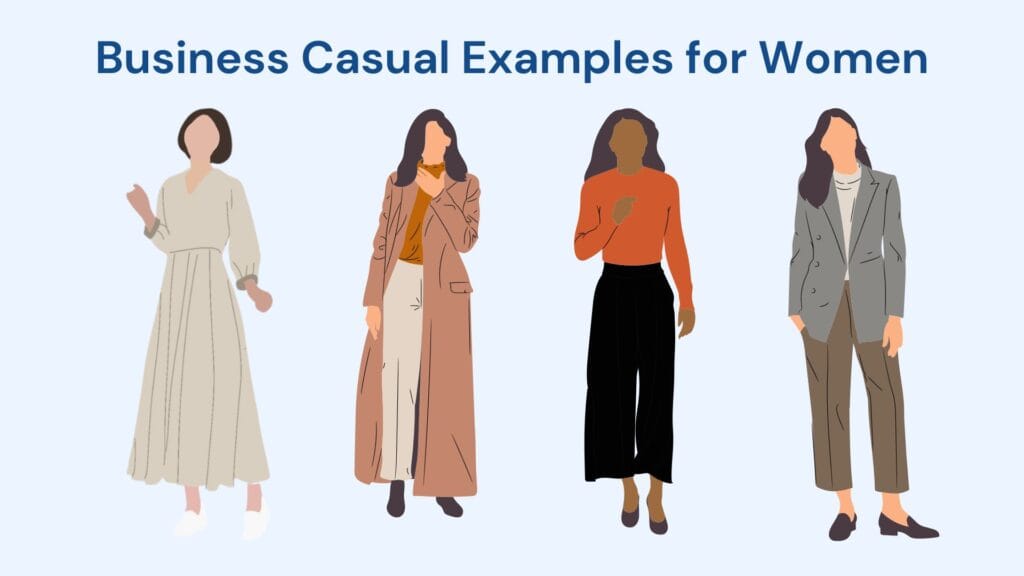
Credit: www.theforage.com
Common Mistakes With Business Casual Dress Length
Many people make mistakes without realizing it. Avoid these common errors:
1. Wearing Dresses That Are Too Short
Short dresses may be comfortable, but they often look unprofessional. If the dress is more than 3 inches above the knee, it is probably not business casual.
2. Choosing Maxi Dresses
Maxi dresses (ankle-length) are usually too formal for business casual. They can also look out of place unless your workplace allows them.
3. Ignoring Workplace Rules
Some people don’t read their company’s dress code. Always check the rules before buying new clothes.
4. Not Considering Movement
A dress may look fine when standing, but become too short when bending or walking. Test the dress in different positions.
5. Picking Dresses With High Slits
Even a knee-length dress can look inappropriate if it has a high slit. Choose dresses with modest slits or no slit at all.
Dress Length Guidelines For Different Body Types
Your body shape can affect how a dress looks. Here’s how to choose the best length for your body:
For Tall Women
If you are tall, a dress can appear shorter than it is. Knee-length or below-the-knee dresses are safer. Avoid very short dresses, as they may look even shorter on you.
For Petite Women
Petite women look best in dresses that are just above the knee. Longer dresses can make you look smaller. Choose a length that elongates your legs.
For Curvy Women
Curvy women should avoid dresses that are too tight or too short. Knee-length dresses with a slight flare are flattering. Avoid high slits and clingy fabrics.
For Athletic Builds
Athletic women can wear most lengths, but knee-length dresses are classic. If you have broad shoulders, choose dresses with a softer shape and avoid very short styles.
How Dress Length Influences Professional Image
The way you dress affects how others see you. Dress length plays a big role in your professional image.
Trust And Respect
People often judge professionalism by appearance. Knee-length or below-the-knee dresses show respect for the workplace. Shorter dresses may look less serious, which can affect how colleagues or clients treat you.
Confidence
Wearing a dress that feels comfortable and appropriate boosts your confidence. If you are worried about the length, you may feel distracted and less focused.
Authority
Longer dresses are linked to leadership and authority. If you want to look more powerful, choose knee-length or longer styles.
Real-world Examples Of Business Casual Dress Length
Here are some examples to help you see what works:
- Tech Startup: Employees often wear above-the-knee dresses, but not too short. A simple shift dress, 1 inch above the knee, is common.
- Law Firm: Most women wear knee-length dresses. A tailored sheath dress, with the hem at mid-knee, is standard.
- Marketing Agency: Knee-length or just-above-the-knee dresses are popular. Bright colors or prints are allowed, but the length stays professional.
- Bank: Longer dresses, below the knee, are preferred. The style is conservative and elegant.
Data: What Do Employers Prefer?
Studies show most employers prefer knee-length dresses for business casual. According to a survey from the Society for Human Resource Management, 68% of managers say knee-length is ideal. Only 12% allow above-the-knee, and 20% prefer below-the-knee.
Here’s a summary:
| Dress Length | Employer Preference (%) |
|---|---|
| Above the Knee | 12 |
| Knee-Length | 68 |
| Below the Knee | 20 |
This data shows that knee-length dresses are the safest choice for business casual.
How To Adjust Dress Length For Different Occasions
Sometimes, you need to change your style for special events.
Business Meetings
Important meetings call for knee-length or below-the-knee dresses. Avoid short dresses, even if your office allows them.
Company Parties
Office parties may allow shorter dresses, but don’t go too short. Stick to just above the knee.
Interviews
Job interviews require a classic look. Choose a knee-length dress in a neutral color.
Presentations
When presenting, you want to appear confident and professional. A knee-length dress is best.

Credit: www.reddit.com
Comparing Dress Lengths With Other Business Casual Outfits
Dresses are just one option. How do they compare with skirts and pants?
| Outfit | Best Length | Notes |
|---|---|---|
| Dress | Knee-length | Most versatile |
| Skirt | Knee-length or below | Avoid mini skirts |
| Pants | Full length | Never cropped above the calf |
This comparison shows knee-length is the standard for both dresses and skirts in business casual.
How To Measure Dress Length Correctly
Many people struggle with measuring dress length. Here’s a simple guide:
- Lay the Dress Flat: Place the dress on a table or bed.
- Use a Tape Measure: Start at the top of the shoulder seam and measure down to the hem.
- Check the Measurement: For business casual, look for 36-40 inches for knee-length, depending on your height.
Practical Example
If you are 5’5” tall, a dress that is 37 inches from shoulder to hem will usually reach your knee.
Non-obvious Insights For Beginners
Most beginners miss these points:
1. Dress Shape Matters
A straight dress may look shorter than a flared dress, even if the length is the same. Flared dresses cover more of the leg, so they can be worn slightly shorter.
2. Fabric Weight
Heavy fabrics hang differently and may appear longer. Light fabrics can ride up or look shorter.
3. Layering
Wearing leggings or tights makes shorter dresses look more professional, especially in cold weather.
How Dress Length Affects Comfort And Mobility
Comfort is important. Shorter dresses are cooler but may limit movement. Longer dresses are warmer but can feel restrictive.
Movement
Always test the dress by walking, sitting, and bending. If you feel limited, choose a slightly longer style.
Temperature
Above-the-knee dresses are good for warm climates, but knee-length is better for all seasons.
How To Handle Dress Length In Multicultural Workplaces
Global companies have employees from many backgrounds. Some cultures prefer longer dresses for modesty. If you work in such an office, choose knee-length or below-the-knee styles to avoid misunderstandings.
How Dress Length Can Impact Career Growth
Your appearance can influence promotions and job offers. Wearing appropriate dress lengths shows you understand professional standards. People who dress well are often seen as more reliable and ready for responsibility.
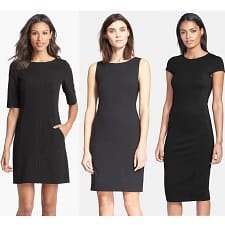
Credit: corporette.com
Dress Length And Gender Inclusivity
Today, more companies focus on gender inclusivity. Some people may prefer dresses, skirts, or pants regardless of gender. For anyone choosing a dress, knee-length is a safe standard in business casual.
Maintaining Your Business Casual Dresses
Keeping your dresses neat helps them last longer. Here are some tips:
- Wash Carefully: Always follow the label instructions. Some fabrics shrink, which can change the length.
- Iron or Steam: Wrinkles make dresses look shorter and less professional.
- Store Properly: Hang dresses to keep the hem straight.
Shopping For Business Casual Dresses
When buying a new dress, keep these points in mind:
- Try Before You Buy: Always test the length in the store.
- Check Return Policy: Sometimes, the dress looks different at home. Make sure you can return or exchange it.
- Ask for Advice: Store staff can help you choose the right length.
Differences Between Business Casual Dress Lengths In Various Industries
Different industries have different standards. Here’s how they compare:
- Finance: Knee-length or below-the-knee is standard.
- Tech: Above-the-knee is allowed, but not too short.
- Creative: More freedom with length and color, but still avoid mini dresses.
- Healthcare: Knee-length is safest.
Real Testimonials: What Workers Say
Many workers say the right dress length helps them feel comfortable and respected. Here are some quotes:
- “I always wear knee-length dresses in the office. They make me feel confident and professional.” — Marketing manager
- “Above-the-knee dresses are fine in my tech company, but I avoid anything shorter than two inches above the knee.” — Software engineer
- “I once wore a dress that was too short, and my manager told me it wasn’t appropriate. Now I stick to knee-length.” — Legal assistant
Expert Advice On Business Casual Dress Length
Fashion experts agree: knee-length dresses are the safest choice for business casual. According to the Business of Fashion, knee-length is universally accepted and shows respect for colleagues and clients.
Frequently Asked Questions
What Is The Ideal Length For A Business Casual Dress?
The ideal length is knee-length. This means the dress hem should touch the top or middle of your knee. It’s the safest and most accepted choice for most workplaces.
Can I Wear An Above-the-knee Dress For Business Casual?
Yes, but only if it’s no more than 1-2 inches above the knee. Anything shorter may look too casual or unprofessional. Always check your company’s dress code.
Are Maxi Dresses Appropriate For Business Casual?
Usually not. Maxi dresses are often too formal or relaxed for business casual. They can also make movement difficult. Stick to knee-length or just below the knee.
How Do I Measure The Right Dress Length For My Height?
Measure from the top of the shoulder to the hem. For most women, knee-length is 36-40 inches. Try on the dress and check where it falls when you stand and sit.
What Should I Do If My Dress Feels Too Short For Work?
If your dress feels too short, wear tights or leggings. You can also add a cardigan or jacket to cover more. For future purchases, stick to knee-length styles.
Choosing the right business casual dress length is a simple way to look professional and feel comfortable. With these tips, you can avoid mistakes, impress your colleagues, and show respect for your workplace. Remember, confidence comes from feeling good in what you wear, and the right dress length helps you achieve exactly that.
