

Best Way to Dress Business Casual: Essential Tips for Success
Best Way To Dress Business Casual
Business casual is everywhere now. It’s the dress code for many offices, meetings, conferences, and networking events. But what does “business casual” really mean? For many people, it’s confusing. Should you wear a blazer? Are jeans okay? How do you look professional but not too formal?
This guide will help you understand the best way to dress business casual. You’ll find clear advice for men and women, practical examples, and tips to avoid common mistakes. Whether you’re starting a new job or simply want to refresh your wardrobe, you’ll learn how to look sharp, feel comfortable, and fit in with your company’s culture. Business casual is not about expensive clothes or following strict rules. It’s about balance: looking professional, but relaxed. Let’s explore how to master business casual style.
What Is Business Casual?
Business casual is a style that blends professional and relaxed clothing. It is less formal than traditional business wear, like suits and ties, but more polished than casual clothes, like t-shirts and sneakers. Business casual is common in offices, tech companies, creative fields, and many corporate events.
The key is to look neat, confident, and ready for work—without being overdressed. Business casual often includes items like:
- Collared shirts
- Blouses
- Dress pants or slacks
- Khakis
- Skirts
- Closed-toe shoes
It avoids items that look too casual or too formal. For example, you won’t see sweatpants, ripped jeans, or flip-flops. But you also won’t need a three-piece suit.
Why Business Casual Is Important
Many companies use business casual to create a friendly, comfortable atmosphere. Employees can express their style while still looking professional. A survey by Gallup found that over 50% of US workers prefer business casual over formal business wear. It can help build trust, teamwork, and productivity.
Business Casual Vs Other Dress Codes
To understand business casual, it helps to compare it with other dress codes:
| Dress Code | Typical Items | Formality Level |
|---|---|---|
| Formal Business | Suits, ties, dress shoes, blazers | High |
| Business Casual | Collared shirts, sweaters, slacks, skirts | Medium |
| Casual | T-shirts, jeans, sneakers | Low |
Essential Business Casual Pieces For Men
Building a business casual wardrobe is easier than you think. You don’t need many items—just the right ones. Here are the essentials for men:
Shirts
Choose collared shirts like button-downs, polos, or dress shirts. Avoid shirts with loud patterns or logos. Stick to solid colors or subtle stripes. White, light blue, and gray are safe choices.
Pants
Dress pants (also called slacks) and khakis are perfect. They look neat and pair well with most shirts. Dark colors like navy, charcoal, and black are versatile. Avoid jeans unless your office specifically allows them.
Shoes
Go for leather shoes, loafers, or clean sneakers (if permitted). Brown and black are classic options. Make sure shoes are polished and in good condition.
Sweaters And Jackets
A crewneck sweater or a cardigan adds warmth and style. Blazers are optional, but they can make your outfit look sharper. Choose neutral colors like navy or gray.
Accessories
Keep accessories simple. A classic watch, a leather belt, and a briefcase or messenger bag are enough. Avoid flashy jewelry.
Essential Business Casual Pieces For Women
Women have more choices, but the basics are similar. The goal is to look polished and comfortable. Here are the essentials for women:
Tops
Blouses, button-down shirts, and simple sweaters are ideal. Avoid tops that are too tight, sheer, or have distracting details. Stick to soft colors or gentle prints.
Bottoms
Choose slacks, tailored pants, or modest skirts. Pencil skirts and A-line skirts are popular. Length should be at or just above the knee. Avoid shorts or mini-skirts.
Dresses
Business casual dresses should be knee-length or longer. Wrap dresses, sheath dresses, and shirt dresses are good options. Patterns should be subtle.
Shoes
Closed-toe flats, loafers, or low heels are best. Make sure shoes are clean and well-maintained. Avoid sandals or high stilettos.
Accessories
Keep jewelry simple. Small earrings, a delicate necklace, and a classic handbag work well. Scarves can add color, but avoid anything too bold.
How To Build A Business Casual Wardrobe
You don’t need to buy everything at once. Start with the basics and build over time. Here’s a simple plan:
- Buy versatile pieces. Choose items that can mix and match easily.
- Stick to neutral colors. Navy, black, gray, and beige are easy to pair.
- Focus on fit. Clothes should fit well but not be too tight or loose.
- Invest in quality. Buy fewer, better items rather than many cheap ones.
- Add layers. Sweaters, cardigans, and blazers give you flexibility.
Example Capsule Wardrobe
A capsule wardrobe is a small collection of clothes that work together. Here’s a sample for men and women:
| Item | Men | Women |
|---|---|---|
| Shirts/Tops | 3 button-downs, 2 polos | 3 blouses, 2 sweaters |
| Pants/Bottoms | 2 slacks, 2 khakis | 2 slacks, 2 skirts |
| Shoes | 1 pair loafers, 1 pair dress shoes | 1 pair flats, 1 pair low heels |
| Layers | 1 sweater, 1 blazer | 1 cardigan, 1 blazer |
With these items, you can create many combinations. This saves money and time.
Business Casual Outfit Examples
Let’s look at some real-life outfit ideas for men and women. These examples show how to mix pieces and look stylish.
Men’s Outfit Examples
- Navy button-down shirt + gray slacks + brown loafers
- Light blue polo + khaki pants + black dress shoes
- White dress shirt + navy blazer + charcoal slacks + leather belt
Women’s Outfit Examples
- Pale pink blouse + black pencil skirt + nude flats
- Navy sweater + gray slacks + silver earrings
- Patterned dress (subtle) + beige cardigan + brown loafers
These combinations work for most offices and meetings. You can adjust colors or layers based on your company’s culture.
How To Choose Colors And Patterns
Choosing the right colors and patterns is important. Business casual looks best with neutral colors and subtle prints.
Best Colors
Stick to navy, gray, black, beige, and white. These colors are timeless and easy to match. You can add a touch of color with accessories or a single item.
Patterns
Go for small checks, thin stripes, or soft prints. Avoid bold designs or logos. Patterns should not distract from your overall look.
Mixing Colors
Here’s a quick guide to matching:
- Dark pants with light shirts
- Neutral sweaters over patterned tops
- One bright item per outfit
If you’re not sure, keep it simple. Too many colors can look messy.
Business Casual For Different Workplaces
Every company has its own culture. Some offices are strict, others are relaxed. Always check your company’s policy before choosing your outfit.
Corporate Offices
Most corporate offices prefer classic business casual. Stick to collared shirts, slacks, skirts, and closed-toe shoes. Avoid jeans unless allowed.
Tech Companies
Tech companies often allow jeans, sneakers, and casual shirts. Still, keep your look neat. Clean jeans, polo shirts, and simple sweaters are safe.
Creative Fields
Advertising, design, and media companies may allow more color and style. You can wear bold prints, trendy shoes, and statement accessories—but don’t go too far.
Remote Work
For remote jobs, business casual is about video calls. Make sure your top is polished. A collared shirt or blouse looks professional on screen.
Common Business Casual Mistakes
Many people make mistakes with business casual. Here are the most common—and how to avoid them.
- Wearing wrinkled clothes. Always iron or steam your clothes.
- Choosing too casual items. Avoid t-shirts, ripped jeans, or sneakers (unless allowed).
- Over-accessorizing. Keep jewelry and extras simple.
- Ignoring fit. Baggy or tight clothes look unprofessional.
- Too many colors. Stick to two or three colors per outfit.
- Wrong shoes. Avoid sandals, flip-flops, or athletic shoes unless permitted.
A non-obvious mistake: ignoring the condition of your clothes. Even the right outfit looks bad if it’s faded, stained, or damaged.

Credit: www.wikihow.com
How To Dress Business Casual On A Budget
Business casual doesn’t have to be expensive. With smart shopping, you can build a stylish wardrobe for less.
Shop Smart
- Buy basics during sales or at outlet stores
- Choose quality over quantity—better fabric lasts longer
- Look for second-hand or thrift stores for good deals
Mix And Match
A few items can create many outfits. For example, three shirts and two pairs of pants can make six combinations.
Avoid Trends
Trendy clothes often go out of style quickly. Stick to classic pieces for long-term value.
Prioritize
Spend more on shoes and pants. Shirts and tops can be replaced more often.
Business Casual For Plus Size And Petite
Finding the right fit is important for everyone. Plus-size and petite people may need special attention.
Plus Size
- Choose structured fabrics that hold shape
- Avoid baggy clothes—tailored fit looks best
- Vertical stripes and dark colors slim the silhouette
Petite
- Look for cropped pants and shorter skirts
- Avoid oversized items—choose fitted tops
- Small prints and light colors create balance
Tailoring is a smart investment. Even affordable clothes look better when adjusted to your size.
Business Casual For Hot And Cold Weather
Business casual changes with the season. Here’s how to stay comfortable and stylish.
Hot Weather
- Choose lightweight fabrics: Cotton, linen, rayon
- Wear short-sleeve shirts or blouses
- Skirts and dresses are cooler than pants
- Avoid heavy layers
Cold Weather
- Layer with sweaters, cardigans, or blazers
- Choose wool or thicker fabrics
- Wear long-sleeve shirts and pants
- Scarves can add warmth and style
Always check your company’s policy about shorts or sandals in summer.
Business Casual For Different Genders And Styles
Business casual is flexible. It works for men, women, and non-binary people. The main rules are the same: look neat, wear clean clothes, avoid extremes.
Gender-neutral Options
- Collared shirts and sweaters
- Simple slacks or pants
- Loafers or flats
- Neutral colors
Personal style matters. You can add touches that reflect who you are, as long as you stay professional.
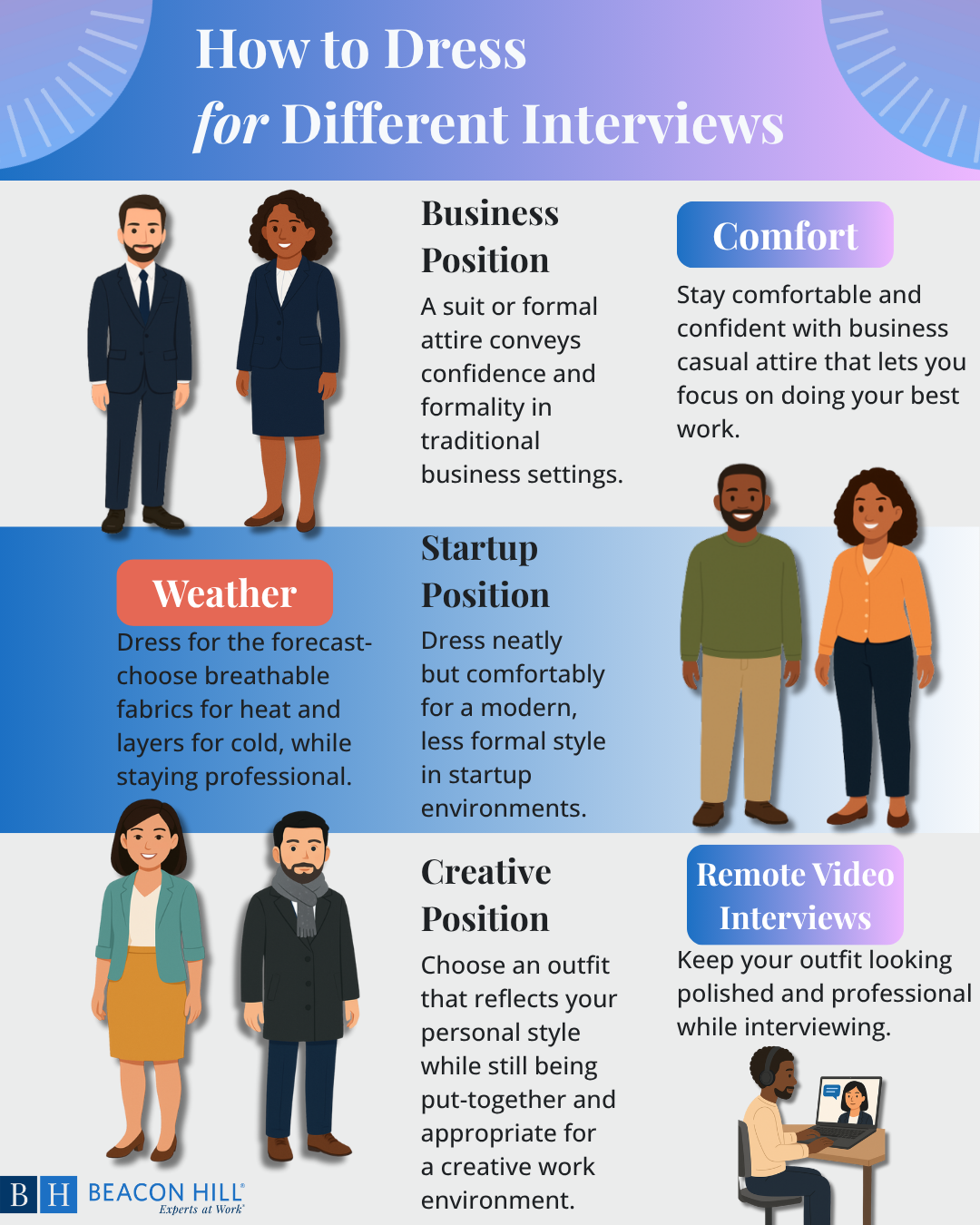
Credit: bhsg.com
How To Care For Business Casual Clothes
Taking care of your clothes keeps your wardrobe fresh and saves money.
Washing
- Follow care labels—some items need gentle washing
- Use mild detergent to avoid fading
- Air dry when possible
Ironing
- Iron shirts and pants for a crisp look
- Use steam to remove wrinkles from sweaters and blouses
Storage
- Hang shirts, jackets, and pants
- Fold sweaters to avoid stretching
- Keep shoes clean and polished
A non-obvious tip: rotate your clothes. Wearing the same items daily causes faster wear.
Business Casual Vs Smart Casual
Many people confuse business casual with smart casual. While both are relaxed, smart casual allows more freedom.
| Aspect | Business Casual | Smart Casual |
|---|---|---|
| Formality | Medium | Low to Medium |
| Allowed Items | Dress shirts, slacks, skirts | Jeans, t-shirts, trendy shoes |
| Occasions | Office, meetings, interviews | Parties, dinners, casual Fridays |
Business casual is safer for work. Smart casual works for social events.
How To Adapt Business Casual For Special Events
Sometimes, you need to dress business casual for an event—like a presentation, conference, or interview. Here’s how to adjust your look:
- Add a blazer or jacket for extra polish
- Choose darker colors for formal events
- Wear simple accessories—avoid anything flashy
- Make sure clothes are clean and pressed
For interviews, avoid jeans and sneakers, even if the company allows them. First impressions matter.
Business Casual Etiquette
How you wear business casual is as important as what you wear. Follow these etiquette tips:
- Arrive looking tidy—check your outfit before leaving home
- Avoid strong perfumes or colognes
- Respect cultural differences—some items may not be appropriate in all regions
- Don’t discuss your clothes too much—it can seem unprofessional
Etiquette helps you fit in and build respect.
Business Casual For Travel
Many professionals travel for work. Packing business casual can be tricky. Here’s how to make it easy:
- Choose wrinkle-resistant fabrics
- Pack versatile items that mix and match
- Bring one pair of shoes that goes with all outfits
- Roll clothes to save space
Carry a small steamer or wrinkle-release spray for emergencies.
The Impact Of Business Casual On Productivity
Research shows that what you wear affects how you feel at work. A study from Northwestern University found that employees wearing professional clothes felt more confident and focused.
Business casual lets you balance comfort and confidence. You can move easily, speak freely, and build trust with colleagues.
How To Update Your Business Casual Style
Fashion changes, but business casual remains steady. Here’s how to keep your look modern:
- Swap out old items for fresh ones every year
- Add a trendy accessory or color (but not too bold)
- Choose new fabrics or cuts for variety
- Ask colleagues for feedback
Updating your style shows you care about your appearance and your job.
Frequently Asked Questions
What Are Examples Of Business Casual For Men?
Business casual for men includes items like collared shirts, slacks or khakis, leather shoes, sweaters, and blazers. For example, a navy button-down with gray slacks and brown loafers looks sharp and fits most offices.
Are Jeans Allowed In Business Casual?
Jeans are sometimes allowed, especially in tech or creative companies. Choose dark, clean jeans with no rips or fading. Pair them with a collared shirt and dress shoes. Always check your company’s dress code before wearing jeans.
What Shoes Are Best For Business Casual?
The best shoes are closed-toe dress shoes, loafers, or flats. Avoid sneakers, sandals, or flip-flops unless your office permits them. Brown and black leather shoes match most outfits.
How Can I Dress Business Casual On A Budget?
Buy versatile basics, shop sales, and consider second-hand stores. Stick to classic items and avoid trends. Mix and match to create more outfits with fewer pieces. Invest in quality shoes and pants.
What Is The Difference Between Business Casual And Smart Casual?
Business casual is for work: collared shirts, slacks, skirts, and closed-toe shoes. Smart casual is more relaxed: jeans, t-shirts, and trendy shoes are allowed. Business casual is safer for offices, while smart casual works for social events.
Business casual is about balance. It helps you look professional, feel comfortable, and fit in anywhere. With the right approach, you can build a wardrobe that lasts, adapts, and helps you succeed at work. If you want to learn more about workplace dress codes, you can check out Wikipedia’s business casual page for extra details.
Remember, your clothes are a tool. Use them wisely, and you’ll make a great impression every time.

Credit: plattar.com
