

Is Business Casual a Polo? Decoding Dress Code Essentials
Is Business Casual A Polo?
Business casual is one of the most misunderstood dress codes in the workplace. Many people wonder if a simple polo shirt fits the business casual standard, or if it is too relaxed. The answer is not always clear, and the rules can change depending on the company, the industry, and even the country. In this article, you’ll discover what business casual really means, whether a polo shirt is appropriate, and how to wear it smartly. You’ll also find practical tips, real examples, and answers to common questions, so you can feel confident about your next office outfit.
What Is Business Casual?
Business casual is a style of dress that sits between formal business wear and casual clothing. It’s popular in offices where a suit and tie are not required, but jeans and sneakers are too relaxed.
Business casual usually means:
- No full suits
- No ties (unless specified)
- Collared shirts (button-down or polo)
- Dress pants or chinos
- Closed-toe shoes
It’s not always easy to define. Some companies have strict guidelines, while others are flexible. The main idea is to look professional but comfortable.
Common Business Casual Pieces
Here are some business casual staples:
- Button-down shirts
- Polo shirts
- Chinos or dress slacks
- Blazers (optional)
- Loafers, oxfords, or dress boots
Avoid items like:
- T-shirts
- Shorts
- Flip-flops
- Athletic shoes
Why Is Business Casual Popular?
Business casual offers freedom and comfort. It allows employees to move easily, express personality, and save money on expensive suits. Many tech, creative, and startup companies prefer this style. It’s also linked to higher job satisfaction, according to surveys by SHRM (Society for Human Resource Management), as workers feel more relaxed and productive.
Is A Polo Shirt Business Casual?
The polo shirt is a common topic in business casual discussions. Some people see it as the perfect middle ground between formal and casual. Others believe it is too sporty for the office.
The Polo Shirt: Origins And Features
A polo shirt is a short-sleeved garment with a collar and a few buttons at the neck. It was originally designed for sports, especially tennis and golf. Today, it’s made in many fabrics—cotton, polyester, blends—and is available in almost every color.
Key features:
- Collared neck
- Button placket
- Short sleeves (sometimes long)
- Usually solid or simple patterns
When Is A Polo Shirt Appropriate?
A polo shirt can be business casual if:
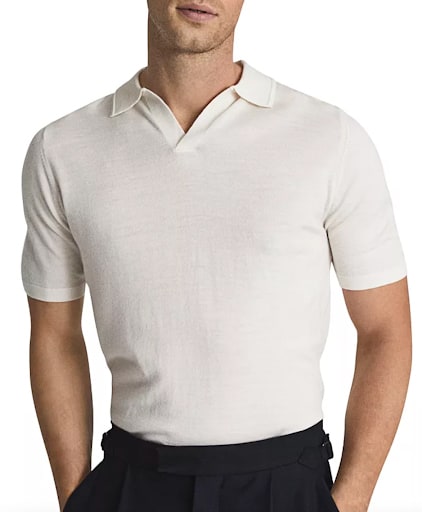
- The shirt is clean, well-fitted, and free of logos or bold graphics
- The color is neutral or muted (navy, gray, black, white)
- It is paired with dress pants, chinos, or a skirt (for women)
- Shoes are formal, like loafers or oxfords
A polo shirt is NOT business casual if:
- It looks wrinkled or faded
- It is too tight or too loose
- It has large logos or sports branding
- It is worn with jeans, shorts, or sneakers
Comparing Polo Shirts With Other Business Casual Tops
Let’s look at how polo shirts stack up against button-down shirts and other tops:
| Top Type | Professional Appearance | Comfort | Formality Level | Easy to Maintain |
|---|---|---|---|---|
| Polo Shirt | Medium | High | Medium | High |
| Button-Down Shirt | High | Medium | High | Medium |
| Sweater (over shirt) | Medium | High | Medium | Medium |
| T-Shirt | Low | High | Low | High |
Polos offer a balance—more relaxed than button-downs, but smarter than t-shirts.
Polos In Different Industries
Not every workplace sees polos the same way. Here’s how they’re viewed in some industries:
- Tech/Startup: Polos are usually accepted, sometimes expected.
- Finance/Legal: Button-downs preferred; polos may be allowed on casual Fridays.
- Retail/Hospitality: Polos often part of uniforms.
- Creative/Advertising: Polos are fine, but personality is welcome.
- Healthcare/Medical offices: Polos allowed, especially for admin staff.
In more formal environments, stick to button-down shirts unless you see others wearing polos.
How To Wear A Polo Shirt For Business Casual
Wearing a polo for business casual is not just about putting it on. You need to style it well and avoid mistakes.
Choosing The Right Polo
Here’s what makes a polo shirt suitable:
- Material: Cotton or cotton-blend is best. Avoid shiny, athletic fabrics.
- Fit: Not baggy or tight. Should lightly hug your body.
- Color: Neutral colors like navy, black, gray, and white work well. Pastels are also safe. Avoid neon or overly bright shades.
- Pattern: Solid or subtle patterns. No loud graphics.
Pairing With Other Clothes
Polos look sharp with:
- Dress slacks or chinos
- Blazer (optional, for extra polish)
- Dress shoes like loafers or oxfords
- Leather belt matching your shoes
Avoid pairing with:
- Jeans (unless your office allows them)
- Shorts (never business casual)
- Athletic shoes or sneakers
Women’s Polo Shirt Business Casual
Women can wear polos as business casual, too. Choose fitted polos, pair with:
- Dress pants or a pencil skirt
- Cardigan or blazer for layering
- Closed-toe flats or heels
Common Mistakes With Polos
Many beginners make simple errors. Here are some to avoid:
- Wearing wrinkled or stained polos
- Choosing loud colors or patterns
- Wearing polos with shorts or jeans in strict offices
- Not tucking in the polo when required (some offices expect tucked shirts)
- Wearing polos with visible undershirts
A non-obvious tip: The collar should lay flat. Do not pop it up, as this looks unprofessional.
Business Casual Dress Code: Company Examples
Every company has its own version of business casual. Some are stricter than others. Here are real-life examples:
- Google: Polos and button-downs are common. Jeans are allowed, but most staff wear chinos.
- JP Morgan: Polos only on casual Fridays or in back-office roles.
- Hilton Hotels: Polos are part of many staff uniforms, especially in management and guest services.
If you’re unsure, look around at what others wear, or ask HR for guidance.
Polos And Dress Codes Worldwide
Business casual is not the same everywhere. In some countries, polos are standard; in others, they are rare in offices.
Regional Differences
| Region | Polos in Business Casual | Dress Code Strictness |
|---|---|---|
| United States | Common | Medium |
| United Kingdom | Less common | High |
| India | Accepted in tech | Medium |
| Japan | Rare | Very high |
| Australia | Common | Low |
In formal cultures (Japan, UK), polos are less accepted. In relaxed cultures (Australia, US), they’re popular. Always check local norms.
Business Casual Vs. Smart Casual Vs. Casual
It’s easy to confuse business casual with other dress codes. Let’s compare them:
| Dress Code | Typical Tops | Typical Bottoms | Typical Shoes | Polos Allowed? |
|---|---|---|---|---|
| Business Casual | Button-downs, polos, blouses | Chinos, dress pants, skirts | Loafers, oxfords, dress boots | Yes |
| Smart Casual | Button-downs, polos, sweaters | Dark jeans, chinos, skirts | Loafers, smart sneakers | Yes |
| Casual | T-shirts, polos, sweaters | Jeans, shorts | Sneakers, sandals | Yes |
Business casual is more polished than smart casual. Smart casual allows more flexibility, like jeans and sneakers. In casual dress codes, polos are always allowed.
The Science Behind First Impressions
What you wear matters. Studies show that first impressions are formed in seconds, and your outfit is a big part of that. A Harvard study found that people in well-fitted, professional clothes are seen as more competent and trustworthy.
Polos, when worn well, send a message of approachability and neatness. But a wrinkled, loud polo can make you look careless. This is why details matter.
Practical Tips For Wearing Polos In Business Casual
Here are advanced tips many beginners miss:
- Check the company dress code: If you’re new, ask HR or look at what managers wear.
- Layering: Add a blazer or cardigan to elevate a polo shirt.
- Iron your polo: Even polos need ironing. Creases make you look sloppy.
- Avoid visible undershirts: If you need one, choose a skin-tone color and avoid showing it at the collar.
- Mind your accessories: Keep belts, watches, and jewelry simple. Flashy items can distract.
- Wear the right socks: Dress socks match your pants. Avoid athletic socks.
- Upgrade your shoes: Loafers or oxfords are best. Avoid sneakers unless your company allows them.
- Buy quality polos: Cheap fabrics fade fast and lose shape.
- Rotate polos: Don’t wear the same color two days in a row. Variety shows attention to detail.
- Know when to tuck: In most business casual offices, tuck in your polo for a neater look.
A subtle tip: Look at managers or leaders. If they wear polos, it’s usually safe for you.
Examples Of Business Casual Outfits With Polos
Let’s visualize some combinations:
- Men: Navy polo + gray chinos + brown loafers + leather belt
- Women: White fitted polo + black pencil skirt + black flats + simple necklace
- Men: Light blue polo + beige dress pants + dark brown shoes + matching belt
- Women: Pastel polo + navy dress pants + nude heels + watch
Each outfit is clean, simple, and professional.
Polos For Business Casual: Pros And Cons
Let’s break down the positives and negatives.
Pros
- Comfortable for all-day wear
- Easy to wash and maintain
- Less expensive than dress shirts
- Versatile for layering with blazers or sweaters
- Works in many industries and climates
Cons
- Can look too casual if not styled well
- Not accepted in every workplace
- Limited patterns and styles compared to shirts
- May shrink or fade after washing
- Collars can lose shape
If you want a mix of comfort and professionalism, polos are a good choice.
Should You Wear A Polo For An Interview?
Interviews are special situations. Business casual is sometimes allowed, but interviews often require a more formal look.
Most experts recommend:
- Button-down shirt for men
- Blouse or button-down for women
Polos may be okay for jobs in tech, startups, retail, or where you know the dress code is relaxed. If in doubt, dress a bit more formally than you expect the team to.
The Role Of Polos In Modern Work Culture
Polos have become a symbol of change in office culture. As companies move away from strict suits, polos are seen more often. They show you are relaxed, but still serious about work.
Some workplaces even use polos as uniforms. They help employees feel part of a team, and make dress codes simpler. In creative and tech fields, polos let people focus on work instead of clothes.
Caring For Your Polo Shirts
If you want polos to look sharp, care is important.
- Wash in cold water to prevent fading.
- Hang to dry, or dry on low heat.
- Iron collars and plackets for crispness.
- Store folded or hung, to avoid wrinkles.
A non-obvious tip: Avoid heavy fabric softeners. They can make polos lose shape faster.
Alternatives To Polos For Business Casual
Polos are not your only option. Here are alternatives:
- Button-down shirts: Always professional, available in many colors and patterns.
- Sweaters: Layer over a shirt or wear solo in cooler months.
- Blouses: Ideal for women, adds polish.
- Henley shirts: Less formal, but sometimes allowed in creative offices.
- Knit tops: Simple and comfortable, but avoid flashy designs.
If polos are not accepted in your office, try these instead.

Credit: fishhippie.com
How To Buy The Best Polo Shirt
Not all polos are equal. Here’s what to look for:
- Fabric: Choose cotton or cotton blends. Avoid polyester if you want a more formal look.
- Collar: Should be firm and stay flat after washing.
- Fit: Try before buying. Too tight or loose looks unprofessional.
- Brand: Quality brands last longer, but don’t pay for the logo.
- Price: You don’t need to spend a lot. Mid-range polos work fine.
A practical tip: Always check return policies. You may need to exchange for a better fit.
Sustainability And Polos
Many people worry about sustainability. Polos made from organic cotton or recycled materials are better for the planet. Some brands now offer eco-friendly polos. Look for certifications like GOTS (Global Organic Textile Standard).
Choosing quality polos means you buy less often, creating less waste. Caring for your shirts properly also extends their life.

Credit: www.hockerty.com
Real-life Advice: When To Wear A Polo
If you’re unsure, follow these steps:
- Look at what managers wear.
- Read the company dress code.
- Ask HR or colleagues if polos are allowed.
- Start with neutral colors and avoid logos.
- Watch for feedback—if someone comments, adjust your style.
Remember, business casual is about balance. Too formal, you look stiff. Too relaxed, you look careless.
Frequently Asked Questions
Are Polo Shirts Always Acceptable For Business Casual?
No. While polos are often allowed, some companies expect button-down shirts or blouses. Always check your company dress code and observe what others wear.
Should I Tuck In My Polo Shirt For Business Casual?
Usually yes. Tucking your polo gives a neat, professional look. Some workplaces are flexible, but in formal offices, always tuck in your shirt.
Can Women Wear Polo Shirts In Business Casual Settings?
Absolutely. Women can wear fitted polos with dress pants, skirts, or blazers. Avoid loud patterns and keep accessories simple.
Are Polos Suitable For Business Casual Interviews?
Polos may be okay in relaxed industries, but it’s safer to wear a button-down shirt or blouse. For interviews, aim for more formality unless you know the company’s style.
What Color Polo Shirt Is Best For Business Casual?
Neutral colors like navy, black, gray, and white are safest. Pastels are also good. Avoid bright or neon colors, as they can look too casual.
Business casual is about looking professional yet comfortable. A polo shirt can fit this style if you choose wisely and follow company guidelines. If you want more data on dress codes and trends, you can check this SHRM Dress Code Policy guide for deeper insights.
Finding the right balance is the key. With the right polo, you can look sharp, feel comfortable, and fit in at work. Polos are a smart choice for many, but always make sure they match your company’s culture. If you pay attention to details, your business casual style will always impress.
Credit: nextlevelwardrobe.com
