

How to Wear Activewear to Work: Stylish Office Outfit Ideas
How To Wear Activewear To Work
Activewear is no longer just for the gym. Over the past decade, it has become a major trend in daily fashion, offering comfort, flexibility, and style. Many people now want to wear their favorite leggings, trainers, or sports jackets at work.
But is it really possible to dress in activewear for the office without looking too casual? The answer is yes—if you know how to style it right.
In this guide, you’ll learn practical tips and strategies for wearing activewear to work. You’ll discover how to mix sporty clothes with professional pieces, what to avoid, and how to create a look that feels both comfortable and appropriate for your workplace.
Whether your office is formal or relaxed, you’ll find advice that can help you upgrade your wardrobe and feel confident every day.
Understanding The Activewear Trend
Activewear includes clothes made for physical activity—like leggings, yoga pants, athletic tops, and sneakers—but now these pieces are designed to look stylish outside the gym. The rise of athleisure (a blend of athletic and leisure wear) has changed how we think about office fashion. Many brands now create activewear with sophisticated cuts, subtle colors, and fabrics that look polished.
This trend is driven by a desire for comfort and the need to move easily during long workdays. More people have flexible jobs or work from different locations, making comfortable clothing even more important. Still, it’s not enough to simply wear gym clothes to work.
The key is learning how to style activewear so it looks intentional and office-friendly.
Assessing Your Workplace Dress Code
Before you start wearing activewear to work, consider your company’s dress code. Some workplaces are very formal, while others are more relaxed. Understanding the rules can help you avoid mistakes.
- Formal Offices: Law firms, banks, and traditional businesses usually expect classic workwear like suits, blouses, and dress shoes. Here, you’ll need to blend activewear with formal pieces and keep the sporty details subtle.
- Business Casual Offices: Many modern companies allow more relaxed clothing, but still expect a polished look. You can mix in more activewear items, as long as they are clean, neutral, and well-fitted.
- Creative or Startup Environments: These workplaces often have the most flexible dress codes. Trendy activewear is usually welcome, as long as you look neat and professional.
If you’re not sure about your dress code, look at what your managers and coworkers wear, or ask HR for guidance. It’s better to start cautiously and add more sporty pieces as you see what’s acceptable.
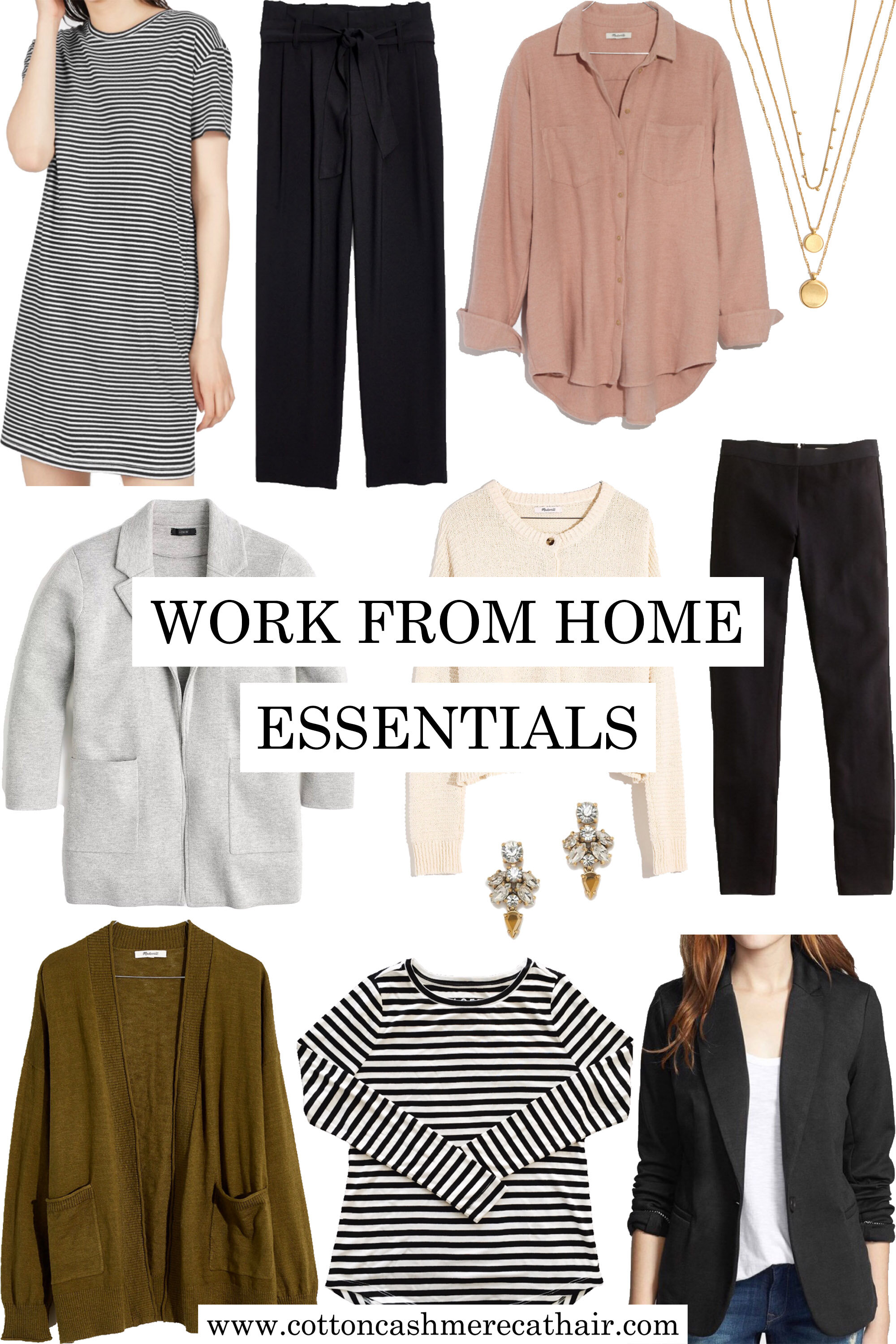
Credit: www.cottoncashmerecathair.com
Choosing The Right Activewear Pieces
Not all activewear is suitable for work. Some pieces are too revealing, too bright, or too casual. The best choices are those that look clean, polished, and can blend with your existing wardrobe.
Key Activewear Items That Work For The Office
- Leggings or yoga pants: Choose high-quality, thick fabrics in dark colors (like black or navy) and avoid sheer or shiny materials. Look for details like seams or paneling that mimic dress pants.
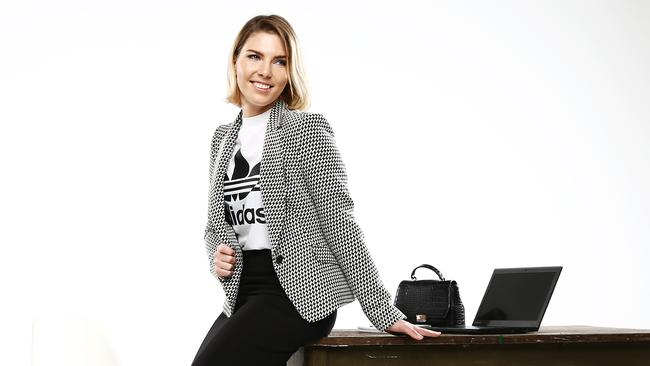
- Athletic blazers or jackets: Sporty blazers in stretchy fabrics look sharp but feel comfortable. A structured track jacket in a neutral color can also work.
- Polo shirts and fitted tops: Moisture-wicking polos or fitted tops in classic colors look smart under a blazer.
- Sneakers: Choose minimalist sneakers in white, black, or neutral tones. Leather or suede finishes look more professional than mesh or running shoes.
- Sports-inspired dresses and skirts: Some brands make dresses or skirts from activewear material that look like regular office wear.
What To Avoid
- Bright neon colors or loud patterns
- Shorts, crop tops, or revealing sports bras
- Oversized logos or branding
- Clothes with visible wear, stains, or pilling
- Mesh inserts or see-through panels
Focusing on quality, fit, and subtlety will help you avoid looking like you’re on your way to the gym.
Creating Smart Combinations
The secret to wearing activewear to work is mixing it with more formal pieces. This creates a balanced look that feels both comfortable and professional.
Pairing Tips
- Leggings with Long Tops or Blazers: Pair black leggings with a long button-up shirt or a tailored blazer. This covers your hips and adds a professional touch.
- Sneakers with Dress Pants: Wear classic white sneakers with tailored trousers and a blouse. This gives a modern, stylish vibe.
- Athletic Top with Suit: A moisture-wicking polo or fitted top can replace a regular shirt under a suit jacket.
- Midi Skirt with Sporty Jacket: Combine a sporty bomber or track jacket with a midi-length skirt for a chic, creative look.
- Activewear Dress with Cardigan: Wear a simple, solid-color activewear dress and layer with a soft cardigan or blazer.
Mixing and matching is an art. The more you experiment, the more you’ll learn what works for your style and your office.

Credit: www.youtube.com
Accessorizing For A Professional Look
Accessories can transform the feel of an outfit. When you wear activewear to work, the right accessories will help your look feel complete.
- Structured bags: Choose a leather tote or satchel instead of a backpack or gym bag.
- Simple jewelry: Small earrings, a watch, or a delicate necklace can add polish.
- Belts: A belt over a long top or blazer can define your waist and add structure.
- Scarves: A lightweight scarf adds color and texture, making sporty outfits feel more sophisticated.
Keep accessories minimal and coordinated with your outfit’s colors for a refined look.
Footwear: Sneakers And Beyond
Footwear is a big part of the activewear trend, but not all sneakers are office-appropriate. Here’s how to make the right choice:
- Clean, minimalist sneakers: Stick to simple colors (white, black, navy) and avoid chunky soles or bright details.
- Slip-on loafers: Some slip-on shoes are made with athletic materials but look like dress shoes.
- Hybrid shoes: Many brands now offer shoes that mix sneaker comfort with a formal look.
If your office requires formal shoes, look for dressier versions of active footwear. Always keep your shoes clean and in good shape.
Building A Capsule Wardrobe With Activewear
A capsule wardrobe is a collection of versatile pieces that can be mixed and matched. Building one with activewear makes getting ready for work much easier.
| Category | Recommended Pieces | Tips |
|---|---|---|
| Bottoms | 2 leggings, 1 jogger, 1 active skirt | Choose dark, neutral colors for easy pairing. |
| Tops | 2 polos, 2 fitted tees, 1 button-up shirt | Select moisture-wicking fabrics for comfort. |
| Layering | 1 blazer, 1 cardigan, 1 athletic jacket | Neutral shades look more polished. |
| Dresses | 1 activewear dress | Solid colors are easiest to style. |
| Shoes | 1 pair sneakers, 1 pair loafers | Stick to minimalist designs. |
A small, well-chosen set of pieces can give you many outfit options. This saves time and ensures you always look put together.
How To Layer Activewear For The Office
Layering is a smart way to make activewear look more professional and adapt to different temperatures at work.
- Start with a base layer: A fitted athletic top or tank can be worn under a blazer or cardigan.
- Add a structured layer: Blazers, long vests, or sharp cardigans create a more formal outline.
- Finish with accessories: A scarf or statement necklace can draw attention away from sporty details.
Layering also helps if your office has strong air conditioning or changes temperature throughout the day.
Choosing Colors And Patterns
Color choice is important when styling activewear for work. Neutral shades are easiest to dress up, while bold colors or patterns can make your outfit look too casual.
- Best colors: Black, navy, gray, white, beige, olive, and burgundy
- Patterns to try: Small stripes, subtle color-blocking, or muted prints
- Patterns to avoid: Bright neons, wild prints, or large logos
If you want to add color, use it as an accent—like a colorful scarf or shoes—rather than the main piece.
Caring For Your Work Activewear
Activewear needs different care than regular office clothes. These fabrics are designed to wick moisture and stretch, but they can lose shape or color if not washed properly.
- Wash in cold water: This helps preserve color and fabric quality.
- Avoid fabric softener: It can break down stretchy fibers.
- Air dry: High heat from dryers can damage activewear.
- Check for pilling: Remove fuzz with a fabric shaver to keep pieces looking new.
- Rotate your pieces: Don’t wear the same leggings every day; rotate to avoid stretching and fading.
Taking care of your activewear means it will last longer and look better at work.
Mistakes To Avoid When Wearing Activewear To Work
Many people make simple mistakes when trying to bring sporty clothes into the office. Here are some common errors to watch out for:
- Wearing gym-only clothes: Don’t show up in workout clothes that look sweaty or casual.
- Ignoring fit: Baggy or overly tight activewear looks unprofessional. Aim for a tailored fit.
- Over-accessorizing: Too many trendy accessories can look messy. Keep it simple.
- Mixing too many patterns: One patterned piece is enough. More can look chaotic.
- Forgetting about grooming: Even the best outfit looks bad if your hair or shoes are messy.
Paying attention to these details ensures your activewear looks polished and office-ready.
How To Transition From Work To Workout
A major benefit of wearing activewear to work is the ability to go straight from the office to the gym or a fitness class. Here’s how to make the transition smooth:
- Wear layers: Remove your blazer or cardigan, and you’re ready for exercise.
- Pack gym shoes: Keep a pair of athletic shoes at your desk or in your bag.
- Choose quick-dry fabrics: Moisture-wicking materials keep you comfortable all day.
- Keep a gym bag: Store deodorant, a water bottle, and other essentials for a fast change.
This saves time and makes it easier to stick to your fitness routine.
Real-life Examples: Office-ready Activewear Outfits
To help you visualize, here are a few outfit ideas for different work settings:
- Formal Office: Black high-waisted leggings, white button-up shirt, navy blazer, black leather sneakers, and a structured tote bag.
- Business Casual: Slim jogger pants, fitted polo, soft cardigan, slip-on loafers, and simple jewelry.
- Creative Workplace: Sporty midi skirt, moisture-wicking tee, bomber jacket, colorful scarf, and white minimalist sneakers.
- Remote or Hybrid Work: Activewear dress, cozy knit cardigan, and slip-on trainers for easy movement between home and office.
These examples show how easy it is to adapt activewear to different environments with just a few changes.
Comparing Activewear Brands For Work
Not all activewear brands are created equal, especially when it comes to work-appropriate styles. Some focus on fashion, while others prioritize function. Here’s a comparison of popular brands that offer office-friendly activewear:
| Brand | Best For | Style Focus | Price Range |
|---|---|---|---|
| Lululemon | Leggings, blazers | Minimalist, sleek | Mid to high |
| Athleta | Dresses, pants | Functional, soft colors | Mid |
| Uniqlo | Layering basics | Affordable, simple | Low to mid |
| Outdoor Voices | Skirts, tops | Trendy, sporty | Mid |
| Vuori | Joggers, polos | Performance, comfort | Mid |
Try different brands to see which fabrics, fits, and styles work best for your office needs.
Credit: www.news.com.au
Special Tips For Different Body Types
Finding activewear that fits your body shape can make a big difference in how professional you look.
- Petite: Choose cropped leggings and fitted jackets to avoid overwhelming your frame.
- Tall: Look for brands with “tall” sizing in pants and sleeves.
- Curvy: High-rise leggings with thick waistbands offer support and smooth lines.
- Athletic build: Opt for tops with details (like ruffles or seams) to add interest.
- Plus-size: Many brands now offer extended sizes with the same stylish cuts.
Fit is always more important than following trends. Clothes that fit well look neater and more intentional.
Sustainability And Ethical Choices
Many people now prefer clothes that are made responsibly. Some activewear brands use recycled materials, ethical factories, and low-impact dyes. If this matters to you, look for certifications or read about the brand’s practices before buying.
Choosing quality over quantity also reduces waste. A few well-made pieces last longer and look better than many cheap items.
For more about sustainable fashion, you can read this Sustainable Fashion guide.
Handling Hot And Cold Weather
Office temperatures can change with the seasons. Here’s how to adapt your activewear:
- Hot weather: Choose short sleeves, breathable fabrics, and light colors. Moisture-wicking materials keep you cool.
- Cold weather: Layer with sweaters, long-sleeve tops, and thicker leggings. Add scarves or light jackets.
If your office has unpredictable air conditioning, keep a cardigan or wrap at your desk.
When Not To Wear Activewear
While activewear works in many offices, there are times when it’s better to choose traditional clothes.
- Job interviews: Unless the company is very casual, stick to classic business attire.
- Important meetings or presentations: Dress more formally to make a strong impression.
- Client visits: Match your clients’ dress code to show respect.
Activewear is best for normal workdays, not special events or situations where first impressions matter most.
The Psychological Benefits Of Wearing Activewear
Wearing comfortable clothes can improve your mood, focus, and productivity. Studies show that when people feel physically comfortable, they’re often more confident and creative. Activewear allows you to move easily, stay cool, and focus on your tasks instead of your clothes.
Some people even find that wearing athletic clothes at work motivates them to exercise more. The simple act of wearing running shoes or leggings can remind you to take a walk during lunch or head to the gym after work.
Common Myths About Activewear At Work
There are some misconceptions about wearing activewear to the office. Let’s clear up a few:
- Myth 1: Activewear is only for casual offices. Many pieces look just as polished as regular work clothes.
- Myth 2: You’ll look unprofessional. With the right styling, activewear can look sharp and stylish.
- Myth 3: It’s expensive. Many brands offer affordable options, and a capsule wardrobe saves money in the long run.
- Myth 4: Only thin people can wear activewear. There are great options for every body type and size.
Don’t let these myths stop you from enjoying the comfort and style of modern activewear.
Frequently Asked Questions
Can I Wear Leggings To A Formal Office?
Yes, but only if they are made from thick, high-quality fabric and paired with a long blouse or blazer. Avoid sheer materials or leggings that look like gym wear.
What Are The Best Colors For Work Activewear?
Stick to neutral colors like black, navy, gray, and white. These shades look more professional and are easy to match with other clothes.
How Do I Keep Activewear Looking New?
Wash in cold water, avoid fabric softener, air dry when possible, and remove any pilling. Rotate your pieces to prevent stretching or fading.
Are Sneakers Really Acceptable At Work?
In many offices, yes—especially if they are clean, minimalist, and in neutral colors. Avoid athletic shoes with flashy logos or bright colors.
How Do I Know If My Activewear Is Too Casual For Work?
If you feel unsure, ask yourself: Would I wear this to a business meeting? Does it look neat, fitted, and free of gym-related details? If not, try adding a blazer, structured bag, or other professional accessories to balance the look.
Wearing activewear to work is about balancing comfort with professionalism. With smart styling, good fit, and attention to detail, you can enjoy the best of both worlds—feeling great and looking ready for anything your workday brings.
