

How to Fix a Hole in Activewear: Quick Repair Guide
How To Fix A Hole In Activewear
Activewear is designed to handle sweat, stretching, and constant movement. But even the best leggings or sports tops can get a hole after a tough workout, a snag, or simple wear and tear. For many, a small hole is enough to toss out an otherwise good piece.
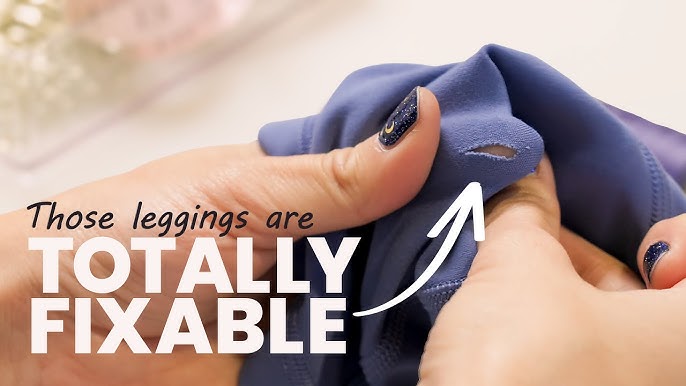
But before you throw away your favorite leggings or shirt, know that repairing activewear holes is easier than most people think. With the right methods, you can extend the life of your clothes, save money, and even help the environment by reducing waste.
In this guide, you'll learn practical, step-by-step ways to fix holes in activewear. Whether you have a tiny pinhole or a larger tear, there’s a solution you can do at home with simple tools. You’ll also discover what materials work best, what mistakes to avoid, and how to keep repairs looking good.
Even if you’ve never sewn before, you’ll find clear advice that works for all skill levels. Let’s explore how you can bring your activewear back to life.
Understanding Activewear Fabrics
Knowing your activewear fabric is key to a good repair. Most sports clothing is made from materials like polyester, nylon, spandex, and blends of these. These fabrics stretch and breathe, but they can react differently to sewing, adhesives, and heat.
- Polyester is strong, dries fast, and resists shrinking. It's slippery, so some threads and glues may not stick well.
- Nylon is tough and resists abrasion but can melt if ironed too hot.
- Spandex (or Lycra) offers high stretch. Sewing it incorrectly can cause puckering or breakage.
- Blends often combine these strengths. Always check the fabric label if possible.
Why does this matter? The repair method you choose should match the fabric’s stretch and thickness. For example, a patch for a thick, non-stretchy jacket won’t work well on thin, stretchy leggings. Using the wrong method can cause tightness, discomfort, or even a bigger hole after a few wears.
Pro Tip
If you don’t know your fabric, gently stretch it. If it snaps back quickly and feels smooth, it likely has spandex or Lycra. If it feels rougher and less stretchy, it’s probably polyester or a blend.
Assessing The Damage
Before fixing anything, look closely at the hole. The repair method changes depending on the size, shape, and location of the damage.
- Small holes or snags (less than 1 cm): Best for quick hand stitching or iron-on patches.
- Medium holes or tears (1-4 cm): May need a patch or a sewing machine.
- Large holes or rips (over 4 cm): Often need both a patch and extra reinforcement.
Also, check if the fabric around the hole is strong. If it’s thin or frayed, you’ll need to reinforce a larger area to prevent new tears.
Special Cases
- Seam holes are easier to repair than holes in the middle of the fabric.
- High-stress areas (knees, elbows, inner thighs) need stronger fixes.
- Patterns or mesh: Matching color and texture can be tricky. Think about appearance if the clothing is visible.
Tools And Materials You’ll Need
You don’t need expensive equipment to fix most activewear holes. Here’s what helps:
- Needle (sharp, thin, “ballpoint” needle for stretch fabrics)
- Thread (polyester or nylon; match color if possible)
- Scissors
- Fabric glue or fusible web (for no-sew repairs)
- Iron (for iron-on patches)
- Patches (stretch fabric, or special repair patches for sportswear)
- Tweezers (for small snags)
- Pins or clips (to hold fabric in place)
- Seam ripper (optional, for removing old stitches)
Choosing The Right Patch
Not all patches are the same. For best results:
- Use stretch patches for leggings, yoga pants, or any clothing that stretches.
- Iron-on patches are quick but sometimes stiff. Only use if the clothing doesn’t need to stretch much.
- Sew-on patches offer more flexibility and last longer, especially for large or high-stress holes.
Method 1: Hand Sewing Small Holes
Hand sewing is the simplest way to fix tiny holes. Even if you’ve never sewn before, you can do this with a little patience.
Steps
- Turn the garment inside out. This hides the stitches and keeps the outside looking neat.
- Thread the needle. Use about 30 cm of thread. Tie a small knot at one end.
- Align the hole. Gently pull the edges together so the fabric is flat, not bunched.
- Stitch across the hole. Start a few millimeters before the hole. Use a “whip stitch” (pass the needle over the edge, then back through from underneath, repeating along the hole). For stretchy fabrics, use small, close stitches.
- Secure the thread. When done, tie a knot and trim the excess.
- Check the repair. Turn the garment right side out and gently stretch to make sure it holds.
Example
If your running shorts have a pinhole near the seam, a whip stitch will close it without making it bulky. Choose a thread color close to the fabric for an invisible repair.
Insights Beginners Miss
- Always start stitching before the hole and finish after it, to anchor the repair.
- Don’t pull the thread too tight; this can cause puckering, especially in stretchy fabrics.
Method 2: Using Fabric Glue Or Fusible Web
Some people prefer to avoid sewing, especially on thin or delicate activewear. Fabric glue and fusible web are good choices for quick, invisible fixes.
Steps
- Clean the area. Dirt or sweat can stop glue from sticking. Wipe with a damp cloth and let dry.
- Cut a patch. Make it at least 1 cm larger than the hole on all sides. Use stretch fabric if possible.
- Apply glue or web. For glue, put a thin line around the hole’s edge. For fusible web, place it between the patch and garment.
- Attach the patch. Press the patch over the hole, making sure it’s smooth.
- Set with heat (if using web). Use an iron on low heat to bond the patch. Protect the fabric with a cloth between the iron and garment.
- Let dry or cool. Wait at least 24 hours for glue to cure before wearing or washing.
Insights Beginners Miss
- Too much glue can seep through and stiffen the area.
- Fusible web works best on polyester, not nylon or spandex, which can melt.
Method 3: Iron-on Patches
Iron-on patches are fast but have limits. They work best on non-stretchy, thicker activewear like jackets or some shorts.
Steps
- Choose the right patch. Make sure it’s meant for synthetic or stretch fabrics.
- Position the patch. Cut to size and place over the hole.
- Set your iron. Use the lowest setting that will activate the patch, and turn off steam.
- Use a pressing cloth. Place a thin cotton cloth between the iron and patch.
- Press firmly. Hold for 10–15 seconds, then let cool.
- Test the bond. Tug gently at the edges. If it lifts, repeat with more heat.
Example
A small tear in a polyester windbreaker can be fixed with a color-matched iron-on patch. The repair is almost invisible and restores wind protection.
Insights Beginners Miss
- Do not iron directly on nylon or spandex—it can melt.
- Wash repaired items on gentle cycle to extend the life of the patch.

Credit: sewguide.com
Method 4: Sewing Machine Repairs For Larger Holes
If you have a sewing machine, it’s possible to repair larger holes so they stretch and move naturally. This method is best for those with basic sewing skills.
Steps
- Turn garment inside out. Flatten the area around the hole.
- Cut a stretch patch. Make it larger than the hole by at least 1 cm on all sides.
- Pin the patch. Place it over the hole from the inside and secure with pins or clips.
- Set your machine. Use a “zigzag” or “stretch” stitch with polyester thread.
- Sew around the hole. Stitch close to the edge of the patch, going slowly to avoid puckering.
- Trim excess fabric. Cut away extra patch material from inside.
- Test the repair. Gently stretch to make sure it moves with the fabric.
Insights Beginners Miss
- Always use a ballpoint needle to avoid damaging stretch fibers.
- A zigzag stitch lets the seam stretch, preventing future tearing.
Method 5: Invisible Repairs For Mesh Or Patterned Fabrics
Mesh panels and patterned leggings can be hard to fix without making the hole stand out. There are some tricks to keep the repair hidden.
Steps
- Use matching thread or fine mesh. For mesh, find a piece from a hidden area (like an inner seam) or buy a small swatch.
- Hand sew with tiny stitches. Use a fine needle and thread, taking small stitches around the edge of the hole.
- Weave in extra fibers. If the mesh is torn, use the needle to pull in threads from the edge, weaving them across the gap.
- For patterns, align carefully. When adding a patch, match the pattern lines as closely as possible.
Example
A small hole in the mesh back of a sports bra can be fixed by stitching a tiny piece of matching mesh from the inside, making the repair nearly invisible.
Insights Beginners Miss
- Invisible repairs take longer but look better and feel smoother against the skin.
- Always test on a scrap first if you’re unsure.
Method 6: Darning For High-wear Areas
Darning is a way to “weave” new thread across a hole, often used for socks or knees. It works for activewear in high-wear spots.
Steps
- Turn garment inside out. Place a small object (like a spoon) under the hole to keep the fabric flat.
- Thread a needle. Use strong, thin thread.
- Make parallel stitches. Run rows of stitches back and forth across the hole, catching solid fabric at the edges.
- Weave across. Go at right angles to the first set, weaving over and under the threads.
- Secure ends. Tie off and trim excess.
Example
If the inner thigh of your leggings wears thin, darning adds strength without bulky patches.
Insights Beginners Miss
- Use very small stitches for a smoother finish.
- Darning can change the texture, so avoid in very visible spots.
Method 7: No-sew Repair Tapes
Repair tapes are a new, easy fix for activewear. They’re strong, flexible, and require no sewing or ironing.
Steps
- Clean and dry the area.
- Cut the tape to size. Round the corners to prevent peeling.
- Stick over the hole. Press firmly, smoothing out air bubbles.
- Wait before washing. Let the adhesive set for 24 hours.
Example
A quick fix for a rip in your gym bag or running jacket sleeve.
Insights Beginners Miss
- Repair tape doesn’t last forever; check after each wash.
- Not all tapes work well on very stretchy fabrics.
Credit: www.youtube.com
Comparing Repair Methods
Here’s a quick look at how different methods compare for stretch, strength, and ease:
| Method | Best for | Strength | Stretch | Skill Needed |
|---|---|---|---|---|
| Hand Sewing | Small holes | Medium | Good | Low |
| Fabric Glue | Small/medium holes | Medium | Poor–Good | Low |
| Iron-On Patch | Thicker fabrics | High | Poor | Low |
| Sewing Machine | Large holes | High | Excellent | Medium |
| Repair Tape | All sizes | Medium | Poor–Good | Very Low |
Mistakes To Avoid
Many first-time repairs fail because of a few common mistakes. Here’s how to avoid them:
- Choosing the wrong patch or thread. Always match stretch with stretch. Using a stiff patch on leggings makes movement uncomfortable.
- Not reinforcing enough fabric. Fixing only the hole, not the weak area around it, can lead to new tears.
- Sewing too tight. Over-tight stitches cause puckering and can even rip the fabric again.
- Skipping cleaning. Dirt and oil stop glue and tape from sticking.
- Using hot irons on synthetics. This can melt or discolor the fabric.
- Ignoring wash instructions. Repaired items last longer if washed on gentle cycles and air dried.
Advanced Tips For A Professional Finish
Want your repairs to look as good as new? Try these advanced tips:
- Use a twin needle on your sewing machine for double, stretchy seams.
- Color match carefully. Bring your garment to the store when buying thread or patches.
- Round the corners of patches and tape. This prevents peeling and catches.
- Double stitch high-stress areas like knees or elbows.
- Add interfacing behind thin fabrics for extra strength, but make sure it stretches.
How To Prevent Future Holes
Fixing holes is helpful, but preventing them saves time and effort. Here’s what you can do:
- Wash activewear inside out on gentle cycles.
- Avoid fabric softeners, which can weaken elastic fibers.
- Hang dry instead of using a hot dryer.
- Store carefully. Don’t hang heavy items on thin straps.
- Trim nails and avoid sharp jewelry when dressing.
- Rotate your clothing. Wearing the same leggings every day wears them out faster.
When To Replace Instead Of Repair
Not every hole can or should be fixed. Sometimes, it’s safer or more comfortable to buy new activewear. Here’s how to decide:
- Multiple large holes or thinning fabric all over.
- Stretched out elastic that no longer supports.
- Uncomfortable repairs that rub or chafe.
- Damage in key support areas (like the waistband or sports bra straps).
If your repair takes longer than replacing, or the clothing no longer performs, it’s time to move on.
Real-life Example: Fixing A Hole In Yoga Pants
Let’s look at a real example. Suppose you find a 2 cm hole in the inner thigh of your favorite yoga pants. Here’s how you might fix it:
- Assess the fabric. It’s a spandex-polyester blend.
- Choose a stretch patch (from an old pair of leggings).
- Turn the pants inside out.
- Cut the patch so it covers the hole with 1 cm extra all around.
- Pin the patch in place.
- Use a zigzag stitch on a sewing machine to sew around the patch.
- Trim excess.
- Test the repair by stretching the pants.
- Wash gently and hang to dry.
The result: The hole is gone, the pants feel strong, and the repair is barely visible.
Environmental Impact Of Repairing Activewear
Repairing instead of tossing your activewear helps reduce waste. Millions of tons of textiles end up in landfills each year, and synthetic fabrics don’t break down easily. By fixing your clothes:
- You keep them out of landfill longer.
- You use fewer resources (water, energy) than buying new.
- You can donate or recycle when clothes are truly worn out.
Some brands even offer repair services or recycling programs. For more on textile recycling, see the EPA’s textile waste information.
Comparing Cost: Repair Vs. Replace
How much does it really save to fix your clothes? Here’s a quick look:
| Repair Method | Typical Cost | Time Needed | New Item Cost |
|---|---|---|---|
| Hand Sewing | Under $2 (thread, needle) | 10–20 min | $20–$80 |
| Fabric Glue | $5–$10 (tube lasts many repairs) | 5–10 min (plus drying) | $20–$80 |
| Iron-On Patch | $5–$12 (pack of patches) | 5 min | $20–$80 |
| Sewing Machine | $0 (if you own one) | 10 min | $20–$80 |
| Professional Repair | $10–$25 | 1–3 days | $20–$80 |
Fixing a hole usually costs much less than buying new. Plus, you keep your favorite items in rotation.

Credit: www.ebay.com
Repairing Specialty Activewear: Swimwear, Compression, And More
Some types of activewear need extra care:
Swimwear
- Use nylon or polyester thread.
- Seal raw edges with clear nail polish to stop fraying.
- Avoid iron-on patches—they can ruin the fabric.
Compression Garments
- Repairs should not affect compression. Use fine, stretch stitches.
- Avoid bulky patches inside where they can rub skin.
Technical Gear (like Waterproof Jackets)
- Use special tapes or glues designed for waterproof fabrics.
- Re-seal seams after patching.
Tips
- Always test glue or tape on a hidden area first.
- For expensive gear, consider a professional repair shop.
Diy Or Professional Repair?
Most holes can be fixed at home with basic skills. Consider a professional if:
- The item is expensive or technical (like a cycling suit or wetsuit).
- The hole is large and in a visible spot.
- You want a nearly invisible repair.
Many dry cleaners or tailors now offer activewear repairs. Prices are usually reasonable and can save a favorite item.
Frequently Asked Questions
How Long Do Repairs Usually Last?
A good repair can last as long as the rest of the garment, especially if you use the right method for the fabric and hole size. Hand-sewn or machine-sewn repairs on stretch fabrics often outlast glue or tape fixes.
Will A Patch Make My Activewear Uncomfortable?
If done correctly, a patch should not cause discomfort. Always use soft, stretchable fabric for patches on leggings or tops. Trim patches close to the repair and avoid placing them where they’ll rub against skin.
Can I Fix Holes In Waterproof Or Windproof Activewear?
Yes, but you need to use special repair tapes or glues made for waterproof fabrics. Standard patches and sewing can break the waterproof seal. Follow the brand’s repair instructions if available.
Is It Possible To Repair Mesh Panels Or See-through Fabric?
Yes, but it’s more difficult. Use fine mesh or thread that matches the original. Small hand stitches and careful alignment can keep the repair almost invisible. For large holes, consider taking it to a professional.
What If I Don’t Have Matching Thread Or Fabric?
Choose the closest color you have, or use black or gray for dark clothes, and white for light. If the repair is inside or not very visible, an exact match is less important. Some people use contrasting colors for a “visible mending” look as a style choice.
Repairing holes in activewear may seem difficult at first, but with the right tools and patience, you can restore your favorite clothes and get more use from every piece. Next time you see a hole, remember: you have the skills to fix it and keep moving.
