

How to Mend Yoga Pants: Easy Fixes for Rips and Tears
Mending yoga pants may seem simple, but it’s easy to get it wrong. Many people throw away their favorite pair after a small tear or hole, not knowing how easy it can be to fix them. Whether it’s a stretched seam, a hole in the inner thigh, or worn-out fabric, there’s a way to restore comfort and style.
Repairing your yoga pants not only saves money but also helps reduce waste. With the right approach, you can give your favorite pants a second life and keep them looking good for longer.
This complete guide covers all the ways to mend yoga pants, from basic stitches to more advanced repairs, and how to make your fixes almost invisible. You’ll learn about the right tools, common mistakes to avoid, and even some tips from experienced tailors.
By the end, you’ll know exactly what to do when your yoga pants need a little care.
Why Yoga Pants Get Damaged
Yoga pants are designed for flexibility and movement, which means they’re often made from stretchy fabrics like spandex, nylon, or polyester blends. These materials feel great but are not immune to damage. Common reasons for wear and tear include:
- Friction: The inner thigh and seat areas often rub together, causing thinning or holes.
- Stretching: Repeated movements can make seams pop or fabric lose its shape.
- Washing: High heat or harsh detergents can weaken fibers.
- Snags: Zippers, jewelry, or rough surfaces can create small holes.
Understanding these causes helps you repair pants the right way and prevent future damage.
Assessing The Damage
Before you start mending, it’s important to inspect the damage carefully. Not all holes or tears are the same, and the repair method depends on the type and location of the problem. Look for:
- Size and shape of the tear: Is it a small hole, a long rip, or a stretched seam?
- Location: Inner thigh, knees, waistband, or hem.
- Fabric condition: Is the material thin and worn, or is it strong around the hole?
If the fabric is too thin or the hole is too large (bigger than a coin), repairing may not last long. In those cases, you might consider patching or creative solutions rather than simple stitching.
Essential Tools And Materials
You don’t need a fancy sewing machine to fix yoga pants, but a few basic tools will make your work much easier. Here’s what you should have on hand:
- Needle: A ballpoint needle works best for stretch fabrics.
- Thread: Use polyester or nylon thread for durability and stretch.
- Scissors: Small, sharp scissors for trimming threads and fabric.
- Pins or clips: To hold fabric in place while you sew.
- Iron-on patches: For larger holes or thin areas.
- Fabric glue: For quick fixes or no-sew repairs.
- Seam ripper: To remove damaged stitches if needed.
- Measuring tape: For accurate patch sizing.
If you have a sewing machine, a zigzag stitch function is ideal for stretchy materials.
Hand Sewing Vs. Machine Sewing
There are two main ways to mend yoga pants: by hand or with a sewing machine. Each has pros and cons.
| Method | Pros | Cons |
|---|---|---|
| Hand Sewing | Precise, good for small areas, portable | Slower, less durable for high-stress areas |
| Machine Sewing | Strong, fast, neat finish | Requires equipment, not always accessible |
For most home fixes, hand sewing is enough, especially for small holes or seams. Machine sewing is better for large repairs or if you want a more professional look.
Fixing Small Holes And Snags
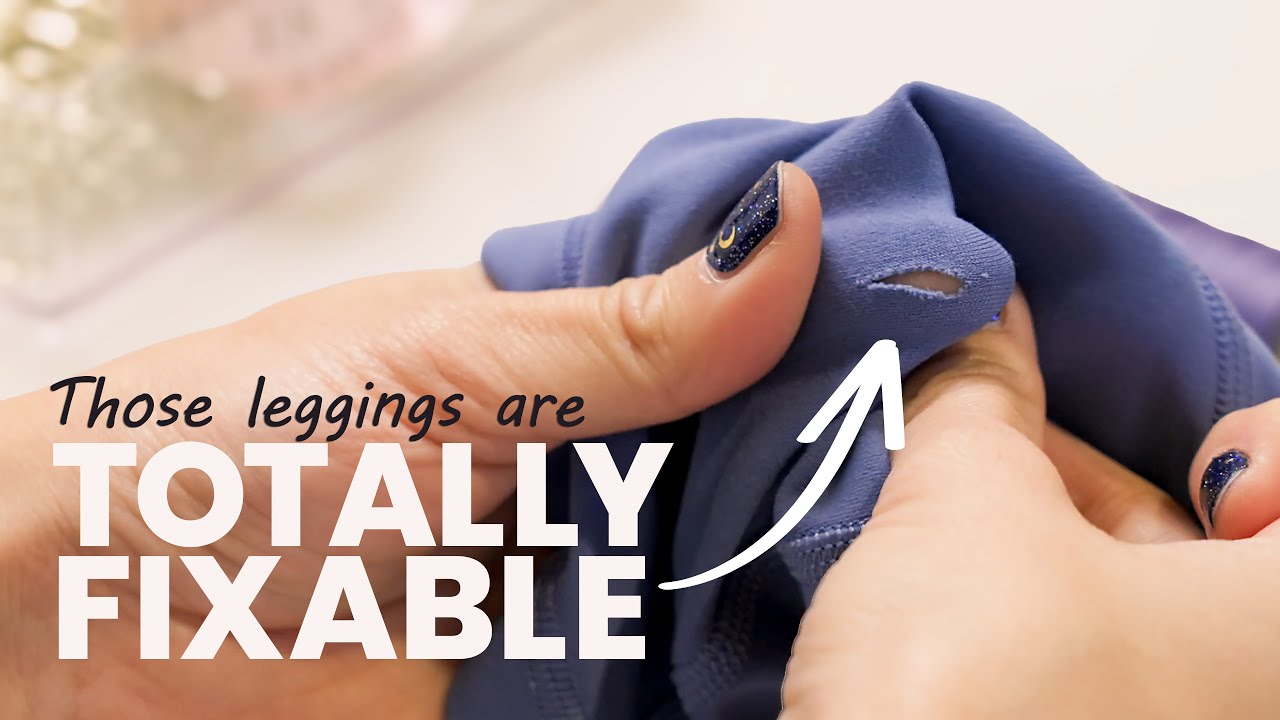
A small hole or snag is the most common problem with yoga pants. Repairing it quickly can stop it from getting bigger.
Steps To Mend A Small Hole
- Trim loose threads: Use scissors to clean up the area.
- Turn pants inside out: This hides your repair.
- Pinch the fabric together: Align the edges of the hole.
- Use a needle and thread: Thread a needle with a strong, stretchable thread.
- Stitch the hole: Use a whip stitch or ladder stitch. Start a few millimeters before the hole and finish a few millimeters past it.
- Tie off and trim: Knot the thread securely and trim the ends.
- Turn right side out: Check your work. The stitch should be tight but not puckered.
Tip: For a nearly invisible result, use thread that matches the color of your pants.
Repairing Stretched Or Broken Seams
Seams may come apart, especially in high-stress areas like the inner thigh. Fixing a seam is easier than mending a hole because you can follow the original stitch line.
How To Fix A Seam
- Turn pants inside out: This exposes the seam.
- Align the edges: Match up both sides of the fabric.
- Pin in place: Use pins or clips to hold the seam.
- Stitch along the original line: Use a backstitch by hand, or a zigzag stitch if using a machine.
- Stretch the fabric slightly: This keeps the seam flexible.
- Secure the ends: Knot or backstitch at the start and end to keep the seam from coming loose.
Non-obvious Insight: Overstretching the fabric while sewing can make the repair weaker. Always sew with gentle tension.
Patching Larger Holes
Sometimes, the hole is too large for simple stitching. In these cases, you need a patch. A patch adds strength and extends the life of your pants.
Choosing A Patch
- Iron-on patches are quick and easy, but may not stretch as much as the original fabric.
- Sew-on patches are more durable and stretch better if you use similar fabric.
Tip: Cut patches with rounded edges to stop them from peeling off.
How To Patch Yoga Pants
- Cut a patch: Make sure it covers the hole with at least 1 cm extra all around.
- Place the patch: On the inside or outside, depending on where you want it to show.
- Pin or iron in place: If using iron-on, follow package instructions.
- Sew the patch: Use a zigzag or stretch stitch around the edges.
- Trim excess fabric: For comfort and a neat look.
Practical Example: If the hole is on the knee, use a fun-shaped patch to make it stylish as well as functional.
No-sew Fixes For Quick Repairs
Not everyone has the time or tools for sewing. For a fast solution, try fabric glue or iron-on adhesive.
Using Fabric Glue
- Clean and dry the area.
- Apply a thin layer of glue around the hole.
- Press the edges together or stick on a patch.
- Let it dry completely before wearing.
Downside: Fabric glue is less flexible than thread and may not last through many washes.
Iron-on Adhesive
- Cut adhesive to size.
- Place between a patch and your pants.
- Iron according to instructions.
This is best for areas that don’t stretch much, like the lower leg or waistband.
Reinforcing High-wear Areas
After fixing a hole, you may want to reinforce the area to stop it from tearing again. This is especially useful for the inner thigh or seat.
How To Reinforce
- Add a second layer of stretch fabric on the inside.
- Use a zigzag stitch around the area.
- For hand sewing, use double thread for extra strength.
Non-obvious Insight: Reinforcing areas before they break can extend the life of your yoga pants. Check high-friction spots every few months.
Making Repairs Invisible
A common worry is that repairs will look obvious. With care, you can make fixes almost invisible.
- Use matching thread and fabric for patches.
- Stitch with small, even stitches.
- Always work from the inside where possible.
- Iron the area after sewing to flatten the stitches.
Creative Repairs: Style And Function
Sometimes, a repair can add style as well as function. Use fun colors, shapes, or decorative stitches to make your yoga pants unique.
- Try contrasting thread for a visible mending look.
- Use shaped patches (stars, hearts) on knees or hips.
- Add embroidery over patched areas for a custom touch.
This approach not only repairs your pants but also makes them one-of-a-kind.
Common Mistakes To Avoid
Many people make small errors that shorten the life of their repairs. Here are the most frequent mistakes:
- Using regular thread: It breaks easily on stretchy fabrics.
- Over-tightening stitches: Causes puckering and discomfort.
- Ignoring fabric direction: Patches should follow the stretch of the pants.
- Washing too soon: Let glue or patches set for at least 24 hours.
- Skipping reinforcement: Repaired areas often need extra support.
Avoiding these mistakes makes your repairs more durable and comfortable.
Caring For Mended Yoga Pants
After fixing your pants, take steps to keep them in good shape.
- Wash inside out to reduce friction.
- Use cold water and gentle detergent.
- Avoid high heat in the dryer.
- Check repaired areas regularly for signs of wear.
These habits can add months or years to the life of your yoga pants.
When To Replace Instead Of Repair
Not all yoga pants can be saved. If the fabric is thin everywhere, or there are multiple large holes, repairs may not last. Signs it’s time to replace:
- Fabric is see-through in several spots.
- Seams keep coming apart after mending.
- Patches or glue won’t stick anymore.
In these cases, consider repurposing old pants as cleaning cloths or donating to textile recycling instead of throwing them away.
Credit: www.youtube.com
Sustainable Fashion And Repairs
Mending yoga pants is more than just saving money. Each year, millions of tons of clothing end up in landfills, much of it still wearable with minor repairs. By fixing your yoga pants, you help reduce waste and support sustainable fashion.
Non-obvious Insight: Some brands offer repair services or sell patch kits designed for their fabrics. Check with the brand before throwing away damaged pants.
For more information about sustainable clothing repairs, visit the Fashion Revolution website.
Comparison Of Repair Methods
Different repair methods suit different types of damage. The table below summarizes the best approach for each situation.
| Damage Type | Best Repair | Durability | Visibility |
|---|---|---|---|
| Small hole | Hand stitching | Medium | Low (if matching thread used) |
| Broken seam | Machine zigzag | High | Very low |
| Large hole | Sew-on patch | High | Medium |
| Quick fix | Fabric glue | Low | Medium |
Yoga Pants Fabric Types And Repair Challenges
Yoga pants come in different materials, and each type needs a slightly different repair approach.
| Fabric Type | Repair Challenge | Best Tool |
|---|---|---|
| Spandex/Elastane blends | Very stretchy, hard to keep seams flat | Ballpoint needle, zigzag stitch |
| Cotton blends | Less stretch, but prone to shrinking | Universal needle, straight stitch |
| Polyester | Slippery, may fray | Sharp needle, overlock stitch |
Tips From Experienced Tailors
Learning from professionals can give you a big advantage. Here’s what skilled tailors recommend for mending yoga pants:
- Always use stretch thread if possible. It’s made to flex with the fabric.
- Press seams flat with a warm iron (if safe for your fabric) after sewing.
- Use double stitches in high-stress spots, like the inner thigh.
- Try “darning” for small worn areas: Weave thread over the hole in a crisscross pattern.

Credit: www.reddit.com
How To Mend Yoga Pants On The Go
Sometimes, you need a repair when you’re not at home. Here are quick fixes you can do with minimal tools:
- Use a safety pin to hold a seam until you can sew it.
- Try clear nail polish on a small snag to stop it from getting bigger.
- Carry a small sewing kit in your bag for emergencies.
These solutions are temporary but can save you from wardrobe malfunctions during a yoga class or trip.
Teaching Kids And Teens To Repair
Many young people throw away clothes at the first sign of damage. Teaching basic repairs helps them value their belongings and develop useful skills.
- Start with simple repairs, like sewing a button or fixing a small hole.
- Show them how to use a needle safely.
- Encourage them to personalize repairs with patches or embroidery.
This hands-on learning also supports sustainable habits.

Credit: www.reddit.com
Making Yoga Pants Last Longer
Prevention is better than cure. Simple actions can reduce the need for repairs:
- Avoid sitting on rough surfaces.
- Wash on a gentle cycle and air dry.
- Rotate between several pairs to reduce wear.
- Store folded, not hung, to keep the fabric from stretching.
Non-obvious Insight: Applying a small amount of clear fabric sealant to high-wear areas can prevent fraying.
Upcycling Old Yoga Pants
If your yoga pants are beyond repair, consider upcycling. Old pants can become:
- Hair ties or headbands
- Cleaning cloths
- Small bags or pouches
- Patch material for other clothes
This way, nothing goes to waste, and you get more value from your purchase.
Frequently Asked Questions
How Do I Fix See-through Yoga Pants?
If the fabric is see-through only in one spot, you can add a patch of similar stretch fabric inside. If the whole seat or thigh is see-through, the fabric may be too worn to repair well. In this case, consider using them for at-home workouts or upcycling.
Can I Use Regular Thread To Sew Yoga Pants?
Regular cotton thread is not strong or stretchy enough for yoga pants. Always use polyester or nylon thread. These materials stretch and are less likely to break under stress.
Is Fabric Glue Safe For All Yoga Pants?
Fabric glue works for most synthetic fabrics but may not bond well to very slick or heavily coated materials. Always test on a small hidden area first, and follow the drying instructions carefully.
How Can I Make A Repair Less Visible?
Use thread and patches that match your yoga pants. Work from the inside, sew small even stitches, and iron the area after repair. Practicing on scrap fabric can also help you improve your technique.
What Is The Best Way To Prevent Holes In Yoga Pants?
To prevent holes, wash your pants inside out, avoid rough surfaces, and rotate between several pairs. Reinforcing high-wear areas with a bit of extra fabric can also help stop holes before they start.
Repairing yoga pants is a practical skill that saves money, reduces waste, and keeps your favorite clothes in action. With these tips and techniques, you can tackle almost any problem your yoga pants face, from tiny snags to bigger tears.
Whether you prefer invisible fixes or want to add a creative twist, a little effort goes a long way. Start with small repairs, and soon you’ll feel confident taking on any mending challenge. Your yoga pants—and the planet—will thank you.
