

How Often Do You Wash T Shirts for Lasting Freshness
How Often Do You Wash T Shirts
How many times do you wear a t shirt before tossing it in the laundry? Some people wash after every single use. Others wear the same shirt for days. The truth is, there’s no single answer that works for everyone.
Your routine, the climate, your body, and how you use your shirts all matter. But washing too often can wear out your favorite tees. Washing too little? That can cause odors, bacteria, and even skin issues.
Let’s dig deep into how often you should wash t shirts, the science behind cleanliness, and practical tips to make your shirts last longer while staying fresh. You’ll discover not just basic advice, but real-life examples, data, and solutions for all kinds of lifestyles.
By the end, you’ll have a clear, confident answer for your own routine.
Why Washing Frequency Matters
Washing t shirts is not just about removing stains. It’s about hygiene, fabric care, and even the environment.
Hygiene And Health
Your skin sheds tiny cells and produces oils. Sweat and body bacteria collect in your clothing—especially the parts that touch your armpits and chest. If you don’t wash shirts often enough, these build up. That can cause:
- Unpleasant odors
- Skin irritation
- Acne or rashes
In hot, humid weather, bacteria and fungi grow faster. A shirt worn for a few hours can smell much faster than one worn in cool, dry air.
Fabric Longevity
Every wash cycle breaks down fibers a little. Over-washing can fade colors, stretch necklines, and thin the fabric. High-quality shirts last longer, but even the best material will age quickly if washed too often.
Environmental Impact
Washing uses a lot of water and energy. According to the Environmental Protection Agency, the average washing machine uses about 19 gallons (72 liters) of water per load. Detergents and microfibers also enter waterways, affecting aquatic life.
Washing smarter helps you:
- Save money on water and electricity
- Reduce your carbon footprint
- Make shirts last longer, saving you money
Factors That Affect How Often You Should Wash T Shirts
There’s no fixed rule for everyone. These key factors help you decide your own washing schedule.
1. Activity Level
If you sweat a lot—maybe you walk, bike, or play sports—your t shirts collect more sweat and bacteria. Gym shirts need washing after every use. But if you’re at a desk all day, your shirt may stay fresh longer.
2. Weather And Climate
Hot, humid days mean more sweat. Cold, dry climates? Less sweating, so you can wear shirts longer between washes.
3. Shirt Material
Different fabrics react to sweat and odor in unique ways.
| Material | Odor Retention | Durability |
|---|---|---|
| Cotton | Medium | Good |
| Polyester | High | Very Good |
| Merino Wool | Low | Excellent |
| Bamboo | Low | Good |
| Blends | Medium | Varies |
Merino wool and bamboo resist odor better than synthetic fibers like polyester. If you have a merino shirt, you may wear it several times before it smells.
4. Shirt Color And Design
White and light-colored shirts show stains and sweat marks faster. Dark shirts may not look dirty, but can still collect odor.
Graphic tees and shirts with prints may fade faster with washing, so you might want to minimize unnecessary washes.
5. Personal Hygiene
If you shower daily and wear deodorant, your shirts may stay clean longer. But if you sweat heavily or skip showers, you’ll need to wash more often.
6. Layers And Usage
Wearing a t shirt as an undershirt, with another shirt or sweater on top, keeps it cleaner. If it’s your only top layer, it’s exposed to more dirt and pollution.
7. Allergies And Skin Sensitivities
People with sensitive skin or allergies may need to wash shirts after every use to remove skin oils and irritants.
8. Odor Sensitivity
Some people notice smells quickly. Others don’t mind a shirt that’s slightly used. Your comfort matters.
9. Stains And Spills
Obvious stains mean it’s time to wash, no matter how long you wore the shirt.
How Often Should You Wash T Shirts? Guidelines For Different Situations
Let’s look at common scenarios to guide your decision.
Everyday Casual Wear
If you wear a t shirt for a few hours, in a clean environment, and don’t sweat much, you can often wear it 2–3 times before washing. Let it air out between uses.
After Exercise Or Heavy Sweating
Always wash your t shirt after one wear if you exercise, sweat heavily, or work outdoors. Sweat and bacteria build up fast and can stain fabric.
Work Or School
For shirts worn all day in an office or classroom, most people wash after 1–2 wears. If you sweat very little and the shirt smells fine, you can go for a second wear.
Nightwear
Some people use old t shirts as pajamas. If you shower before bed and don’t sweat much at night, you can wear the same shirt for 2–4 nights before washing.
Undershirts
Undershirts collect sweat and body oils. Wash after each use for good hygiene, especially if worn under business shirts.
Travel And Backpacking
On long trips, especially in cool climates, you can wear odor-resistant shirts like merino wool 3–5 times before washing. Airing out and spot cleaning helps.
Allergy Or Skin Issues
If you have eczema, allergies, or sensitive skin, wash shirts after every wear to remove irritants.
What Happens If You Wash T Shirts Too Often?
Many people think frequent washing is always best. But over-washing causes problems:
- Fabric damage: Colors fade, fibers weaken, prints crack.
- Shrinkage: Hot water and dryers shrink cotton.
- Pilling: Small fabric balls form, making shirts look old.
- Higher costs: More detergent, water, and energy used.
A study by the International Association for Soaps, Detergents and Maintenance Products found that washing clothes less often can cut environmental impact by up to 30%.

Credit: www.getcleanpeople.com
What Happens If You Don’t Wash Enough?
Skipping laundry can also lead to issues:
- Bad odor: Sweat and bacteria cause lasting smells.
- Stains set in: The longer you wait, the harder stains are to remove.
- Skin problems: Old sweat and oils can block pores or cause rashes.
- Social embarrassment: Visible stains or strong odor can affect confidence.
How To Tell If A T Shirt Needs Washing
Instead of guessing, use these signs:
- Smell Test: If the shirt smells even a little, wash it.
- Visible Stains: Any marks or spills need a wash.
- Fabric Feel: If the shirt feels sticky or rough, it’s time.
- Appearance: If the shirt looks wrinkled or stretched, it might be time to clean and reshape it.
- Days Worn: If you can’t remember the last wash, better to be safe.
How To Reduce The Need For Frequent Washing
Want to make your shirts last longer? Try these practical tips:
Air Out Between Wears
Hang your shirt in a well-ventilated place overnight. Fresh air helps remove minor odors and moisture.
Spot Clean Small Stains
Use a damp cloth or a stain remover pen to clean spots quickly, instead of washing the whole shirt.
Rotate Your Shirts
Don’t wear the same shirt two days in a row. Rotating helps shirts recover and stay fresher.
Use Odor-resistant Fabrics
Invest in shirts made from merino wool or bamboo. These fabrics resist odor naturally and let you wear them more times between washes.
Wear An Undershirt
An undershirt absorbs sweat and oils, keeping your outer shirt cleaner.
Store Properly
Fold or hang shirts in a dry place. Avoid piling damp clothes together, which can cause mildew.
The Best Way To Wash T Shirts
When it’s time to wash, do it right to protect your shirts.
Sorting
Wash darks, lights, and whites separately to avoid color transfer.
Water Temperature
Cold water is best for most t shirts. It preserves color and shape.
Choosing Detergent
Use a mild, color-safe detergent. Avoid bleach unless necessary for whites.
Washing Machine Settings
Use a gentle cycle to reduce wear and tear.
Drying
Air dry shirts whenever possible. If you use a dryer, choose low heat.
Turning Shirts Inside Out
This protects prints and colors from fading.
Data: How Long Do T Shirts Last Based On Washing Frequency?
Let’s compare how washing habits affect shirt lifespan.
| Washing Frequency | Average Lifespan | Common Issues |
|---|---|---|
| After every wear | 1–2 years | Fading, shrinkage, pilling |
| After 2–3 wears | 2–3 years | Some fading, minor wear |
| After 4+ wears (with care) | 3–4 years | Possible odor if not aired |
Shirts washed less often (but not neglected) can last twice as long.
Common Mistakes People Make
Many people get washing frequency wrong. Here are the top mistakes and how to avoid them:
- Washing after every wear, no matter what: This shortens shirt life, wastes water and energy.
- Ignoring minor stains: They can become permanent if left too long.
- Using too much detergent: Residue can build up, making shirts feel stiff.
- Overloading the washing machine: Shirts don’t get cleaned properly and wear out faster.
- Using hot water for all washes: Hot water fades colors and shrinks cotton.
- Leaving shirts wet in the machine: This causes mildew and bad smells.
- Drying on high heat: High heat damages fibers and causes shrinkage.
- Not checking care labels: Some shirts need special care.
Special Cases: Kids, Athletes, And Sensitive Users
Kids’ T Shirts
Children’s shirts usually need washing after every wear. Kids spill, sweat, and collect germs quickly.
Athletes
Sports shirts pick up sweat and bacteria fast. Always wash after every workout.
People With Sensitive Skin
If you have eczema, allergies, or breakouts, wash shirts after every use. Use fragrance-free detergent and avoid fabric softeners.
How To Build A Smart T Shirt Laundry Routine
Want a system that works? Try these steps:
- Assess Your Routine: Track how much you sweat and your daily activities.
- Set Up Airing Space: Use hooks or a drying rack to air shirts overnight.
- Plan Laundry Days: Don’t wait until you run out of shirts. Wash in small, regular loads.
- Stock Up on Odor-Resistant Shirts: Invest in a few high-quality tees.
- Be Flexible: Some days need more frequent washing, others less. Use your senses.
Credit: www.reddit.com
Environmental Perspective: Sustainable Washing
Rethinking how often you wash shirts helps the planet.
- Washing less often: Saves thousands of gallons of water each year.
- Cold washes: Use up to 90% less energy than hot washes.
- Air drying: Cuts energy use and greenhouse gas emissions.
For more on laundry’s environmental impact, see this EPA resource.
Practical Examples: Real-life Washing Schedules
Let’s see how different people manage their t shirt washing:
Office Worker
- Wears a t shirt under a button-up shirt.
- Sweats little, works in air conditioning.
- Washes t shirts every 2–3 wears.
College Student
- Wears graphic tees as main shirts.
- Walks around campus, some light sweating.
- Washes after 1–2 wears, more often in summer.
Gym Enthusiast
- Owns several moisture-wicking shirts.
- Wears each shirt once per workout.
- Washes after every use.
Busy Parent
- Kids spill food and play outside.
- Washes family t shirts after every wear, sometimes more than once a day.
Minimalist Traveler
- Travels with 3 odor-resistant shirts.
- Wears each shirt 3–5 times, airs out between uses.
- Washes shirts in the sink as needed.
Insights Most People Miss
Here are two things beginners often overlook:
- Fabric choice impacts washing needs more than you think. Switching to merino or bamboo can reduce washes by half without odor.
- Airing shirts overnight in sunlight helps kill bacteria. Sunlight naturally disinfects and removes smells better than indoor airing.
How To Make Your T Shirts Last Longer
If you want your favorite t shirts to look new for years, follow these extra tips:
- Wash inside out: Protects prints and colors.
- Use laundry bags: Prevents stretching and pilling.
- Skip fabric softeners: They can coat fibers and trap odor.
- Store folded, not hung: Hanging can stretch necklines, especially for heavier shirts.
- Treat stains early: Dab with cold water and a little soap as soon as possible.
Credit: www.goodhousekeeping.com
Frequently Asked Questions
How Many Times Can I Wear A T Shirt Before Washing?
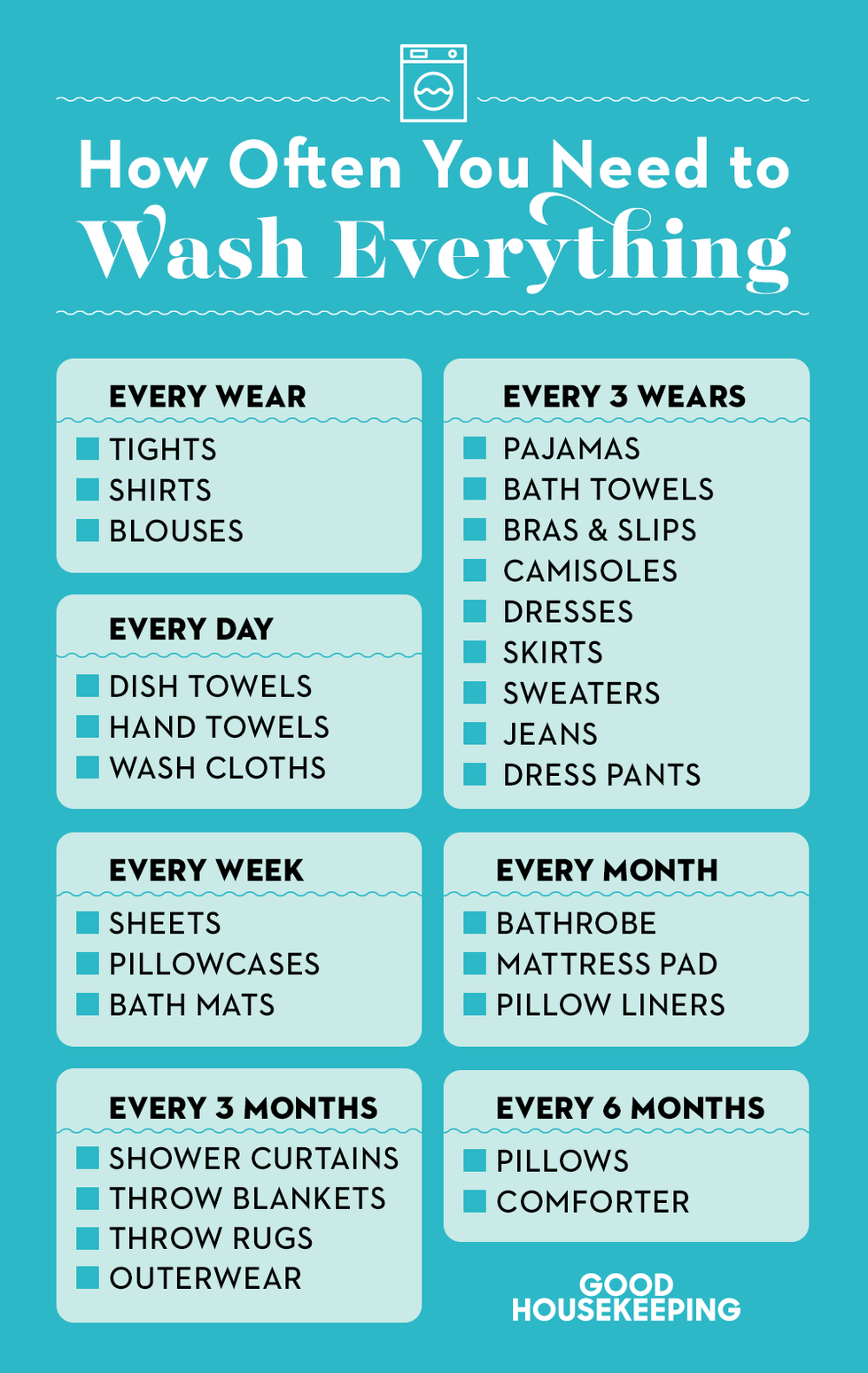
Most people can wear a t shirt 2–3 times before washing if they don’t sweat much and the shirt doesn’t smell. But if you sweat heavily or there are stains, wash after every use.
Is It Bad To Wash T Shirts After Every Use?
Washing after every use is safe for hygiene but can reduce the shirt’s lifespan. Over-washing causes fading and fabric wear. Only wash after every use if you sweat a lot, have sensitive skin, or the shirt is dirty.
Can I Air Out T Shirts Instead Of Washing?
Yes, airing out shirts between wears helps remove moisture and minor odors. Hang them in a well-ventilated area or sunlight. But this doesn’t replace washing if there’s sweat or visible dirt.
What’s The Best Way To Remove Sweat Odors From T Shirts?
Soak the shirt in a mix of water and white vinegar for 30 minutes before washing. Use cold water and a gentle detergent. Air dry in sunlight for extra odor removal.
Do Certain Fabrics Need Less Frequent Washing?
Yes. Merino wool and bamboo shirts resist odor and bacteria better than cotton or polyester. You can wear them more times between washes, especially in cool climates.
Keeping your t shirts fresh, clean, and long-lasting is about balance. Think about your daily habits, fabric choices, and personal comfort. Washing less often—when possible—saves money, helps the planet, and keeps your favorite shirts in top shape. Use your senses, trust your judgment, and enjoy a smarter laundry routine.
