

How to Measure Tank Tops: A Step-by-Step Sizing Guide
How To Measure Tank Tops
Tank tops are a wardrobe staple for men and women, loved for their comfort and versatility. But buying or selling tank tops online, designing your own, or even altering one requires knowing its exact size. Without accurate measurements, you risk tank tops that are too tight, too loose, or simply unflattering.
If you want your tank tops to fit perfectly—whether for personal use, retail, or custom tailoring—learning to measure them correctly is essential.
Getting these measurements right isn’t just about numbers. It helps you choose the right size, compare brands, and ensure consistency across your wardrobe. This guide will take you through all the steps, tools, and tips you need to measure tank tops confidently.
You’ll also learn how to avoid common mistakes and understand why details like fabric type and stretch matter more than most people think.
Why Accurate Tank Top Measurements Matter
Many people think measuring a tank top is simple: just check the size tag and you’re done. In reality, tank top sizing varies widely between brands and styles. A "medium" from one brand can fit like a "large" from another. If you’re shopping online, sewing, or managing inventory, using measurements is the only reliable way to ensure the right fit.
For sellers, clear measurements reduce returns and unhappy customers. For buyers, they help you avoid disappointment. If you’re designing or manufacturing, accurate measurements keep your products consistent and professional.
Essential Tools For Measuring Tank Tops
You don’t need fancy equipment to measure a tank top, but using the right tools makes a big difference. Here’s what you should have ready:
- Measuring tape (soft, flexible cloth type is best)
- Flat, clean surface like a table or hard floor
- Notebook or device to record your numbers
- Pen or pencil for quick notes
A soft measuring tape is crucial because it bends easily along the fabric, giving more precise readings than a metal tape measure. Avoid using rulers or yardsticks—they’re stiff and won’t follow the curves of the garment.
How To Prepare A Tank Top For Measuring
Before you start, make sure the tank top is ready. This step is often skipped, but it can lead to errors if the fabric is wrinkled or bunched up.
- Wash and dry the tank top if it’s new or has never been cleaned. Some fabrics shrink after washing.
- Lay the tank flat on a hard, smooth surface. Avoid beds or soft furniture.
- Smooth out wrinkles and align the seams, especially at the shoulders and sides.
- Button or zip (if there are any closures) so the tank is in its natural shape.
Taking a few extra minutes to prep your tank top leads to much more reliable measurements.
Key Areas To Measure On A Tank Top
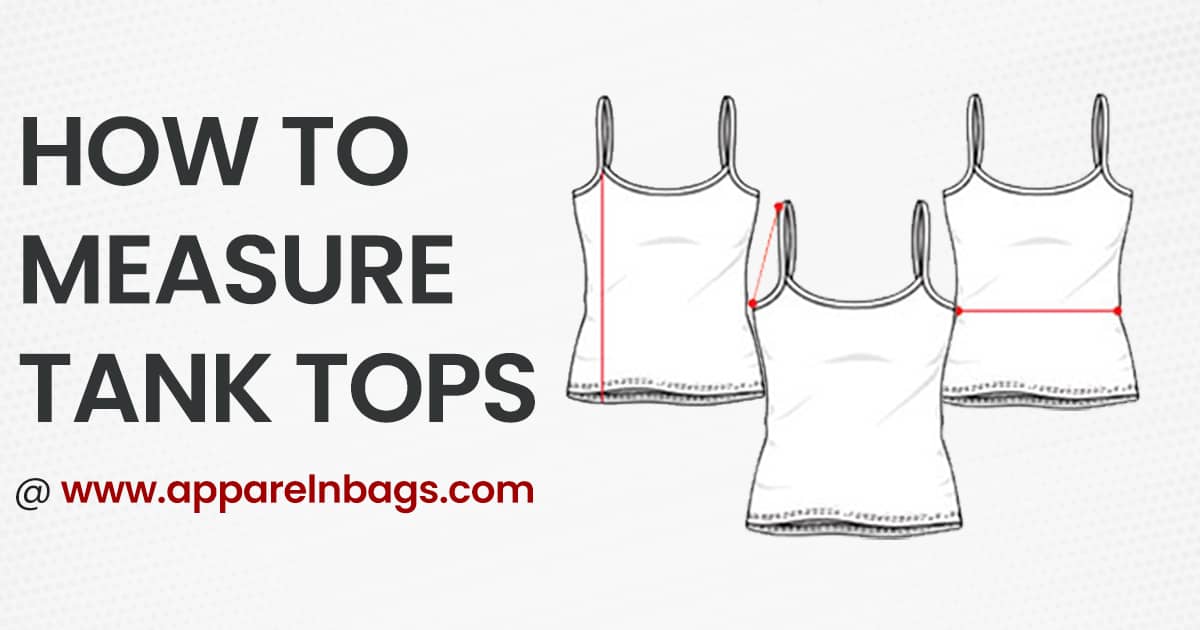
Measuring a tank top involves more than just length and width. Here are the main points you need to check:
- Chest (Bust) Width
- Waist Width
- Hem (Bottom) Width
- Body Length
- Shoulder Width
- Armhole (Arm Opening)
- Strap Width
- Strap Length
- Neckline Depth
- Back Width
- Side Seam Length
- Front Rise (for bodysuit-style tanks)
- Back Rise (for bodysuit-style tanks)
- Overall Fit and Stretch
Not all tanks need every measurement. For example, bodysuit-style tanks require rise measurements, while basic tanks do not.
Step-by-step Guide: Measuring A Tank Top
Let’s go through each key measurement, with clear instructions and helpful examples.
1. Chest (bust) Width
- Lay the tank top flat.
- Measure from one armpit seam straight across to the other.
- This is usually the widest part of the tank.
Most brands use this measurement to size their tops. Write down the number in inches or centimeters, depending on your preference.
*Example:* If you measure 17 inches across the chest, the full chest circumference is about 34 inches (since fabric stretches around the body).
2. Waist Width
- Find the narrowest part of the tank, usually 3-5 inches below the armpit.
- Measure straight across.
- Double this number for the full waist circumference.
Waist width is critical for fitted tanks but less important for loose or flowy styles.
3. Hem (bottom) Width
- At the bottom edge of the tank, measure from one side to the other.
- This shows if the tank is straight, flared, or tapered at the hem.
Some tanks have a curved hem, so measure at the lowest straight point.
4. Body Length
- Start at the highest shoulder point (next to the collar) and measure down to the bottom hem.
- For racerback or scoop-neck tanks, follow the highest part of the shoulder.
Body length helps you know if the tank will be cropped, regular, or longline.
5. Shoulder Width
- Measure straight across the top, from one shoulder seam to the other.
- If there are no seams, measure from the outer edge of one strap to the other.
Shoulder width is more important for tanks with wide straps.
6. Armhole (arm Opening)
- Measure the curve of the armhole from the top of the strap, around the opening, to the side seam.
- Use the measuring tape’s flexibility to follow the curve.
This is often missed, but it’s key for tanks worn alone—tight armholes can be uncomfortable.
7. Strap Width
- At the top of the shoulder, measure how wide the strap is.
- Some fashion tanks have skinny spaghetti straps, others have broad athletic straps.
Strap width affects both style and support.
8. Strap Length
- Measure from the front neckline, over the shoulder, to the back neckline along the strap.
- This is important for adjustable or decorative straps.
If straps are adjustable, measure both at the shortest and longest settings.
9. Neckline Depth
- Start at the highest shoulder point and measure straight down to the deepest point of the front neckline.
A deep neckline can affect how the tank fits and what it’s worn with.
10. Back Width
- Measure from one armpit seam straight across the back to the other.
- This is similar to chest width, but only across the back panel.
Back width matters for tanks with racerbacks or unique back shapes.
11. Side Seam Length
- From the armpit to the bottom hem, measure along the side seam.
- This tells you how “tall” the tank is at the sides, which can affect coverage.
12. Front Rise (bodysuit-style Tanks)
- Measure from the crotch seam up the front to the neckline.
- Only needed for tanks with bodysuit or leotard styles.
13. Back Rise (bodysuit-style Tanks)
- From the crotch seam up the back to the neckline.
14. Overall Fit And Stretch
- Gently pull the fabric sideways to see how much it stretches.
- Note if the material is rigid or highly flexible.
Many tanks use blends like cotton-spandex or polyester that change the fit.
Measuring Children’s Vs. Adult Tank Tops
Children’s tank tops are often designed with extra room for growth, while adult tanks focus more on style and body shape. Measuring for kids is similar, but pay special attention to:
- Strap length and armholes: These should not be too tight for active play.
- Body length: Kids’ tanks should cover the belly even when moving.
For adults, emphasize chest width, body length, and style-specific details like neckline or fit at the waist.
Men’s Vs. Women’s Tank Top Measurements
While the steps are nearly the same, there are a few differences in focus:
- Men’s tanks: Usually have wider shoulders, more relaxed fit, and deeper armholes.
- Women’s tanks: Often include bust darts, fitted waists, or stretchy materials.
Some unisex styles exist, but always check which measurements matter most for the intended wearer.
How To Measure Yourself For A Tank Top
If you don’t have a tank top to measure, you can measure your own body for a close fit.
- Chest: Wrap the tape around the fullest part of your chest, under the arms.
- Waist: Around your natural waistline.
- Hips: For longer tanks, measure around the widest part of your hips.
- Shoulder width: From the edge of one shoulder to the other, across your back.
- Torso length: From the top of your shoulder, over the chest, down to where you want the hem.
Match these numbers to tank top size charts for the best fit.
Credit: www.apparelnbags.com
Understanding Tank Top Size Charts
Every brand has its own size chart. Using your measurements, compare them to the chart to select the best size. Here’s an example of how different brands’ sizing can compare:
| Brand | Small (Chest, in) | Medium (Chest, in) | Large (Chest, in) |
|---|---|---|---|
| Brand A | 34–36 | 37–39 | 40–42 |
| Brand B | 32–34 | 35–37 | 38–40 |
| Brand C | 36–38 | 39–41 | 42–44 |
Notice how a "Medium" can mean anything from 35 to 41 inches. That’s why measuring your tank—or yourself—is more reliable than trusting size tags.
How Fabric Type Affects Tank Top Measurements
Not all tank tops are made from the same material. Cotton tanks, for example, may shrink after washing, while polyester or spandex blends can stretch and recover.
- Cotton: Pre-wash before measuring to avoid shrinkage surprises.
- Rayon or modal: These fabrics can lengthen when hung or worn, so measure after washing and drying.
- Spandex blends: Note both relaxed and stretched measurements for a true sense of fit.
Here’s a quick comparison:
| Fabric Type | Shrinkage Risk | Stretch Level | Best Measuring Practice |
|---|---|---|---|
| Cotton | High | Low | Wash & dry first |
| Polyester | Low | Medium | Measure as-is |
| Spandex Blend | Low | High | Check stretch and relaxed size |
Non-obvious insight: Many people don’t realize that tank tops with high spandex content can measure smaller but still fit larger bodies due to stretch. Always check both relaxed and gently stretched measurements.
Measuring For Custom Or Handmade Tank Tops
If you’re sewing or ordering custom-made tanks, precise measurements are even more critical.
- Provide both body measurements and desired garment measurements to the maker.
- Explain your preferred fit: Close, relaxed, or oversized.
- If using a pattern, check if seam allowances are included.
For DIY sewing, cut your fabric pieces slightly larger. You can always trim down, but adding fabric is difficult.
Measuring For Selling Tank Tops Online
If you’re a seller, clear and accurate measurements help buyers trust you and reduce returns. Here’s what to include in your listings:
- Chest width (armpit to armpit)
- Body length (shoulder to hem)
- Hem width
- Strap width
- Shoulder width (if applicable)
- Armhole (if it’s unusually large or small)
- Fabric type and note if it stretches
Take clear photos of the tape measure on the tank. This proves accuracy and builds buyer confidence.
Pro tip: Always round up to the nearest quarter inch or half centimeter. This avoids tanks arriving smaller than the customer expects.

Credit: www.aetosapparel.com
Mistakes To Avoid When Measuring Tank Tops
Even experienced sellers and buyers can make measurement errors. Here’s what to watch out for:
- Measuring on uneven surfaces: This creates wrinkles and inaccurate readings.
- Not washing first: Especially for cotton, unwashed tanks can shrink later.
- Ignoring stretch: Blends can fit much larger than their flat measurement.
- Measuring over wrinkles or folds: Always smooth out the fabric.
- Guessing or eyeballing: Always use a tape measure for every point.
A common beginner mistake is forgetting to double the flat width to get the full circumference (e. g. , chest or hem).
Measuring Tank Tops With Special Features
Some tank tops have design elements that need extra attention.
Racerback Tanks
- Pay special attention to back width and armhole depth.
- Measure the width at the narrowest point of the back.
Built-in Bras
- Measure chest width both with and without stretching the elastic shelf bra.
- Note the bra band width if relevant.
Cropped Tanks
- Body length is critical here.
- Measure from the highest shoulder point to the lowest edge, since crops vary greatly.
Asymmetrical Or One-shoulder Tanks
- Mark which side is higher, and measure both sides if necessary.
- If the neckline is diagonal, measure the deepest part.
Comparing Tank Top Measurements For Sizing
If you have a favorite tank top that fits perfectly, use its measurements as your reference. When shopping, compare online listings to your reference numbers.
| Measurement | Your Favorite Tank | Tank for Sale | Difference |
|---|---|---|---|
| Chest Width | 16 in | 17 in | +1 in |
| Body Length | 22 in | 21.5 in | -0.5 in |
| Hem Width | 17 in | 16.5 in | -0.5 in |
A tank that’s 1 inch wider in the chest may fit looser, but a shorter length could make it more cropped. This comparison helps you decide if the new tank will match your favorite.
Taking Digital Measurements (optional)
Some people use phone apps or scanners to measure clothing. While technology can be helpful, always double-check with a physical tape measure. Apps can distort measurements if the fabric isn’t perfectly flat or the camera is at an angle.
Non-obvious insight: Even advanced apps can’t judge fabric stretch or thickness. Physical measurement is still the gold standard.

Credit: annarbortees.freshdesk.com
Caring For Your Tank Tops After Measuring
Once you’ve measured your tank tops, keeping them in shape is important.
- Store flat or folded, not hung, to avoid stretching straps.
- Follow care instructions for washing and drying.
- Re-measure after heavy use or if the fit changes noticeably.
This ensures your measurements stay accurate over time.
The Importance Of Consistent Measurement Practices
If you’re measuring multiple tank tops (for a store, inventory, or sewing), always use the same method each time. Consistency ensures your sizing is reliable, which is especially important for brands, resellers, or designers.
Write down your exact process and stick to it. For example, always measure chest width two inches below the armhole, or always use the left strap as your starting point. This reduces confusion and makes size comparisons easier.
When To Re-measure Your Tank Tops
Re-measure your tanks if:
- You notice shrinkage after washing
- The fabric stretches out over time
- You alter the tank (hem, straps, or sides)
- You gain or lose significant weight
Regular checks keep your wardrobe fitting well and help you track changes in your favorite pieces.
Using Tank Top Measurements For Tailoring Or Alterations
If you want to adjust a tank for a better fit:
- Take current measurements and compare to your ideal numbers.
- Mark the areas to adjust (e.g., hem, side seams, straps).
- Pin or baste the changes and try the tank on before sewing.
Tailors often request detailed measurements—give them as much information as possible for best results.
How To Read And Record Tank Top Measurements
Be clear and organized when recording your measurements:
- Use a table or chart for each tank top.
- List all relevant points (chest, length, straps, etc. ).
- Note the units (inches or centimeters).
- Include details like “measured flat” or “unstretched.”
This way, you can easily compare tanks or share details with buyers, tailors, or friends.
Where To Find Reliable Tank Top Size Guidance
If you’re ever unsure, check official size guides from major retailers or brands. These often have diagrams showing exactly where to measure.
For more details, you can visit pages like Wikipedia’s Clothing Sizes entry for an overview of international sizing systems.
Frequently Asked Questions
How Do I Measure A Tank Top For Online Selling?
Lay the tank top flat on a hard surface. Measure chest width (armpit to armpit), body length (shoulder to hem), and hem width. Record all numbers and take photos with the tape measure in place for proof.
What Measurement Is Most Important For Tank Top Fit?
Chest width is usually the most crucial measurement, as it determines how the tank fits across your body. For fitted tanks, also check waist and hem width.
How Do I Measure A Tank Top If It Has Stretchy Fabric?
Measure the tank flat (unstretched) and note the measurement. Then, gently stretch the fabric and record the maximum comfortable width. This gives buyers or wearers a better idea of fit.
Can I Use My T-shirt Measurements For A Tank Top?
Not always. Tank tops often have different armholes, strap widths, and shoulder shapes. Measure the tank top directly for the most accurate fit.
What If My Tank Top Shrinks After Washing?
Always wash and dry the tank before measuring if possible. If it shrinks later, re-measure and update your records to ensure future purchases or listings are accurate.
Getting tank top measurements right may take a little extra time, but the payoff is worth it. Whether you’re buying, selling, or making your own, you’ll enjoy a better fit, fewer surprises, and more confidence in your wardrobe choices. With practice, measuring becomes second nature—a small skill that makes a big difference in comfort and style.
