

How to Make Flare Leggings Longer: Easy Hem Stretching Tips
How To Make Flare Leggings Longer
Flare leggings are a favorite for many, thanks to their comfortable fit and stylish, retro-inspired look. But one common problem often comes up: the length. Sometimes, flare leggings feel just a bit too short—especially after washing, or if you bought a pair online and they didn’t fit as expected. If you want to make your flare leggings longer, you’re not alone. Luckily, you don’t have to give up on your favorite pair or hide your ankles anymore. With a little creativity and some practical techniques, you can extend your leggings and enjoy a perfect fit.
This guide will walk you through all the ways to add length to flare leggings. Whether you sew or prefer no-sew methods, want temporary fixes or a permanent solution, you’ll find detailed steps here. You’ll also learn tips to avoid common mistakes, and discover which methods are best for different fabrics.
With these tricks, you can turn any pair of short flare leggings into the stylish, floor-grazing look you want.
Understanding Why Flare Leggings Are Too Short
Before you start making changes, it helps to know why your flare leggings might be too short in the first place. There are a few common reasons, and understanding them can help you choose the best solution.
Manufacturing Variations
Not all brands use the same size chart. Even if you always wear a “medium,” the inseam length can change from one company to another. Some brands also design flare leggings for average heights, which may not work if you’re tall or have longer legs.
Shrinkage After Washing
Cotton or cotton-blend leggings can shrink. This is especially true if you wash them in hot water or use a dryer. Even a small percentage of shrinkage can make flare leggings look awkward.
Style Preferences
Some people love leggings that almost touch the floor, while others prefer them just above the shoe. If you want an extra-long look, standard sizes may feel too short.
Buying Online
Shopping online is convenient, but it’s easy to make a mistake with sizing. Sometimes, the actual inseam is shorter than you expected based on the product photos.
Assessing Your Flare Leggings
Before you start, take time to look at your leggings carefully. This step is important because it helps you decide which method will work best.
- Check the fabric: Is it stretchy, cotton, or a synthetic blend? Some fabrics are easier to alter than others.
- Look at the hem: Is there extra fabric folded under the hem? If yes, you might be able to let it out.
- Consider the flare: Wide flares are easier to extend with added fabric. Very slim flares may look odd if you add extra material.
- Decide on the length: Try on your leggings and measure how much length you want to add. Use a tape measure and stand in front of a mirror.
Methods To Make Flare Leggings Longer
There are several ways to add length to flare leggings. Some require sewing, others use glue, and some are completely temporary. Here are the most effective methods, with detailed instructions for each.
1. Letting Out The Hem
Many flare leggings have fabric folded inside the hem. If you’re lucky, you can carefully unpick the stitches and gain an extra inch or two.
Steps:
- Turn the leggings inside out.
- Find the bottom hem and use a seam ripper or small scissors to remove the stitches.
- Unfold the extra fabric.
- Press the hem flat with a warm iron.
- Sew a new, narrow hem or use fabric glue for a no-sew finish.
Tip: Letting out the hem works best for cotton or knit leggings. If the raw edge frays, use a zigzag stitch or fray check.
2. Adding A Fabric Extension
This is a permanent way to add length and works for all flare styles. You can choose a matching fabric for a seamless look or a contrasting color for a trendy effect.
Steps:
- Buy fabric that matches or complements your leggings.
- Cut strips of fabric the same width as the leg opening, with extra for seams.
- Pin the fabric strip to the bottom of each leg, right sides together.
- Sew around the edge with a stretch or zigzag stitch.
- Fold the fabric down and press the seam flat.
Tip: For a professional look, use fabric with similar stretch. This prevents the extension from looking stiff or bunching up.
3. Using A Lace Or Decorative Trim
If you want to add style and length at the same time, lace or wide trim works well. This is popular for boho or festival looks.
Steps:
- Choose a wide lace or trim, at least 2-3 inches.
- Cut the trim to the width of each leg opening.
- Pin the trim to the inside or outside of the hem.
- Sew with a straight or zigzag stitch, or use fabric glue for a no-sew option.
Tip: Place the trim on the outside for a bold look, or inside for a subtle peek of lace.
4. Adding A Cuff
A cuff is a folded fabric band attached to the bottom of the leg. This is a strong way to add length and gives a finished look.
Steps:
- Cut two wide bands of matching or contrasting fabric.
- Fold each band in half, wrong sides together, to make a tube.
- Slip each tube inside the leg opening and pin.
- Sew around the edge with a stretch stitch.
- Flip the cuff down.
Tip: Cuffs are great for kids’ leggings as well, since you can make them even longer over time.
5. Adding A Panel Insert
If the flare is very wide, you can add a triangle-shaped panel to the side seam. This not only adds length but also increases the flare.
Steps:
- Cut two triangle panels from matching or contrasting fabric.
- Open the side seam of the leggings by a few inches.
- Pin the panel to the open seam, aligning the bottom edges.
- Sew the panel in place.
- Press the seam flat.
Tip: This method is best if you want a more dramatic flare.
6. Using Iron-on Hem Tape
If you don’t want to sew, iron-on hem tape is a quick solution for adding length with fabric strips or trim.
Steps:
- Cut your extension fabric.
- Place hem tape between the fabric and leggings.
- Press with a hot iron according to the tape instructions.
Tip: Hem tape works best with synthetic or blended fabrics.
7. Attaching An Elastic Band
For a sporty look, you can sew a wide elastic band to the hem. This adds length and a unique style.
Steps:
- Cut two pieces of wide elastic, slightly smaller than the leg opening.
- Pin the elastic to the inside of the hem.
- Sew with a stretch stitch.
Tip: Use colorful or printed elastic for a fun effect.
8. Adding A Crochet Or Knitted Edge
If you like crafts, you can add a crochet or knitted edge to the leggings. This works best with solid colors.
Steps:
- Use a small crochet hook or knitting needles.
- Work directly into the raw edge or attach after creating a base row.
- Make a simple border or scallop pattern.
Tip: Soft cotton yarn works best for comfort.
9. Using Snap-on Extensions
Some companies sell snap-on or button-on extensions. These are reusable and can be removed before washing.
Steps:
- Buy ready-made snap-on extensions.
- Attach to the hem using the provided fasteners.
Tip: Check online for flare legging extensions designed for dance or costumes.
10. Layering With Socks Or Boot Extenders
If you want a temporary fix, wear over-the-knee socks or boot extenders under your leggings. This gives the look of longer leggings without any sewing.
Steps:
- Choose socks or extenders in a matching or contrasting color.
- Pull them up so they peek out from under the flare.
Tip: This is great for colder weather or for trying out the look before making changes.
Comparing Extension Methods
It’s easy to feel overwhelmed by the options. The table below compares key methods based on skill level, cost, and the permanence of the change.
| Method | Skill Required | Cost | Permanence |
|---|---|---|---|
| Letting Out Hem | Beginner | Low | Permanently altered |
| Fabric Extension | Intermediate | Medium | Permanently altered |
| Lace/Trim | Beginner | Low-Medium | Permanently altered |
| Iron-On Hem Tape | Beginner | Low | Permanently altered |
| Snap-On Extensions | None | Medium | Removable |
| Socks/Boot Extenders | None | Low | Removable |

Credit: themomedit.com
Choosing The Right Method For Your Leggings
Not all flare leggings are made the same. The right method depends on the fabric, color, and how you want the finished product to look.
Fabric Considerations
- Cotton or cotton-blend: Easy to sew and press. Letting out the hem or adding a fabric extension works well.
- Polyester or spandex blend: Use iron-on hem tape, or sew with a ballpoint needle to avoid snags.
- Thick or double-layer leggings: A cuff or panel insert is best.
Color And Pattern
- Solid colors: Easier to match with extension fabric or trim.
- Printed or patterned: Use a contrasting color or decorative lace for best results.
Style Preferences
- Seamless look: Match the fabric closely and sew with invisible stitches.
- Statement look: Use bold lace, colorful cuffs, or crochet edges.
Durability
If you want the change to last, sewing is the best choice. For a temporary or test solution, try snap-on extensions or layering with socks.
How Much Length Can You Add?
The amount of length you can add depends on the method.
| Method | Typical Added Length |
|---|---|
| Letting Out Hem | 1–2 inches |
| Fabric Extension | 2–4 inches |
| Lace or Trim | 2–3 inches |
| Cuff | 2–5 inches |
| Panel Insert | Up to 4 inches |
| Snap-On Extension | 1–3 inches |
| Socks/Extenders | Any length |
Insight: Most people can comfortably add 2–3 inches without the leggings looking odd. If you need more than this, consider a panel insert or cuff for a balanced look.
Step-by-step Example: Adding A Fabric Extension
Let’s walk through a full example using the fabric extension method. This method works for most flare leggings and gives a professional result.
You’ll need:
- Stretchy fabric (match color and weight)
- Sewing machine or needle and thread
- Pins
- Measuring tape
- Scissors
Instructions:
- Measure the needed length: Try on the leggings and decide how much length you want to add. Add 1 inch for seam allowance.
- Cut the fabric: Cut two strips, each as wide as the leg opening plus 1 inch for overlap, and as long as the length you want to add.
- Prepare the strips: Fold each strip in half lengthwise, right sides together, and sew the short ends to create a tube.
- Attach the extension: Pin the tube to the bottom edge of each leg, right sides together. Sew around the edge with a stretch stitch.
- Finish the seam: Fold the extension down and press flat. If needed, topstitch for a clean look.
Common mistake: Beginners often forget to use stretchy fabric, which can make the extension stiff and uncomfortable.
No-sew Methods For Quick Fixes
Not everyone wants to sew. Here are some no-sew options that still look good.
- Fabric glue: Works for lace or trim. Choose a washable glue designed for clothing.
- Iron-on tape: Best for lightweight fabrics and trims.
- Snap-on extensions: Buy online and attach in seconds.
Pro tip: Wash your leggings inside out and on gentle cycle if you use glue or tape, to make the fix last longer.
Mistakes To Avoid
- Using non-stretch fabric: This can make the bottom of your leggings tight or uncomfortable.
- Adding too much length at once: More than 4 inches can look unbalanced.
- Not matching the flare: Extensions that are too narrow or wide look odd.
- Forgetting to pre-wash fabric: New fabric can shrink after washing, undoing your work.
- Skipping the measuring step: Always try on and check before cutting or sewing.
How To Match Fabric And Color
Finding a perfect match isn’t always easy. Here’s how to get close:
- Bring your leggings to the fabric store for direct comparison.
- Search online for fabric by brand name and color code.
- If you can’t match, use black or a neutral color for a classic look.
- For bold style, choose a contrasting color or a patterned lace.
Expert tip: Some fabric stores will let you take small swatches home to check in your own lighting.
Caring For Your Extended Flare Leggings
Once you’ve made your leggings longer, take care to keep them looking good.
- Wash in cold water to prevent shrinkage.
- Use a gentle cycle and avoid the dryer if possible.
- Iron on low heat, especially if you used glue or trim.
- Check seams after washing and repair any loose threads.
When To See A Tailor
If you want a flawless finish or don’t have the time, a professional tailor can help. They can add fabric, cuffs, or panels, and match the flare perfectly. This is a good option for expensive leggings or special occasions.
Cost insight: Tailoring usually costs less than buying a new pair, especially for designer leggings.
Sustainable And Upcycling Options
Making your flare leggings longer is eco-friendly. You avoid waste and get more use from your clothes. If you have old leggings or yoga pants, cut them up and use the fabric for extensions or cuffs. This is a creative way to personalize your style and help the environment.
For more ideas on upcycling, you can check out resources like Good On You.
Real-life Examples
- Case 1: A dancer needed leggings 3 inches longer for performances. She added matching black fabric with iron-on hem tape. The fix lasted through many washes and performances.
- Case 2: A festival-goer wanted a boho look. She added wide white lace to the bottom of her red flare leggings. The bold contrast became her signature style.
- Case 3: A tall teen used snap-on extensions for sports leggings. She switched between black and neon extensions, depending on the event.
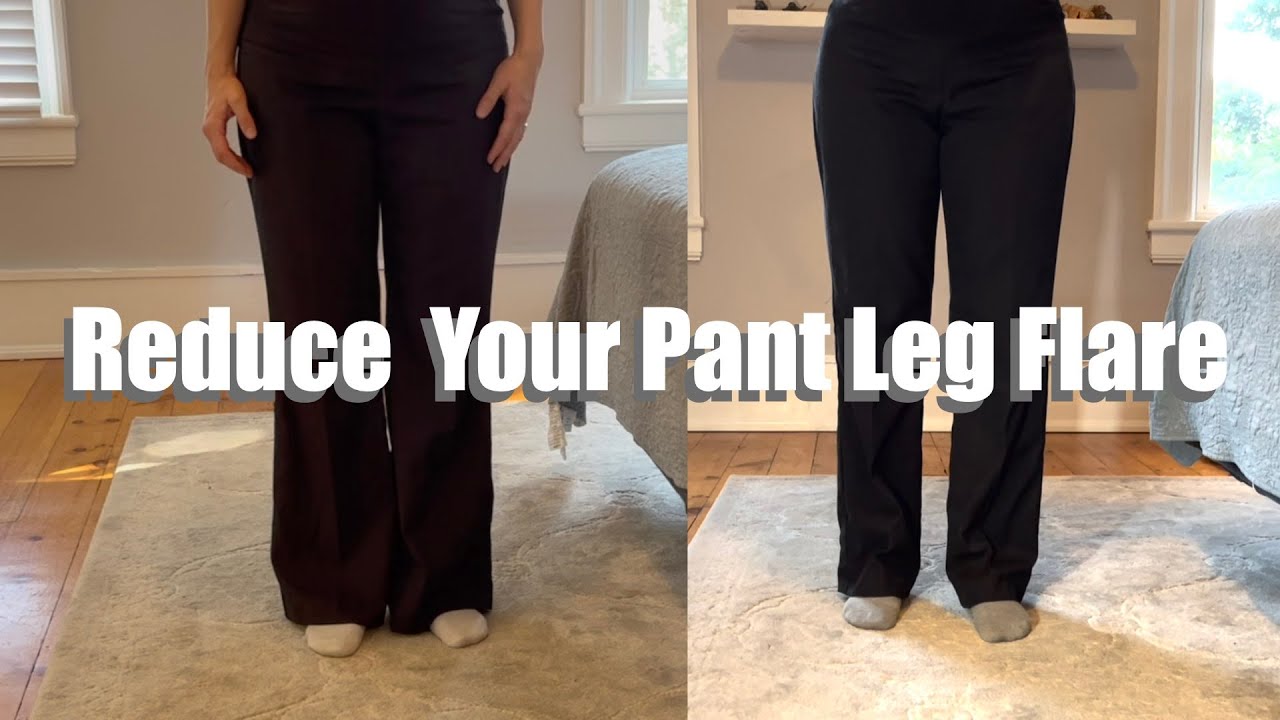
Insight: Sometimes, the fix becomes a favorite feature—many people end up liking their extended leggings even more than the originals.
Credit: www.youtube.com
Advanced Customization Ideas
If you want to take things further, try these ideas:
- Embroidered cuffs: Add embroidery to cuffs or extensions for a luxury look.
- Beaded trims: Sew beads or sequins onto lace extensions for a party outfit.
- Layered fabrics: Combine two fabrics (like lace over cotton) for extra texture.
Flare Legging Alteration: Diy Vs. Professional
Here’s a quick comparison to help you choose between doing it yourself or hiring a pro.
| Aspect | DIY | Professional Tailor |
|---|---|---|
| Cost | Low | Medium–High |
| Time | 1–2 hours | 2–7 days |
| Customization | Unlimited | High but may cost more |
| Skill Needed | Beginner–Intermediate | None (for you) |
| Finish Quality | Varies | Professional |
Pro tip: Try a DIY method on an old pair first. If you like the result, you can confidently alter your favorite leggings.
Credit: www.uniqlo.com
Frequently Asked Questions
How Much Length Can I Safely Add To Flare Leggings?
Most people can add 2–3 inches without making the leggings look unbalanced. More than that can work if you use a panel or cuff, but always check the look in a mirror before finishing.
Which Method Lasts The Longest?
Sewing a fabric extension or cuff is usually the most durable. No-sew options like fabric glue or tape work for a while but may loosen with washing.
Can I Use A Different Color Fabric For The Extension?
Yes! Using contrasting colors or patterns can make your leggings unique and stylish. Many people add lace, velvet, or bold colors for a statement look.
Will Letting Out The Hem Damage My Leggings?
If you’re careful with a seam ripper, letting out the hem is safe. However, some fabrics may show a crease where the old hem was. Ironing helps, but in rare cases, the crease doesn’t come out fully.
What Should I Do If The New Extension Is Too Loose Or Tight?
If the extension is too tight, unpick the seam and add a wider strip of fabric. If it’s too loose, sew a slightly smaller seam or add elastic to the edge for a snug fit.
Flare leggings are a wardrobe staple for many people, and making them longer is easier than you might think. Whether you love a seamless finish or want to add a bold touch, there’s a method that will work for you.
With a little patience and the right materials, you can enjoy perfectly fitting flare leggings that match your style and comfort. Try out these techniques, avoid common mistakes, and don’t be afraid to get creative—the possibilities are endless.
