

How to Fix Long Flare Pants: Simple Hemming and Styling Tips
How To Fix Long Flare Pants
Flare pants have made a strong comeback in fashion. Their wide, dramatic shape flatters many body types and brings a retro vibe to any look. However, one common problem people face is when flare pants are too long. Extra fabric can cause tripping, dirty hems, or ruin the silhouette. If your flare pants drag on the floor or just don’t fit right, you don’t have to give up on them. There are several ways to fix long flare pants—whether you want a professional result or a quick DIY solution at home.
This guide explores everything you need to know about fixing long flare pants. You’ll learn step-by-step methods, discover which tools and materials work best, see common mistakes, and get tips to achieve a polished finish. Even beginners can confidently shorten their pants with the right advice.
By the end, you’ll be ready to fix your flare pants so they look custom-made and feel comfortable.
Understanding Flare Pants And Why Length Matters
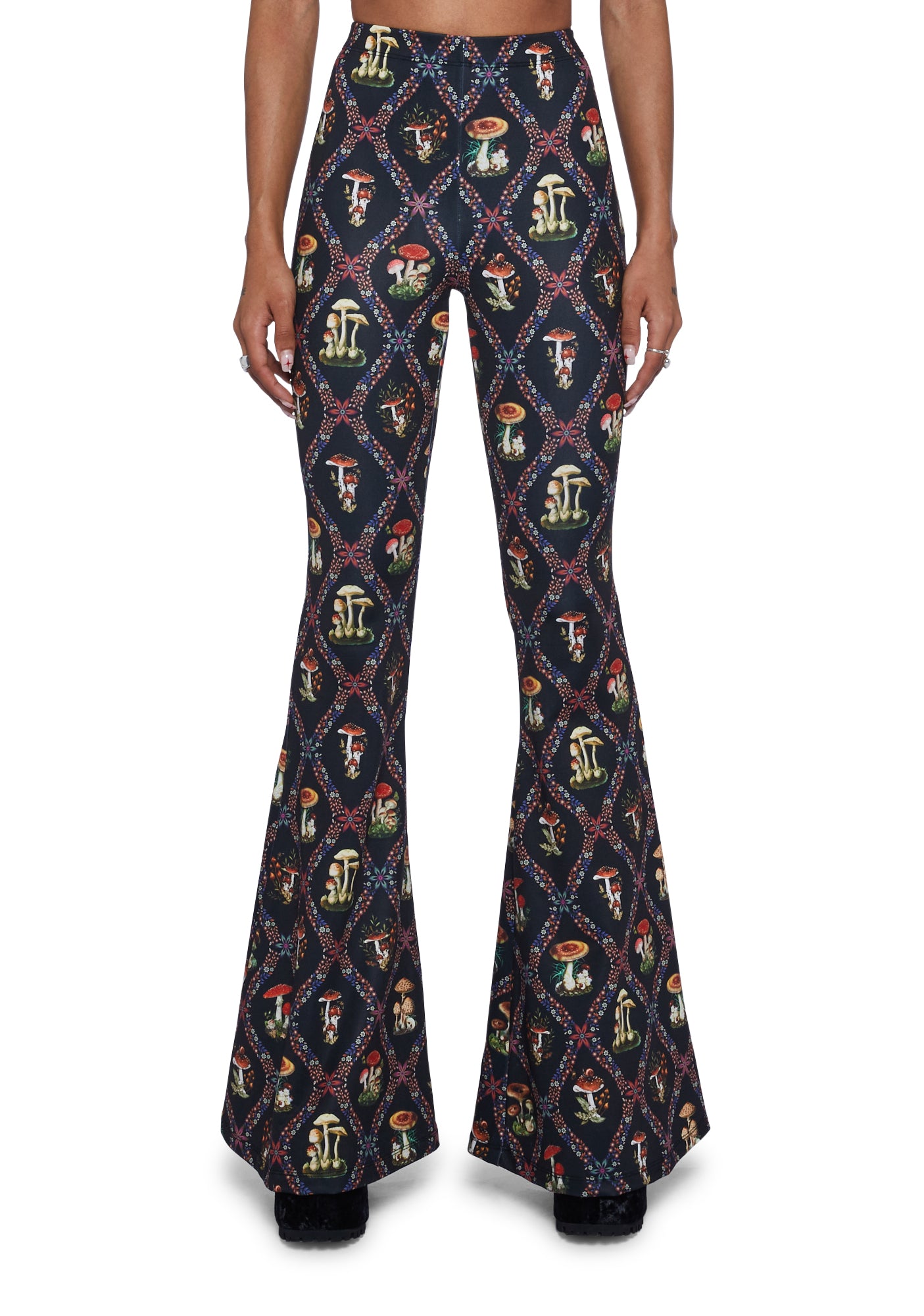
Before you start cutting or sewing, it’s important to understand what makes flare pants unique. Flare pants are fitted at the waist and thighs, then widen from the knee down. This flare creates a bold silhouette that can make legs look longer. However, if flare pants are too long, the wide bottoms can catch on shoes, pick up dirt, and even make walking difficult.
Long flare pants can also ruin the intended style. Instead of a sharp flare that shows off your shoes, you end up with fabric pooling around your feet. Fixing the length is about more than looks—it’s about comfort and safety too.
Choosing The Best Fixing Method
Not all flare pants are made the same. Some are denim, others are lightweight cotton or polyester. The right method depends on:
- Fabric type
- How much length you need to remove
- Whether you want a permanent or temporary fix
- Available tools and sewing skills
Let’s compare the main options for fixing long flare pants:
| Method | Best For | Skill Level | Tools Needed | Look/Finish |
|---|---|---|---|---|
| Sewing a New Hem | All fabrics, permanent fix | Intermediate | Sewing machine/needle, thread, scissors | Professional |
| Iron-On Hem Tape | Lightweight fabrics, quick fix | Beginner | Iron, hem tape, scissors | Neat, but less durable |
| Fabric Glue | Casual, non-washable | Beginner | Fabric glue, scissors | Temporary |
| Hand Sewing | Small adjustments, all fabrics | Beginner/Intermediate | Needle, thread, scissors | Customizable |
| Tailor/Alteration | Expensive, delicate fabrics | None (outsourced) | None | Best quality |
Preparing To Shorten Your Flare Pants
No matter which method you choose, good preparation is essential. You’ll avoid mistakes and get a cleaner result if you:
- Wash and dry your pants as you normally would. Some fabrics shrink or change shape after washing.
- Iron the pants to remove wrinkles. This makes measuring and cutting easier.
- Choose your shoes. Try on the pants with the shoes you plan to wear. Flare pants look different with heels than with sneakers.
- Pin or mark the new length. Use safety pins, tailor’s chalk, or washable markers to show where the hem should fall.
Pro tip: Always leave a little extra length at first. It’s easy to remove more, but impossible to add fabric back once you’ve cut.
Method 1: Sewing A New Hem (machine Or Hand-sewn)
This is the most durable and professional-looking way to shorten flare pants. You can use a sewing machine for speed and strength, or sew by hand for more control.
What You Need
- Sharp fabric scissors
- Sewing machine (or hand-sewing needle)
- Matching thread
- Pins or clips
- Measuring tape or ruler
- Iron
Step-by-step Instructions
- Put on the pants with your chosen shoes. Fold the bottom up to the desired length. Use pins or chalk to mark the new hem.
- Take off the pants and lay them flat. Use a ruler to check both legs are the same length.
- Add seam allowance. Mark a line about 1 inch (2.5 cm) below your desired finished hem. This extra fabric will fold inside for a clean edge.
- Cut off the excess fabric. Cut slowly and evenly to keep the flare shape.
- Fold up the hem twice—first by half an inch, then again to hide the raw edge. Pin in place.
- Sew around the hem. Use a straight stitch close to the top fold. Remove pins as you sew.
- Press the hem with an iron for a crisp finish.
Non-obvious tip: If your pants have topstitching (visible threads on the hem), use a heavy-duty or contrast thread for the most authentic look.
Method 2: Iron-on Hem Tape
Hem tape is a great solution for those who don’t sew. It bonds fabric with heat, creating a clean finish without visible stitches.
What You Need
- Iron-on hem tape (available at fabric stores)
- Iron
- Scissors
- Measuring tape
- Pins/chalk
Step-by-step Instructions
- Mark the new length as described earlier.
- Cut off excess fabric if necessary, leaving about 1 inch for the hem.
- Fold the hem inside to the desired length. Press with the iron to crease.
- Place hem tape between the folded hem and the pant leg.
- Press with a hot iron for 10–15 seconds, following the hem tape instructions.
- Let cool and check the bond.
Pros And Cons
| Pros | Cons |
|---|---|
| Fast and easy | Less durable than sewing |
| Invisible finish | May loosen with washing |
| No sewing skills needed | Not for heavy fabrics |
Non-obvious tip: For very wide flare legs, use extra-wide hem tape to prevent the hem from peeling.
Method 3: Using Fabric Glue
Fabric glue is another quick, no-sew fix. It’s best for lightweight pants or costumes—not for pants you’ll wash and wear often.
What You Need
- Washable fabric glue (check label)
- Scissors
- Measuring tape
- Pins/clips
Step-by-step Instructions
- Mark and cut the pants to the right length.
- Fold the hem inside, creating a smooth edge.
- Apply a thin line of fabric glue along the edge inside the hem.
- Press and hold the hem in place for a few minutes.
- Let the glue dry completely (usually 30 minutes to several hours).
When To Use Fabric Glue
- For costumes, quick fixes, or kids’ clothes
- When you don’t have access to sewing tools
- On fabrics that won’t fray much
Warning: Fabric glue is not as strong as sewing or hem tape, especially with frequent washing or heavy fabrics.

Credit: www.youtube.com
Method 4: Temporary Fixes—pinning, Taping, Or Rolling
Sometimes you need a quick fix for a special event or photoshoot. Temporary methods let you adjust the length without altering the pants permanently.
Option 1: Double-sided Fashion Tape
Stick a strip of fashion tape inside the hem and press the fabric up to the right length. This lasts for a day and works best on smooth fabrics.
Option 2: Safety Pins
Turn the pants inside out and pin the hem at the desired length. Use several pins to keep the flare even. This works in emergencies but can be uncomfortable.
Option 3: Rolling Up The Hem
If the fabric is thin and soft, simply roll up the hem from the inside. This creates a casual, slouchy look, but may not hold the flare shape well.
Non-obvious tip: For photoshoots or events, you can use small binder clips inside the leg to adjust length without showing any fasteners.
Method 5: Professional Tailoring
If your pants are expensive, lined, or made from tricky fabrics like velvet or sequins, a tailor is your safest choice. Professional alteration gives the best result, especially if you want to keep original details like decorative stitching or a shaped flare.
What To Tell The Tailor
- Bring your shoes and explain where you want the hem to fall.
- Ask if they can preserve the original hem (especially for denim).
- Request a price estimate before leaving your pants.
Average cost for hemming pants at a tailor ranges from $10–$30, depending on the complexity and your location.
Preserving The Flare Shape
One challenge with altering flare pants is keeping the original shape. If you cut off too much from the bottom, you might lose the dramatic flare. To avoid this:
- Remove only as much fabric as necessary.
- After cutting, check that the width of each leg matches.
- For a perfect shape, redraw the flare curve before sewing.
Example: If you remove 3 inches from your pants, make sure the new hem is still wider than your ankle. Otherwise, your flare pants may turn into straight-leg pants.
Tips For Different Fabrics
Each fabric type needs a slightly different approach. Let’s look at some common flare pant materials.
Denim Flare Pants
- Use sharp scissors to avoid fraying.
- A heavy-duty needle and thread give the best result.
- Consider “original hem” techniques to keep the jeans’ factory look.
Stretchy Fabrics (jersey, Spandex)
- Use a stretch stitch or zigzag when sewing.
- Don’t pull the fabric as you sew, or the hem will wave.
- Iron-on tape may not hold on very stretchy materials.
Lightweight Cottons Or Polyester
- Hand sewing is easy and gives good control.
- Hem tape works well for casual looks.
- Press hems with a cool iron to avoid shine.
Velvet, Silk, Or Delicate Materials
- Take to a professional tailor.
- If working at home, use fine needles and hand sew with tiny stitches.
- Avoid glue or hem tape, as they may damage the fabric.
Keeping Original Details
Many flare pants, especially jeans, have unique finishes on the hem. If you want to keep the distressed hem, fading, or special stitching, use these methods:
The “original Hem” Trick
- Cut off the hem several inches above the bottom.
- Shorten the pants to the desired length.
- Sew the original hem piece back onto the new edge, matching the flare.
- Topstitch for a seamless look.
This is a common technique at alteration shops for preserving the factory finish.
Hemming Flare Pants For Different Shoes
The right length for flare pants depends on your shoes. Here’s how to decide:
- Heels: The hem should almost touch the floor, leaving the toe and a bit of the shoe visible.
- Sneakers or flats: The hem should sit just above the ground, avoiding dragging.
- Platforms or boots: Try the pants on with your shoes before marking the hem.
Non-obvious insight: Hemming pants for heels but wearing them with flats later will make them too long. If you wear different shoes, consider making the hem adjustable.
Making An Adjustable Hem
Some people want pants that can work with both heels and flats. Here’s how to make an adjustable hem:
- Sew a wide hem with a loose stitch, so you can let it down later if needed.
- Use iron-on hem tape just for events, then remove it to return to the original length.
- Add small snaps or hook-and-loop tape (like Velcro) inside the hem for easy adjustment.
This trick is especially useful for travel or growing teenagers.
Comparing At-home Vs. Professional Hemming
Let’s see how at-home fixes stack up against professional tailoring:
| Aspect | At-Home Fix | Professional Tailor |
|---|---|---|
| Cost | Low (under $10) | Medium–High ($10–$30+) |
| Time | 1–2 hours (or less) | 1–7 days |
| Skill Required | Beginner–Intermediate | None |
| Finish | Varies (good for basics) | Best possible |
| Custom Options | Yes, but limited | Yes, any detail |
Non-obvious insight: At-home fixes let you experiment with different lengths or styles before committing to a permanent change.
Credit: www.dollskill.com
Avoiding Common Mistakes
People new to hemming flare pants often make these mistakes:
- Cutting too much off. Always double-check before cutting.
- Not measuring both legs. Uneven pants are obvious and hard to fix.
- Forgetting to allow for shoes. Flare pants should “kiss” the top of your foot, not drag.
- Using the wrong thread color. Mismatched thread stands out, especially on denim.
- Skipping the ironing step. Pressed hems look cleaner and hold their shape better.
Pro tip: If you’re unsure, practice on old clothes before altering your favorite pants.
Caring For Hemmed Flare Pants
To keep your newly hemmed pants looking good:
- Wash gently, especially if you used glue or tape.
- Hang pants to dry to prevent the hem from shrinking unevenly.
- Press the hem after washing to keep it sharp.
Non-obvious tip: For pants hemmed with tape or glue, avoid high heat in the dryer, as it can weaken the bond.
When To Buy New Pants Instead
Sometimes, fixing pants isn’t worth the effort. Consider buying new flare pants if:
- The fabric is very worn or thin at the hem.
- You’d have to remove more than 4–5 inches, which ruins the flare.
- The pants don’t fit well in other areas (waist, hips, thighs).
If you need tips on buying the right length, check the inseam measurement before you buy. Most brands list this online or on the tag.
Eco-friendly Tips: Reusing The Cut-off Fabric
Don’t throw away the extra fabric from your pants. Here are some creative uses:
- Make hair scrunchies from the leftover denim or cotton.
- Sew a matching patch for future repairs.
- Use the fabric to test stitches or glue before hemming the real pants.
Reusing your scraps helps reduce waste and gives you practice with your sewing tools.
Final Thoughts
Fixing long flare pants is possible for anyone, whether you have sewing skills or need a fast solution. Taking the time to adjust your pants makes them look better and feel more comfortable. You can choose a permanent method like sewing, a quick fix like hem tape, or ask a tailor for help with expensive or delicate pants.
With the right preparation, tools, and tips, you’ll get a result that flatters your style and keeps your pants in good shape for years.
If you want more details on sewing techniques, you can find helpful guides at WikiHow.
Frequently Asked Questions
How Much Should Flare Pants Touch The Ground?
Ideally, flare pants should just skim the ground when you wear your chosen shoes. You want the hem to cover most of your shoe, but not drag or get dirty. The front of the pants can be about half an inch above the floor, while the back can be a bit longer.
Can I Shorten Flare Pants Without Sewing?
Yes. You can use iron-on hem tape, fabric glue, or fashion tape for a no-sew fix. These methods are fast and easy, but sewing gives the most durable finish. For best results, always follow the product instructions.
Is It Possible To Keep The Original Hem Look?
Absolutely. You can cut off the original hem, shorten the pants, then reattach the hem piece to the new edge. This keeps the factory look and any special details. Many tailors use this method for jeans.
How Do I Hem Flare Pants With Lining?
If your pants have a lining, shorten the lining separately from the outer fabric. The lining should be about half an inch shorter than the pants so it doesn’t show. Sew or glue the lining hem after finishing the outer hem.
What If I Make A Mistake While Shortening My Pants?
If you cut too much fabric, you can sometimes add a decorative trim or lace to regain length. For minor mistakes, try redoing the hem or taking the pants to a tailor for correction. Always measure and pin carefully before cutting to avoid problems.
With this guidance, you’ll be ready to fix long flare pants with confidence, style, and a professional finish—no matter what fabric or tools you have on hand.

Credit: www.asos.com
