

How to Make Business Casual Look Good: Style Tips That Work
How To Make Business Casual Look Good
Business casual is a dress code that many workplaces use. It is more relaxed than formal business wear but still professional. Many people struggle to make business casual look stylish and sharp. If you want to stand out, you need to understand what business casual means and how to put together outfits that look good.
Let’s explore how you can master business casual, avoid common mistakes, and feel confident every day.
What Is Business Casual?
Business casual is a mix of professional and relaxed clothing. It is not as formal as a suit, but not as casual as jeans and a t-shirt. You usually see business casual in offices, meetings, and events where you want to look put together but comfortable.
Some common business casual items include:
- Dress pants or chinos
- Button-up shirts or blouses
- Polo shirts
- Knit sweaters
- Skirts that are knee-length or longer
- Closed-toe shoes (like loafers, oxfords, flats, or simple heels)
You should avoid items that are too casual, such as:
- T-shirts with logos
- Shorts
- Flip-flops
- Ripped jeans
- Athletic wear
Business casual can be different depending on your workplace, so always check your company’s guidelines. Some offices allow dark jeans, while others do not. When you are unsure, it is better to dress a little more formally.
Why Business Casual Matters
The way you dress affects how others see you. Business casual is important because it shows you respect your workplace and colleagues. It helps you look professional but comfortable. When you look good, you also feel more confident.
A study by the Harvard Business Review found that people who dress well often get more respect and better opportunities at work. Your clothing can make you feel empowered and ready to take on challenges.
Building A Business Casual Wardrobe
Creating a business casual wardrobe does not mean buying expensive clothes. It means choosing items that fit well, look clean, and match together.
Essential Pieces For Men
For men, business casual usually includes:
- Dress shirts: Choose solid colors or simple patterns. Avoid shirts with bright prints.
- Chinos or dress pants: Navy, black, gray, or beige are safe choices.
- Blazers: Adds a touch of formality. Choose unstructured styles for comfort.
- Sweaters: V-neck or crew neck sweaters work well over shirts.
- Shoes: Loafers, oxfords, or simple dress shoes.
- Belts: Match your belt to your shoes for a polished look.
Essential Pieces For Women
Women have more options, but the basics are:
- Blouses: Simple colors, subtle prints. Avoid tops that are too tight or revealing.
- Dress pants or skirts: Knee-length or longer skirts, tailored pants.
- Cardigans or blazers: Adds structure and warmth.
- Shoes: Flats, loafers, block heels. Avoid sandals or overly high heels.
- Accessories: Keep jewelry simple and elegant.
- Handbags: Choose medium-sized bags in neutral colors.
How Many Items Do You Need?
You do not need a huge wardrobe. A few well-chosen pieces can make many outfits. Here is an example mix:
| Item | Men | Women |
|---|---|---|
| Shirts/Blouses | 5-7 | 5-7 |
| Pants/Skirts | 3-4 | 3-4 |
| Blazers/Cardigans | 2-3 | 2-3 |
| Shoes | 2-3 pairs | 2-3 pairs |
| Accessories | 1-2 belts | 2-3 jewelry items |
With these, you can mix and match for different looks.
Choosing The Right Fit
Fit is the most important part of looking good in business casual. Even expensive clothes look bad if they do not fit well. Here are some tips:
- Shoulders: Shirts and blazers should fit at the shoulder seam.
- Sleeves: Do not let sleeves cover your hands. They should end at your wrist.
- Waist: Pants should not be too tight or too loose. Try sitting and moving to check comfort.
- Skirt length: Skirts should cover your knees when sitting.
If your clothes do not fit, consider getting them tailored. Small changes make a big difference. Tailoring is often cheaper than buying new clothes, and it helps you look sharp.
Colors And Patterns
Business casual is not boring. You can use color and pattern to add personality, but keep it subtle.
Best Colors For Business Casual
Neutral colors are always safe. These include:
- Black
- Navy
- Gray
- Beige
- White
You can add some color with shirts, blouses, or accessories. Pastels, soft blues, greens, or burgundy work well. Avoid neon or very bright colors.
Patterns That Work
Simple patterns are best:
- Stripes
- Checks
- Small dots
Avoid large, loud patterns or logos. If you wear a patterned item, balance it with solid colors.
Matching Colors
Use the “three color rule. ” Do not wear more than three colors in one outfit. This keeps your look simple and professional.
Layering For Style And Comfort
Layering is a great way to add style and adapt to changing temperatures. Here’s how to do it well:
- Start with a base: Shirt or blouse
- Add a layer: Sweater, cardigan, or blazer
- Top with a coat if needed
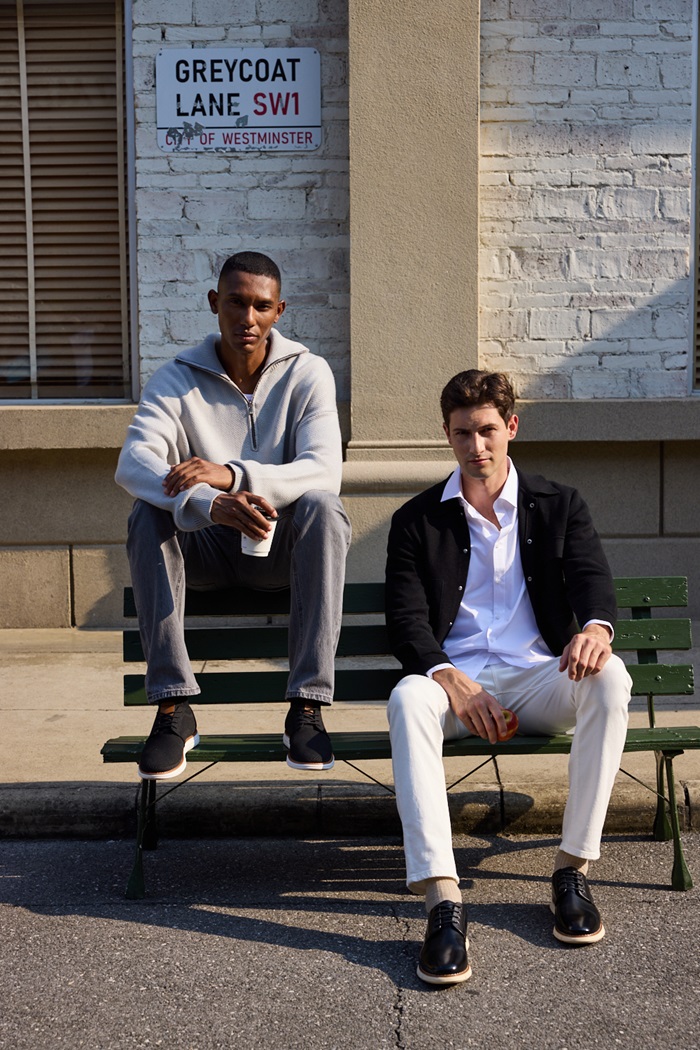
For men, a blazer over a shirt with chinos is classic. For women, a blouse under a cardigan with a skirt looks polished.
Layering lets you remove a piece if you get too warm, or add one if you get cold. Keep layers thin and avoid bulky items.
Shoes That Complete The Look
Shoes are often overlooked, but they matter. Clean, well-chosen shoes make you look finished.
Best Business Casual Shoes
For men:
- Loafers
- Oxfords
- Derby shoes
- Dress boots
For women:
- Flats
- Loafers
- Block heels
- Simple ankle boots
Avoid sneakers, sandals, or shoes with too much decoration.
Keeping Shoes Clean
Dirty shoes ruin a good outfit. Keep your shoes clean and polished. For leather shoes, use a shoe polish. For fabric shoes, clean stains with a damp cloth. Replace shoes that look worn out.
Accessorizing Smartly
Accessories can make your business casual outfit look interesting, but do not overdo it.
Tips For Men
- Wear a watch for a classic touch.
- Choose a belt that matches your shoes.
- Keep ties simple if you wear them (not required for business casual).
Tips For Women
- Use jewelry sparingly. Simple earrings or a necklace work well.
- Pick a handbag that fits your needs.
- Scarves add color, but keep them subtle.
Too many accessories can distract. Less is more.
Credit: nextlevelwardrobe.com
Grooming And Personal Care
Looking good in business casual is not just about clothes. Good grooming is important.
- Keep hair neat and styled.
- Shave or trim facial hair for men.
- Use deodorant and keep nails clean.
- Light makeup is fine for women, but avoid heavy styles.
Personal care makes you look polished and professional.
Business Casual Vs. Other Dress Codes
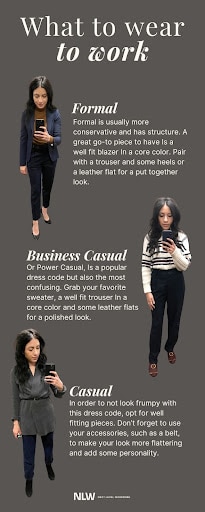
Understanding how business casual is different from other dress codes helps you make the right choices. Here is a comparison:
| Dress Code | Allowed Items | Not Allowed |
|---|---|---|
| Formal | Suits, ties, dress shoes | Jeans, sneakers |
| Business Casual | Dress pants, blouses, sweaters | T-shirts, shorts, flip-flops |
| Casual | Jeans, t-shirts, sneakers | Suits, ties |
Business casual is in the middle. It is more relaxed than formal, but not as relaxed as casual.
Credit: nextlevelwardrobe.com
Common Mistakes To Avoid
Many people make simple mistakes that stop business casual from looking good. Here are some to watch out for:
- Wearing wrinkled clothes: Always iron or steam your clothes.
- Ignoring fit: Baggy or tight clothes look sloppy.
- Too many colors: Stick to two or three.
- Dirty shoes: Always clean your shoes.
- Over-accessorizing: Keep it simple.
- Not following workplace rules: Always check your company policy.
- Mixing casual items: Leave jeans, sneakers, and athletic wear for weekends.
Practical Tips For Making Business Casual Look Good
Here are some actionable tips:
- Plan outfits ahead: Save time and avoid mistakes.
- Mix and match: Use your basic pieces in new ways.
- Try new combinations: Pair a sweater with a skirt, or a blazer with chinos.
- Use color wisely: Add color with accessories, not main items.
- Rotate shoes: Wearing different shoes prevents wear and keeps your look fresh.
Non-obvious insight: Many people forget that lighting affects how colors look. Try checking your outfit in natural light before you leave.
Another tip: If you are unsure about an outfit, take a photo. Looking at yourself in a photo helps you see how others see you.
Credit: www.brunomarc.com
Dressing For Different Occasions
Business casual changes depending on the event. Here are some examples:
Office
In most offices, business casual is safe. Stick to basics and avoid anything too bold.
Meetings
For meetings, dress a bit more formally. Add a blazer or wear darker colors.
After-work Events
For after-work gatherings, you can relax your look. Swap dress pants for dark jeans if allowed, or add a fun accessory.
Interviews
For job interviews, business casual is usually fine unless told otherwise. Go for neutral colors and simple styles.
Seasonal Business Casual
Your business casual wardrobe should adapt to the season.
Spring And Summer
- Lightweight fabrics: Cotton, linen
- Lighter colors: Beige, light blue
- Short-sleeve shirts or blouses
- Closed-toe shoes (avoid sandals)
Fall And Winter
- Heavier fabrics: Wool, tweed
- Darker colors: Navy, burgundy, dark green
- Layer with sweaters and coats
- Boots or sturdy shoes
Seasonal changes are a chance to show style and stay comfortable.
Business Casual For Different Body Types
Everyone has a unique body shape. Choose clothes that flatter your shape.
For Men
- Broad shoulders: Choose fitted shirts and avoid oversized jackets.
- Slim build: Wear layers for added bulk.
- Larger build: Avoid tight clothes; choose straight-cut pants.
For Women
- Curvy: Use wrap blouses and skirts to highlight your shape.
- Petite: Choose vertical stripes and avoid long jackets.
- Tall: Try wide-leg pants and longer skirts.
Fit is always more important than fashion. Clothes should help you feel confident.
Sustainable Business Casual
Many people now care about sustainability. You can build a business casual wardrobe that is eco-friendly.
- Choose quality over quantity. Buy fewer, better pieces.
- Look for organic fabrics like cotton or wool.
- Shop at brands that support ethical production.
- Take care of your clothes so they last longer.
Sustainable choices help the planet and often look better too. For more tips on sustainability in fashion, check Sustainable Fashion.
Business Casual For Remote Work
If you work from home, business casual still matters. It helps you feel professional and ready. Here’s how:
- Wear a shirt or blouse for video calls.
- Avoid pajamas or athletic wear during work hours.
- Keep your grooming routine.
You do not need to dress up fully, but looking good helps you focus and feel confident.
Real-life Examples
Seeing real examples can help you understand business casual better.
Example 1: Classic Office Look
- Navy chinos
- White dress shirt
- Gray sweater
- Brown loafers
- Simple watch
This outfit is clean, comfortable, and suitable for most offices.
Example 2: Creative Business Casual
- Patterned blouse
- Black skirt
- Light cardigan
- Burgundy flats
- Small necklace
This look is stylish but still professional.
Example 3: After-work Event
- Dark jeans (if allowed)
- Polo shirt
- Unstructured blazer
- Casual dress shoes
You look relaxed but still polished.
How To Shop For Business Casual
Shopping can be stressful. Here are ways to make it easier:
- Make a list of what you need.
- Set a budget and stick to it.
- Try clothes on before buying.
- Look for quality fabrics.
- Check return policies.
Common mistake: People buy trendy items that do not match other clothes. Focus on basics first.
Quick Table: Business Casual Dos And Don'ts
Here is a summary to help you remember:
| Do | Don't |
|---|---|
| Wear clean, fitted clothes | Wear wrinkled or dirty items |
| Use 2-3 colors | Mix many bright colors |
| Accessorize simply | Over-accessorize |
| Follow company guidelines | Ignore dress codes |
| Keep shoes clean | Wear worn-out shoes |
How To Transition From Formal To Business Casual
If your workplace moves from formal to business casual, here’s how to adapt:
- Keep your best formal items and mix them with casual pieces.
- Replace ties with open collars.
- Use blazers with chinos instead of dress pants.
- Switch from dress shoes to loafers.
This transition can feel strange at first, but you will get used to it. Focus on comfort without losing professionalism.
Improving Your Business Casual Style
You can always improve your style. Here are ways to do it:
- Ask for feedback from friends or colleagues.
- Try new combinations and see what works.
- Follow style blogs or magazines for ideas.
- Take care of your clothes and shoes.
Non-obvious insight: The way you carry yourself matters as much as your clothes. Good posture and confidence make any outfit look better.
Frequently Asked Questions
What Is The Difference Between Business Casual And Smart Casual?
Business casual is for workplaces and includes dress pants, blouses, and closed-toe shoes. Smart casual is more relaxed and can include dark jeans and stylish sneakers. Smart casual is often used for social events.
Can I Wear Jeans In Business Casual?
Some workplaces allow dark, clean jeans as business casual. Always check your company’s rules. If you are unsure, choose chinos or dress pants.
What Colors Should I Avoid In Business Casual?
Avoid neon colors and very bright shades. Stick to neutral colors like black, navy, gray, and beige. Use soft colors for shirts or accessories.
How Can I Look Stylish In Business Casual Without Spending Too Much?
Focus on fit and quality. Buy a few good items and mix them in different ways. Accessories and layering can make your outfits look fresh. Shop sales and consider second-hand stores for good deals.
Is Business Casual The Same For Men And Women?
The basics are similar, but women have more options, like skirts and dresses. Both should choose clean, fitted clothes and avoid items that are too casual.
Looking good in business casual is not difficult. With the right fit, colors, and a few smart choices, you can feel confident and stylish every day. Business casual helps you show your best self at work and beyond. Remember to keep clothes clean, match colors wisely, and focus on comfort and professionalism.
You now have the tools to make business casual look good—start experimenting and enjoy the results.
