

Business Casual vs Smart Casual Women: Key Differences Explained
Business Casual Vs Smart Casual Women
Every woman faces the same question at work, events, and social gatherings: what should I wear? Dress codes are confusing, and the difference between business casual and smart casual can feel small but important. If you want to look polished, confident, and appropriate, understanding these styles is key. The right outfit can help you feel comfortable and make a great impression.
This guide explains the difference between business casual and smart casual for women. You'll discover how to build each look, avoid mistakes, and choose the best style for different situations. We’ll use real examples, practical advice, and clear comparisons. With this knowledge, you’ll never worry about what to wear again.
What Is Business Casual?
Business casual is a dress code for offices and professional settings. It is less formal than traditional business wear, but still polished and neat. Women often use business casual for workdays, meetings, and events that require a professional appearance without a full suit.
Typical business casual pieces include:
- Blazers
- Dress pants
- Blouses
- Knee-length skirts
- Closed-toe shoes
Business casual is not the same everywhere. Some companies allow jeans and sneakers, while others expect more formal clothing. Always check your workplace guidelines if possible.
Key Elements Of Business Casual
- Tailored fits: Clothes should be neat, not too tight or too loose.
- Solid colors: Neutral tones like black, navy, gray, and white are most common.
- Minimal patterns: Small prints or simple stripes are fine, but avoid bold patterns.
- Modest cuts: Avoid low necklines, short skirts, or sleeveless tops unless your office allows them.
- Professional shoes: Closed-toe flats, loafers, or low heels work best.
Business Casual Examples
- Navy blazer, white blouse, black dress pants, black loafers
- Gray cardigan, patterned blouse, navy pencil skirt, nude heels
- Simple sweater, tailored trousers, ankle boots
Business casual is about looking ready for work, but comfortable enough for a long day.
What Is Smart Casual?
Smart casual is a flexible dress code. It blends relaxed clothing with polished touches. Women use smart casual at work, dinners, networking events, and casual parties. The main goal is to look stylish, comfortable, and put-together.
Typical smart casual pieces include:
- Dark jeans
- Stylish blouses
- Blazers or jackets
- Midi skirts
- Fashionable flats or low heels
Smart casual allows more creativity than business casual. You can mix trendy items with classic pieces.
Key Elements Of Smart Casual
- Fashion-forward choices: Trendy tops, unique accessories, and stylish shoes add personality.
- Flexible fabrics: Denim, cotton, knits, and light wool blends are common.
- Bold colors and prints: You can add brighter colors, interesting prints, and mix patterns.
- Relaxed fits: Clothes can be slightly looser, but still neat.
- Open-toe shoes: Sandals and mules are often acceptable.
Smart Casual Examples
- Dark skinny jeans, silk blouse, beige blazer, patterned flats
- Midi dress, cropped denim jacket, heeled sandals
- Wide-leg trousers, fitted t-shirt, statement necklace, ankle boots
Smart casual lets you show your personality, but always looks polished.
Business Casual Vs Smart Casual: Key Differences
Many women confuse business casual and smart casual. Both styles are neat, but their purpose and pieces are different. Here’s a clear comparison:
| Feature | Business Casual | Smart Casual |
|---|---|---|
| Setting | Workplace, meetings, interviews | Dinners, events, relaxed offices |
| Colors | Neutral, muted | Neutral plus bright or bold |
| Patterns | Minimal | More variety allowed |
| Jeans | Usually not allowed | Often allowed (dark, neat) |
| Shoes | Closed-toe | Closed or open-toe |
| Accessories | Minimal | Fashion-forward, statement |
Business casual is more strict. Smart casual is relaxed, but still requires effort.
Real-life Scenario Comparison
Imagine you work in an office, but tonight you have dinner with friends.
- For work: Navy blazer, white blouse, black trousers, black loafers.
- For dinner: Swap trousers for dark jeans, add a colorful scarf, switch loafers for heeled sandals.
These small changes take you from business casual to smart casual.
How To Build Business Casual Outfits
Building a business casual wardrobe is easier than it seems. You need a few essential pieces, then mix and match.
Essential Business Casual Pieces
- Blazers: One black, one navy or gray.
- Dress pants: Black, gray, and navy.
- Blouses: Solid colors and small prints.
- Sweaters/cardigans: Neutral colors.
- Pencil skirts: Knee-length.
- Loafers/flats: Comfortable, closed-toe.
- Simple accessories: Stud earrings, a watch.
Outfit Formulas
- Blazer + blouse + dress pants + loafers
- Cardigan + printed blouse + skirt + flats
- Sweater + trousers + ankle boots
Practical Tips
- Choose wrinkle-free fabrics for busy mornings.
- Keep spare shoes at work for emergencies.
- Use layering to handle changing temperatures.
Non-obvious Insight
Many beginners forget that fit matters more than price. Even budget clothing looks professional if it fits well. Tailoring is a smart investment.
How To Build Smart Casual Outfits
Smart casual gives you more freedom. You can add trends, colors, and accessories.
Essential Smart Casual Pieces
- Dark jeans: Skinny, straight, or wide-leg.
- Stylish blouses: Silk, cotton, or patterned.
- Blazers or jackets: For layering.
- Midi skirts/dresses: Comfortable and chic.
- Fashionable flats, sandals, or boots: Add personality.
- Statement accessories: Bold necklaces, scarves, handbags.
Outfit Formulas
- Jeans + blouse + blazer + patterned flats
- Midi dress + denim jacket + sandals
- Wide-leg trousers + fitted t-shirt + statement necklace
Practical Tips
- Mix high and low fashion for a unique look.
- Use accessories to add color and style.
- Try layering with jackets or cardigans.
Non-obvious Insight
Smart casual outfits look best when you balance one casual piece with one polished piece. For example, pair jeans with a blazer, or a t-shirt with tailored trousers.
When To Wear Business Casual Vs Smart Casual
Choosing the right style depends on the situation. Here’s how to decide:
Typical Business Casual Occasions
- Office jobs
- Interviews
- Client meetings
- Company events
Typical Smart Casual Occasions
- Casual Fridays at work
- Networking events
- Dinners with colleagues
- Daytime parties
- Gallery openings
Sometimes, the line is unclear. If you’re not sure, start with business casual and add a smart casual touch, like a colorful scarf or bold earrings.
Common Mistakes
- Wearing jeans to a business casual office (unless allowed)
- Choosing open-toe shoes for formal meetings
- Mixing too many trends for professional settings
- Ignoring fit and comfort
Business Casual Vs Smart Casual: Style And Comfort
Many women worry that business casual is boring, and smart casual is too risky. Both styles can be comfortable and stylish.
Comfort Tips
- Choose stretch fabrics for all-day wear.
- Wear layers to adjust to temperature changes.
- Pick low heels or flats for easy movement.
Style Tips
- Add color with blouses or accessories.
- Use patterns carefully for personality.
- Try different textures (silk, wool, cotton) for interest.
Data: Women’s Preferences
A survey by Statista found that 62% of women prefer business casual for work, while 38% prefer smart casual. Comfort and flexibility are the main reasons.
Business Casual Vs Smart Casual: Accessories And Makeup
Accessories and makeup complete your outfit. The right choices can upgrade your look.
Business Casual Accessories
- Simple jewelry: Stud earrings, a watch, a thin bracelet
- Neutral handbag: Black, navy, beige
- Classic belt
Smart Casual Accessories
- Statement necklaces or earrings
- Colorful scarves or handbags
- Trendy belts
Makeup Guidelines
- Business casual: Natural makeup, soft colors, light foundation
- Smart casual: You can use bolder lip color or eyeshadow, but keep it balanced
Practical Examples
- Business casual: Light pink lipstick, subtle eyeliner, nude nail polish
- Smart casual: Red lipstick, soft smokey eye, colorful nails
Business Casual Vs Smart Casual: Seasonal Differences
Your wardrobe changes with the season. Here’s how each style adapts:
| Season | Business Casual | Smart Casual |
|---|---|---|
| Spring | Light blazers, pastel blouses, cropped pants | Floral dresses, denim jackets, sandals |
| Summer | Short-sleeve blouses, skirts, light cardigans | Midi dresses, linen pants, open-toe shoes |
| Autumn | Wool blazers, long-sleeve tops, ankle boots | Layered knits, patterned scarves, boots |
| Winter | Thick sweaters, tailored pants, closed-toe shoes | Chunky knits, stylish coats, heeled boots |
Business Casual Vs Smart Casual: Budget And Shopping Tips
Finding the right pieces doesn’t have to be expensive. Smart shopping can help you build both wardrobes.
Business Casual Shopping Tips
- Invest in quality basics: Blazers, pants, and skirts last longer if well-made.
- Buy neutral colors: Easier to mix and match.
- Shop end-of-season sales for discounts.
Smart Casual Shopping Tips
- Add trendy items each season for fresh looks.
- Choose versatile pieces you can wear at work and social events.
- Buy statement accessories to update simple outfits.
Common Buyer Mistakes
- Buying too many trendy pieces that go out of style quickly
- Ignoring fit and comfort
- Forgetting to check care instructions (some fabrics need special care)

Credit: www.youtube.com
Business Casual Vs Smart Casual: Cultural And Industry Differences
Dress codes change based on location and job type. What’s business casual in one country may be smart casual in another.
Cultural Differences
- In some Asian countries, business casual is almost as formal as a suit.
- In the US and Europe, business casual allows more flexibility.
- Smart casual is common for creative jobs, but less so in law or finance.
Industry Differences
- Finance, law, government: Business casual is strict, smart casual rare.
- Tech, media, fashion: Smart casual is common, business casual may feel too formal.
Practical Insight
If you’re new to a company or country, observe what others wear. When in doubt, choose business casual. You can adjust later.
Business Casual Vs Smart Casual: Sustainability And Ethics
More women care about sustainable fashion. Both dress codes can be eco-friendly.
Sustainable Business Casual
- Buy high-quality basics that last.
- Choose natural fibers (cotton, wool, linen).
- Avoid fast fashion.
Sustainable Smart Casual
- Buy secondhand pieces for unique looks.
- Support local brands.
- Use recycled accessories.
Data: Ethical Shopping
According to the Fashion Revolution, 53% of women say they want more ethical options for workwear.
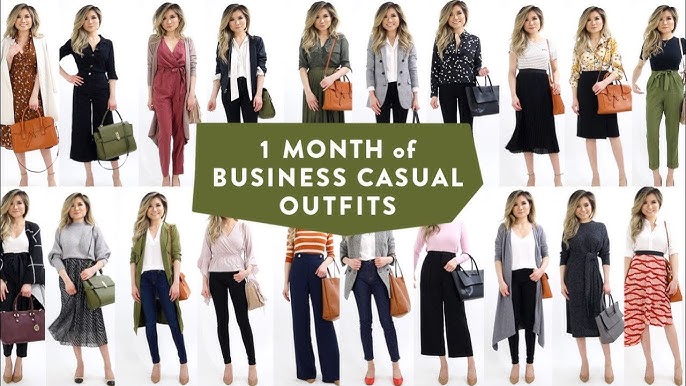
Credit: www.youtube.com
Real-life Examples: Business Casual Vs Smart Casual
Let’s look at two women and how they dress for different settings.
Example 1: Office Manager
- Business casual: Black blazer, white blouse, gray pencil skirt, black flats, minimal jewelry
- Smart casual: Swap skirt for dark jeans, add a patterned scarf, wear heeled sandals
Example 2: Marketing Professional
- Business casual: Navy cardigan, light blue blouse, black trousers, nude loafers
- Smart casual: Replace trousers with a midi skirt, add a statement necklace, wear colorful flats
These examples show how small changes create big differences.
Business Casual Vs Smart Casual: How To Transition Between Styles
Many women move between business casual and smart casual in one day. Here’s how to transition quickly:
- Keep a blazer or cardigan handy for meetings.
- Swap dress pants for dark jeans after work.
- Add a statement accessory for evening events.
- Change shoes from flats to sandals or boots.
This saves time and helps you look appropriate everywhere.
Non-obvious Insight
A versatile wardrobe makes transitions easier. Choose pieces that work for both styles, like a neutral blazer or midi skirt.
Business Casual Vs Smart Casual: Dos And Don’ts
It’s easy to make mistakes. Here are the main dos and don’ts:
Business Casual Dos
- Do check your office dress code
- Do choose tailored fits
- Do keep accessories simple
Business Casual Don’ts
- Don’t wear jeans or sneakers unless allowed
- Don’t choose bold colors or prints
- Don’t show too much skin
Smart Casual Dos
- Do add personality with color and accessories
- Do mix casual and polished pieces
- Do choose comfortable shoes
Smart Casual Don’ts
- Don’t look too relaxed (no gym clothes)
- Don’t ignore fit and grooming
- Don’t overdo trends
Business Casual Vs Smart Casual: Style Inspiration
Looking for inspiration? Here are some stylish women who master these dress codes:
- Michelle Obama: Known for business casual with elegant blazers and pencil skirts.
- Emma Stone: Often seen in smart casual, mixing jeans with trendy blouses and jackets.
- Arianna Huffington: Classic business casual, simple colors, tailored fits.
- Zendaya: Smart casual expert, bold prints, creative layering.
You don’t need to copy celebrities, but their outfits show how to look confident and stylish.

Credit: igrs.itu.edu.tr
Business Casual Vs Smart Casual: Future Trends
Fashion changes over time. Here’s what experts predict:
- More flexibility: Dress codes are relaxing, even in traditional industries.
- Sustainable fabrics: Eco-friendly materials are growing.
- Mix-and-match wardrobes: Women want pieces that fit both business and smart casual.
For more on dress codes and trends, see Vogue's Dress Code Guide.
Frequently Asked Questions
What Is The Main Difference Between Business Casual And Smart Casual For Women?
The main difference is the formality. Business casual is more polished, with neutral colors and tailored pieces, for professional settings. Smart casual is relaxed, stylish, and allows jeans, bright colors, and bold accessories.
Can I Wear Jeans For Business Casual?
Usually, jeans are not allowed in business casual, unless your workplace has a relaxed policy. For smart casual, dark, neat jeans are common.
How Do I Accessorize Business Casual And Smart Casual Outfits?
For business casual, use simple jewelry and neutral handbags. For smart casual, add statement accessories like bold necklaces, scarves, or colorful shoes.
What Shoes Are Best For Business Casual And Smart Casual?
Business casual requires closed-toe shoes like flats or low heels. Smart casual allows open-toe shoes, sandals, or trendy boots.
How Can I Build A Wardrobe That Fits Both Styles?
Choose versatile basics (blazers, midi skirts, neutral blouses) and add a few trendy pieces and accessories. This lets you mix and match for any occasion.
Finding the balance between business casual and smart casual gives you confidence and flexibility. With the right knowledge, you can dress for any situation and always feel comfortable and stylish.
