

How to Buy Gym Clothes: Expert Tips for the Perfect Fit
Buying the right gym clothes can change how you feel, move, and perform in your workouts. Good athletic wear supports your body, helps you stay cool, and can give you confidence each time you step into the gym. But with so many choices, materials, and styles, finding the best gym clothes can feel overwhelming, especially if you are new to fitness or not a native English speaker.
This article is your practical guide to buying gym clothes. You will learn what matters, how to pick the right items, what mistakes to avoid, and how to make smart choices for your needs and budget.
Why Gym Clothes Matter
Wearing proper gym clothes is not just about fashion. It affects your comfort, performance, and safety. The right clothes help you move freely, wick away sweat, and protect your skin. Poor choices can cause discomfort, distraction, or even injuries. Good gym clothes can also motivate you by making you feel more confident and focused.
For example, wearing a cotton t-shirt may feel fine at first, but it quickly becomes heavy and wet when you sweat. In contrast, moisture-wicking fabrics pull sweat away from your skin and help you stay dry. This small difference can affect your energy and enjoyment during exercise.
Understanding Different Types Of Gym Clothes
Before buying, it is helpful to know the common types of gym clothes and what they are for. Here are some basics:
Tops
- T-shirts and tank tops: Offer basic coverage. Look for lightweight, breathable materials.
- Long-sleeve shirts: Good for outdoor workouts or when you need extra warmth.
- Sports bras: Essential for women. Provide support and reduce discomfort during movement.
Bottoms
- Shorts: Allow full movement and keep you cool, especially for cardio and HIIT.
- Leggings/tights: Offer compression, support, and warmth. Popular for many activities.
- Joggers/sweatpants: Provide comfort and coverage. Better for cooler weather or warm-ups.
Outerwear
- Jackets and hoodies: Useful for warming up or exercising outdoors.
- Windbreakers: Protect against wind and light rain.
Underwear And Socks
- Moisture-wicking underwear: Reduces chafing and discomfort.
- Performance socks: Support your feet, reduce blisters, and manage moisture.
Footwear
- While not always called “clothes,” proper shoes are crucial. Different workouts need different shoes (running, lifting, cross-training).
Choosing The Right Material
The fabric of your gym clothes is one of the most important factors. Materials affect comfort, sweat management, and durability.
Common Fabrics
- Polyester: Durable, quick-drying, and lightweight. Often blended with other fibers.
- Nylon: Soft, stretchy, and moisture-wicking.
- Spandex (Lycra, Elastane): Adds stretch and flexibility. Often mixed with other fabrics.
- Cotton: Soft and comfortable but absorbs sweat and dries slowly.
- Bamboo: Natural, breathable, and has some anti-bacterial properties.
- Merino wool: Good for temperature control and odor resistance.
How To Decide
Choose synthetic blends (polyester, nylon, spandex) for most gym activities. They handle sweat well and keep their shape. Cotton can be fine for light activity, but it is not ideal for heavy sweating. Bamboo and merino wool are good for sensitive skin or if you want natural fibers.
Here’s a quick comparison of common fabrics:
| Fabric | Breathability | Moisture-wicking | Stretch | Odor Resistance |
|---|---|---|---|---|
| Polyester | Good | Excellent | Good | Average |
| Nylon | Excellent | Excellent | Excellent | Average |
| Spandex | Good | Good | Excellent | Average |
| Cotton | Good | Poor | Low | Low |
| Bamboo | Excellent | Good | Good | Excellent |
| Merino Wool | Good | Good | Low | Excellent |
Fit And Comfort: What To Look For
How your gym clothes fit affects your movement and performance. You want clothing that is snug enough to stay in place but loose enough to allow free movement. Here are practical tips:
- Test for stretch: Try moving, squatting, or raising your arms in the fitting room.
- Avoid overly tight clothes: These can restrict blood flow or cause chafing.
- Check seams and tags: Flat seams reduce irritation. Look for tagless designs or soft labels.
- Consider activity: For yoga or Pilates, choose clothes that move with your body. For running, look for streamlined fits that do not flap.
A common beginner mistake is buying gym clothes too loose. Baggy clothes can get caught on equipment and make you look less put-together. On the other hand, clothes that are too tight can be distracting and uncomfortable.
Picking Clothes For Your Activity
Not all gym clothes work for every type of exercise. Think about your main activity before shopping.
Strength Training
- Choose tops that allow a full range of motion in your arms and shoulders.
- Shorts or leggings that do not ride up or slip down during squats and lunges.
- Grippy socks or shoes with a flat base for stability.
Running And Cardio
- Lightweight, breathable tops and shorts.
- Compression leggings can help reduce muscle fatigue.
- Socks that wick away sweat and prevent blisters.
Yoga And Pilates
- Stretchy leggings or yoga pants that move with your body.
- Fitted tops that stay in place during poses.
- Barefoot or non-slip socks.
Group Classes (hiit, Dance, Spinning)
- Clothes that stay cool and dry.
- Supportive sports bras.
- Flexible, non-restrictive bottoms.
Outdoor Workouts
- Layers for changing weather.
- Windproof or water-resistant jackets.
- Sun-protective fabrics if you train outside often.
Sizing: How To Get It Right
Getting the right size is not always easy, especially when shopping online. Here are some steps to avoid common sizing mistakes:
- Know your measurements: Use a tape measure for your chest, waist, hips, and inseam.
- Check each brand’s size chart: Sizes vary between brands.
- Read reviews: Look for comments on sizing—whether items run large, small, or true to size.
- Look for return policies: Buy from stores that allow easy exchanges if the fit is wrong.
- Try before you buy: If possible, test the clothes in-store.
A non-obvious tip: If you are between sizes, consider your activity. For yoga, a tighter fit may be better; for weightlifting, a bit more room is helpful.
Quality Vs. Price: How Much Should You Spend?
Gym clothes come in a wide range of prices. Some brands charge a lot for name recognition, while others offer good quality at a lower price.
What Affects The Price?
- Fabric technology: Moisture-wicking, anti-odor, or UV protection features cost more.
- Brand reputation: Well-known brands usually charge more, but not always for better quality.
- Construction: Double stitching, flat seams, and reinforced areas make clothes last longer.
- Design and style: Trendy designs or limited editions can raise prices.
Should You Buy Expensive Gym Clothes?
You do not need to buy the most expensive items to get good quality. Focus on function over fashion. Sometimes, mid-range brands offer the best value. If you work out often, investing in a few high-quality pieces can save money in the long run because they last longer and feel better.
Here’s a quick comparison of budget, mid-range, and premium gym clothes:
| Price Range | Typical Features | Durability | Best For |
|---|---|---|---|
| Budget | Basic fabrics, simple designs | Low to medium | Beginners, light use |
| Mid-range | Performance fabrics, better fit | Medium to high | Regular gym-goers |
| Premium | Advanced features, designer brands | High | Heavy users, style-conscious |
Where To Buy Gym Clothes
You have several options for buying gym clothes:
- Sportswear stores: Offer expert advice and the chance to try before you buy.
- Department stores: Carry a mix of brands and price ranges.
- Online retailers: Offer the widest selection and often better prices, but sizing can be tricky.
- Brand websites: Sometimes have exclusive products or sales.
When shopping online, always check the return policy and read customer reviews. Some trusted online platforms include Amazon, Nike, Adidas, and Lululemon, but local sports stores may also offer good deals.
Key Features To Look For
When you shop for gym clothes, pay attention to these important features:
Moisture-wicking
This is a must for any gym clothes. It keeps you dry and comfortable during exercise. Look for phrases like “moisture-wicking,”“quick-dry,” or “performance fabric” on tags.
Breathability
Fabrics that allow air to pass through help control temperature and reduce sweat buildup. Mesh panels and ventilation zones are useful features.
Stretch And Flexibility
You want clothes that move with you, especially for activities like yoga or HIIT. Look for at least a small percentage of spandex or elastane in the fabric.
Durability
Check seams, hems, and the quality of the fabric. Thin or cheap clothes may tear or lose shape quickly.
Support
Women should look for sports bras with the right level of support for their activity. Men may want compression shorts for extra support during intense workouts.
Pockets
Not all gym clothes have pockets, but they are helpful for carrying keys, cards, or a phone.
Odor Control
Some gym clothes have anti-odor technology, often using silver or bamboo fibers. This can be helpful for those who sweat a lot.
Style And Personal Preference
While function is most important, you should also feel good in your gym clothes. Confidence can improve your motivation and performance. Choose colors and designs that suit your personality. Some people prefer neutral tones, while others like bright colors or patterns.
Another tip: Buy at least two sets of gym clothes. This way, you always have a clean set ready, even if one is in the wash.
Special Considerations
There are some non-obvious factors people often miss when buying gym clothes:
Seasonal Needs
- For hot climates, choose light colors and airy fabrics.
- For cold weather, layer with base, mid, and outer layers. Merino wool or synthetic base layers help regulate temperature.
Allergies And Sensitive Skin
If you have sensitive skin or allergies, look for hypoallergenic fabrics like bamboo or merino wool. Avoid clothes with harsh chemicals or rough seams.
Sustainability
More brands now offer eco-friendly gym clothes made from recycled materials or organic fibers. If you care about the environment, look for sustainable or eco-conscious labels.
Gym Dress Codes
Some gyms have rules about what you can wear. For example, some do not allow tank tops or overly revealing clothes. Check your gym’s policy before buying.
How To Care For Your Gym Clothes
Taking care of your gym clothes helps them last longer and keeps them looking good. Here are some tips:
- Wash soon after use: Sweat can damage fabric and cause odors if left too long.
- Use cold water: Hot water can break down stretchy fibers.
- Avoid fabric softener: It can block moisture-wicking abilities.
- Air dry when possible: High heat from dryers can ruin elastic fibers.
- Turn clothes inside out: This helps protect colors and prints.
A common mistake is using too much detergent. This can leave residue and trap smells. Use only the recommended amount.
Mistakes To Avoid When Buying Gym Clothes
Even experienced gym-goers make mistakes. Here are some to watch out for:
- Choosing style over function: Trendy clothes may not perform well in the gym.
- Ignoring fabric content: Not all “sportswear” is designed for sweating or movement.
- Buying the wrong size: Clothes that are too tight or loose can distract you and affect performance.
- Overlooking care instructions: If you do not like hand-washing or air-drying, avoid delicate fabrics.
- Not considering activity: Clothes for yoga are different from those for running or strength training.
How Many Sets Of Gym Clothes Do You Need?
The answer depends on how often you work out. For most people, 2–4 sets are enough. If you go to the gym daily, you may want more. Also, consider the climate and your washing routine.
A simple guideline:
- 1–2 sets: For beginners or occasional gym-goers.
- 3–5 sets: For regular exercisers (3–5 times a week).
- 6+ sets: For daily workouts or if you do not want to wash clothes often.
Real-life Example: Building Your First Gym Wardrobe
Let’s say you are starting to exercise three times a week. Here is a basic list to get you started:
- 2–3 tops: T-shirts or tank tops made from moisture-wicking fabric.
- 2–3 bottoms: Shorts or leggings based on your activity and preference.
- 1–2 sports bras (for women): Choose different support levels for various activities.
- 2–3 pairs of socks: Look for cushioned, moisture-wicking options.
- 1 jacket or hoodie: For warming up or going outside.
- 1–2 pairs of gym shoes: Choose shoes based on your main activity.
This list covers most needs for a beginner and helps you avoid over-spending on unnecessary items.
Shopping Tips For Non-native English Speakers
If English is not your first language, shopping for gym clothes online or in stores can be challenging. Here’s how to make it easier:
- Learn key vocabulary: Words like “moisture-wicking,” “compression,” “stretch,” and “breathable” are important.
- Use translation tools: Most websites can be translated, but double-check size charts.
- Check reviews with photos: Pictures help you see how clothes look on real people.
- Ask staff for help: Store employees can answer questions and help you find the right fit.
- Save product links: This helps you compare options and prices before buying.
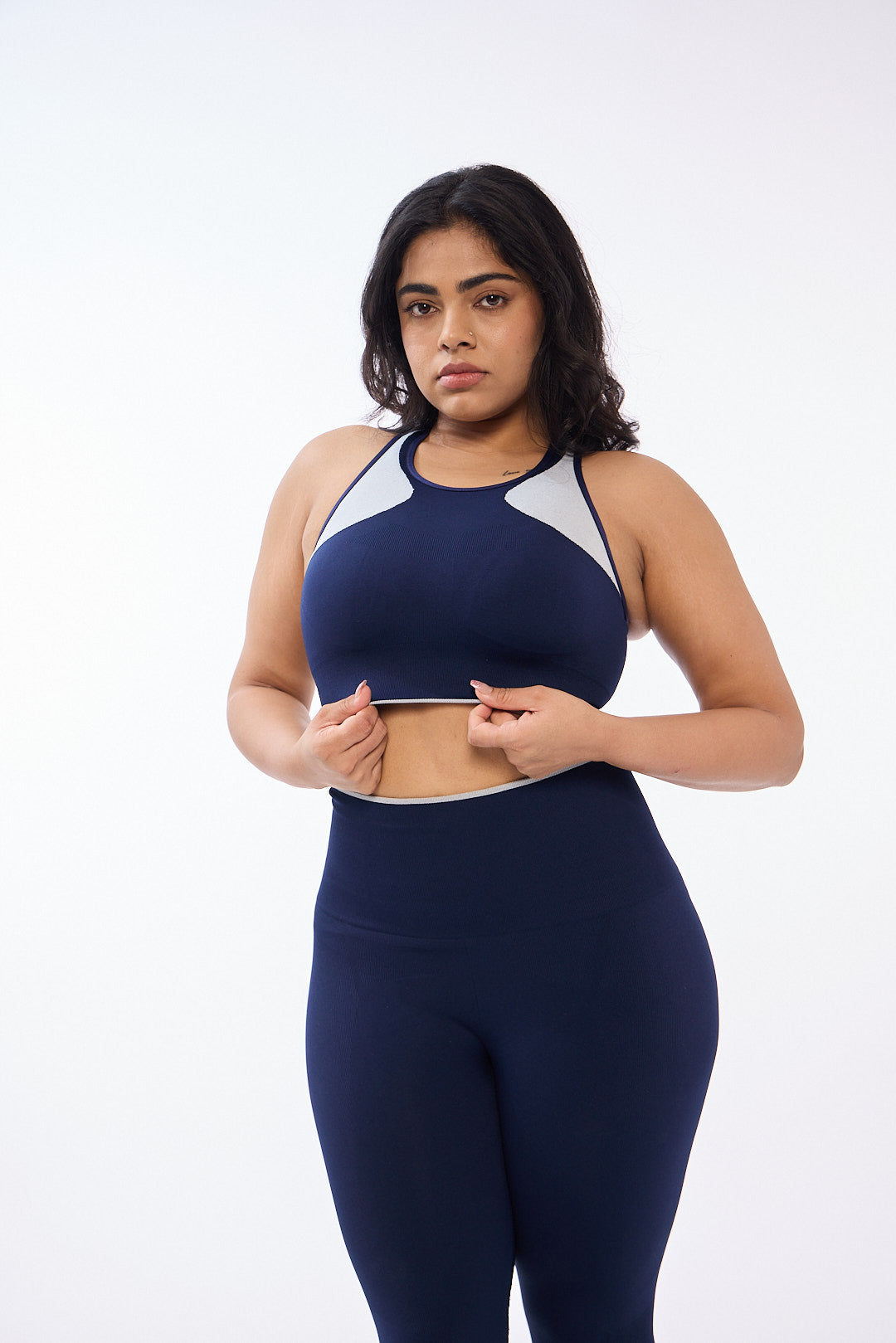
Credit: allurelakestorey.com
Comparing Popular Gym Clothing Brands
Different brands offer different strengths. Here’s a brief comparison:
| Brand | Main Strength | Price Level | Best For |
|---|---|---|---|
| Nike | Performance, Innovation | Mid to high | All-round athletes |
| Adidas | Comfort, Versatility | Mid to high | Casual and active users |
| Lululemon | Yoga, Quality | High | Yoga and lifestyle |
| Under Armour | Moisture-wicking, Durability | Mid | Intense workouts |
| Decathlon | Value, Variety | Low to mid | Budget buyers, beginners |
Choose a brand that fits your budget and activity. You do not have to buy everything from one brand.
When To Replace Your Gym Clothes
All gym clothes wear out over time. Here are signs you need to replace them:
- Loss of elasticity: Clothes no longer stretch or fit right.
- Fading or holes: Fabric looks worn or thin.
- Persistent odors: Smells remain even after washing.
- Reduced support: Sports bras or compression wear feel loose.
Regularly check your gym wardrobe and replace items as needed. This helps you stay comfortable and safe.

Credit: allurelakestorey.com
Non-obvious Insights Most Beginners Miss
- Layering is powerful: Wearing layers can help you adjust to temperature changes, especially if you work out outdoors or in gyms with poor climate control. Start with a moisture-wicking base layer, then add or remove items as needed.
- Try before you buy: If possible, do a few basic moves (like squats or arm raises) in the fitting room. You’ll quickly notice if the clothing restricts your movement or feels uncomfortable.
Frequently Asked Questions
What Is The Best Material For Gym Clothes?
The best materials are usually moisture-wicking synthetics such as polyester, nylon, or spandex blends. They keep you dry and comfortable. For people with sensitive skin, bamboo or merino wool are also good options.
How Do I Choose The Right Sports Bra?
Look for support level based on your activity. Low-impact bras are for yoga or walking, medium for gym classes, and high-impact for running or HIIT. The bra should fit snugly but not dig in. Adjustable straps and bands help customize the fit.
How Often Should I Wash My Gym Clothes?
Wash after every workout to prevent bacteria and odors. If you cannot wash right away, hang them up to dry instead of leaving them in a gym bag.
Can I Wear Regular Clothes To The Gym?
You can, but regular clothes are often not designed for sweating or movement. They may become uncomfortable or wear out quickly. Proper gym clothes help you perform better and last longer.
What Should I Do If My Gym Clothes Smell Bad Even After Washing?
Try washing with white vinegar or baking soda to remove odors. Avoid fabric softeners, as they can trap smells. If the smell does not go away, it may be time to replace the item.
Buying gym clothes does not have to be confusing. Focus on function, comfort, and fit before style. The right choices will help you feel confident, stay safe, and get the most from your workouts. For more guidance on choosing athletic wear and understanding fabric technology, visit the Sportswear (activewear) Wikipedia page. Take your time, try different options, and soon you’ll have a gym wardrobe that works for you.

Credit: allurelakestorey.com
