

How to Bring Gym Clothes to Work: Easy Packing Hacks
Bringing gym clothes to work might sound simple, but anyone who has tried knows it can be tricky. You want to fit fitness into your day without feeling awkward, messy, or unprepared at the office. Maybe you want to hit the gym before work, during lunch, or right after your shift ends.
Whatever your schedule, transporting gym gear between home and office has its challenges—from keeping clean clothes fresh to handling sweaty items discreetly. If you want to make working out a regular part of your routine without causing problems at work, you need a smart system.
This guide will walk you through everything you need to know, including clever packing strategies, odor control, work-appropriate storage, and tips for making exercise a seamless part of your professional life.
Why Bringing Gym Clothes To Work Matters
Regular exercise is not just for athletes. Many professionals squeeze workouts into their busy days because physical activity helps boost energy, sharpen focus, and reduce stress. Still, almost half of working adults say lack of time is their main reason for skipping exercise. By bringing gym clothes to work, you save precious minutes and make it easier to fit movement into your schedule.
Bringing your gear to work also gives you more flexibility. If you have your clothes and shoes ready, you can take advantage of quiet gym hours, avoid peak traffic, or even join a spontaneous workout with coworkers. In short, having gym clothes at work removes barriers and helps you stick to your fitness goals.
Choosing The Right Gym Bag
The first step to successful gym commutes is picking a suitable gym bag. Not all bags are created equal, and the right one can make your routine much smoother.
Key Features To Look For
- Size and Capacity: Make sure the bag fits all your essentials—clothes, shoes, toiletries, and extras like a water bottle or snacks.
- Compartments: Bags with separate pockets for shoes, wet clothes, and valuables keep everything organized and hygienic.
- Material: Choose a bag made from water-resistant or easy-to-clean materials. This prevents leaks and odors.
- Comfort: If you walk or take public transport, padded straps or a backpack style can ease the load.
- Style: If your office is formal, a sleek, neutral-colored bag blends in better than a sporty duffel.
Comparison Of Popular Gym Bag Types
Here’s a quick comparison of common bag styles:
| Type | Pros | Cons |
|---|---|---|
| Backpack | Easy to carry, balanced weight, hands-free | May look casual, less space for bulky items |
| Duffel Bag | Spacious, often with shoe compartments | Can be heavy, awkward on public transport |
| Tote Bag | Stylish, office-friendly, easy access | Limited space, fewer pockets |
| Shoe Bag | Great for keeping shoes separate | Not enough room for all gym gear |
Tip: Some people use a backpack for gym gear and a small tote for shoes, keeping each item in its best environment.
How To Pack Gym Clothes Efficiently
Packing gym clothes is more than just throwing items into a bag. Smart packing keeps clothes neat, saves space, and prevents odors.
Step-by-step Packing Strategy
- Lay Out Your Clothes: Start with what you need—top, bottoms, socks, underwear, sports bra (if needed), and shoes.
- Use Packing Cubes or Pouches: These help separate clean and dirty items.
- Roll, Don’t Fold: Rolling clothes saves space and reduces wrinkles.
- Pack Shoes Separately: Use a shoe bag or a plastic bag to keep dirt away from your clothes.
- Bring Small Toiletries: Travel-sized deodorant, face wipes, and dry shampoo are gym bag essentials.
- Add a Plastic Bag: For sweaty clothes after your workout.
- Don’t Forget Extras: Hair ties, a lock for the gym locker, and a water bottle are easy to forget but very useful.
Example: Packing For A Lunchtime Workout
If you plan to exercise during lunch, you need to bring both your gym outfit and a fresh set of undergarments or even a change of work clothes, especially if you sweat heavily. Include a quick towel and travel deodorant so you can freshen up before returning to your desk.
Choosing The Right Gym Clothes For Work
Not all workout gear is office-friendly. The right clothes make it easier to carry, change, and even wash.
What To Look For In Gym Clothes
- Lightweight Fabrics: Choose synthetic, moisture-wicking materials. They dry fast and are less likely to smell.
- Wrinkle-Resistant: Clothes that stay neat after being packed all day are best.
- Neutral Colors: Darker colors hide sweat and stains, and don’t attract much attention.
- Compact Design: Avoid bulky hoodies or thick sweatpants.
- Multi-purpose Pieces: Some brands offer athleisure that can double as casual workwear.
Example Outfit
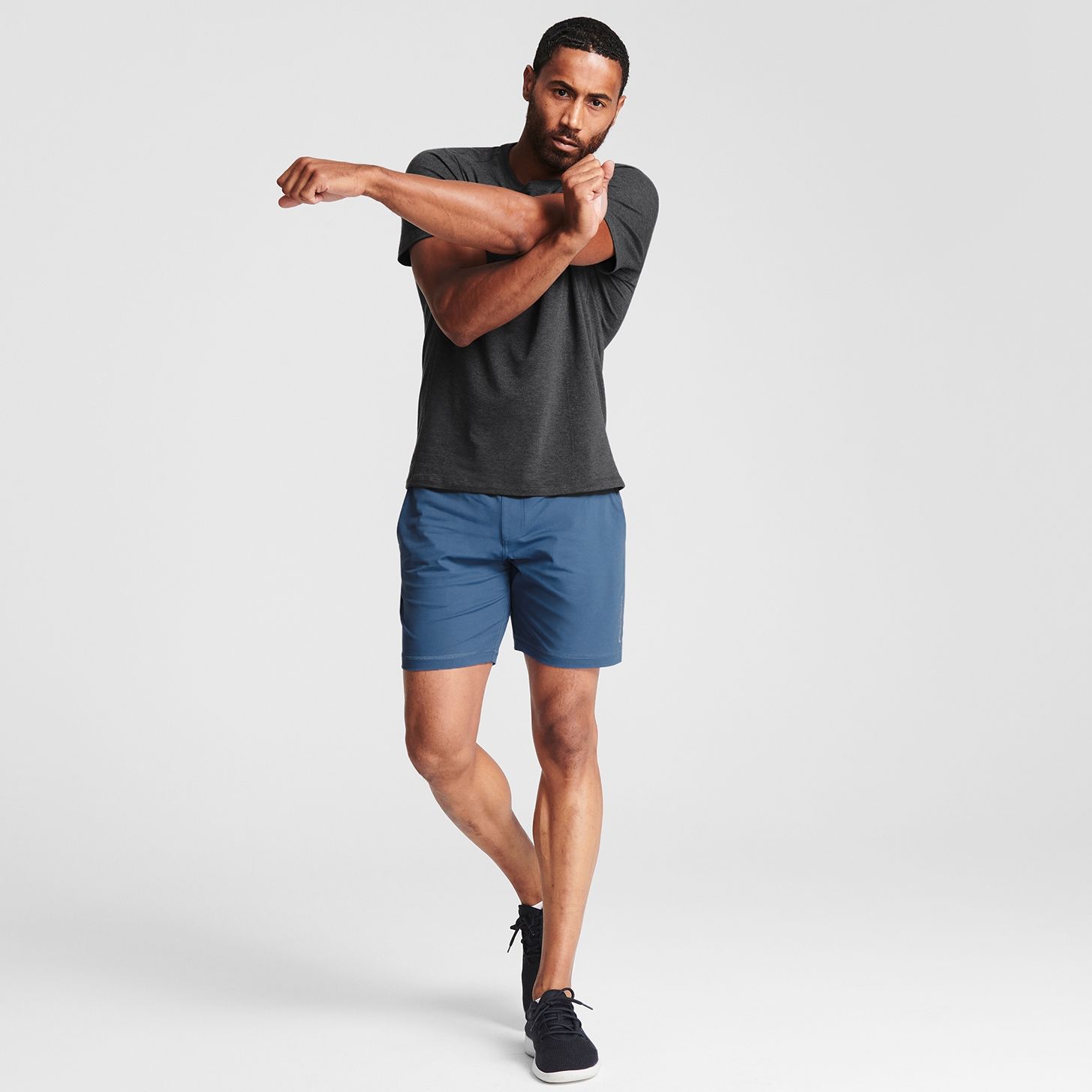
A black moisture-wicking T-shirt, slim-fit leggings or shorts, and a lightweight pullover are practical and compact. Pair with running shoes that fit in your bag.
Preventing Odors In Your Bag And Clothes
One of the biggest worries about bringing gym clothes to work is odor control. No one wants their bag or desk to smell like a locker room.
Odor Prevention Tips
- Air Out Immediately: After your workout, don’t seal sweaty clothes in your bag all day. Use a breathable laundry pouch or mesh bag.
- Use Odor-Blocking Bags: Some gym bags have built-in odor-resistant linings. If not, use a separate odor-proof pouch.
- Bring a Small Freshener: A dryer sheet or a mini sachet of baking soda absorbs odors.
- Wash Clothes Quickly: Don’t let damp gym clothes sit overnight at home.
- Clean Your Bag Weekly: Wipe it out with disinfectant wipes and air it out.
Data: How Fast Do Gym Clothes Start To Smell?
| Condition | Time Until Noticeable Odor |
|---|---|
| Damp, sealed in bag | 2-4 hours |
| Damp, aired in mesh pouch | 6-10 hours |
| Dry, clean clothes | Over 24 hours |
Insight: Many beginners don’t realize that even a short gym session can make clothes smelly in just a few hours if left sealed, especially in warm environments.
Where To Store Gym Clothes At Work
Not all offices have showers, lockers, or private spaces. Where you keep your gear during the day matters for both convenience and professionalism.
Options For Storing Gym Gear
- Under Your Desk: If your bag is clean and odor-free, this is easy and discreet.
- In a Locker: Some offices provide lockers—use them if available.
- Break Room or Storage Area: Check if your workplace has a designated area for personal items.
- Car Trunk: If you drive, you can store your bag there, but avoid leaving damp clothes in hot weather.
Tip: Always keep your bag zipped and organized, especially if your office is open-plan or if clients visit often.
Credit: www.511tactical.com
Managing Dirty Clothes After Your Workout
Handling sweaty clothes after a gym session at work is a challenge for many. You want to avoid smells, leaks, or messes.
Best Practices
- Pack a Wet Bag: Use a waterproof pouch for sweaty clothes. This keeps moisture and odor contained.
- Air Dry If Possible: If you have a private space, let clothes air out before you pack them.
- Change Quickly: Spend as little time as possible in sweaty clothes to avoid skin irritation.
- Wipe Down Shoes: After your workout, clean your shoes with a disinfectant wipe before storing them.
- Wash Clothes ASAP: At home, empty your bag and wash sweaty items immediately.
Beginner Mistake: Many people forget to empty their bag when they get home, leading to stubborn odors and even mold.
Changing At Work: Privacy And Speed
Changing into or out of gym clothes at work requires a bit of planning, especially if there’s no dedicated changing room.
Where To Change
- Office Restroom: Most common, but not always comfortable. Choose a stall for privacy.
- Locker Room: Use if your office or gym has one.
- Private Office: If you have your own office with a door, this can be the easiest spot.
How To Change Quickly And Discreetly
- Lay Out Clothes Beforehand: Organize your change of clothes in your bag so you can grab what you need quickly.
- Wear Easy-On, Easy-Off Items: Slip-on shoes and minimal layers save time.
- Practice at Home: Try changing quickly at home to find the fastest method.
- Pack a Small Mirror: For quick makeup or hair touch-ups.
Insight: Some experienced gym-goers wear gym clothes under regular clothes to save time, but this only works with thin, non-bulky items.
Showering At Work: What To Do If You Can Or Can’t
A shower after a workout is ideal, but not always possible. Here’s how to manage both situations.
If You Have A Shower
- Bring Travel-Sized Toiletries: Shampoo, soap, deodorant, and a small towel.
- Pack a Shower Caddy: Keeps items organized and quick to grab.
- Flip-Flops: Avoid athlete’s foot in shared showers.
- Quick-Dry Towel: Lightweight and dries fast.
- Hair Dryer or Styling Tools: Small versions fit in your bag.
If You Don’t Have A Shower
- Use Body Wipes: Large, gym-specific wipes help remove sweat and odor.
- Apply Dry Shampoo: Keeps hair fresh between washes.
- Change Clothes Completely: Including undergarments.
- Spray Deodorant or Body Spray: Quick way to freshen up.
- Face Wipes: Prevent breakouts from sweat.
Tip: For intense workouts, pick a routine that’s less likely to make you sweat heavily if you can’t shower, such as yoga or strength training.
Keeping Your Work Clothes Fresh
It’s not just about your gym clothes. You want your work clothes to stay clean and wrinkle-free while they’re in your bag or locker.
Strategies For Fresh Work Clothes
- Use a Garment Bag: Keeps shirts, blouses, or suits wrinkle-free.
- Roll, Don’t Fold: Rolling work clothes reduces creases.
- Hang Items When Possible: If you have a locker or hook, use it.
- Store Away From Gym Gear: Keep work clothes in a separate compartment or pouch.
Beginner Mistake: Packing sweaty gym clothes next to clean work items—always keep them separate.
Credit: everestkitchennc.com
Planning Your Workout Schedule Around Work
Fitting exercise into a busy workday takes planning. The best time for a workout depends on your schedule, office culture, and energy levels.
Common Workout Times
- Before Work: Great for starting your day energized, but you’ll need to arrive early and pack both work and gym clothes.
- During Lunch: Efficient, but requires a quick change and sometimes a no-shower freshen-up.
- After Work: Convenient, but you may feel tired or find the gym crowded.
How To Choose The Best Time
Think about your energy peaks, office flexibility, and gym traffic patterns. Some workplaces support midday workouts, while others expect you to be present at your desk. It’s okay to experiment until you find what works for you.
Packing Lunch And Snacks With Gym Clothes
Many people forget to plan meals around their gym sessions. Bringing the right food helps fuel your workout and aids recovery.
What To Pack
- Pre-Workout Snack: Banana, granola bar, or nuts for quick energy.
- Post-Workout Snack: Greek yogurt, protein shake, or a turkey sandwich.
- Hydration: Always include a water bottle.
Insight: Keeping a small snack in your gym bag prevents low blood sugar or fatigue, especially if your workout timing shifts.
Gym Bag Hygiene: Keeping Everything Clean
Your gym bag can become a breeding ground for bacteria if not cleaned regularly.
How To Keep Your Bag Fresh
- Empty It Daily: Take out dirty clothes and wet towels right after work.
- Wipe Surfaces Weekly: Use disinfectant wipes on the inside and outside.
- Wash Bags Monthly: Fabric bags can go in the washing machine; others may need hand-washing.
- Replace Old Gear: Shoes and towels wear out and can hold odors.
Tip: Rotate between two gym bags if you exercise often. This gives each bag time to air out.
Smart Storage Solutions For Small Workspaces
Not everyone has a big desk or private office. Clever storage can help you keep your gym gear out of sight and organized.
Space-saving Ideas
- Slim Gym Bags: Pick a bag that fits upright in a locker or under your desk.
- Collapsible Shoe Bags: These take up less space when empty.
- Stackable Storage Boxes: Use these in a shared office closet.
- Hooks or Hangers: Hang bags on the back of a door or under your desk.
Comparison: Gym Bag vs. Storage Box
| Feature | Gym Bag | Storage Box |
|---|---|---|
| Portability | High | Low |
| Discreetness | Medium | High |
| Odor Containment | Medium | High (if sealed) |
| Capacity | Medium-High | High |
Credit: melmagazine.com
Handling Special Situations: Rain, Snow, And Heat
Weather can affect how you bring gym clothes to work, especially if you walk, bike, or use public transport.
Tips For All Weather
- Rain: Use a waterproof bag cover or pack clothes in plastic inside your bag.
- Snow: Dry shoes and clothes thoroughly before putting them back in your bag to prevent mildew.
- Heat: Avoid leaving bags in hot cars with sweaty clothes inside. This speeds up odor and bacteria growth.
Tip: Keep a spare set of socks or underwear at work in case your gear gets soaked.
Traveling For Work: Bringing Gym Clothes On Business Trips
Business travel can disrupt your workout routine, but with the right approach, you can stay active on the road.
How To Pack For Business And Fitness
- Pack Lightweight Gear: Choose compact, quick-drying items.
- Research Hotel Gyms: Know what equipment is available.
- Plan Quick Workouts: Use bodyweight routines if you don’t have access to a full gym.
- Pack Extra Plastic Bags: For dirty clothes.
External Resource: For more on exercise and travel, check out this guide from the Centers for Disease Control and Prevention.
Mistakes To Avoid When Bringing Gym Clothes To Work
Many beginners run into the same problems. Avoid these common pitfalls for a smoother experience.
- Forgetting Essentials: Make a checklist or keep spares at work.
- Mixing Clean and Dirty Items: Always separate them to avoid smells and stains.
- Leaving Clothes in the Bag: Take everything out as soon as you get home.
- Bringing Too Much: Only pack what you actually use.
- Not Planning for Freshening Up: Always have wipes or deodorant on hand.
Non-Obvious Insight: Some people forget to pack regular socks or underwear after their workout, which can make the rest of your workday uncomfortable.
Building A Sustainable Gym-work Routine
The goal is not just to bring gym clothes to work once, but to make it a lasting habit. Sustainable routines are simple and easy to follow.
Steps To Make It Stick
- Prepare the Night Before: Pack your bag and set it by the door.
- Keep a Backup Kit at Work: Spare clothes, deodorant, and snacks in your desk drawer.
- Set Reminders: Use phone alarms for packing and changing.
- Track Your Progress: Mark workouts on a calendar for motivation.
- Adjust As Needed: If something isn’t working, change your system rather than quitting.
Insight: Some office workers find it helpful to set up a “workout buddy” system. Having a coworker join you for workouts makes you less likely to skip.
Frequently Asked Questions
What’s The Best Way To Keep Gym Clothes From Smelling At Work?
Use a breathable, odor-resistant pouch for sweaty clothes and never seal damp items in a regular plastic bag for long periods. A dryer sheet or a small sachet of baking soda inside your gym bag also helps absorb smells.
Can I Wear My Gym Clothes Under My Work Clothes?
You can, but only if your gym clothes are thin, moisture-wicking, and not visible under your work outfit. This method works best for light workouts or if you’re short on time, but isn’t suitable for all office dress codes.
How Do I Handle Gym Clothes If There’s No Shower At Work?
Use body wipes, dry shampoo, and change into clean clothes immediately after your workout. Bring a full set of fresh undergarments and keep deodorant handy. Avoid heavy cardio if you’re worried about strong odors.
What Should I Keep In My Gym Bag At All Times?
Essentials include gym clothes, socks, underwear, shoes, a water bottle, travel-sized toiletries, a plastic bag for dirty items, and a small towel. It’s smart to add hair ties, a snack, and a lock for the gym locker.
How Often Should I Clean My Gym Bag?
Wipe down your bag with disinfectant at least once a week and wash it thoroughly every few weeks, depending on how often you use it. Always remove damp or dirty items as soon as you get home to prevent odors and bacteria.
Bringing gym clothes to work is more than a matter of convenience—it’s a strategy that can help you balance your health and career. With good planning, the right gear, and a few smart habits, you can make exercise a natural part of your workday, no matter how busy you are.
