

Can You Wash Gym Clothes at 60 Degrees? Expert Cleaning Guide
Can You Wash Gym Clothes At 60 Degrees
Many people wonder if washing gym clothes at 60 degrees is the right choice. After all, gym wear faces heavy sweat, odor, and bacteria. You want your clothes fresh, but you don’t want to ruin them. Is a hot wash the solution, or does it carry hidden risks? If you want your gym gear to last, smell clean, and stay hygienic, knowing the answer matters.
This article will break down the impact of washing at 60 degrees on different fabrics, the science behind cleaning power and bacteria removal, and the risks for your gym clothes. You’ll learn when to use a hot wash, when to avoid it, and how to care for each type of gym clothing. We’ll also go through 60 real-world factors, tips, and considerations to help you make the best decision for your workout wardrobe.
The Science Of Washing At 60 Degrees
Washing at 60 degrees Celsius (about 140°F) is hotter than most regular cycles. Why do people use this setting?
Hotter water can:
- Kill more bacteria and germs
- Remove tough odors and stains
- Dissolve certain detergents better
However, heat can also damage fabrics. Gym clothes often use modern materials like polyester, spandex, nylon, and technical blends. These react differently to high temperatures compared to cotton or wool.
60 Essential Factors For Washing Gym Clothes At 60 Degrees
To fully understand if you should wash your gym clothes at 60 degrees, let’s look at 60 detailed factors. Each one plays a role in your decision and helps you get the best results.
1. Fabric Type
The first thing to check is the fabric. Most gym clothes are made from synthetic materials like polyester, nylon, or spandex. These are often sensitive to heat and can lose their stretch or shape if washed too hot.
2. Care Label Instructions
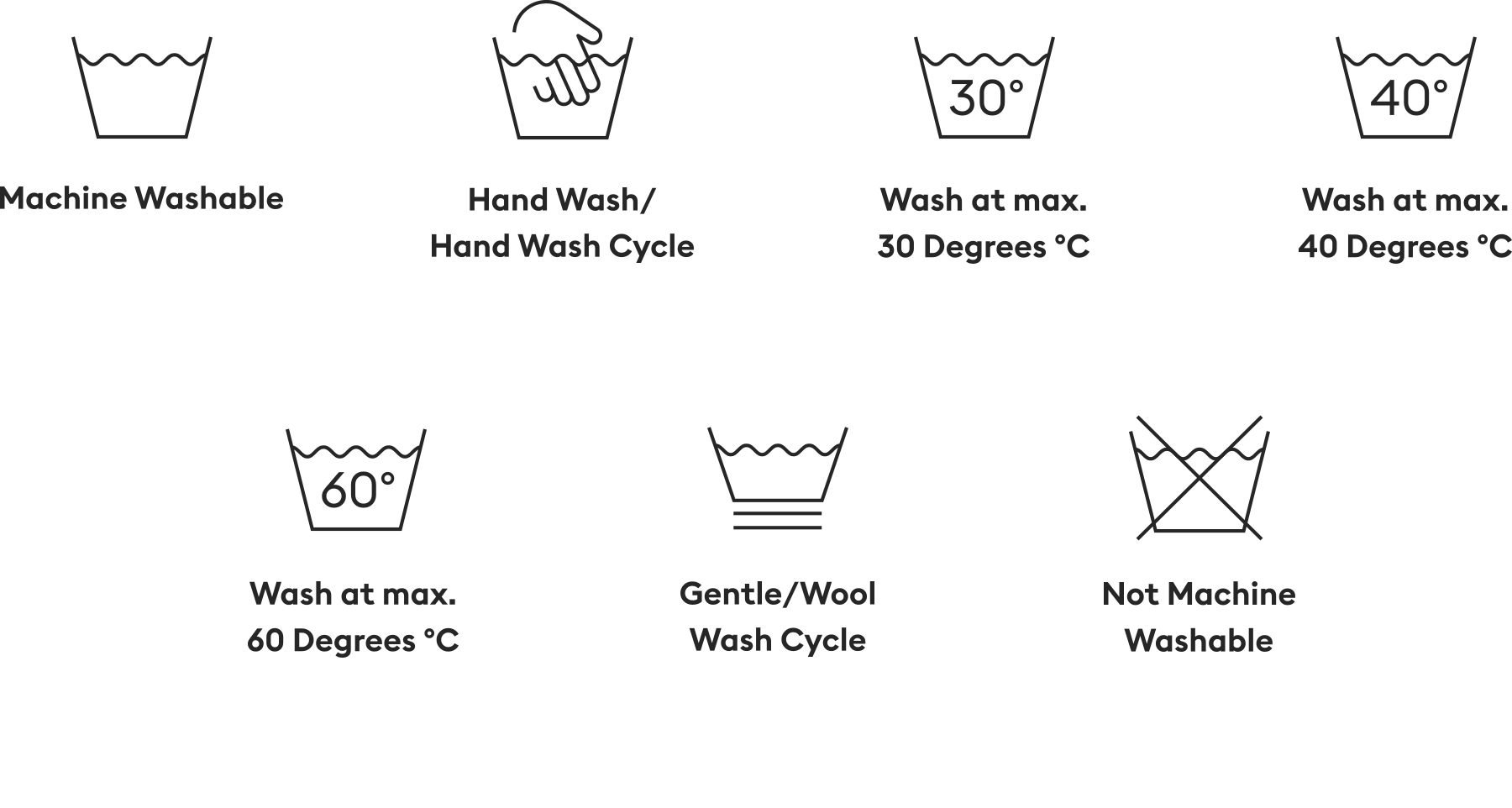
Always read the care label. Manufacturers test their fabrics and know what temperature is safe. If the label says “wash at 30” or “40 degrees,” a 60-degree wash could cause damage.
3. Bacteria Removal
Washing at 60 degrees is effective for killing bacteria, especially after heavy sweating. This is important if you have skin problems, allergies, or want to prevent athlete’s foot.
4. Odor Elimination
If your gym clothes still smell after washing, a hot wash can help. Heat breaks down odor molecules and kills the bacteria that cause them.
5. Color Fading
Hot water can make colors fade faster, especially on dark or bright gym clothes. If you want your clothes to look new longer, a lower temperature is safer.
6. Shrinkage Risk
High heat can shrink some fabrics, especially those with cotton or wool. Even blends with a small percentage of natural fibers may change size after a 60-degree wash.
7. Elasticity Damage
Materials with spandex or elastane can lose their stretch when exposed to high temperatures. This affects fit and comfort.
8. Seams And Stitching
Hot water can weaken or distort seams, especially on compression wear or leggings with flatlock stitching.
9. Detergent Effectiveness
Some detergents are designed to work best at cooler temperatures. Using hot water with these may not improve cleaning and could even reduce effectiveness.
10. Stain Removal
For tough stains like mud or grass, a hotter wash can help. However, pre-treating stains is usually more effective than just turning up the heat.
11. Microfiber Breakdown
Technical gym clothes often contain microfibers. High heat can damage these, reducing moisture-wicking ability.
12. Sustainability
Washing at lower temperatures saves energy and lowers your carbon footprint. A 60-degree wash uses more power, which is less environmentally friendly.
13. Allergens
If you suffer from allergies, washing at 60 degrees can help remove dust mites and pollen stuck in fabric.
14. Synthetic Odor Retention
Synthetics sometimes hold onto odors even after washing. A hot cycle can help, but overuse can damage the fabric.
15. Fabric Softness
Hot water can make some fabrics feel rough or stiff, especially after repeated washes.
16. Print And Logo Longevity
Heat can damage screen prints, logos, or reflective strips. These may crack, peel, or fade with hot washing.
17. Pilling
Pills are small balls of fiber that form on the surface of clothes. High temperatures can increase pilling on gym fabrics.
18. Zipper And Fastener Damage
Metal and plastic parts like zippers or snaps can warp or become damaged in hot water.
19. Moisture-wicking Performance
Moisture-wicking is a key feature in gym gear. Heat can break down the coating or fibers that pull sweat away from your skin.
20. Water-repellent Finishes
Some gym wear, like jackets or shorts, have a water-repellent finish. Hot water can strip these coatings away.
21. Lycra And Spandex Breakdown
These stretchy fibers are especially sensitive to heat. Over time, washing at 60 degrees causes loss of elasticity.
22. Washing Machine Settings
Not all machines heat water to the exact temperature you select. Results can vary, so use a thermometer if you need precise control.
23. Pre-treatment Options
Instead of a hot wash, you can pre-treat odor or stains with special sprays or soaking.
24. Load Size
Washing a full load is more energy-efficient, but overloading can prevent clothes from getting clean, even at high temperatures.
25. Detergent Residue
Hotter water can cause some detergents to leave residue, especially if you use too much product.
26. Fiber Shedding
Higher temperatures can increase fiber shedding, which contributes to microplastic pollution in water systems.
27. Fabric Blend Ratios
Check the percentage of synthetics versus natural fibers. The more synthetics, the more careful you should be with heat.
28. Drying Method
After a 60-degree wash, line drying is safer than using a hot dryer, which adds even more heat stress to fabrics.
29. Sports Bra Care
Sports bras have elastic bands and technical fabrics. High heat can ruin support and shape quickly.
30. Compression Wear
Compression tights and sleeves rely on tight structure. Heat can ruin the fit, making them loose and less effective.
31. Underarm Odor
For strong underarm odor, a hot wash can help, but always check if the garment can handle it.
32. Washing Frequency
Washing after every use is common, but frequent hot washes speed up fabric breakdown.
33. Eco-friendly Detergents
Some “green” detergents are designed for cold water. Check if yours is compatible with hot washes.
34. Water Hardness
Hard water can reduce detergent effectiveness, meaning you might need higher temperatures or more detergent.
35. Hand Washing
If in doubt, hand washing with warm (not hot) water is gentle and effective for most gym clothes.
36. Wool Or Merino Fabrics
Some gym clothes, like base layers, use merino wool. Never wash wool at 60 degrees—it will shrink and felt.
37. Anti-bacterial Treatments
Some gym wear is treated with anti-bacterial chemicals. Hot washing may remove or damage these coatings.
38. Stitched-in Padding
Items like padded sports bras or cycling shorts can lose shape or padding integrity at high temperatures.
39. Liner Materials
Shorts or leggings with liners may use different materials. One layer could tolerate heat, while another cannot.
40. Socks And Underwear
These can often handle hotter washes, especially if made from cotton or synthetic blends, but always check the label.
41. Cross-contamination
If washing gym wear with towels or sheets, a 60-degree wash can help avoid spreading bacteria.
42. Athlete's Foot And Fungal Infections
If you have fungal infections, wash at 60 degrees to kill spores in socks and shoes, but check if the fabric will tolerate it.
43. Gym Towels
Gym towels can handle 60 degrees and need hot water to remove bacteria and odors.
44. Washing Bag Use
Mesh bags can protect delicate gym clothes during a hot wash. This reduces stretching and tangling.
45. Detergent Type
Powder detergents often perform better at higher temperatures, while liquids are usually designed for cooler washes.
46. Residual Sweat
If gym wear is left in a bag, sweat becomes harder to remove. A 60-degree wash may be needed for stubborn smells.
47. Allergen Transfer
If you have pets or pollen on your clothes, a hotter wash can reduce allergen buildup.
48. Chemical Sensitivity
Some people react to detergent residue, which can increase with hot washes. Use extra rinses if you have sensitive skin.
49. Lint Collection
High temperatures cause more lint. Clean your washer filter often when using hot washes.
50. Longevity Of Clothes
Repeated hot washes will shorten the life of your gym wear. If you want it to last, stick to lower temperatures when possible.
51. Fabric Softener Usage
Fabric softeners can coat technical fibers, reducing breathability and wicking. Avoid them, especially with hot washes.
52. Activewear With Reflective Elements
Heat can crack or peel reflective strips. These are common on running clothes.
53. High-visibility Clothing
Hot washes can fade bright colors, reducing visibility for outdoor athletes.
54. Waterproof Membranes
Some jackets or pants have waterproof layers. Hot water can destroy these, making them useless in rain.
55. Gym Shoes
Never wash gym shoes at 60 degrees. Glue and synthetic parts will break down.
56. Washing Machine Hygiene
A 60-degree wash cleans not just your clothes, but your washing machine too. This helps prevent mold and bacteria buildup.
57. Gym Bags
Fabric gym bags can be washed hot, but check for plastic inserts or coatings that might melt or warp.
58. Fabric Memory
Some technical fabrics have “memory” to hold their shape. Hot water can destroy this, leading to baggy or misshapen clothes.
59. Environmental Impact
Frequent hot washes increase your energy bill and environmental footprint. Wash cool when possible and reserve hot washes for real hygiene needs.
60. Manufacturer Warranty
Some brands void warranties if you ignore care labels. Washing at 60 degrees when not recommended can mean you lose protection against defects.
When Should You Wash Gym Clothes At 60 Degrees?
Washing at 60 degrees is not always wrong, but it should be reserved for special situations. Here’s when it makes sense:
- You have persistent odors or stains not removed by cooler washes.
- You need to sanitize after illness or infection.
- The care label says 60 degrees is safe.
- You are washing cotton towels or socks.
- You want to clean your washing machine at the same time.
When To Avoid 60 Degrees
Avoid hot washes if:
- Your gym gear is synthetic or contains stretch fibers.
- The care label suggests a lower temperature.
- You want clothes to last longer and maintain performance.
- You have technical finishes or reflective prints.
Credit: www.reddit.com
Alternative Ways To Clean Gym Clothes
If you want freshness without risking damage, try these approaches:
- Wash at 30 or 40 degrees with a good sports detergent.
- Use a pre-wash soak for strong odors.
- Add a cup of white vinegar to the rinse cycle to neutralize smells.
- Air dry clothes promptly after washing.
- Use a mesh bag to protect delicate items.
- Clean your washing machine monthly with a hot cycle (with towels, not gym clothes).
Common Mistakes To Avoid
Many people make errors when washing gym clothes. These mistakes can ruin your gear or waste energy.
- Ignoring care labels.
- Overloading the washing machine.
- Using too much detergent, leading to buildup.
- Adding fabric softener to sportswear.
- Washing at high temperatures every time.
- Drying on high heat after a hot wash.
- Not separating technical gear from towels or jeans.
- Leaving sweaty clothes unwashed for days.

Credit: www.reddit.com
Pros And Cons Of Washing At 60 Degrees
To help you decide, here’s a comparison of the main pros and cons:
| Pros | Cons |
|---|---|
| Kills more bacteria | Can damage synthetics |
| Removes stubborn odors | Fades colors faster |
| Cleans machine as well | Increases energy use |
| Good for towels, socks | Shortens clothing life |
| Removes allergens | Can warp prints/logos |
Fabric Types And Recommended Wash Temperatures
Understanding your gym clothes’ materials can help you choose the right wash:
| Fabric | Recommended Max Temperature | Notes |
|---|---|---|
| Polyester | 40°C | Common in gym wear; avoid high heat |
| Spandex/Elastane | 30-40°C | High heat destroys stretch |
| Nylon | 40°C | Can lose shape in hot water |
| Cotton | 60°C | Safe for towels, socks, but check blends |
| Wool/Merino | 30°C | Will shrink or felt at high temperatures |
Practical Tips For Washing Gym Clothes
- Separate synthetics from cotton items.
- Always close zippers and Velcro to avoid snags.
- Turn printed clothes inside out.
- Use a short, gentle cycle for delicate activewear.
- Wash gym clothes soon after use to prevent odor buildup.
- Use less detergent than normal—sports fabrics rinse more easily.
- Dry clothes naturally, out of direct sunlight, for best longevity.
Two Non-obvious Insights
Many people think hotter is always better for cleaning. But for gym clothes, the number one cause of odor is detergent residue, not bacteria left behind. Most technical fabrics need less detergent, not more, and low temperatures are fine if you wash promptly.
Another easy-to-miss detail: Washing at 60 degrees just once won't always fix stubborn smells. Odors can be trapped deep in fibers. A regular schedule of lower-temp washes, with occasional soaks in vinegar or baking soda, keeps clothes fresher and avoids damage.
Credit: steamery.us
Case Example: Polyester Leggings
Imagine you have a pair of polyester leggings with a spandex blend. The care label says 40°C. You wash them at 60 degrees because of a tough gym odor. After a few washes, you notice the fit is looser, and the color is fading.
This is heat damage. The elastic fibers break down, and the fabric loses its original stretch and look. In this case, a cool wash with a sports detergent, plus a vinegar rinse, would be safer and just as effective.
How Often Should You Use 60 Degrees?
For most people, only use a 60-degree wash occasionally—perhaps after illness, or every few months to refresh gear. Make it a routine for towels and socks, not for technical gym wear. For everyday washing, 30-40 degrees is best.
The Role Of Drying
High heat from dryers can cause as much damage as hot washes. After washing, air dry your gym clothes whenever possible. If you must use a dryer, select a low or “air only” setting. This preserves elasticity and prevents shrinking.
Impact On The Environment
Washing at lower temperatures is one of the easiest ways to save energy at home. According to the European Environment Agency, reducing wash temperatures from 60 to 30 degrees can cut energy use by more than half. This is a simple way to reduce your carbon footprint while still keeping clothes clean.
Technical Fabrics And New Technologies
Many brands now make gym clothes using anti-odor or anti-bacterial treatments. These are usually designed for low-temperature washing. High heat can strip away these finishes, making clothes less effective and more prone to odor buildup in the future.
Final Guidance: Making The Right Choice
Deciding if you can wash your gym clothes at 60 degrees depends on the fabric, label instructions, and your cleaning needs. Hot washes work well for towels, socks, and heavy cottons, and for killing bacteria when needed. For most synthetic gym wear, however, they cause more harm than good. Read labels, use sports detergents, and wash soon after wearing for the best results.
For more details on fabric care and washing temperatures, you can check the Wikipedia page on laundry.
Frequently Asked Questions
Can I Wash All My Gym Clothes At 60 Degrees?
No, not all gym clothes are suitable for 60 degrees. Always check the care label. Most synthetic and stretchy fabrics should be washed at lower temperatures to prevent damage.
Will Washing At 60 Degrees Remove All Odor From Gym Clothes?
It can help reduce odor, especially if caused by bacteria. However, detergent buildup is a common source of smell, and a hot wash won’t always fix this. Try using less detergent and washing promptly after use.
Is A 60-degree Wash Better For Allergy Sufferers?
Yes, washing at 60 degrees can help remove allergens like dust mites and pollen, which is useful for those with allergies. It is best used for items like towels or socks rather than all gym clothes.
How Often Should I Wash Gym Clothes At 60 Degrees?
Only occasionally. Reserve 60-degree washes for deep cleaning, after illness, or for heavily soiled items. Regular gym clothes will last longer if washed at 30-40 degrees.
What Happens If I Ignore Care Labels And Wash At 60 Degrees Anyway?
You risk shrinking, fading, or ruining your gym clothes. Fabrics can lose stretch, seams may weaken, and prints can crack or peel. Following the care label is the best way to keep clothes looking and performing their best.
Washing gym clothes well is about finding balance: clean enough to be fresh and hygienic, but gentle enough to keep your gear in top condition. Use 60 degrees wisely and your workout wardrobe will thank you.
