

How Should Gym Shorts Fit for Maximum Comfort and Performance
How Should Gym Shorts Fit
Getting the right fit for gym shorts is more important than most people think. It’s not just about looking good—comfort, performance, and even safety all depend on whether your gym shorts fit properly. Many people wear shorts that are too loose, too tight, too long, or too short, leading to problems during workouts. If you want to train effectively, you need gym shorts that feel like they were made for you.
Let’s explore what makes a great fit, why it matters for different body types and sports, and how you can pick the best pair for your needs. You’ll also learn about common mistakes, find helpful comparison tables, and get answers to the most frequent questions.
Why Fit Matters For Gym Shorts
When you’re exercising, your gym shorts are not just a style choice—they’re a tool. The right fit helps you move freely, keeps you cool, and prevents distractions. Badly fitting shorts can ride up, slip down, or even cause skin irritation.
These issues can break your focus and make workouts less effective.
For example, shorts that are too tight can restrict blood flow and limit your range of motion, especially during squats or lunges. Shorts that are too loose can get caught on equipment or even fall during fast movement. Both situations can lead to embarrassment or even injury.
A well-fitting pair of gym shorts:
- Supports full range of motion for legs and hips
- Wicks sweat away effectively
- Prevents chafing and rubbing
- Stays in place during dynamic movements
- Feels comfortable for long workouts
The right fit also affects your confidence. When you’re not worried about your clothes, you can focus fully on your performance.
Key Elements Of Proper Gym Short Fit
Let’s break down what to look for in the fit of your gym shorts. Fit is more than just waist size—it’s a combination of several factors:
Waistband
The waistband is the anchor of your gym shorts. If it’s too tight, it can dig into your skin and make you uncomfortable, especially when you bend or twist. If it’s too loose, your shorts might slide down.
A good waistband should:
- Sit snugly just above your hips (not your waistline)
- Be elastic enough to stretch with movement
- Include a drawstring for extra security
- Not leave marks on your skin after workouts
Length
The right length depends on your activity, body type, and personal style. In general:
- Shorter shorts (5–7 inches inseam) are ideal for running, HIIT, or hot weather.
- Medium length (7–9 inches inseam) works well for most gym activities and weight training.
- Longer shorts (9–11 inches inseam) offer more coverage and suit basketball or taller individuals.
The hem should not restrict knee movement. If you’re unsure, choose a length that ends about 2–3 inches above your knee.
Leg Opening
The leg opening should allow your thighs to move freely without feeling tight or exposing too much. For people with muscular thighs, a slightly wider opening prevents the shorts from riding up. For those with slimmer legs, a tapered opening looks better and avoids a baggy appearance.
Overall Fit: Slim, Regular, Or Loose
- Slim fit shorts hug your body but do not squeeze. They are ideal for activities that require a lot of movement, like running or CrossFit.
- Regular fit offers a balance between comfort and performance, suitable for most gym users.
- Loose fit gives maximum airflow, but can sometimes get in the way during fast or complex moves.
Liner (inner Brief)
Some gym shorts include a built-in liner. This adds support and reduces the need for extra underwear. If you choose shorts with a liner, make sure:
- The liner fits comfortably (not too tight)
- It does not bunch up or ride up
- The fabric is breathable and dries quickly
For many, a comfortable liner can prevent chafing, especially during long runs.
Pockets
Pockets are useful for keys, phones, or gym cards. However, too many pockets or deep ones can weigh down the shorts or cause them to move awkwardly. Hidden or zip pockets are often better for gym workouts.
Sizing Guide: How To Choose The Right Size
Many brands have different sizing systems. Don’t assume you’re the same size everywhere. Use these steps to get the best fit:
- Measure your waist at the level where you want your shorts to sit.
- Check thigh circumference if you have larger or more muscular legs.
- Compare your measurements to the brand’s size chart (found on most official websites).
- Consider the inseam length for your preferred style and activity.
- If you’re between sizes, size up for more comfort, down for a snugger fit.
Here is a comparison of standard sizing across three popular brands:
| Size | Nike (inches) | Adidas (inches) | Under Armour (inches) |
|---|---|---|---|
| S | 28–30 | 28.5–30 | 28–29 |
| M | 32–34 | 31–33 | 30–32 |
| L | 36–38 | 34–36 | 34–36 |
| XL | 40–42 | 37–39 | 38–40 |
Always try shorts on if possible. Fit can feel different depending on fabric stretch and cut.
Fit By Activity: Different Needs For Different Sports
Not all gym shorts are made equal. The best fit depends on what you plan to do in them.
Weightlifting
For squats, deadlifts, and lunges, you need freedom of movement and shorts that won’t ride up. Stretchy materials and an inseam of 7–9 inches often work best.
Running
Runners often prefer shorter, lighter shorts with a built-in liner. The shorter length reduces chafing and keeps you cool. Pockets should be minimal to avoid bouncing.
Basketball
Longer shorts (9–11 inch inseam) are the norm. They provide coverage for jumping, sliding, and sudden stops. Look for a secure waistband and reinforced seams.
Crossfit And Hiit
These activities involve a mix of moves. Opt for shorts with a slim fit and stretch fabric, plus a secure waistband to stay in place during burpees or box jumps.
Yoga And Stretching
Here, soft, flexible fabric and a slim cut prevent shorts from moving too much during poses. Avoid pockets or zippers that could dig into your skin.
How Should Gym Shorts Fit For Different Body Types?
Everyone’s body is different. Finding the right fit can take some trial and error. Here’s what to look for based on body type:
Slim Build
If you have a slim build:
- Avoid very loose shorts (they can look baggy)
- Choose a slim or regular fit
- Mid-thigh length (7-inch inseam) often looks best
- Tapered leg openings add structure
Muscular Or Athletic Build
For those with muscular thighs or glutes:
- Look for shorts with stretch fabric
- Choose a fit that’s not too tight at the thighs
- Wider leg openings help avoid riding up
- Avoid shorts with restrictive liners
Larger Or Plus-size Build
If you have a larger waist or thighs:
- Opt for regular or loose fit
- Wide, comfortable waistband prevents digging
- Longer length offers more coverage
- Check for shorts with reinforced seams for durability
Tall Or Short Height
- Tall people often prefer longer inseams (9–11 inches) for better coverage.
- Shorter people look better in shorter inseams (5–7 inches), which avoid a baggy look and make legs appear longer.
Fabric And How It Affects Fit
Fabric choice can change how gym shorts fit and feel. The main options are:
Polyester And Polyester Blends
- Most common for gym shorts
- Lightweight, durable, quick-drying
- Usually has some stretch for movement
Cotton
- Soft and breathable
- Absorbs sweat (can feel heavy when wet)
- Less stretch, may lose shape over time
Nylon
- Smooth, lightweight, dries fast
- Often blended with spandex for extra stretch
Spandex Or Elastane
- Added to other fabrics for stretch
- Helps shorts keep shape and move with your body
Here’s a quick comparison of fabric features:
| Fabric | Breathability | Stretch | Quick-Drying | Durability |
|---|---|---|---|---|
| Polyester | High | Medium | Yes | High |
| Cotton | High | Low | No | Medium |
| Nylon/Spandex | Medium | High | Yes | High |
Pro tip: If you sweat a lot, pick polyester or nylon blends. Cotton shorts can get heavy and stick to your skin.
Mistakes To Avoid When Choosing Gym Shorts
Even experienced gym-goers make these errors. Avoid these common mistakes for a better experience:
- Ignoring Inseam Length: Shorts that are too long or too short can hinder movement.
- Choosing Style Over Function: Trendy shorts may look good, but the wrong fit can affect your workout.
- Not Checking Fabric Stretch: Some shorts have little or no stretch, making them uncomfortable for dynamic exercises.
- Overlooking Waistband Comfort: A poor waistband can cause constant adjusting or discomfort.
- Forgetting About Pockets: Bulky pockets can make shorts sag or bounce.
- Buying Without Trying: Sizing varies widely between brands; always check fit before buying.
Many people also forget that their body changes over time. Shorts that fit last year may not fit now due to weight gain, muscle growth, or even washing and drying.
Tips For Trying On And Testing Gym Shorts
When you try on gym shorts, don’t just stand in front of the mirror. Move around like you would at the gym. Here’s how to test fit:
- Squat or lunge: Shorts should not ride up or pull at the thighs.
- Jump or jog in place: Waistband should not slip down.
- Twist your torso: Fabric should move with you, not bunch up.
- Check length sitting and standing: Shorts should cover you in both positions.
- Put something in the pocket: See if it pulls the shorts down or feels awkward.
If you feel any pinching, rubbing, or restriction, try another size or style.
Credit: www.youtube.com
Style Vs. Function: Finding A Balance
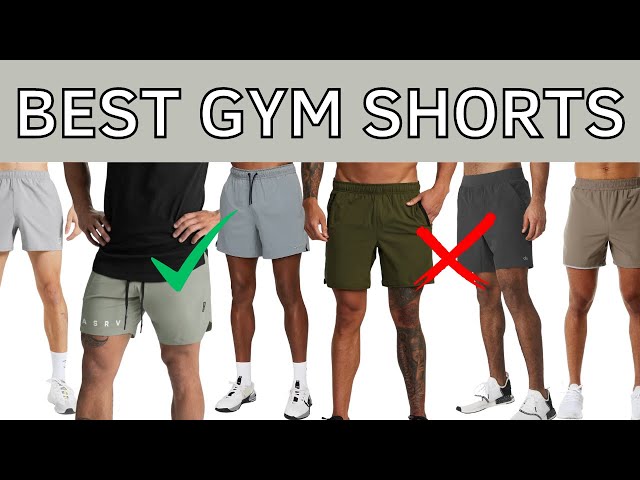
Today, gym shorts come in many styles, colors, and cuts. While it’s tempting to focus on looks, always put function first. Here’s how to find the right balance:
- Choose classic colors (black, navy, gray) for versatility.
- Match fit to activity—use slimmer, stretchier shorts for dynamic workouts.
- Avoid extra details (zippers, graphics, oversized logos) that can get in the way.
- If you like bold styles, save them for lighter workouts or casual wear.
Remember, confidence comes from feeling comfortable and prepared—not just from looking stylish.
Care And Maintenance: Keeping Your Shorts Fitting Well
Proper care keeps gym shorts looking and fitting like new. Some tips:
- Wash in cold water to prevent shrinking.
- Air dry instead of machine drying to avoid damage to elastic waistbands.
- Avoid fabric softener (it can reduce moisture-wicking abilities).
- Check for signs of wear—loose seams, stretched waistbands, or fading fabric mean it’s time for a new pair.
- Rotate between pairs to prolong their life and keep each pair fresh.
If you notice shorts losing their shape or fit, replace them. Worn-out shorts can cause chafing or discomfort.
Non-obvious Insights Most Beginners Miss
- Inseam Impacts Comfort More Than You Think: Many beginners focus only on waist size and ignore inseam. But inseam length affects coverage, freedom of movement, and how shorts look on your legs. Try different inseam lengths to find what feels best for your build and activity.
- Fabric Weight Changes Fit: Lightweight fabrics tend to move and stretch more, while heavier fabrics stay put but may restrict quick movements. For activities with lots of jumping or running, lighter fabric is better, but for cycling or lifting, a slightly heavier material can add support.
- Drawstrings Are Essential: If you move between exercises quickly, a drawstring keeps your shorts secure even if the elastic wears out over time. Many people overlook this until they experience a wardrobe malfunction.
- Wash Methods Affect Fit: Repeated hot drying can shrink or warp shorts, especially those with spandex. Always check the care label—proper washing keeps the fit consistent.
Gym Shorts Fit Checklist
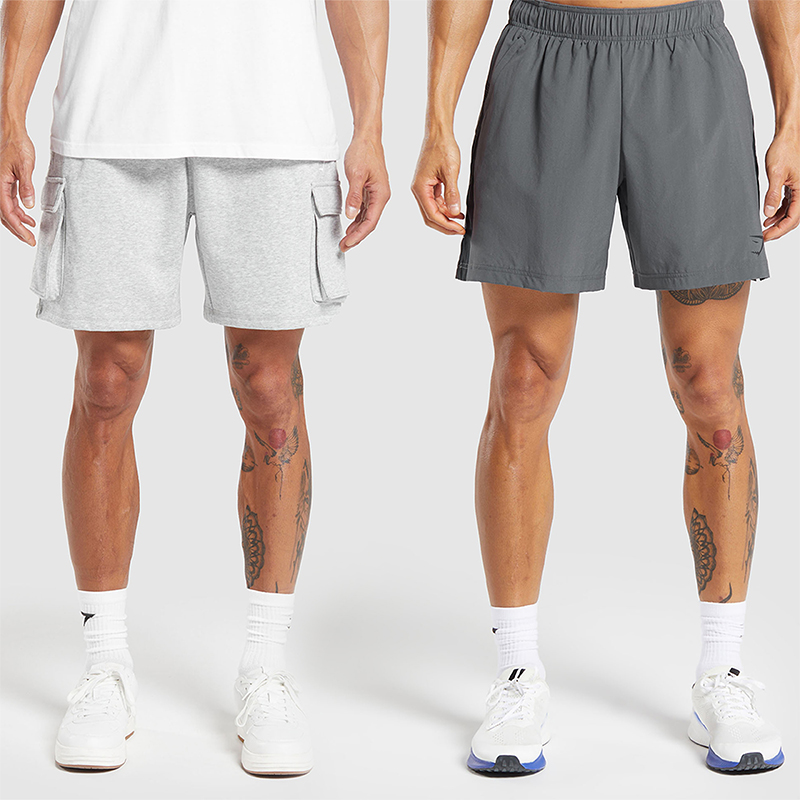
If you want a quick way to judge if your gym shorts fit right, check these points:
- Waistband sits above hips, not pinching or sliding
- Shorts stay in place during jumping or running
- No restriction when squatting or lunging
- Leg openings cover thighs but do not squeeze
- Pockets (if any) do not sag or bounce
- Fabric stretches as you move, but returns to shape
- Liner (if present) is comfortable and does not ride up
- Length feels right for your activity
Credit: row.gymshark.com
When To Replace Your Gym Shorts
A good pair of gym shorts should last through many workouts, but nothing lasts forever. Replace your shorts if you notice:
- Elastic loses stretch and shorts start slipping down
- Fabric becomes thin or develops holes
- Seams start to fray or come apart
- Stains or odors won’t come out after washing
High-quality gym shorts can last hundreds of wears with proper care, but always prioritize comfort and performance over sentiment.
Data: What Do Most People Prefer?
Surveys from fitness communities show interesting trends:
- About 60% of men and 50% of women prefer a 7–9 inch inseam for gym shorts.
- 75% of people choose polyester blends for gym workouts.
- Over 80% say a drawstring plus elastic waistband is a must-have.
- Only 35% regularly use gym shorts with built-in liners, but those who do are less likely to experience chafing.
This shows that most people want a balance of length, comfort, and practical features.
Gym Shorts For Women: Special Considerations
Women often face unique challenges with gym shorts fit. Here’s what to consider:
- Waist-to-hip ratio: Women’s shorts are often cut differently at the waist and hips. Look for brands that cater to your shape.
- Rise: High-rise shorts can offer more coverage and stay in place during intense movements.
- Built-in liners: Many women’s gym shorts include liners for extra support and modesty.
- Leg openings: Tapered cuts help shorts fit better on slimmer legs, while flared openings suit more muscular builds.
Women should also be aware of the transparency of fabric, especially in lighter colors. Always check in bright light before wearing new shorts to the gym.
Gym Shorts For Men: Special Considerations
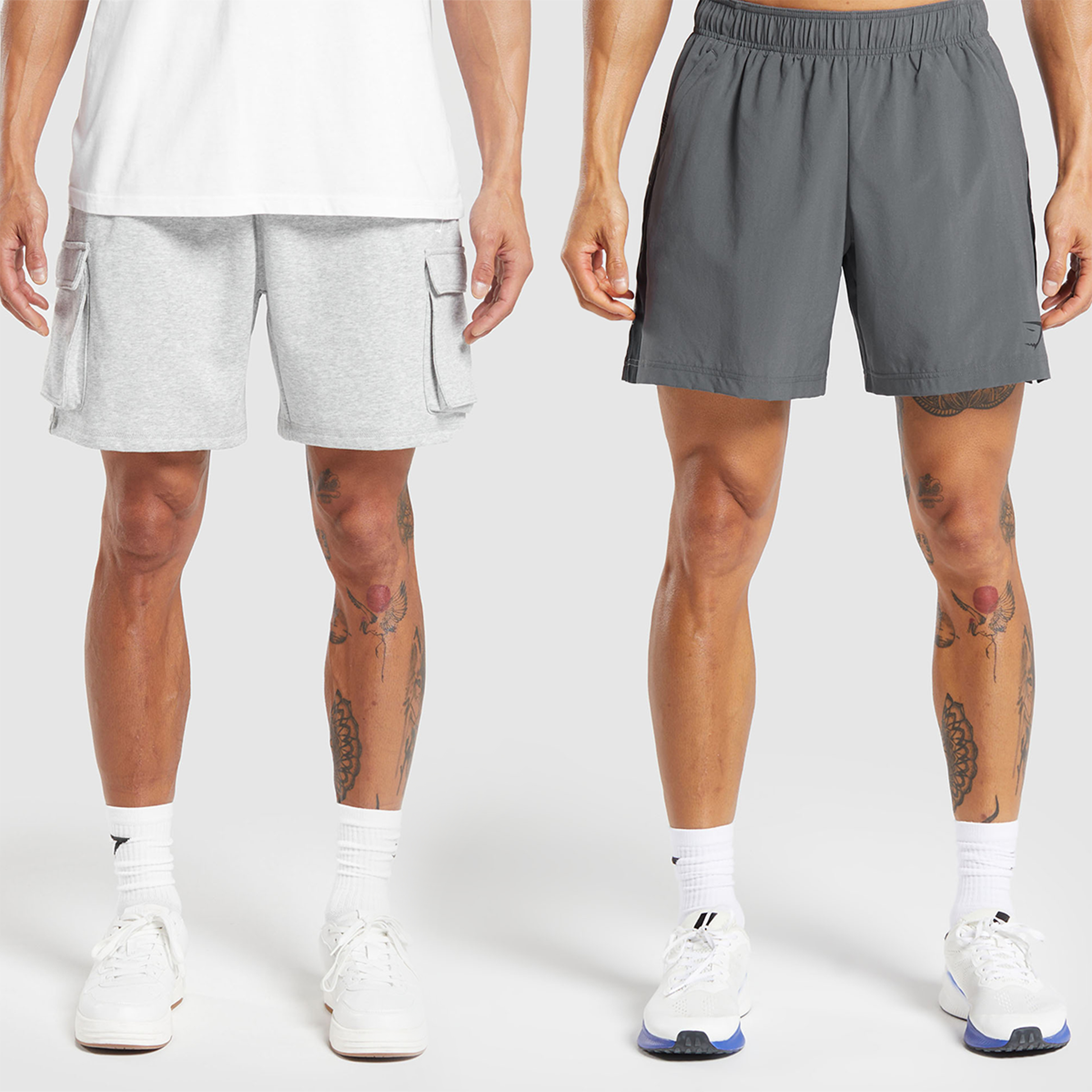
While the basics remain the same, men’s shorts often focus more on inseam length and pocket placement. Key points:
- Longer inseams are popular for sports like basketball.
- Pockets are usually deeper, but make sure they don’t swing or bounce during movement.
- Some men prefer shorts with compression liners for extra support during high-intensity training.
Men with larger thighs may need to look for specific “athletic fit” options, as regular cuts can feel too tight.
Credit: row.gymshark.com
Sustainable And Ethical Gym Shorts: Does It Affect Fit?
Many brands now offer eco-friendly gym shorts made from recycled polyester or organic cotton. These can fit just as well as traditional options, but sometimes have less stretch or feel different against the skin.
If you’re interested in sustainable choices, look for:
- Shorts certified by reputable organizations (like OEKO-TEX or Fair Trade)
- Blends with recycled spandex or PET plastic
- Honest reviews about fit and comfort
Eco-friendly shorts may cost more but can last longer and feel softer for many users. For more about sustainable sportswear, visit the Sustainable Fashion Wikipedia page.
Gym Shorts Fit: Quick Visual Guide
Here’s a simple table to help you decide which gym shorts fit is best for your needs:
| Activity | Recommended Fit | Inseam Length | Fabric Type |
|---|---|---|---|
| Running | Slim, with liner | 5–7 inches | Polyester/Nylon blend |
| Weightlifting | Regular, stretchy | 7–9 inches | Polyester/Spandex |
| Basketball | Loose, longer | 9–11 inches | Polyester |
| Yoga | Slim, soft | 7 inches | Cotton/Spandex |
| HIIT/CrossFit | Slim, secure waistband | 7 inches | Polyester/Nylon |
This guide isn’t strict—adjust based on your personal comfort and body shape.
Frequently Asked Questions
How Tight Should Gym Shorts Be?
Gym shorts should be snug at the waist without pinching, and loose enough in the legs to allow full movement. They should not feel restrictive or leave marks on your skin. If you notice discomfort during squats or stretches, your shorts may be too tight.
Can I Wear Underwear With Gym Shorts That Have A Liner?
Most gym shorts with a built-in liner are designed to be worn without additional underwear. The liner provides support and helps prevent chafing. Wearing underwear under lined shorts can cause bunching and discomfort, but some people still prefer the extra layer.
How Do I Prevent Gym Shorts From Riding Up?
Choose shorts with a slightly wider leg opening and stretchy fabric, especially if you have muscular thighs. Liners or compression shorts underneath can also help. Testing the shorts by doing squats or lunges before buying can reveal if they ride up.
Are Longer Gym Shorts Better For All Sports?
Not always. Longer shorts offer more coverage, which is good for basketball or casual gym sessions, but can restrict movement in running or HIIT workouts. Pick the length based on your primary activity and personal comfort.
How Do I Know When It’s Time To Replace My Gym Shorts?
Replace your gym shorts when you notice lost elasticity, visible wear, holes, thin spots, or persistent odors even after washing. Worn-out shorts can cause chafing and won’t support you properly during exercise.
Finding the right fit for gym shorts is a mix of science and personal preference. Take time to try different styles, pay attention to fabric and features, and always prioritize comfort and freedom of movement. With the right pair, you’ll enjoy better workouts—and look good doing it.
