

How Much Do Gym Clothes And Shoes Weigh? Surprising
How Much Do Gym Clothes And Shoes Weigh
Getting ready for the gym often means more than just picking out a workout routine. What you wear can make a difference—sometimes, even the weight of your gym clothes and shoes matters. You might wonder if those extra grams slow you down, affect your performance, or even change your weigh-in results. Whether you’re an athlete checking body weight, someone packing for a trip, or just curious, knowing the real weight of gym gear is useful. Let’s look at the actual numbers, what makes the difference, and why it matters more than most people think.
Why Gym Clothes And Shoes Weight Matters
Many people overlook the weight of gym clothes and shoes. But in certain situations, it can be important:
- Athletes and weight classes: Boxers, wrestlers, and martial artists often need to weigh themselves without extra clothing weight.
- Travelers: If you pack gym gear in your suitcase, every gram counts for airline limits.
- Fitness tracking: People tracking weight loss want accurate measurements.
- Performance sports: Cyclists, runners, and rowers sometimes focus on the lightest gear possible.
A small difference in clothing weight can impact your mindset, comfort, or even your final results. This article breaks down how much each item usually weighs, what affects their weight, and how to choose gear that fits your needs.
Average Weights Of Common Gym Clothes And Shoes
Understanding the typical weight of each gym item helps you plan better. The numbers below are based on standard adult sizes (medium for men and women), but real weights can vary by brand, size, and material.
| Item | Average Weight (grams) | Average Weight (ounces) |
|---|---|---|
| T-shirt (synthetic) | 120–180 | 4.2–6.3 |
| T-shirt (cotton) | 160–220 | 5.6–7.8 |
| Tank top | 80–130 | 2.8–4.6 |
| Sports bra | 60–120 | 2.1–4.2 |
| Shorts (synthetic) | 80–150 | 2.8–5.3 |
| Shorts (cotton) | 120–220 | 4.2–7.8 |
| Leggings | 160–260 | 5.6–9.2 |
| Sweatpants | 300–500 | 10.6–17.6 |
| Hoodie | 400–700 | 14.1–24.7 |
| Lightweight sneakers | 400–600 (pair) | 14.1–21.2 |
| Running shoes | 500–700 (pair) | 17.6–24.7 |
| Cross-trainers | 600–900 (pair) | 21.2–31.7 |
| Socks (pair) | 30–60 | 1.1–2.1 |
| Headband | 15–25 | 0.5–0.9 |
| Wristbands (pair) | 20–40 | 0.7–1.4 |
| Gloves (pair) | 60–120 | 2.1–4.2 |
The numbers above are a good starting point. Actual weight can change based on fit, design, and materials.
Factors That Affect Gym Clothes And Shoes Weight
Not all gym gear is created equal. Here are the main things that change the weight of what you wear:
1. Material
- Cotton is heavier than synthetic fibers like polyester or nylon.
- Blends (mix of cotton and synthetic) usually fall in between.
- Technical fabrics (moisture-wicking, mesh) tend to be lighter.
2. Size And Fit
- Larger sizes naturally weigh more.
- Loose or oversized clothing uses more fabric.
- Snug fits or compression gear are lighter for the same size.
3. Design Details
- Pockets, zippers, and linings add grams or even ounces.
- Embroidered logos, thick waistbands, or double layers increase weight.
- Minimalist, simple designs are usually lighter.
4. Shoe Construction
- Running shoes with thick soles are heavier than minimalist trainers.
- Support features (arch support, heel cups, extra padding) add weight.
- Lighter shoes might not have as much cushioning.
5. Moisture And Sweat
- Dry clothes are lighter. After a hard workout, sweat can add 5–10% to your gear’s weight.
- Cotton holds more sweat, so it gets heavier than synthetics.
6. Accessories
- Headbands, wristbands, gloves, and socks each add small amounts, but together can be noticeable.
A common mistake is assuming all “gym outfits” weigh about the same. In reality, two outfits can differ by several hundred grams.
How Much Does A Full Gym Outfit Weigh?
Let’s put together a typical gym outfit and see the total weight. Here’s an example for both men and women using average numbers:
Example: Men’s Typical Gym Outfit
- Synthetic T-shirt: 150g
- Synthetic shorts: 110g
- Socks (pair): 40g
- Lightweight sneakers (pair): 500g
- Headband: 20g
Total: 820g (about 1.8 lbs)
Example: Women’s Typical Gym Outfit
- Sports bra: 90g
- Tank top: 100g
- Leggings: 200g
- Socks (pair): 40g
- Running shoes (pair): 600g
- Headband: 20g
Total: 1,050g (about 2.3 lbs)
Cold Weather Outfit Additions
Add sweatpants (400g) and a hoodie (500g) and you can easily add nearly a kilogram (2 lbs) more.
Gym Shoes: Why Weight Matters
Shoes are often the heaviest part of a gym outfit. Here’s why their weight is important:
- Speed and agility: Lighter shoes help in running, HIIT, or plyometrics.
- Stability: Heavier shoes may offer more support for weightlifting but can slow quick movements.
- Travel: When packing, shoes can be the biggest part of your gym bag’s weight.
- Injury prevention: Too heavy shoes can lead to fatigue and slower reaction times.
Here’s a comparison of common gym shoes’ weights:
| Shoe Type | Average Weight (per pair) | Best Use |
|---|---|---|
| Minimalist/Training shoes | 350–500g | HIIT, Crossfit, agility |
| Running shoes | 500–700g | Cardio, running |
| Cross-trainers | 600–900g | General gym use |
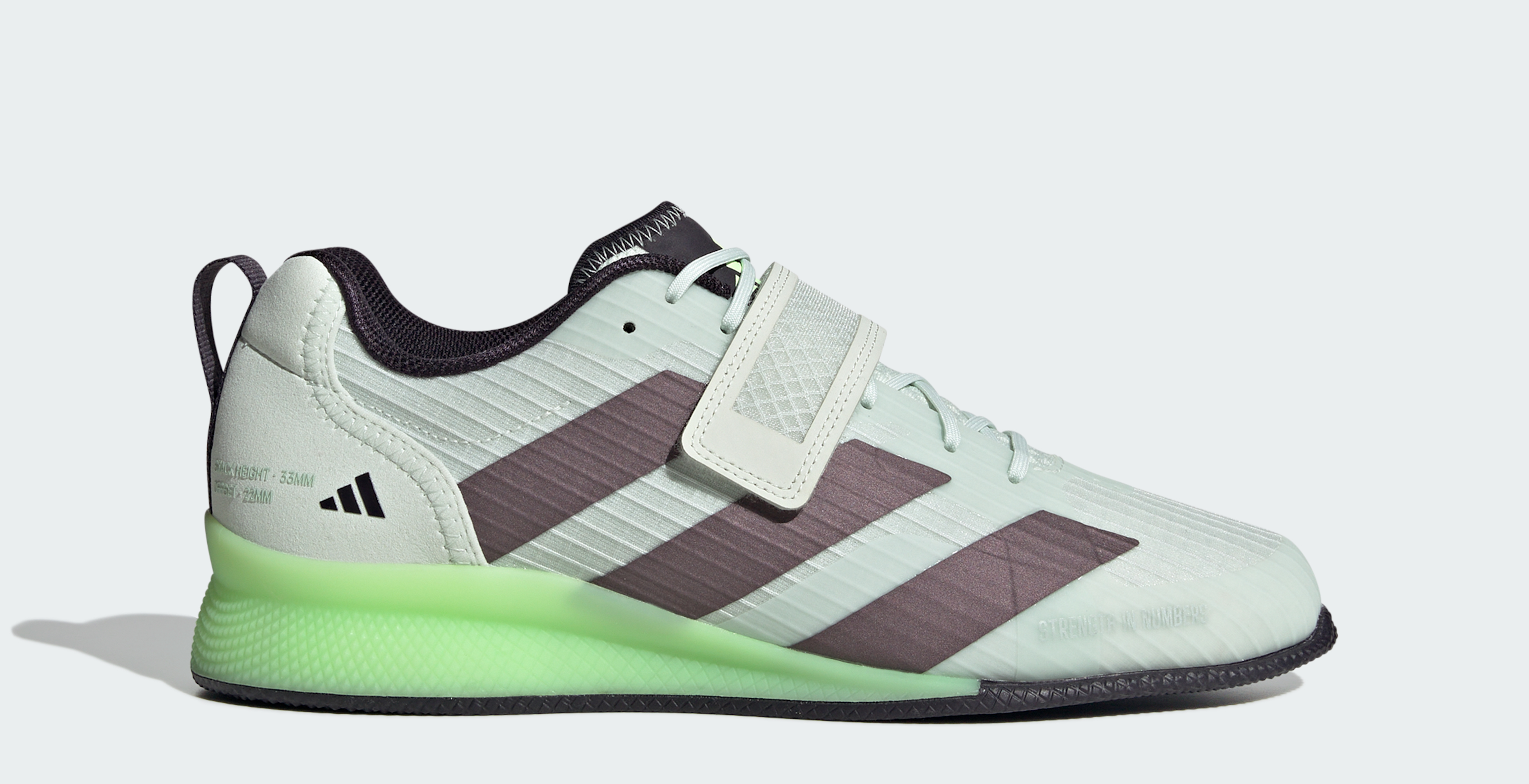
| Weightlifting shoes | 700–1000g | Strength training |
| Basketball shoes | 800–1200g | Sports, multi-use |
When choosing, think about what movements you’ll do most often.
Layering Gym Clothes: How Weight Adds Up
Many people wear layers for comfort or warmth. Each piece adds weight, sometimes more than you realize.
Layering Example
Imagine you layer up for a winter jog:
- Compression shirt: 100g
- Long-sleeve top: 180g
- Hoodie: 500g
- Leggings: 200g
- Sweatpants: 400g
- Socks: 50g
- Running shoes: 650g
Total: 2,080g (about 4.6 lbs)
This is more than double a basic summer outfit. For athletes or those watching their scale, this makes a big difference. Many beginners are surprised by how heavy layered gym wear can feel after sweating.

Credit: www.amazon.com
How Gym Clothes Weight Impacts Weigh-ins
If you use a gym scale, the weight shown includes everything you’re wearing. This can lead to confusion:
- A T-shirt and shorts may add 200–300g.
- Sweatpants and hoodie can add up to 1kg (2 lbs).
- Shoes alone add 400–900g.
For the most accurate body weight, always weigh yourself in the same clothes, or better, without clothes. Even a small change in what you wear can change your results and affect your progress tracking.
Non-obvious insight: If you switch from heavy cotton to light synthetics, your “lost weight” might just be lighter clothes.
Packing Gym Clothes And Shoes: What To Know
Travelers need to know the true weight of their workout gear. Here’s what matters:
- Shoes are usually the heaviest single item.
- Hoodies and sweatpants can be surprisingly heavy and take up a lot of space.
- Multipurpose items (like a tank top you sleep in) can reduce packing weight.
- Quick-dry synthetics are lighter and easier to pack than cotton.
Experienced travelers often choose the lightest shoes and clothes that still get the job done.
Men's Gym Clothes: Detailed Weights
Let’s break down the most common men’s gym clothes and their typical weights:
- T-shirts: 120–220g, depending on fabric and fit. Synthetics are lighter and dry faster.
- Tank tops: 80–130g, best for hot environments or high-intensity workouts.
- Shorts: 80–220g. Running shorts are usually lighter than basketball or cotton shorts.
- Leggings: 160–260g, often worn for support or under shorts in cold weather.
- Sweatpants: 300–500g, good for warmth but heavy when wet.
- Hoodies: 400–700g, popular for warm-ups or cool-downs.
- Socks: 30–60g. Thicker socks for running or lifting add a few grams.
- Gloves: 60–120g (pair), used for lifting to prevent calluses.
- Headbands/Wristbands: 15–40g each, mostly for sweat management.
- Shoes: 400–900g (pair), heaviest part of the outfit.
A full men’s summer gym outfit is often under 1kg, while winter outfits can reach 2kg or more.
Women's Gym Clothes: Detailed Weights
Women’s gym wear offers more variety. Here’s how much each main item weighs:
- Sports bras: 60–120g, depending on support level.
- Tank tops/T-shirts: 80–180g. Racerback styles are lighter.
- Leggings: 160–260g. Full-length leggings are heavier than capris.
- Shorts: 80–150g for synthetics.
- Sweatpants: 300–500g, often worn over leggings.
- Hoodies: 400–700g, zippered models are heavier.
- Socks: 30–60g, ankle socks are lightest.
- Headbands/Wristbands: 15–40g, useful for sweat.
- Gloves: 60–120g, used for weightlifting or cycling.
- Shoes: 400–900g, running shoes are usually lighter than cross-trainers.
Like men’s gear, a basic outfit is under 1kg, but layering or adding shoes can double the total.
Kids’ Gym Clothes And Shoes: What’s Different?
Kids’ gym wear is lighter—smaller sizes mean less fabric. For example:
- T-shirt: 60–100g
- Shorts: 50–90g
- Socks: 15–30g
- Shoes: 250–400g (pair)
A full kid’s gym outfit often weighs less than 500g. Still, synthetic fabrics are lighter and dry faster, which is useful for kids who sweat a lot or play sports.
How To Choose The Right Weight For Your Gym Gear
Picking the perfect gym clothes weight depends on your goals:
- Performance sports: Choose lightweight, technical fabrics.
- Strength training: Heavier, more supportive gear may be better.
- Travel: Go for the lightest, most packable clothes and shoes.
- Comfort: Some prefer heavier, “cozy” materials for warmth.
Non-obvious tip: Don’t sacrifice durability for lightness. Some ultra-light gear wears out faster, so a slightly heavier item might last longer.
What Items Add Hidden Weight?
Some small items add up:
- Phones, earbuds, keys: Many people forget these when weighing themselves.
- Water bottles: Even half-full, they can add 250g or more.
- Towel: Small gym towels can be 100–200g.
- Watches or fitness trackers: Usually 20–60g, but still count if you’re measuring closely.
If you want accurate weigh-ins, remove these extras.
Weighing Your Gym Gear: How To Do It
If you want to check the real weight of your gym clothes and shoes, here’s the best method:
- Use a kitchen or luggage scale for clothes, and a bathroom scale for shoes.
- Weigh each item dry, and again after a workout to see how much sweat adds.
- Note the weight of accessories (headbands, gloves, socks) separately.
This helps you pack smarter, plan workouts, or track progress more accurately.
Credit: www.adidas.com
Should You Care About Gym Clothes Weight?
For most people, the weight difference is small. However, there are situations where it matters:
- Weigh-ins for athletes: Even 100g can change a weight class.
- Travel: Packing light saves space and money.
- Running and cycling: Light gear improves performance.
- Accurate tracking: Consistent clothing means consistent results.
If you’re an elite athlete, traveler, or detail-focused person, pay attention. Otherwise, comfort and fit may matter more.
Real-world Examples
- A boxer changing from full sweats to just shorts before a weigh-in can instantly “lose” 1kg.
- Backpackers often cut shoe weight by bringing minimalist trainers (sometimes half the weight of standard sneakers).
- Runners swapping heavy cross-trainers for racing flats can drop 200g per shoe, making a big difference on long runs.
These cases show that even small weight changes can have a real impact.

Credit: www.amazon.com
Comparing Gym Clothes Weight By Brand
Different brands have different priorities—some focus on ultra-light gear, others on durability or comfort. For example:
| Brand | Men’s T-shirt (g) | Women’s Leggings (g) | Running Shoes (pair, g) |
|---|---|---|---|
| Nike | 130–160 | 180–220 | 550–650 |
| Adidas | 140–170 | 170–210 | 540–680 |
| Under Armour | 125–155 | 160–200 | 500–600 |
| Reebok | 135–165 | 180–230 | 520–670 |
Weights can change with new models, but this comparison gives an idea of differences between brands.
Mistakes To Avoid When Considering Gym Clothes Weight
- Ignoring sweat: Wet clothes are much heavier, especially with cotton.
- Only looking at one item: The total outfit is what matters, not just shoes or a shirt.
- Not considering accessories: Headbands, towels, and gloves add up.
- Using non-standard sizes: If you wear XL or XS, adjust expected weights.
- Packing heavy hoodies or shoes for travel: They can push you over baggage limits.
Learning from others’ mistakes will help you choose and use your gym gear more wisely.
How To Make Your Gym Kit Lighter
If you want to reduce the weight you carry, try these steps:
- Switch to synthetic fabrics for shirts, shorts, and leggings.
- Choose minimalist or lightweight shoes for cardio workouts.
- Use thin, technical socks.
- Leave heavy accessories at home.
- Only bring what you need—one layer is usually enough indoors.
Lightening your kit can make workouts more enjoyable and travel easier.
Gym Clothes Weight And Performance
The effect of gym gear weight on performance is often small, but can be noticeable in certain activities:
- Running: Every 100g per shoe can slow you by about 1% over long distances.
- Jumping sports: Lighter clothes and shoes mean less effort.
- Weightlifting: Heavier, stable shoes may help, but heavy clothes aren’t needed.
Choose gear that matches your main activity.
Summary
The weight of gym clothes and shoes might seem minor, but it can matter in sports, travel, and fitness tracking. Most gym outfits weigh between 800g and 2kg, with shoes being the heaviest part. Materials, design, and sweat all change the numbers. For athletes, travelers, and anyone watching the scale, paying attention to gear weight leads to better choices and more accurate results. For most people, comfort and fit should come first—but knowing what adds weight helps you make smart decisions.
If you want to explore more about sports apparel materials and how they affect performance, you can check this Wikipedia article on sportswear.
Frequently Asked Questions
How Much Heavier Are Cotton Gym Clothes Compared To Synthetic Ones?
Cotton gym clothes are usually 20–40% heavier than synthetic options of the same size. For example, a cotton T-shirt might weigh 200g, while a polyester version could be 140g. Cotton also absorbs more sweat, which makes it even heavier during workouts.
Do Wet Gym Clothes Weigh A Lot More After Exercise?
Yes, wet gym clothes can be 5–10% heavier or more. Cotton holds more moisture, so a sweaty T-shirt can easily gain 20–40g. Synthetics dry faster and don’t hold as much sweat, staying lighter.
How Much Do Typical Gym Shoes Weigh?
Most gym shoes (a pair) weigh between 400–900g, depending on type and size. Lightweight trainers are around 400–500g, running shoes 500–700g, and cross-trainers or weightlifting shoes can be up to 1,000g.
Does The Weight Of Gym Clothes Affect My Weigh-in At The Gym?
Yes. Even a basic gym outfit can add 500g or more to your scale reading. Shoes, sweatpants, and hoodies add the most. For the most accurate body weight, weigh yourself in minimal clothing or the same outfit every time.
Should I Worry About Gym Clothes And Shoes Weight When Traveling?
If you travel, it’s smart to choose lighter gym clothes and shoes to save baggage weight. Shoes and hoodies are the heaviest items. Synthetic fabrics are best—they’re lighter, pack smaller, and dry quickly if washed.
Now you know how much your gym clothes and shoes really weigh—and why it matters. Use these insights to make better choices for sports, travel, or just feeling comfortable while you work out.
