

Can Sweaty Gym Clothes Cause Yeast Infection? What You Need to Know
Can Sweaty Gym Clothes Cause Yeast Infection
Staying active is great for your health, but few people think about what happens to their bodies after a tough workout—especially when it comes to sweaty gym clothes. You finish exercising, feel energized, and may even chat with friends or scroll your phone before changing out of your damp clothes. But can this habit lead to problems like a yeast infection? Many people, especially women, worry about this but are unsure if the risk is real or just a myth.
Understanding the connection between sweat, gym attire, and yeast infections is important for anyone who exercises regularly. While working out is good for your body, certain habits can create the perfect environment for yeast to grow. This article explores how sweaty gym clothes may cause yeast infections, who is most at risk, the science behind it, and practical steps you can take to protect yourself.
What Is A Yeast Infection?
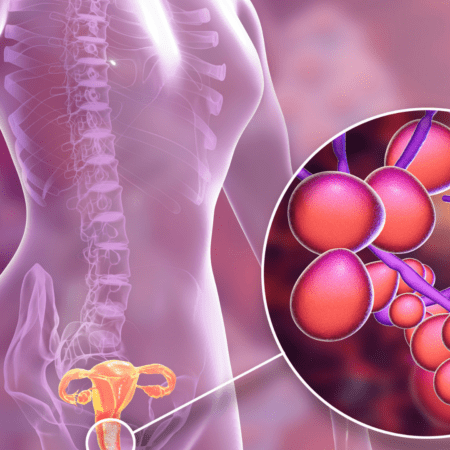
A yeast infection is a common fungal infection caused mainly by Candida albicans. This fungus naturally lives on your skin and inside your body, including your mouth, throat, gut, and vagina. Normally, it doesn’t cause any problems because your immune system and other microorganisms keep it under control.
However, when conditions change—like increased moisture, warmth, or changes in your body’s balance—Candida can grow too much and cause an infection. Yeast infections often affect areas where skin folds or stays moist, such as the vagina, under the breasts, armpits, and groin.
Symptoms Of A Yeast Infection
Recognizing the symptoms helps you take action early. Some common signs include:
- Itching or burning in affected areas
- Redness or rash
- Swelling
- Thick, white vaginal discharge (resembles cottage cheese)
- Pain during urination or sex (for vaginal infections)
- Cracking or soreness in skin folds
Yeast infections are not dangerous for most healthy people, but they can be uncomfortable and sometimes get worse if not treated.
Why Do Yeast Infections Happen?
Yeast infections occur when the balance between Candida and other microorganisms is disrupted. Some common causes include:
- Taking antibiotics (which kill good bacteria)
- Hormonal changes (such as pregnancy, menstruation, or birth control)
- Diabetes or high blood sugar
- Weakened immune system
- Warm, humid environments
- Wearing damp or tight clothing
Understanding these causes helps explain why gym habits may play a role.
How Sweat And Clothing Affect Yeast Growth
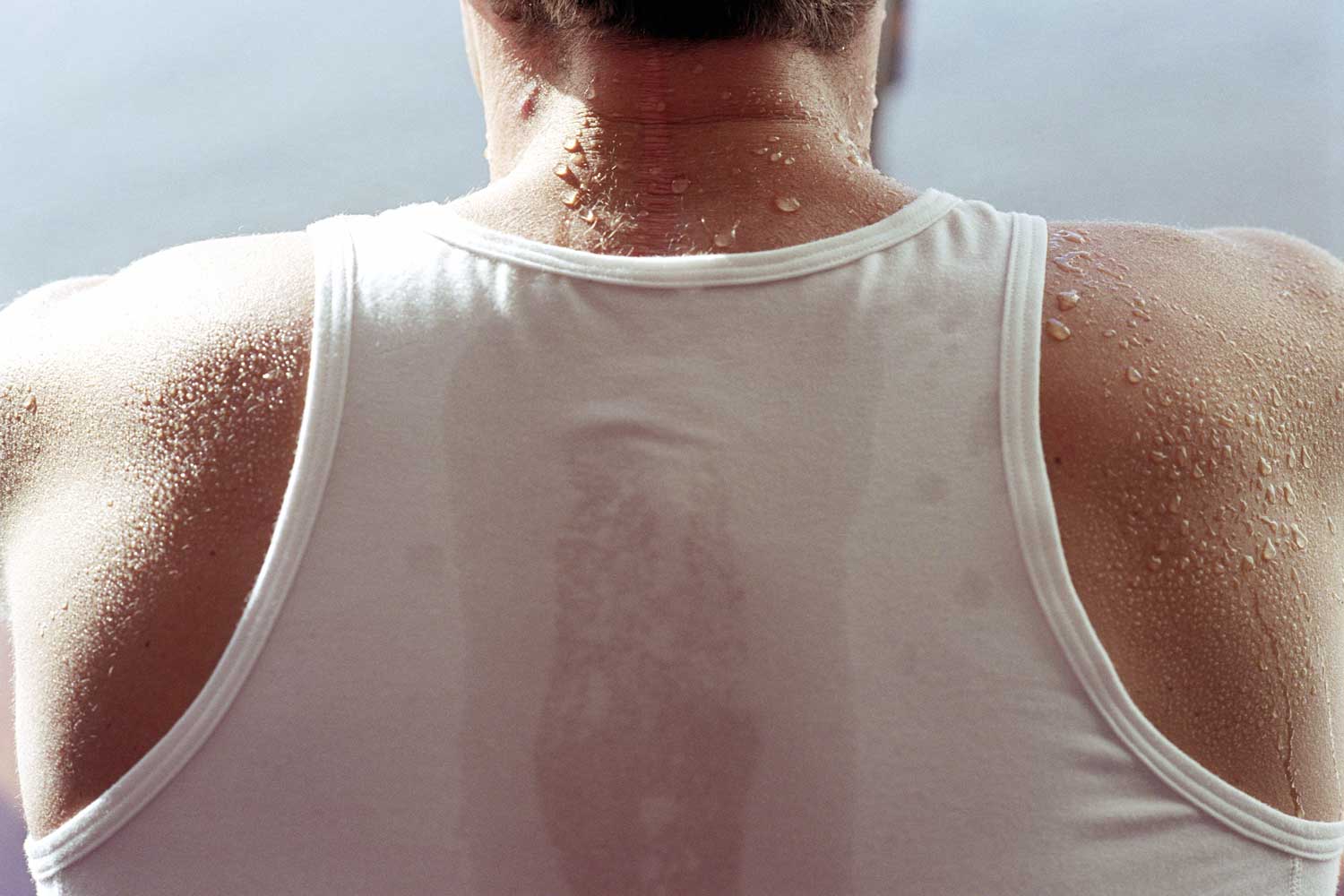
When you exercise, your body produces sweat to cool down. This sweat collects on your skin and clothing, creating a warm, moist environment. These are exactly the conditions that yeast likes to grow in.
Why Sweat Matters
Sweat itself is mostly water, but it also contains salts, oils, and small amounts of other substances. When sweat gets trapped against your skin by tight or non-breathable clothing, several things happen:
- Moisture stays on your skin for a longer time.
- Skin may become irritated or softer, making it easier for yeast to enter.
- The area warms up, especially in body folds or places where clothing is tight.
The Role Of Gym Clothes
Not all gym clothes are created equal. Some materials, like cotton, absorb sweat but can stay wet for a long time. Others, like synthetic fabrics, may trap heat and moisture against the skin unless they are specifically designed to wick moisture away.
Tight clothing can make things worse by increasing friction and trapping more heat and sweat. This is why people who wear tight leggings, sports bras, or compression shorts during workouts may be at a higher risk if they stay in their sweaty clothes too long.

Credit: azoproducts.com
The Science: How Sweaty Gym Clothes Can Cause Yeast Infections
Let’s look at the science behind the connection. Candida albicans grows best in warm, moist, and dark places. When you exercise, especially in warm environments or during intense activity, your body temperature rises and you sweat more. If you do not change out of your gym clothes quickly, these conditions can last for hours.
Here’s how it happens step by step:
- Exercise produces sweat, especially in areas like the groin, underarms, and under the breasts.
- Sweat soaks into clothes, especially if they are tight or made from non-breathable materials.
- Skin stays warm and wet, which weakens the skin’s natural barrier.
- Candida multiplies rapidly in these conditions, especially if your body’s defenses are already low.
- The combination of friction, moisture, and heat increases the risk of tiny skin breaks, allowing yeast to enter and cause infection.
Real-world Example
Athletes, dancers, and people who do hot yoga often wear tight, sweat-absorbing clothes. Studies have found that these groups are more likely to report yeast infections than those who change clothes quickly or use moisture-wicking fabrics.
Who Is Most At Risk?
Anyone can get a yeast infection, but some people are at higher risk due to their habits, body type, or health conditions.
Higher Risk Groups
- Women: Vaginal yeast infections are much more common in women, especially those who wear tight leggings or synthetic underwear.
- People with diabetes: High blood sugar can help yeast grow.
- Individuals with weakened immune systems: This includes people on certain medications or with chronic illnesses.
- Athletes and fitness enthusiasts: Regular sweating and staying in workout clothes longer increases risk.
- Overweight individuals: More skin folds mean more places for sweat and yeast to collect.
Habits That Increase Risk
- Not changing out of sweaty clothes quickly
- Reusing unwashed gym clothes
- Wearing underwear made of non-breathable materials
- Using panty liners or pads for long periods during exercise
- Showering infrequently after workouts
Comparing Fabrics: Which Gym Clothes Are Safest?
The type of fabric you wear at the gym makes a big difference. Some materials help keep you dry and cool, while others make yeast growth more likely.
Here is a comparison of common gym clothing materials:
| Fabric Type | Moisture Wicking | Breathability | Drying Speed | Risk for Yeast |
|---|---|---|---|---|
| Cotton | Poor | Good | Slow | Higher |
| Polyester (Moisture-wicking) | Excellent | Good | Fast | Lower |
| Nylon | Good | Fair | Fast | Moderate |
| Spandex/Lycra | Fair | Poor | Moderate | Higher |
| Merino Wool | Good | Excellent | Fast | Lower |
Cotton feels comfortable but holds moisture. Synthetic fabrics like polyester and nylon are better if they are moisture-wicking. Merino wool is an option for people who want natural fibers that dry quickly.
Myths And Facts About Yeast Infections And Gym Clothes
There are many myths about yeast infections and exercise. Let’s clear up some common misunderstandings.
Myth 1: Only Women Get Yeast Infections From Gym Clothes
Fact: Men can also get yeast infections, especially in the groin area (sometimes called jock itch). The risk is lower for men, but not zero.
Myth 2: All Synthetic Fabrics Cause Yeast Infections
Fact: Not all synthetic fabrics are bad. Moisture-wicking synthetics are specially designed to pull sweat away from the skin, helping keep you dry.
Myth 3: Using Perfumed Sprays Or Powders Prevents Infection
Fact: Sprays and powders may mask odor but can irritate the skin or disrupt the balance of good bacteria, actually increasing the risk of infection.
Myth 4: You Must Stop Exercising To Avoid Yeast Infections
Fact: Exercise itself is not the problem. It’s the combination of sweat, tight clothes, and not changing quickly that increases your risk.
How To Prevent Yeast Infections From Sweaty Gym Clothes
You can enjoy your workout and lower your risk of yeast infection with a few smart changes.
1. Choose The Right Clothing
- Wear moisture-wicking fabrics: Look for gym clothes labeled “moisture-wicking” or “breathable.”
- Avoid very tight clothing: Looser clothes allow air to circulate.
- Cotton underwear: If possible, wear underwear made from 100% cotton or other breathable materials.
2. Change Clothes Quickly After Exercise
- Do not stay in sweaty clothes: Change as soon as your workout is done.
- Bring spare clothes: Keep a fresh set in your gym bag.
- Use a towel: Dry off sweat before putting on clean clothes.
3. Shower Soon After Your Workout
- Shower within 30 minutes: Use mild, unscented soap and warm water.
- Dry thoroughly: Pay special attention to skin folds, under the breasts, groin, and armpits.
4. Wash Gym Clothes Properly
- Launder after every use: Do not reuse unwashed gym clothes.
- Use hot water: This helps kill yeast and bacteria.
- Dry completely: Never wear slightly damp clothes.
5. Take Extra Care During Certain Times
- If you are on antibiotics: Be extra cautious, as your body’s balance of bacteria is lower.
- During menstruation or pregnancy: Hormonal changes can make you more prone to infection.
6. Use Unscented Hygiene Products
- Avoid scented wipes, sprays, and powders: They can irritate sensitive skin and disrupt healthy bacteria.
7. Practice Good Personal Hygiene
- Wipe front to back after using the toilet.
- Wear loose clothing at home when possible.
- Limit use of panty liners or pads when not needed.
Signs You Should See A Doctor
Most yeast infections are mild and go away with over-the-counter treatments. However, you should see a healthcare professional if:
- Symptoms last longer than a week
- You have frequent infections (more than 4 per year)
- You have a fever, chills, or feel very unwell
- The infection spreads to other areas
- You are pregnant, diabetic, or have a weakened immune system
Prompt treatment helps prevent complications and ensures you feel your best.
What Research Says About Gym Habits And Yeast Infections
Several studies have explored the link between clothing, sweat, and yeast infections. Here are some key findings:
- Women who wear tight, non-breathable clothing are more likely to report vaginal yeast infections.
- Moisture-wicking fabrics reduce the risk by keeping skin dry.
- Extended use of damp clothing after exercise increases the chances of skin irritation and fungal growth.
- Proper laundry practices can reduce yeast on clothing by over 90%.
One study published in a peer-reviewed medical journal found that changing out of sweaty workout clothes within one hour cut the risk of yeast infections by nearly half compared to those who waited several hours.
Comparing Post-workout Habits: Risk Level
The way you handle your gym routine can make a big difference. Here’s a comparison of common post-exercise habits:
| Post-Workout Habit | Risk Level for Yeast Infection | Recommended? |
|---|---|---|
| Changing clothes immediately | Low | Yes |
| Staying in sweaty clothes for hours | High | No |
| Showering soon after workout | Low | Yes |
| Reusing unwashed gym clothes | High | No |
| Wearing moisture-wicking fabrics | Low | Yes |
Quick changes and good hygiene habits are simple ways to stay healthy.
Two Insights Most Beginners Miss
- Laundry matters as much as clothing choice: Even if you wear the best fabrics, reusing unwashed gym clothes can reintroduce yeast and bacteria to your skin. Always wash workout gear after each use.
- Skin care before and after workouts is key: Moisturizing with a non-greasy, fragrance-free lotion after showering can help keep the skin barrier strong, making it harder for yeast to take hold, especially in areas prone to friction.
What To Do If You Suspect A Yeast Infection
If you notice itching, redness, or other symptoms after working out, take these steps:
- Change into dry, loose clothing
- Shower using mild, unscented soap
- Use over-the-counter antifungal creams if symptoms are mild
- Avoid scratching, which can worsen irritation
- See a doctor if symptoms do not improve in a few days
Early treatment can prevent the infection from getting worse and spreading.
Credit: www.arnoldgymgear.com
Long-term Strategies For Active People
If you exercise often, develop habits that keep yeast infections away:
- Rotate between several sets of gym clothes so you always have a clean, dry option.
- Choose underwear and sports bras made from breathable and moisture-wicking materials.
- Consider using an antifungal powder in areas that sweat most, but only if recommended by a healthcare provider.
- Keep your gym bag clean and dry—wash it regularly if possible.
- Stay hydrated and eat a balanced diet to support your immune system.
These small changes add up and make it much less likely you’ll have to deal with uncomfortable infections.
Frequently Asked Questions
What Are The Most Common Symptoms Of A Yeast Infection After Exercise?
The most frequent signs include itching, burning, redness, and sometimes a thick white discharge in the vaginal area or a red rash in skin folds. If you notice these symptoms after wearing sweaty gym clothes, take action quickly.
Are Some Gym Clothes More Likely To Cause Yeast Infections?
Yes, tight, non-breathable fabrics like unventilated spandex or wet cotton can trap sweat and increase yeast growth. Clothes labeled as moisture-wicking or breathable help reduce your risk.
Can Men Get Yeast Infections From Sweaty Gym Clothes?
Absolutely. Although more common in women, men can develop yeast infections in the groin area (often called jock itch) if sweat and moisture are trapped by tight clothing.
How Soon Should I Change After Working Out To Avoid Yeast Infections?
It’s best to change out of sweaty clothes within 30 minutes after your workout. The sooner you remove wet clothing and shower, the lower your risk of infection.
Where Can I Find More Scientific Information About Yeast Infections And Exercise?
For more in-depth research, visit the Centers for Disease Control and Prevention (CDC) page on candidiasis. They provide reliable and updated information.
Staying healthy and active is important, but so is preventing uncomfortable setbacks like yeast infections. By understanding the risks, making smart choices about gym clothing, and practicing good hygiene, you can enjoy your workouts without worry. Listen to your body, make small changes to your routine, and you’ll stay comfortable and confident every time you hit the gym.
Credit: menshealth.com.au
