

How Many Rash Guards Do I Need: Ultimate Guide for Every Athlete
Have you ever wondered how many rash guards you really need? Whether you're into surfing, Brazilian jiu-jitsu, or just love spending time in the water, choosing the right number of rash guards can make a big difference.
Too few, and you might find yourself stuck with a wet, uncomfortable shirt. Too many, and you’re wasting money and space. You’ll discover exactly how to decide the perfect amount for your lifestyle, so you stay comfortable, protected, and ready for action every time.
Keep reading to find out what works best for you!
Choosing Rash Guards By Sport
Choosing rash guards depends on the sport you practice. Each sport has unique needs for comfort and protection. Knowing these needs helps you pick the right rash guard. This way, you stay safe and perform well during your activity.
Rash Guards For Bjj
BJJ rash guards protect your skin from mat burns and scratches. They are tight and stretchy to allow easy movement. Look for durable fabric that can handle constant friction. A few rash guards help you train without frequent washing. Choose designs that fit snugly but feel comfortable.
Rash Guards For Surfing
Surfing rash guards protect against sunburn and jellyfish stings. They are usually lightweight and quick-drying. A long sleeve rash guard offers more sun protection. Buy rash guards with UV protection to avoid skin damage. Having two or three helps if one is wet or dirty.
Rash Guards For Mma
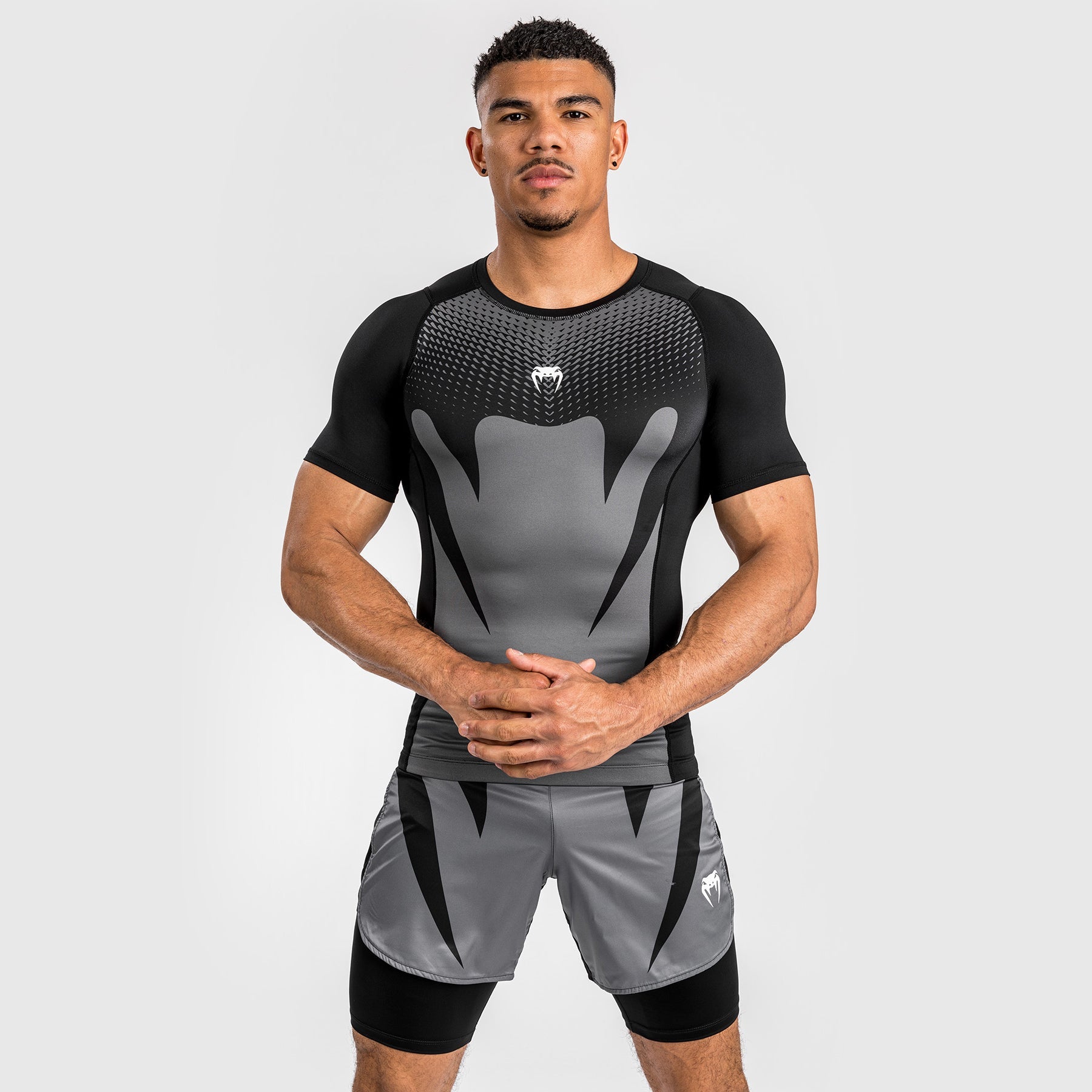
MMA rash guards need to be tough and flexible. They protect skin from cuts and mat burns during fights. Compression fit helps muscle support and reduces injuries. Choose rash guards with strong seams and stretchy material. Owning multiple rash guards is smart for training and fights.
Rash Guards For Crossfit
CrossFit rash guards keep you dry and reduce skin irritation. They wick sweat away and fit close to the body. Look for breathable and stretchy fabric for comfort during workouts. A few rash guards help you stay fresh and focused. Pick ones that fit well and last through tough sessions.

Credit: swimzip.com
Factors Affecting Quantity
Choosing the right number of rash guards depends on several factors. These factors help you decide how many rash guards you really need. Understanding these points saves money and keeps your gear fresh and ready.
Training Frequency
How often you train affects the number of rash guards needed. Training daily means more rash guards. This prevents wearing dirty or smelly gear. Training once or twice a week needs fewer rash guards.
Climate And Weather
Hot or cold weather changes rash guard use. In hot climates, rash guards dry fast and may need more sets. In cold weather, you might wear a rash guard under other clothes, reducing the total needed. Rainy seasons might also increase usage.
Laundry Routine
How often you wash clothes matters a lot. Frequent laundry means fewer rash guards are necessary. If you wash weekly, you need more rash guards to last until then. Washing rash guards properly keeps them in good condition longer.
Material And Durability
Choosing the right rash guard means knowing about material and durability. The material affects comfort, stretch, and how long the rash guard lasts. Durability means the rash guard stays strong despite many washes and rough use. This section explains fabric types and signs of wear and tear. These help decide how many rash guards you need.
Fabric Types
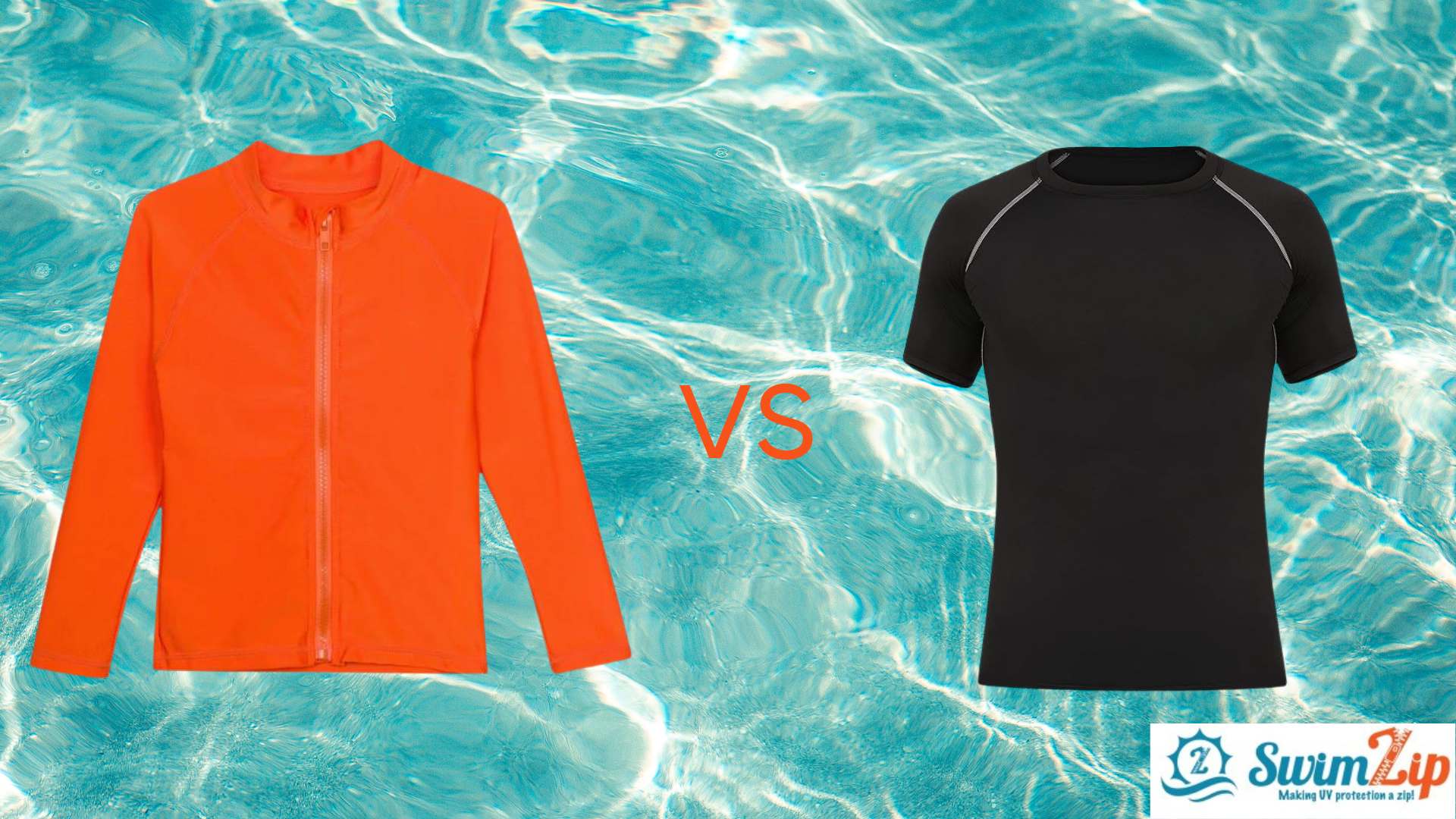
Most rash guards are made from polyester, nylon, or spandex blends. Polyester is strong and dries fast. Nylon feels soft and stretches well. Spandex adds stretch and comfort. A good rash guard blends these fabrics to balance comfort and durability.
Look for rash guards with a high percentage of polyester or nylon for longer life. Spandex helps keep the fit tight but can wear out faster. Choose fabric based on your activity level and how often you wear the rash guard.
Wear And Tear Signs
Check rash guards for thinning fabric, fading colors, or loose threads. These signs mean the material is breaking down. Stretch loss is another sign. If the rash guard feels loose or baggy, it may not protect well.
Small holes or rips can grow bigger with use. Seams that start to split reduce durability. If you see these signs, it is time to replace the rash guard. Having extra rash guards helps keep you ready while others dry or repair.
Credit: swimzip.com
Mixing Rash Guards For Variety
Mixing rash guards adds fun and function to your wardrobe. It keeps your look fresh and suits different activities. Having multiple rash guards lets you match your style and needs. Variety helps prevent wear and tear on a single piece. It also makes it easy to pick the right one for the day.
Color And Design Options
Choose rash guards in different colors to brighten your gear. Dark colors hide stains and look sleek. Bright colors boost visibility in the water. Patterns like stripes or logos add personality. Simple designs match anything and stay classic. Switching colors and patterns keeps your outfit interesting.
Seasonal Choices
Pick rash guards based on weather and water temperature. Lightweight, short-sleeve rash guards work well in warm weather. Long-sleeve or thicker ones protect better in cooler seasons. Some have thermal lining for extra warmth. Changing rash guards with the season protects your skin and comfort. A mix ensures you are ready all year round.
Storage And Maintenance Tips
Proper storage and maintenance keep rash guards in good shape longer. Clean and dry rash guards avoid bad smells and damage. Good care helps you get the best use from each piece.
Washing Best Practices
Rinse rash guards with cold water right after use. This removes salt, chlorine, and sweat. Wash with mild detergent to protect fabric and colors. Avoid bleach or strong chemicals that break fibers. Use gentle cycles or hand wash to keep material soft.
Proper Drying And Storage
Air dry rash guards in the shade to keep colors bright. Avoid direct sunlight that can fade and weaken fabric. Do not use dryers as heat harms elasticity. Store rash guards flat or hung on soft hangers. Keep them in a cool, dry place to prevent mold and wrinkles.
Budgeting For Rash Guards
Budgeting for rash guards is important for anyone who trains or spends time in the water. Rash guards protect your skin and keep you comfortable. Knowing how much to spend helps you get the best value. It also prevents overspending on gear you don’t need.
Think about how often you use rash guards and what kind you need. This helps create a budget that fits your lifestyle and training needs.
Cost Vs. Quality
Cheap rash guards might look good but wear out fast. High-quality ones last longer and protect better. Spending a bit more can save money in the long run. Look for materials that dry quickly and resist stretching. Check reviews to find gear that balances price and durability.
When To Replace
Replace rash guards when they lose shape or develop holes. Fading colors and loose seams also mean it’s time to buy new ones. Worn-out rash guards don’t protect well and can cause skin irritation. Keep track of use and inspect your gear regularly. This helps avoid surprises during training or competitions.
Credit: www.venum.com
Frequently Asked Questions
How Many Rash Guards Do I Need For Training?
You should have at least two rash guards for training. One for wear and one for washing. This ensures hygiene and comfort during workouts.
Can One Rash Guard Last For Months?
A high-quality rash guard can last several months. Proper care and washing extend its life. However, frequent use may require more than one.
Do Rash Guards Need To Be Replaced Often?
Replace rash guards when they lose elasticity or get damaged. Regular use and washing wear them out. Having backups helps maintain hygiene and performance.
Is It Necessary To Own Rash Guards For Competition?
Yes, owning specific rash guards for competition is essential. They offer proper fit and comply with event rules. Having a separate competition rash guard improves confidence and performance.
Conclusion
Choosing the right number of rash guards depends on your activity level. Having two to three rash guards usually works well. You can rotate them to keep fresh and clean. This also helps your skin stay healthy and protected. Think about how often you train or surf each week.
Also, consider the climate and how fast your rash guards dry. With the right amount, you stay comfortable and ready for action. Simple and practical choices make your gear last longer. Keep your rash guards handy and enjoy your time in the water.
