

Rash Guard That Doesn'T Cling: Ultimate Comfort for Active Wear
Are you tired of rash guards that stick uncomfortably to your skin every time you move? You deserve gear that feels just right—secure but never clingy.
Finding a rash guard that fits comfortably can change the way you enjoy your time in the water or at the gym. You’ll discover how to choose a rash guard that moves with you, stays in place without squeezing, and keeps you feeling fresh and free.
Keep reading to find the perfect fit for your active lifestyle.
Why Rash Guards Matter
Rash guards are more than just a piece of clothing for water sports or workouts. They protect your skin and improve comfort. Choosing a rash guard that does not cling tightly makes a big difference. It allows you to move freely without feeling trapped or irritated.
Many people do not realize how important rash guards are until they face skin irritation or discomfort. A good rash guard can help avoid these problems and keep you comfortable during activities.
Protection From Irritation
Rash guards protect your skin from chafing and rashes. They create a smooth barrier between your skin and rough surfaces. This stops irritation caused by friction. The fabric also shields against sunburn. This helps you stay safe under the sun for longer periods.
Benefits For Active Wear
Rash guards are perfect for active people. They fit comfortably without sticking to the skin. This makes movement easier during sports or exercise. The material dries quickly and controls sweat. This keeps you cool and fresh even during intense workouts.
Common Issues With Clingy Rash Guards
Rash guards that cling too tightly often cause problems during activities. They can make movement hard and cause discomfort. Understanding these issues helps choose better gear.
Restricted Movement
Clingy rash guards limit your range of motion. Stretching or bending feels tight and hard. This restriction lowers your performance in sports and workouts. A rash guard should move with your body, not against it.
Uncomfortable Fit
Tight rash guards can pinch the skin and cause irritation. They may trap sweat and heat, making you feel hot and sticky. This discomfort distracts you from your activity. A good rash guard should fit comfortably without squeezing.
Materials That Prevent Cling
Choosing the right materials can stop a rash guard from clinging. Fabrics that breathe well and stretch enough keep you comfortable. These materials help your skin feel fresh and free during activities.
Breathable Fabrics
Breathable fabrics allow air to flow through the rash guard. This stops sweat from building up inside. When sweat dries quickly, the fabric stays light and loose. Common breathable materials include polyester and nylon blends. They keep your body cool and stop the rash guard from sticking.
Stretchable But Loose
Materials with stretch let the rash guard move with your body. Stretchable fabrics fit well without pulling tight. This prevents the shirt from clinging in unwanted places. Look for blends with spandex or elastane. These provide good stretch while keeping a loose feel. Stretch plus breathability means comfort and freedom of movement.

Credit: dharco.com
Design Features For Comfort
Comfort matters most in a rash guard that doesn't cling. The right design helps you move freely and stay cool. Good rash guards avoid tight spots and itchy seams. They fit well without squeezing your body.
Relaxed Fits
Relaxed fits give space for your body to breathe. They avoid tightness that causes discomfort and skin marks. You can stretch and move without feeling trapped. These fits suit many body shapes and sizes. A relaxed rash guard feels light and soft on your skin.
Flat Seams And Tags
Flat seams reduce rubbing and skin irritation during activities. They lie smoothly against your skin, lessening chafing and discomfort. Rash guards with flat seams last longer and keep their shape. Tags can scratch or itch. Many rash guards use tagless designs or soft labels. This small change makes a big difference in comfort.
Choosing The Right Size
Choosing the right size for a rash guard that doesn’t cling is very important. A proper fit helps you stay comfortable and active. It also prevents the fabric from sticking to your skin. This makes your experience better whether you swim, surf, or train.
Paying attention to size ensures freedom of movement. It also keeps the rash guard from feeling tight or loose. The right size improves both comfort and style. Below are some helpful tips on measuring and understanding fit versus performance.
Measuring Tips
Use a flexible tape to measure your chest and waist. Measure around the fullest part of your chest. Keep the tape snug but not tight. For the waist, measure at the narrowest point. Write down your numbers for easy reference.
Check the brand’s size chart before buying. Each brand may have slightly different sizes. Compare your measurements with the chart carefully. If you fall between sizes, choose the larger one. This helps avoid clinginess and discomfort.
Fit Vs. Performance
A rash guard should fit close but not squeeze. Too tight means less comfort and more cling. Too loose can cause chafing and distraction. The best rash guard moves with your body. It supports your muscles without restricting motion.
Consider your activity when choosing fit. For intense sports, a snug fit improves performance. For casual use, a relaxed fit may feel better. Balance comfort and function for the best experience.
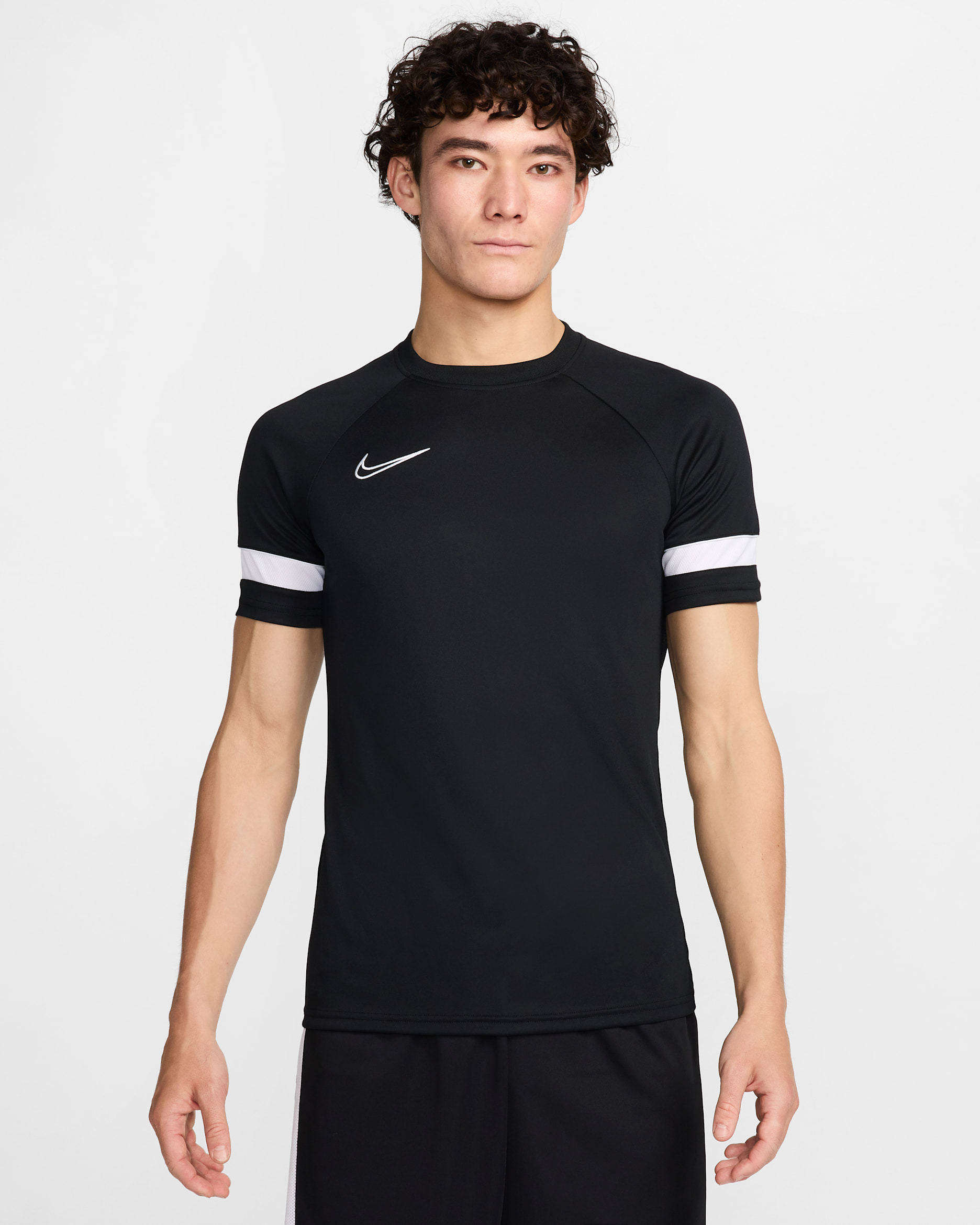
Credit: www.nike.com
Top Brands For Non-cling Rash Guards
Finding a rash guard that does not cling can be challenging. Many brands offer different fits and materials. Choosing the right brand helps ensure comfort and durability. Some brands focus on performance, while others balance price and quality. Below are top brands known for their non-cling rash guards.
Performance Reviews
Brands like O’Neill and Rip Curl excel in performance. Their rash guards use stretchy, quick-dry fabrics. These materials fit snugly but do not stick to the skin. Users praise their breathability and flexibility. They hold up well during intense water sports. The seams are flat, preventing irritation. These features make them ideal for surfers and swimmers.
Price And Quality Balance
Under Armour and Speedo offer good balance. Their rash guards are affordable and durable. The fabrics resist water and dry quickly. Many users find them comfortable for long wear. They avoid the tight, clingy feeling common in cheaper brands. These options suit casual users and beginners. Quality remains consistent across different styles and sizes.
Care Tips To Maintain Comfort
Taking good care of your rash guard keeps it soft and comfortable. Proper care stops the fabric from sticking to your skin. Follow simple steps to keep your rash guard fresh and smooth.
Washing Instructions
Wash your rash guard in cold water. Use a gentle detergent without bleach. Avoid fabric softeners as they damage the fabric. Hand washing is best but machine wash on a gentle cycle works. Rinse well to remove all soap. Do not wring or twist the rash guard.
Storage Advice
Store your rash guard in a dry, cool place. Avoid direct sunlight that fades the fabric. Fold it neatly to prevent creases. Do not hang it for long periods as it may stretch. Keep it away from rough surfaces to avoid snags.

Credit: www.e-tennis.com
Frequently Asked Questions
What Makes A Rash Guard Not Cling To The Body?
A rash guard that doesn't cling uses stretchy, breathable fabric. It fits comfortably without squeezing the skin or restricting movement. This prevents discomfort and overheating during water sports or workouts.
Which Materials Prevent Rash Guards From Clinging?
Look for rash guards made with polyester, nylon, or spandex blends. These materials offer flexibility, moisture-wicking, and quick-drying properties. They maintain shape and avoid sticking to wet or sweaty skin.
How To Choose A Rash Guard That Fits Well?
Select a rash guard with a slightly loose fit and flat seams. Check size charts and customer reviews for guidance. Proper fit avoids tightness and enhances comfort for active wear.
Can Loose-fitting Rash Guards Protect Against Uv Rays?
Yes, a well-made rash guard blocks UV rays regardless of fit. Look for UPF-rated fabrics to ensure strong sun protection. Loose fit adds comfort without compromising skin safety.
Conclusion
Choosing a rash guard that does not cling makes a big difference. It keeps you comfortable during any water activity. You move freely without feeling stuck or tight. Breathable fabric helps your skin stay cool and dry. This type of rash guard lasts longer and feels better.
It suits all body types and ages. Finding the right fit matters more than style alone. Enjoy your time in the water with ease and confidence. A rash guard that fits well protects and supports you. Simple comfort leads to a better experience every time.
