

How Many Gym Clothes Do You Have? Find Your Fitness Wardrobe Essentials
How Many Gym Clothes Do You Have
Have you ever opened your closet and wondered, “How many gym clothes do I really need? ” If you go to the gym, exercise at home, or play sports, you probably own at least a few pieces of gym wear.
But is it enough? Or maybe you have too much, making your closet crowded and laundry endless. The right amount of gym clothes can make your workouts easier, keep you comfortable, and even save you money. But finding that balance is not always simple.
Let’s dive deep into how many gym clothes you should own, what types are essential, how to choose smartly, and tips for every situation. This article gives you the practical advice you need—no more guessing, no more wasted space.
Why The Right Number Of Gym Clothes Matters
Choosing the right quantity of gym clothes is more important than most people think. If you have too few, you may skip workouts because nothing is clean. If you have too many, you end up wasting money and space. The ideal number keeps you ready, comfortable, and organized.
Quality workout gear helps prevent skin problems and odor, especially if you sweat a lot. Owning enough gym wear also reduces laundry stress—no one likes washing the same shirt every day. Surprisingly, the right amount of gym clothes can even help you stay motivated, as fresh, comfortable outfits make it easier to stick to your routine.
Understanding Your Workout Routine
The first thing to consider is your workout frequency. How often you exercise each week directly affects how many pieces of gym clothing you need.
If you work out once or twice a week, you need fewer clothes than someone who trains every day. The types of workouts also matter—a yoga class may need different clothes than a high-intensity cardio session.
Let’s look at a simple breakdown:
| Workout Days/Week | Minimum Gym Outfits Needed | Ideal Number for Comfort |
|---|---|---|
| 1-2 | 2 | 3 |
| 3-4 | 3 | 5 |
| 5-7 | 5 | 7 |
This table gives you a starting point, but your needs may change based on other factors like how often you do laundry or if you sweat a lot.
The Essential Types Of Gym Clothes
Not all gym clothes are the same. Some pieces are essential for everyone, while others depend on your activities or preferences. Here are the basics:
- Workout Tops: T-shirts, tank tops, or long-sleeves. Look for moisture-wicking material to keep you dry.
- Bottoms: Shorts, leggings, or sweatpants. The best choice depends on your workout style and comfort.
- Sports Bras: For women, a good sports bra is critical for support and comfort during any exercise.
- Socks: Athletic socks can prevent blisters and keep your feet dry.
- Underwear: Breathable, moisture-wicking underwear helps prevent irritation.
- Jackets or Hoodies: For warming up or cool-down, especially if you exercise outdoors.
- Shoes: Running shoes, cross-trainers, or specialty shoes for your activity.
- Accessories: Headbands, wristbands, or gloves if needed for grip or sweat control.
Having at least one of each for every workout day is a good start. But sometimes, you may need more—especially for items like socks and underwear that get sweaty fast.
Factors That Influence How Many Gym Clothes You Need
Several key factors affect your ideal number of gym clothes:
1. Laundry Schedule
If you wash clothes often, you need fewer gym outfits. If you do laundry once a week, you need enough clothes to last all your workout days.
For example, if you work out five days a week and do laundry once, you need at least five tops and bottoms.
2. Workout Intensity And Sweat
Harder workouts mean more sweat, so you might need to change clothes more often. If you do hot yoga or intense cardio, you may want extra tops and socks.
3. Climate And Season
Warm climates may require more changes and lighter fabrics. Cold weather may mean you need extra layers like jackets or leggings.
4. Multiple Workouts Per Day
If you do both morning and evening sessions, you’ll need more outfits. Some people do cardio and strength training on the same day, each needing fresh clothes.
5. Hygiene Needs
Some people are more sensitive to sweat or odor. If you sweat a lot or have sensitive skin, having extra sets helps avoid irritation and keeps you comfortable.
6. Personal Style And Motivation
A new or favorite gym outfit can boost your mood and motivation. If style is important to you, you might want more variety.
7. Travel And Gym Access
If you travel or go to the gym straight from work, you may need extra sets to keep in your bag or car.
How To Calculate Your Ideal Number
Let’s walk through a practical way to find your perfect number.
- Count your workout days per week
- Add extra sets for surprise workouts or missed laundry
- Consider how often you do laundry
- Account for your most sweat-prone workouts
A sample calculation: You work out 4 days a week, do laundry every 5 days, and sometimes sweat a lot. You’d need at least 4–5 tops and bottoms, plus 1–2 extras for emergencies.
Common Mistakes When Buying Gym Clothes
Many people make mistakes when buying or managing their gym wardrobe. Here are the most common errors:
- Buying Too Much at Once: It’s easy to buy every sale item, but you often don’t need that many. Focus on quality and essentials.
- Ignoring Fabric Quality: Cheap materials may look good but don’t last or breathe well. Always check for moisture-wicking or quick-dry fabrics.
- Neglecting Fit: Clothes that are too tight or loose can make workouts uncomfortable and even cause injury.
- Forgetting About Laundry: Not planning laundry can lead to running out of clean gear.
- Overlooking Accessories: Sometimes, socks or sports bras matter more than shirts. Don’t forget these basics.
- Sticking to One Style: Having variety can help with motivation and comfort, especially if you work out in different environments.
Minimalist Vs. Maximalist: Different Approaches
Some people want a simple, small wardrobe. Others like variety and style options. Which one are you?
Minimalist
- Owns a few high-quality pieces
- Laundry is done often
- Mixes and matches basics
- Focuses on function over fashion
Maximalist
- Has lots of colors and styles
- Rarely runs out of clean gear
- Chooses outfits based on mood
- Enjoys new trends and fashion
Both approaches work if they fit your lifestyle. A minimalist may only need three tops and bottoms, while a maximalist might own ten or more.
Real-life Examples
Let’s see how different people manage their gym wardrobes:
Sarah works out 5 days a week, does laundry every Sunday, and likes to have a different top for each day. She owns 6 tops, 5 leggings, 6 pairs of socks, 3 sports bras, and 2 jackets.
James goes to the gym 3 times a week, usually after work. He keeps an extra set in his car. He owns 4 tops, 3 shorts, 5 socks, and 2 pairs of shoes.
Priya does hot yoga daily, so she needs a fresh set every day. She has 7 tops, 7 leggings, 10 pairs of underwear, and 7 sports bras.
Aki runs outdoors in all seasons. He keeps 5 shorts for summer and 4 leggings for winter, with 2 jackets, 7 socks, and gloves for cold days.
Smart Tips To Organize Your Gym Wardrobe
Keeping your gym clothes organized can save you time and stress. Here are some practical tips:
- Sort by Type: Keep tops, bottoms, and accessories in separate drawers or boxes.
- Set a Weekly Plan: Lay out your gym outfits at the start of the week.
- Rotate Clothes: Use all your gear evenly to prevent over-wear of favorites.
- Repair or Replace: Fix small holes or stretched elastic, and replace worn pieces quickly.
- Keep Extras Handy: Always have a spare set in your bag or car for emergencies.
- Seasonal Swap: Store winter gear away in summer and vice versa to save space.
Essential Features To Look For When Buying
Not all gym clothes are created equal. Here’s what matters most:
- Moisture Control: Look for clothes labeled as moisture-wicking or quick-dry.
- Breathability: Mesh panels or lightweight fabrics help prevent overheating.
- Flexibility: Stretchy materials allow for a full range of movement.
- Durability: Reinforced seams and quality materials last longer.
- Odor Control: Some clothes have anti-microbial features to fight odor.
- Easy Care: Machine-washable and quick-drying clothes make laundry easy.
How Long Do Gym Clothes Last?
With regular use, most gym clothes last 6 months to 2 years. Tops and bottoms may wear out faster if you work out daily. Sports bras and socks often need replacing more often due to elastic wear and heavy sweating.
Washing with cold water, avoiding fabric softeners, and hanging to dry can help your clothes last longer. If you notice sagging, loss of stretch, or odor that won’t wash out, it’s time for a replacement.
Sustainable Choices And Eco-friendly Options
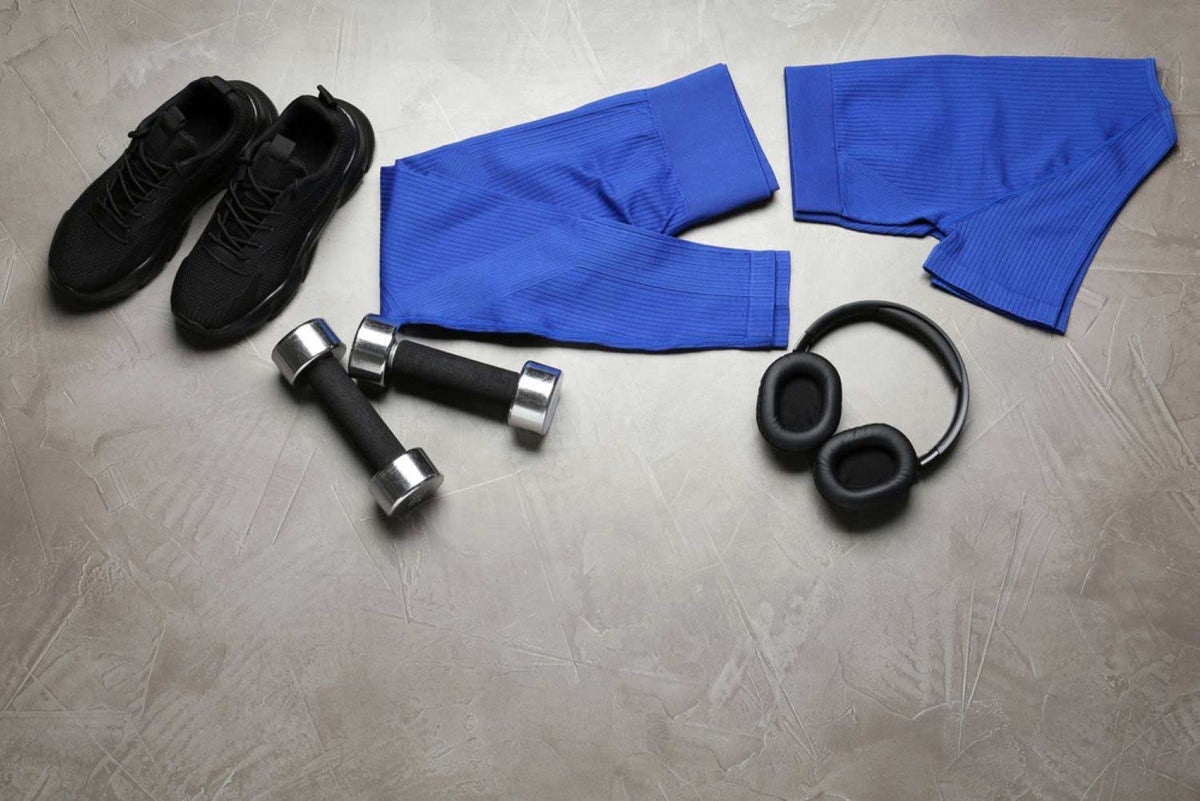
Gym clothes made from recycled materials or sustainable fabrics are growing in popularity. These are good for the environment and often last longer. Brands now offer tops and leggings made from recycled plastic bottles or organic cotton.
Repairing or donating old gym clothes also reduces waste. If you want to make your gym wardrobe eco-friendly, look for certifications like Global Organic Textile Standard (GOTS) or bluesign®.
Credit: inphormnyc.com
Gym Clothes For Special Activities
Some workouts need special gear:
- Yoga/Pilates: Flexible, soft leggings, and tops that stay in place during stretches.
- Running: Lightweight, sweat-wicking tops, and shorts with pockets.
- Weightlifting: Supportive shoes, gloves, and tops that allow free movement.
- Swimming: Quick-dry swimsuits and towels.
- Outdoor Training: Layers for changing weather, including waterproof jackets and hats.
Make sure you have at least one outfit for each unique activity you do.
How To Tell If You Have Too Many Or Too Few Gym Clothes
It’s easy to lose track. Here are signs:
Too Few:
- You often skip workouts because nothing is clean.
- Clothes wear out very fast.
- You wash gym clothes more than regular ones.
Too Many:
- Some outfits sit unused for months.
- Your drawers are hard to close.
- You forget what you own.
Balance comes from reviewing your needs every few months and donating or recycling what you no longer use.
Sample Wardrobe For Different Needs
Here are sample gym wardrobes for different lifestyles:
| Type of User | Tops | Bottoms | Socks | Sports Bras | Outerwear |
|---|---|---|---|---|---|
| Beginner (2-3 days/week) | 3 | 3 | 4 | 2 | 1 |
| Regular (4-5 days/week) | 5 | 5 | 6 | 3 | 2 |
| Enthusiast (6-7 days/week) | 7 | 7 | 8 | 5 | 3 |
Adjust these numbers up or down based on your routine, climate, and personal preferences.
When To Upgrade Or Replace Your Gym Clothes
Knowing when to let go of old gym wear is just as important as buying new ones. Here are signs it’s time for a change:
- Persistent Odor: Even after washing, some smells don’t leave.
- Loss of Stretch: Waistbands or cuffs become loose.
- Fading or Pilling: Colors fade or fabric pills after many washes.
- Holes or Tears: Small damage can be repaired, but large holes need replacement.
- Discomfort: If they start to chafe, rub, or restrict movement.
Replace your most-used items every few months, and less-used ones as needed.
Realistic Budgeting For Gym Clothes
Quality gym clothes can be expensive, but you don’t need to buy everything at once. Here’s how to budget smartly:
- Prioritize Essentials: Start with tops, bottoms, and socks.
- Watch for Sales: Off-season sales or outlet stores offer good deals.
- Invest in Quality: Higher-quality basics last longer and feel better.
- Avoid Fast Fashion: Cheap clothes often wear out quickly.
- Set a Yearly Limit: Decide how much you want to spend each year and stick to it.
A simple budget could be:
- Tops: $15–$40 each
- Bottoms: $20–$50 each
- Sports bras: $20–$60 each
- Socks: $5–$15 per pair
- Outerwear: $30–$80 each
The Role Of Gym Clothes In Motivation
This is often overlooked. Fresh, well-fitting gym clothes can help you feel more confident and motivated. Some people find that new gear encourages them to work out more. It’s not just about looking good—feeling comfortable and prepared can make a big difference.
A non-obvious tip: If you struggle with motivation, try setting out your gym outfit the night before. You’ll be more likely to stick to your plan.
Gym Clothes For Different Body Types
Everyone’s body is different. Here’s what to consider:
- Curvier Bodies: Look for high-waisted leggings and supportive bras.
- Tall or Short: Check inseam lengths for bottoms and sleeve lengths for tops.
- Plus Size: Many brands now offer inclusive sizing; don’t settle for ill-fitting clothes.
- Petite: Cropped styles and adjustable waistbands can help.
Trying different brands and fits is key. Don’t be afraid to return or exchange until you find the best for you.
Caring For Your Gym Clothes
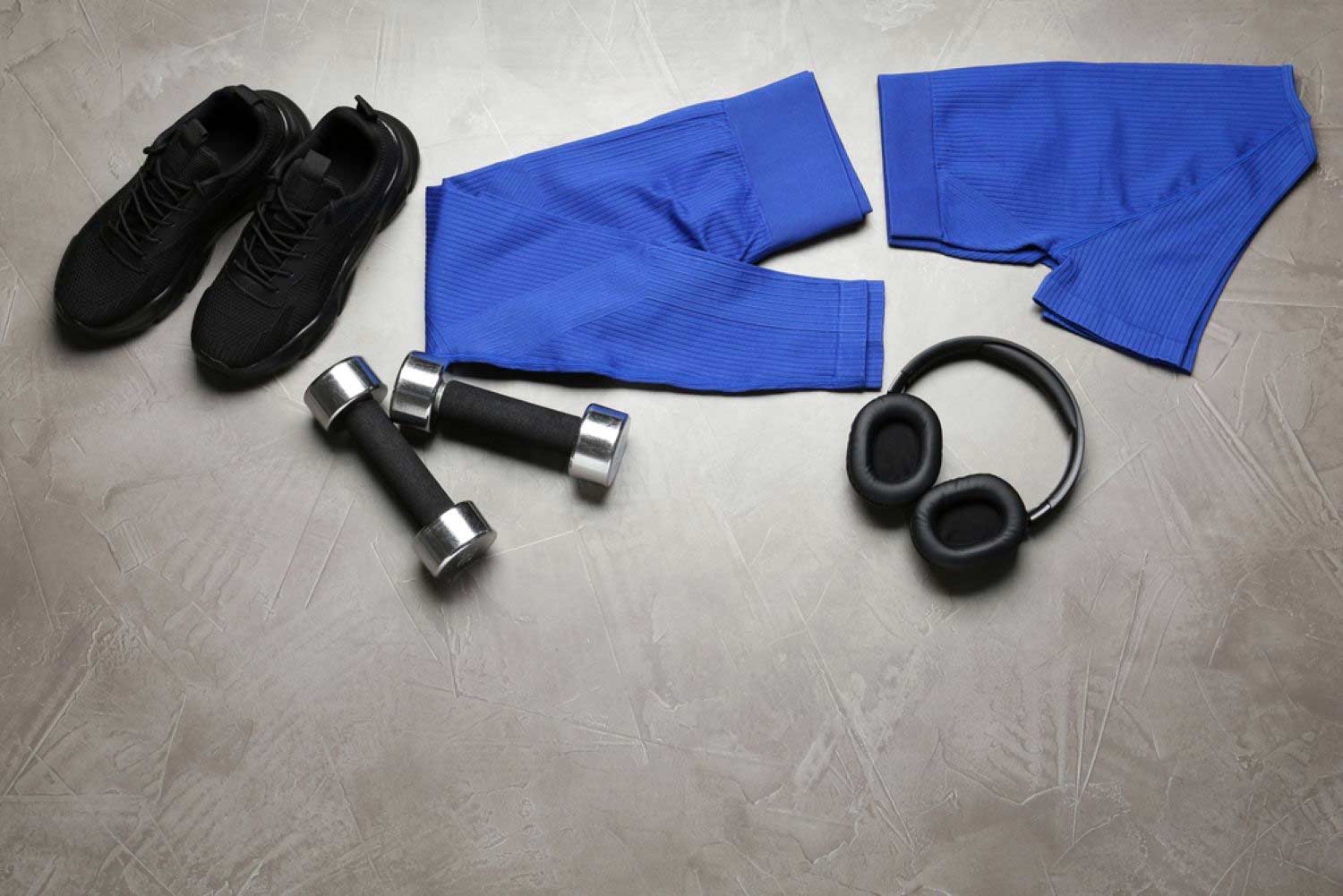
Good care can double the life of your gym clothes:
- Wash after every use: Sweat can damage fabrics if left too long.
- Use cold water: Hot water can break down elastic and cause shrinking.
- Avoid fabric softener: It can block the moisture-wicking ability.
- Air dry: Heat from dryers weakens elastic; hang to dry when possible.
- Turn inside out: Protects colors and helps with odor removal.
Credit: inphormnyc.com
Should You Have Separate Clothes For Home And Gym?
Some people wear the same clothes for home workouts and the gym, while others keep them separate. Here’s what to consider:
- Pro: Using the same clothes saves money and space.
- Con: Home clothes may wear out faster, and you may not want to wear sweat-soaked gear outside.
If you work out at home only, you can own fewer pieces. If you go to the gym or run outdoors, having a few “public-ready” outfits is helpful.
The Environmental Impact Of Gym Clothes
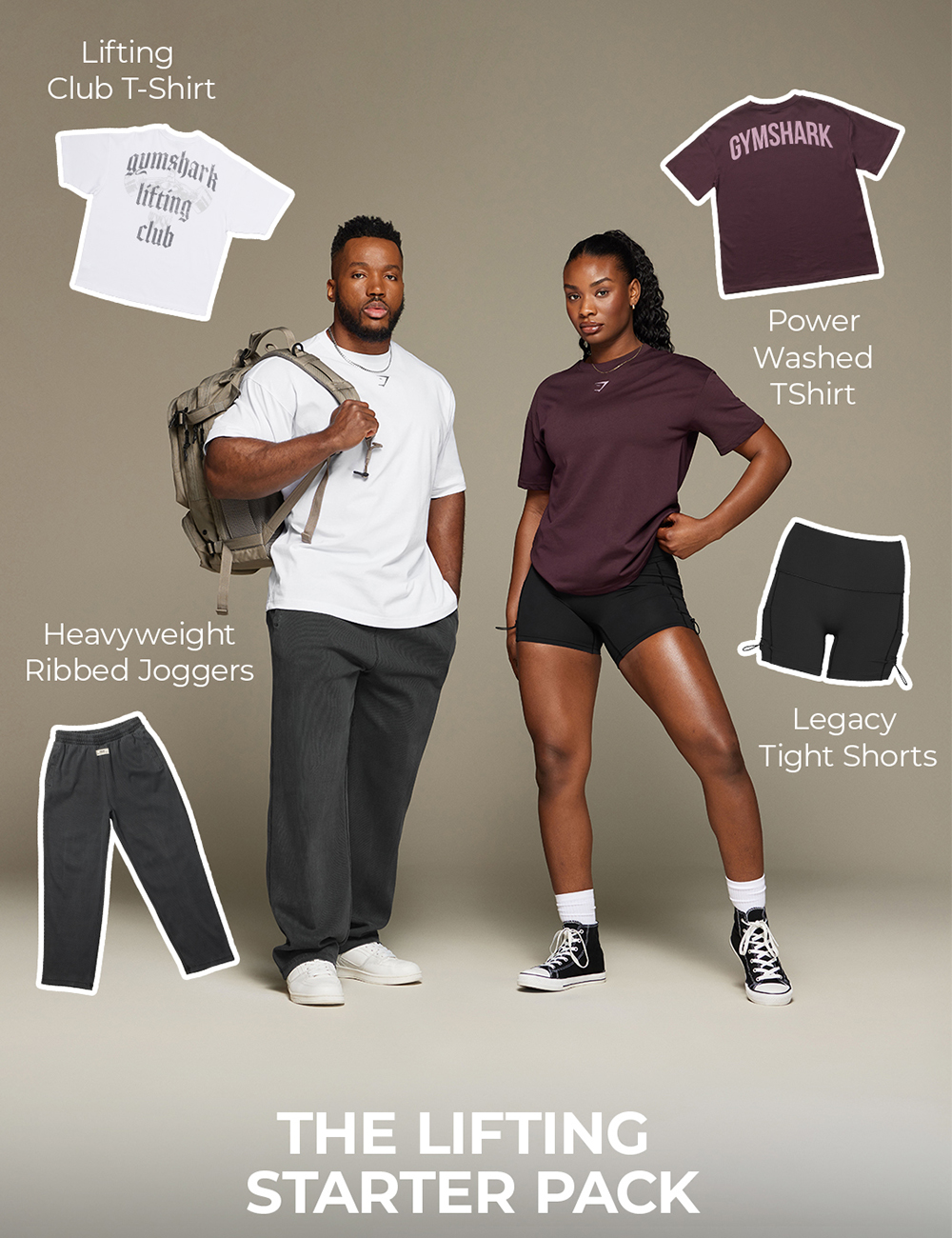
Synthetic gym clothes—like polyester or nylon—often use a lot of energy and water to produce. Choosing recycled or eco-friendly materials helps lower this impact. Some brands recycle old gym clothes into new ones. If you upgrade your wardrobe, consider donating or recycling old items.
For more on sustainable sportswear, see Good On You.
Credit: www.gymshark.com
Frequently Asked Questions
How Many Gym Outfits Should I Have If I Work Out Every Day?
For daily workouts, aim for at least seven complete gym outfits—one for each day. If you do laundry more often, you can manage with fewer, but seven ensures you always have something clean.
Do I Need Special Gym Clothes For Different Activities?
Yes. Different activities often need different clothes. For example, running needs lightweight, sweat-wicking gear, while yoga needs stretch and comfort. Having at least one outfit for each activity is helpful.
How Can I Tell If My Gym Clothes Are Worn Out?
Look for signs like persistent odor, loose waistbands, faded colors, or holes. If clothes feel uncomfortable or don’t fit as well as before, it’s probably time to replace them.
Is It Okay To Wear Regular Clothes For The Gym?
You can, but regular clothes often don’t handle sweat, movement, or stretching as well as gym-specific gear. They may also wear out faster and feel less comfortable during tough workouts.
What’s The Best Way To Care For Gym Clothes?
Wash after every use, use cold water, avoid fabric softener, and air dry when possible. Turning clothes inside out helps protect them and removes odors more effectively.
Choosing the right number and type of gym clothes is not just about fashion—it's about comfort, hygiene, motivation, and even the environment. Review your routine, be honest about your needs, and invest in clothes that help you feel your best.
A little planning now means fewer headaches (and smells) later.
