

Do Workout Clothes Make a Difference? Unveiling the Truth
Do Workout Clothes Make A Difference
Walking into a gym, you see people in colorful leggings, dry-fit shirts, and high-performance sneakers. Maybe you wonder: are these just for style, or do workout clothes really matter? Many beginners believe exercise is only about effort, not what you wear. But there’s more to the story. The right clothing can change your comfort, performance, safety, and even how you feel about working out.
Let’s look deeper into how workout clothes affect your body, your mind, and your results. From science-backed reasons to practical tips, we’ll explore if investing in gym wear is worth it, what features make a real difference, and common mistakes to avoid. Whether you’re a runner, lifter, or love yoga, you’ll find answers here.
How Workout Clothes Affect Physical Performance
Wearing the right clothing can help you move better and feel less tired. Performance is not just about the amount you sweat—your gear matters, too.
Breathability And Moisture Control
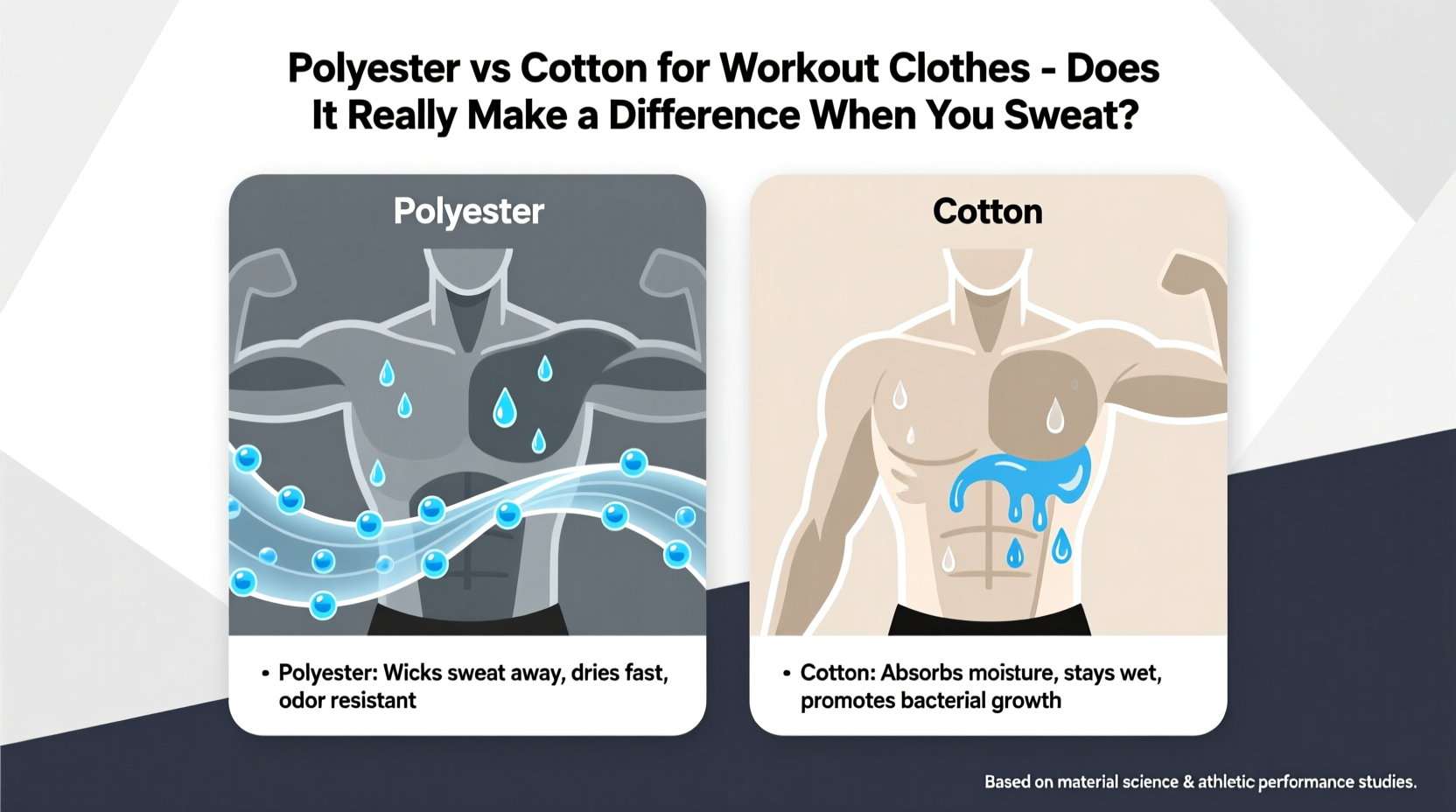
Good workout clothes use moisture-wicking fabrics. These materials pull sweat away from your skin and help it evaporate fast. This keeps you dry and cool. Cotton, by contrast, holds sweat, making you feel heavy and sticky.
For example, runners wearing polyester blends often report less chafing and higher comfort than those in all-cotton shirts. Less sweat also means a lower risk of skin irritation and rashes.
Range Of Motion
Tight or stiff clothes can limit how much you can stretch, squat, or lift. Clothes with spandex or elastane let you move freely. Flexible leggings, shorts, and tops allow for deep lunges and high kicks without feeling restricted.
Think about yoga pants. The best pairs move with your body, while jeans or stiff shorts would make even simple stretches hard.
Temperature Regulation
Your body gets hot during exercise. If your clothes trap heat, you may tire quickly. Technical fabrics let your skin breathe, releasing heat and keeping you comfortable.
In cold environments, layered athletic wear helps keep you warm but not sweaty. For example, runners use a base layer to wick moisture, a middle layer for warmth, and a windproof outer layer.
Compression And Muscle Support
Some workout clothes offer compression. These snug-fitting garments support muscles and may reduce vibration, which leads to less muscle fatigue during intense workouts.
Research shows that compression tights can help runners and lifters feel less sore after exercise. They may also improve blood flow, helping with faster recovery.
Practical Example
Imagine two people doing HIIT (High-Intensity Interval Training). One wears regular cotton shorts and a loose T-shirt. The other wears moisture-wicking, flexible gear. After 20 minutes, the first person is drenched, clothes stick to the body, and movement feels tough.
The second person stays drier, cooler, and can jump, squat, and run with less restriction.
Impact On Comfort And Confidence
Physical performance is only part of the story. How you feel in your clothes can change your mood and motivation.
Reducing Distractions
Ill-fitting clothes can distract you. Shorts that ride up or a bra that doesn’t support well can make you focus on your clothes instead of your workout.
Seamless designs, flatlock stitching, and soft waistbands prevent chafing and irritation. This lets you focus on your form, not your outfit.
Boosting Confidence
Wearing clothes that fit well and look good can boost self-esteem. When you feel confident, you’re more likely to push yourself and enjoy your routine.
This is sometimes called "enclothed cognition"—the idea that what you wear affects how you think and act. People in athletic wear often report feeling stronger and more focused.
Non-obvious Insight: Ritual Effect
Many don’t realize that putting on specific workout clothes signals your brain that it’s time to exercise. This small ritual can make it easier to start, especially on days when motivation is low.
Practical Example
A beginner who invests in a supportive sports bra and leggings may feel more comfortable in group classes. Instead of adjusting their clothes, they focus on learning new moves and enjoy the session more.
Credit: www.alibaba.com
Safety, Injury Prevention, And Hygiene
Your outfit can protect you from injuries and keep you healthy during workouts.
Support And Protection
Sports bras reduce breast movement, lowering the risk of pain or tissue damage. Good shoes support your feet and ankles, helping prevent sprains or stress injuries.
Padded cycling shorts can prevent saddle sores. Long sleeves or leggings can shield your skin from sunburn during outdoor training.
Reducing Infection Risk
Sweaty, damp clothes create a perfect place for bacteria and fungi. Moisture-wicking and quick-drying clothes reduce the chance of skin infections and body odor.
Visibility
If you run or cycle outdoors, reflective strips on clothing make you visible to drivers, especially in low light. This simple feature can prevent accidents.
Practical Example
A hiker in cotton socks might get blisters after a few hours. Someone in synthetic, padded socks is less likely to face this problem.
Common Mistakes When Choosing Workout Clothes
Many people buy gym wear based on looks or price, not function. Here are mistakes to avoid:
- Choosing fashion over function: Trendy pieces may look good but restrict movement or cause chafing.
- Ignoring fabric quality: Cheap fabrics can smell, stretch out, or break down quickly.
- Wearing old or worn-out gear: Old sports bras and shoes lose support over time, increasing injury risk.
- Picking the wrong fit: Clothes that are too tight may restrict blood flow, while baggy clothes can catch on equipment.
- Skipping activity-specific gear: Running shoes aren’t great for lifting, and vice versa. Yoga pants may not hold up for HIIT.
Non-obvious insight: Some people stick with the same gear for all activities, but using sport-specific clothing can reduce injuries and improve results.
Comparing Different Types Of Workout Clothes
Let’s compare how different types of workout clothes perform, using a simple table for clarity.
| Clothing Type | Main Benefit | Best For | Common Material |
|---|---|---|---|
| Compression Tights | Muscle support, reduced fatigue | Running, lifting, recovery | Polyester, spandex |
| Moisture-wicking T-shirts | Stay dry, prevent chafing | Cardio, HIIT, outdoor sports | Polyester blend |
| Sports Bras | Chest support, comfort | All activities | Nylon, spandex |
| Padded Cycling Shorts | Reduce saddle soreness | Cycling | Lycra, foam pad |
| Layered Tops | Temperature control | Outdoor sports | Merino wool, synthetics |
Materials: What Matters Most
The fabric you choose can change your experience.
Cotton Vs. Technical Fabrics
Cotton is soft and cheap, but it absorbs sweat and dries slowly. This can lead to cold chills or skin problems during long workouts.
Technical fabrics like polyester, nylon, and merino wool are designed to handle sweat. They dry fast and keep you comfortable.
Spandex/elastane
These materials give stretch, letting you move freely. Look for 10–20% spandex in leggings, shorts, and compression wear.
Merino Wool
This natural fiber is soft, breathable, and controls odor well. It’s good for both hot and cold weather.
Comparison Table: Cotton Vs. Technical Fabrics
| Feature | Cotton | Technical Fabric |
|---|---|---|
| Moisture Management | Poor | Excellent |
| Drying Speed | Slow | Fast |
| Odor Control | Fair | Good to Excellent |
| Comfort | High (when dry) | High (when sweating) |
| Durability | Average | High |

Credit: www.grosgrainfab.com
How The Right Shoes Make A Difference
Shoes are a big part of your workout gear. The wrong shoe can cause pain or injury. The right one can boost performance.
Impact Absorption
Running shoes have thick, cushioned soles to absorb shock. This protects your knees and ankles when your feet hit the ground.
Stability And Support
Weightlifting shoes have a flat, hard base for stability. This helps you lift heavier and keeps your posture correct.
Traction
Cross-trainers and court shoes have special soles for grip. This prevents slips during fast movements.
Fit And Injury Prevention
Shoes that fit well prevent blisters, calluses, and black toenails. Poorly fitting shoes can cause long-term problems.
Non-obvious Insight: Shoe Lifespan
Most people wear their sneakers too long. After about 500 miles of running or regular gym use, the shoe’s support is gone—even if they look okay. Replacing shoes on time prevents injuries.
Practical Example
A runner with worn-out shoes may develop knee pain. After switching to fresh, cushioned shoes, the pain often disappears.
Psychological Effects: Motivation And Habit
Workout clothes do more than cover your body—they shape your habits and attitude.
Motivation To Get Started
Putting on athletic wear can serve as a "cue" to exercise. It’s a signal to your mind: “Now it’s time to move.” This habit loop makes it easier to stick to routines.
Accountability And Social Influence
Wearing fitness clothes can increase your sense of belonging in a gym or sports class. You feel part of a group, which boosts motivation.
Some people join fitness challenges or take selfies in their workout gear to stay accountable.
Reducing Barriers
If you have your gym clothes ready, you’re less likely to skip a workout. This simple trick—laying out gear the night before—removes excuses and makes action easier.
Non-obvious Insight: Identity Shaping
Regularly wearing workout clothes, even at home, can help you build an “active” identity. This small shift in how you see yourself can lead to more consistent exercise.
Cost Vs. Value: Is It Worth The Investment?
High-quality workout clothes often cost more. But are they worth it?
Durability
Cheaper clothes may look good at first but can stretch, fade, or break down quickly. Mid- to high-quality gear lasts longer, saving money over time.
Performance Benefits
Better clothes often come with features like flat seams (no chafing), ventilated panels, and odor control. These can make workouts more pleasant and productive.
When To Spend More
- Sports bras: Invest in good support.
- Shoes: Never compromise on quality.
- Base layers: If you exercise outdoors, good base layers are key.
You can save on items like basic T-shirts or gym bags, but don’t skimp on the essentials.
Practical Example
Someone who buys one pair of well-made leggings may use them for years, while several cheap pairs may need replacing often.
Gender And Body Type: Fit Matters
Workout clothes are not one-size-fits-all. Choosing the right fit for your body type and gender is important.
Women
- Sports bras: Choose based on activity level (light support for yoga, high support for running).
- Leggings: High-waist designs often prevent slipping or rolling during squats.
- Tops: Longer tops or tanks with built-in bras add support and coverage.
Men
- Shorts: Look for stretchy linings if you do cardio; for lifting, a looser fit is often best.
- Compression shirts: Can help posture and support during strength training.
- Supportive underwear: Prevents chafing and discomfort.
Plus-size And Tall Athletes
Many brands now offer extended sizing. Look for features like wider waistbands and longer inseams for a better fit.
Non-obvious Insight: Try Before You Buy
Always move around (squat, stretch, jump) in the changing room. What feels fine standing still may be uncomfortable in action.
Caring For Workout Clothes
To make your investment last, take care of your gear.
Washing Tips
- Turn clothes inside out before washing.
- Use cold water to protect fabric stretch and colors.
- Avoid fabric softener—it can block moisture-wicking fibers.
- Hang dry to prevent shrinking and wear.
Odor Control
If clothes smell after washing, soak them in a mix of vinegar and water for 30 minutes before washing.
Storage
Keep clean, dry clothes in a cool place. Don’t leave sweaty gear in a closed gym bag.
When Not To Worry About Gear
While good gear helps, it’s not a must for everyone. If you’re just starting, or if budget is tight, focus on regular movement first. Old T-shirts and shorts are fine for home workouts.
The main thing: Don’t let clothing become an excuse. Movement matters most.
Data: What Research Says
Several studies highlight the impact of workout clothes on performance and comfort.
- Athletes in moisture-wicking shirts had 34% fewer skin issues than those in cotton.
- Compression wear led to less muscle soreness in 60% of runners after long-distance events.
- Participants who wore designated gym clothes were more likely to stick to their routines over six months.
For a deeper look, you can read more on the Wikipedia entry on sportswear.
Frequently Asked Questions
What Are Moisture-wicking Fabrics?
Moisture-wicking fabrics pull sweat away from your skin and spread it across the surface to evaporate quickly. This keeps you dry and helps prevent chafing or rashes during workouts.
Do I Need Expensive Workout Clothes To Get Results?
No, you don’t need expensive gear to start. Focus on comfort, fit, and safety. As you exercise more, you might want to invest in higher-quality items for better performance and durability.
How Often Should I Replace My Workout Shoes?
Replace them after about 500 miles of running or when you notice less support and more discomfort. Good shoes protect your joints and prevent injury.
Can I Use The Same Clothes For All Sports?
Some clothes work for many activities, but sport-specific gear offers the best results. For example, running shoes aren’t ideal for lifting weights, and yoga pants may not last in high-impact training.

Credit: colosseumathletics.com
What’s The Best Way To Wash Workout Clothes?
Wash in cold water, turn clothes inside out, and avoid fabric softeners. Air drying helps keep fabrics stretchy and long-lasting. If you notice odor, soak clothes in vinegar and water before washing.
Final Thoughts
So, do workout clothes make a difference? For most people, the answer is yes. The right gear improves comfort, boosts performance, prevents injuries, and even helps you stick to your fitness goals. It’s not about buying the most expensive set, but choosing clothes that fit well, support your movements, and suit your activity.
Remember, confidence and comfort can be as important as technology and style. Start with the basics, invest in quality where it counts, and build your gear as your training grows. Your body—and your mind—will thank you for it.
