

How Do Rash Guards Fit: Ultimate Guide for Perfect Comfort
Are you wondering how rash guards should fit your body just right? Getting the perfect fit matters more than you might think.
If it’s too tight, you could feel uncomfortable or restricted. Too loose, and it won’t protect you properly or stay in place. Understanding how your rash guard should hug your skin can make a big difference in your comfort and performance.
Keep reading to discover simple tips that will help you find the ideal fit every time.
Credit: berryjaneusa.com
Rash Guard Fit Basics
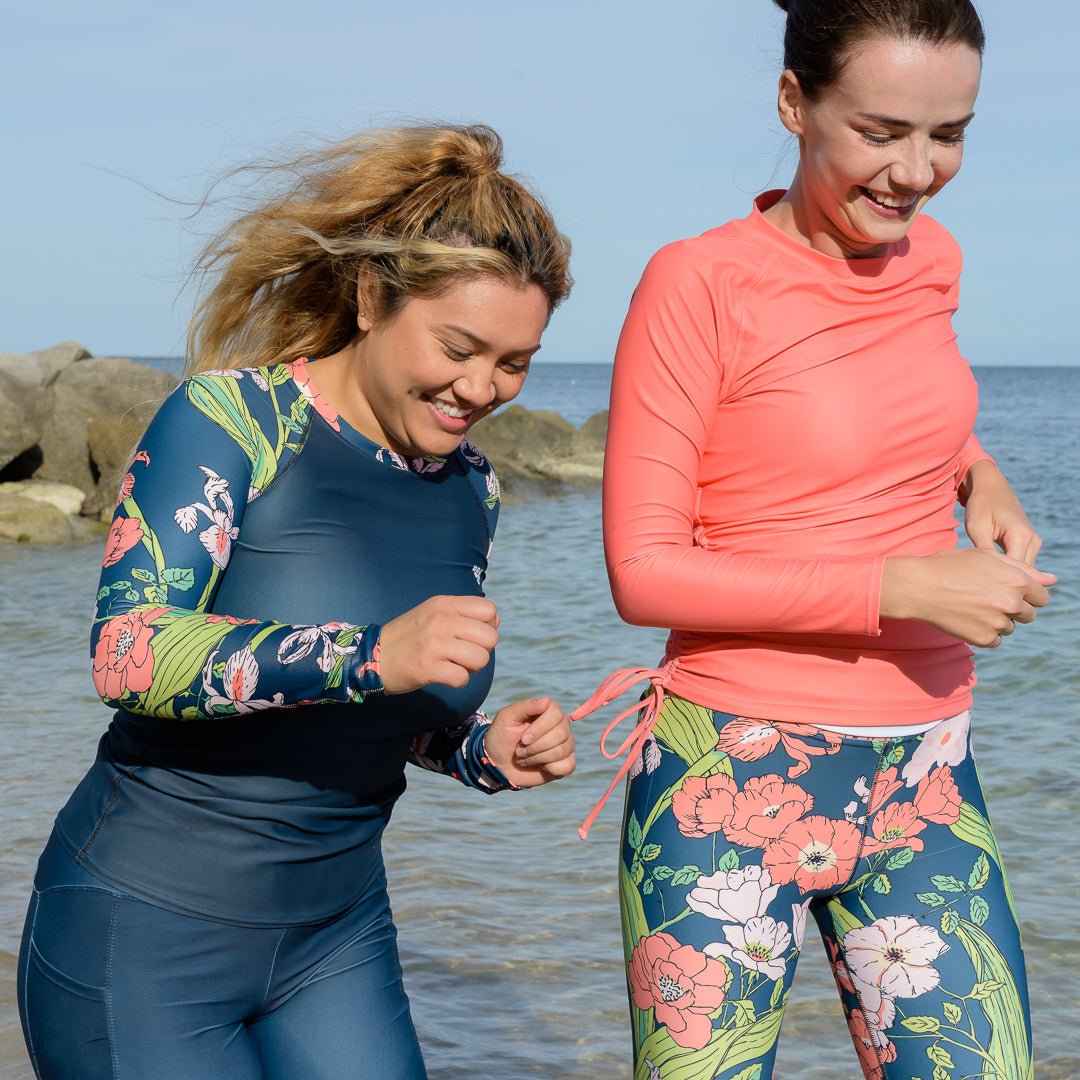
Choosing the right rash guard fit is important for comfort and protection. A rash guard should feel snug but not too tight. It must allow easy movement without causing irritation. Understanding the basics of fit helps you pick the best option for your needs.
Key Fit Areas To Consider
Focus on the shoulders, chest, and waist. The rash guard should fit closely around these areas. Sleeves must reach the wrists without stretching too much. The length should cover your torso fully, avoiding exposure during activity. Check for no loose fabric that can catch or bunch up.
Different Rash Guard Styles
Rash guards come in long-sleeve, short-sleeve, and sleeveless styles. Long sleeves offer full arm coverage and extra sun protection. Short sleeves give more freedom and keep you cooler. Sleeveless designs suit warm weather but offer less protection. Choose based on your activity and climate.
Material And Stretch Impact
Most rash guards use stretchy materials like spandex or elastane. These fabrics allow a tight fit that moves with your body. Stretch helps prevent tearing and keeps the rash guard close to your skin. Look for a balance between compression and comfort for best results.
Choosing The Right Size
Choosing the right size for your rash guard is important for comfort and performance. A rash guard that fits well moves with your body and protects your skin. A poor fit can cause chafing or restrict movement. To find the best fit, you need to understand your body measurements and how different brands size their products.
Measuring Your Body Accurately
Use a soft tape measure to get your body size. Measure your chest at the widest point. Keep the tape snug but not tight. Measure your waist where it is narrowest. Note down these numbers carefully. This helps you match your size with the chart.
Size Charts And Their Variations
Size charts vary between brands and styles. Check the chart before buying. Compare your measurements to each size. Some rash guards run small or large. Look for any notes on fit style, like slim or loose. This guides you to the right choice.
When To Size Up Or Down
Size up if you want extra room or plan to wear layers underneath. Size down for a tighter, second-skin fit that stays close to your body. Consider your activity type. More movement may need a bit of extra space. Less stretch means sizing up can prevent discomfort.
Fit Types And Their Benefits
Rash guards come in different fits, each serving a unique purpose. Choosing the right fit improves comfort and performance. Understanding these fit types helps you pick the best rash guard for your needs.
Compression Fit For Performance
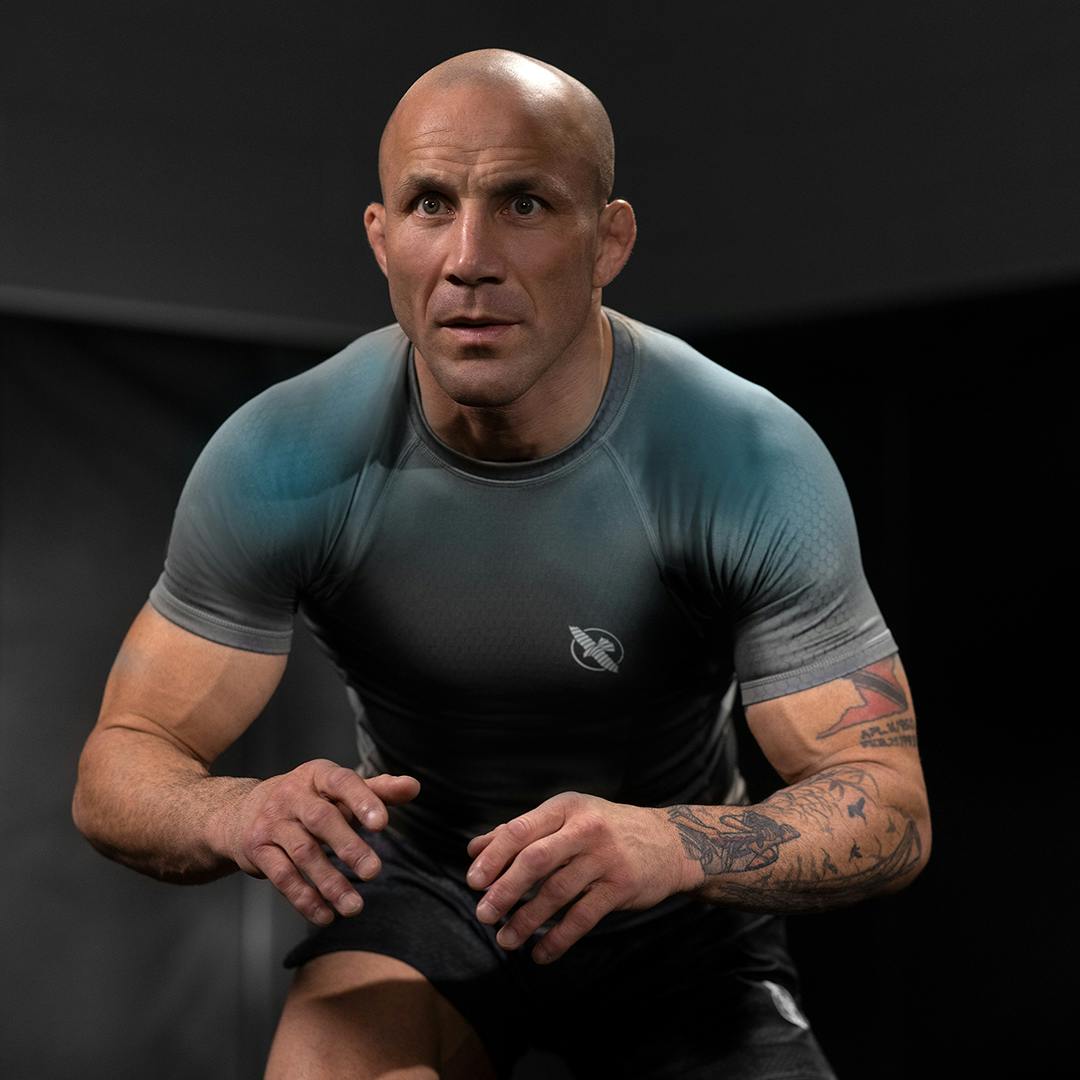
Compression fit rash guards fit tightly against your skin. They provide muscle support and reduce fatigue. This fit also helps to improve blood flow during intense activities. The tightness prevents chafing and keeps the rash guard in place. Ideal for sports like surfing and grappling.
Relaxed Fit For Comfort
Relaxed fit rash guards offer a looser feel without being baggy. They allow easy movement and breathability. This fit is great for casual wear or light water activities. It provides comfort without restricting your body. A good choice for those new to rash guards.
Loose Fit For Layering
Loose fit rash guards are roomy and perfect for layering. You can wear them over swimsuits or under wetsuits. This fit adds extra warmth and protection. It also allows air circulation to keep you cool. Best for colder water or long days outdoors.
Credit: www.hayabusafight.com
Common Fit Issues And Fixes
Rash guards should fit well for comfort and protection. Many people face common fit problems. These issues can affect movement and cause discomfort. Understanding these problems helps you choose the right size. Simple fixes can improve the fit a lot.
Too Tight: Signs And Solutions
A rash guard feels too tight if it restricts your movement. You might notice red marks on your skin. Breathing can feel harder than usual. The fabric may stretch too much and lose shape.
Choose one size larger for a better fit. Look for rash guards with stretchy materials. Avoid heavy layering under the rash guard. Try brands with a more relaxed cut.
Too Loose: How To Adjust
A loose rash guard moves around during activity. It can cause chafing or ride up your body. Loose sleeves or body sections reduce protection.
Pick a smaller size to reduce extra fabric. Look for rash guards with elastic hems or adjustable features. Tuck the rash guard into your shorts for a snug fit. Consider compression styles for a tighter feel.
Sleeve Length And Shoulder Fit Problems
Sleeves that are too long can get in the way. Short sleeves may expose your skin to rashes. Shoulder seams sitting off your shoulders cause discomfort.
Check size charts carefully for sleeve length. Try rash guards with raglan sleeves for better shoulder fit. Choose styles designed for your body shape. Alterations by a tailor can fix small issues.
Tips For Trying Rash Guards
Trying on rash guards can be tricky. The right fit feels like a second skin. Too tight, and you feel squeezed. Too loose, and it can bunch up or rub. Simple tips help you find the perfect fit fast.
These tips work for buying in stores or online. They focus on comfort, movement, and how the rash guard works with your gear.
How To Test Fit In Store
Start by putting the rash guard on over your bare skin. Stretch your arms up and forward. Move side to side. It should feel snug but not tight. Check if the sleeves cover your wrists without riding up.
Bend over and squat to see how it moves. The rash guard should not pull or cut into your skin. Look for smooth seams and no bunching. Ask for a smaller or larger size to compare.
What To Look For When Ordering Online
Check the size chart carefully. Measure your chest, waist, and arms. Match your numbers to the chart. Read customer reviews about fit. Some brands run small or large.
Look for stretchy materials like spandex or elastane. These fabrics adapt to your body shape. Pick a size that feels snug but allows movement. Avoid rash guards that claim to be loose or baggy.
Trying Rash Guards With Other Gear
Wear your rash guard under wetsuits or shorts during fitting. This shows how it feels layered. Make sure it does not bunch or create pressure points. Check that seams stay flat and don’t irritate.
Try moving and stretching with all gear on. The rash guard should not restrict your moves. If you feel tightness or discomfort, try a different size or style.

Credit: blog.wetsuitwearhouse.com
Care And Maintenance For Fit
Proper care keeps your rash guard fitting well for a long time. Stretchy fabrics need gentle handling. This helps preserve shape and comfort. Follow these simple steps to maintain your rash guard’s fit and look.
Washing Tips To Preserve Shape
Wash your rash guard in cold water only. Hot water can damage the fabric and cause shrinking. Use mild detergent without bleach or fabric softeners. These chemicals weaken the fibers and reduce elasticity. Hand washing is best. If using a machine, select a gentle cycle. Turn your rash guard inside out before washing. This protects the surface and colors.
Drying And Storage Guidelines
Never use a dryer. Heat can shrink and warp the fabric. Instead, lay your rash guard flat on a clean towel. Avoid hanging it by the shoulders; this stretches the material. Keep it out of direct sunlight to prevent fading. Store your rash guard in a cool, dry place. Folding it neatly helps maintain its shape.
When To Replace Your Rash Guard
Look for signs of wear like stretched fabric or loose seams. Fading colors and thinning material reduce protection. If the rash guard no longer fits snugly, it is time to replace it. Wearing a well-fitting rash guard ensures comfort and safety during activities.
Frequently Asked Questions
How Should A Rash Guard Fit For Best Performance?
A rash guard should fit snugly but not too tight. It must allow easy movement and stretch without sagging. Proper fit ensures protection from rashes and UV rays while maximizing comfort during activities like surfing or grappling.
Are Rash Guards Supposed To Be Tight Or Loose?
Rash guards are designed to be tight to reduce friction and prevent skin irritation. A loose rash guard can cause chafing and reduce protection. Choose a size that fits close to your body, allowing full motion without discomfort.
Can Rash Guards Fit Differently By Brand?
Yes, rash guard sizing can vary by brand. Always check specific size charts before buying. Different materials and cuts affect fit, so trying on or reading reviews helps find the best fit for your body type.
Should Rash Guards Fit Differently For Men And Women?
Yes, rash guards are often cut differently for men and women. Women’s rash guards usually have a tailored fit to accommodate curves. Men’s versions tend to have a straighter cut. Choosing gender-specific fits enhances comfort and performance.
Conclusion
Choosing the right rash guard fit matters a lot. It should feel snug but not too tight. A good fit protects your skin and moves with you. Stretch the fabric a bit to check comfort. Sizes may differ by brand, so always try first.
Remember, comfort and protection go hand in hand. Wear your rash guard with confidence and ease. Keep these tips in mind for your next purchase. Simple steps can make a big difference in your experience.
