

Can You Wear Rash Guard for Hiking: Ultimate Comfort & Protection Guide
Are you wondering if a rash guard is a good choice for your next hike? You might think it’s only for water sports, but there’s more to this versatile gear than you realize.
Choosing the right clothing can make or break your hiking experience, affecting your comfort, protection, and even your energy levels. Keep reading to discover how a rash guard could be the unexpected game-changer in your hiking wardrobe—and why it might just become your new favorite layer on the trail.
Credit: clinicamedca.com
Benefits Of Rash Guards
Rash guards offer many benefits that suit hiking needs well. They provide comfort and protection during outdoor activities. Wearing a rash guard on the trail helps keep you dry and safe. These shirts are designed to handle tough conditions. Let’s explore the key benefits of rash guards for hiking.
Moisture Wicking Properties
Rash guards pull sweat away from your skin quickly. This keeps your body dry and cool during hikes. Staying dry reduces chafing and skin irritation. The fabric dries fast, so you feel comfortable longer. Moisture wicking helps regulate your body temperature on warm days.
Sun Protection
Rash guards block harmful UV rays from the sun. Most have built-in UPF protection to shield your skin. This lowers the risk of sunburn on long hikes. Wearing a rash guard reduces the need for constant sunscreen reapplication. It protects sensitive skin on arms and chest effectively.
Durability And Abrasion Resistance
Rash guards are made from strong, stretchy materials. They resist tears and scrapes from rocks and branches. The fabric holds up well on rough trails and dense brush. This durability means you can hike with less worry about damage. Rash guards last longer than regular t-shirts in the wild.
Rash Guards Vs Traditional Hiking Shirts
Rash guards and traditional hiking shirts serve different purposes but overlap in outdoor use. Choosing the right shirt can affect your hiking comfort and protection. Understanding their differences helps you pick what fits your needs.
Both types offer sun protection and quick drying features. Yet, their materials, fit, and breathability vary greatly. These factors influence how you feel during long hikes and changing weather.
Material Differences
Rash guards use synthetic fabrics like polyester and spandex. These materials stretch and fit closely to the skin. Traditional hiking shirts often use cotton blends or nylon. Cotton feels soft but stays wet longer. Nylon dries faster but may lack stretch.
Comfort And Fit
Rash guards fit tight to reduce chafing and protect skin. This snug fit helps when moving through bushes or climbing. Hiking shirts have a looser cut for better movement and airflow. They often include pockets and ventilation flaps for convenience.
Breathability And Ventilation
Rash guards are designed to wick sweat and dry quickly. They allow some air but focus on moisture control. Hiking shirts usually have mesh panels or vents to boost airflow. This design keeps the body cooler in hot weather.
Types Of Rash Guards Suitable For Hiking
Choosing the right rash guard for hiking depends on the type and features of the garment. Rash guards come in various styles and materials. Each type offers different benefits that suit hiking needs. Knowing these options helps in picking the best one for your outdoor adventure.
Rash guards provide protection against sun, scratches, and insects. Some are designed for water sports but work well on trails too. The key is to match the rash guard’s features with your hiking environment and personal comfort.
Long Sleeve Options
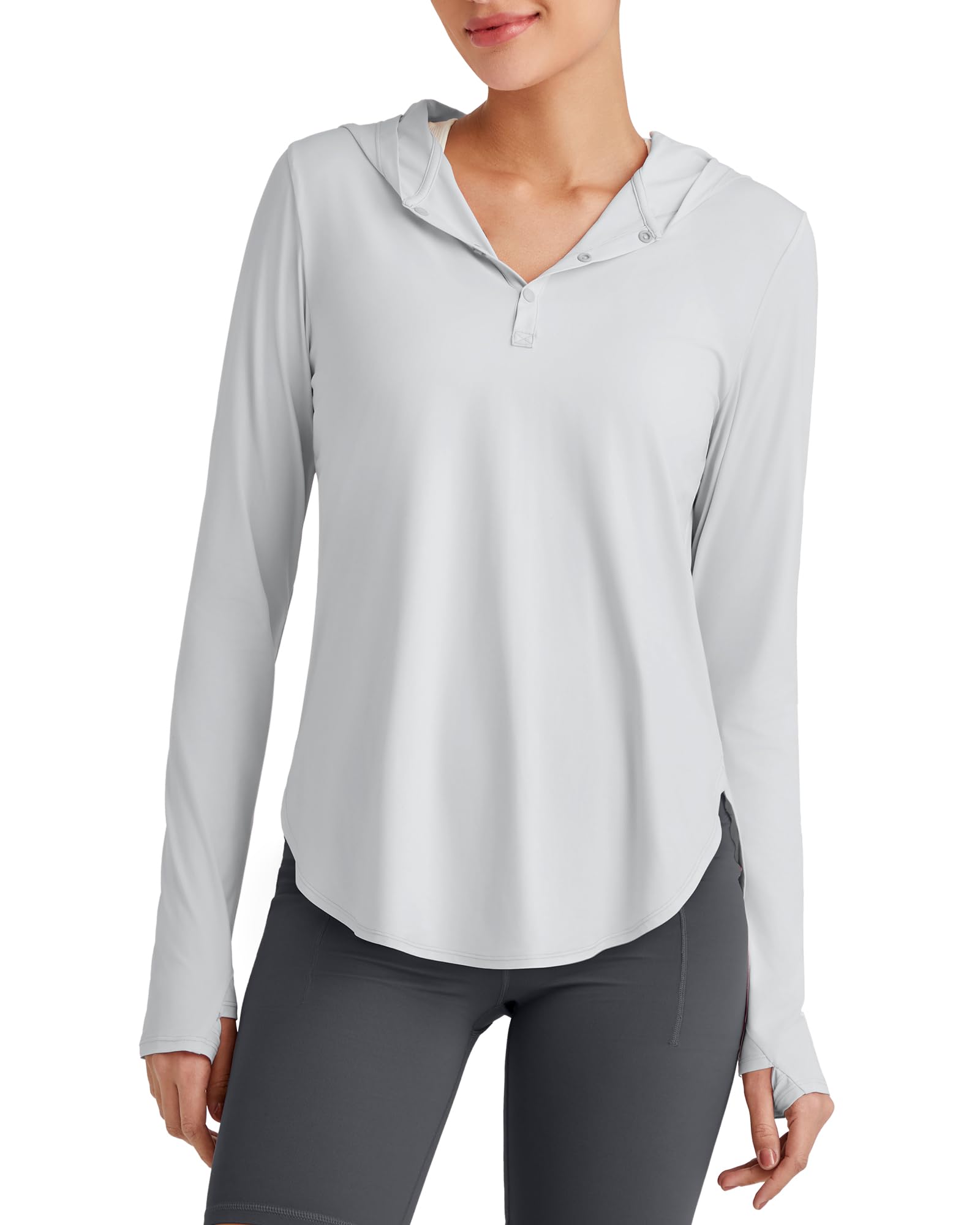
Long sleeve rash guards are popular for hiking. They protect arms from sunburn and scratches from branches. These sleeves also help keep bugs away. Some have thumb holes to keep sleeves in place. They provide full arm coverage, ideal for dense forests or sunny days.
Lightweight Vs Heavyweight
Lightweight rash guards dry quickly and allow better airflow. They are good for hot weather hikes. Heavyweight options offer more warmth and extra protection. These are useful in cooler climates or rough terrain. Choose based on the weather and trail difficulty.
Uv Protection Ratings
UV protection is essential for hiking outdoors. Rash guards have UPF ratings that show their sun-blocking power. A higher UPF rating means better protection from harmful rays. Look for rash guards with UPF 50+ for strong sun defense. This helps prevent sunburn and skin damage during long hikes.
Layering Rash Guards On Trails
Layering rash guards on trails offers a smart way to stay comfortable and protected. Rash guards are thin, stretchy shirts that fit close to the skin. They help control moisture and protect from sun and bugs. Wearing them in layers helps hikers adjust to changing weather and trail conditions.
Base Layer Use
The base layer is the first layer next to the skin. A rash guard works well here because it dries fast and wicks sweat. It keeps you cool in heat and warm in cold. The snug fit stops chafing during long hikes. Choose lightweight rash guards for this layer.
Mid Layer Considerations
Use a thicker rash guard or long-sleeve shirt over the base layer. This layer adds warmth and blocks wind. Pick rash guards made from fleece or brushed fabric for extra insulation. Make sure it still fits close but allows easy movement. Layering this way helps you stay warm without bulk.
Weather Adaptability
Rash guards help you handle sudden weather changes. Wear just the base layer in warm, dry weather. Add the mid layer if it gets cooler or windy. You can remove layers easily when the sun comes out. This flexibility makes rash guards great for trail hiking.
Care Tips For Rash Guards
Rash guards need proper care to last longer and keep their quality. Taking care of them right keeps the fabric strong and comfortable. Follow simple steps after hiking or swimming to protect your rash guard.
Washing Instructions
Rinse your rash guard in cold water after use. Use mild detergent only. Avoid bleach or fabric softeners as they damage the fabric. Wash it by hand or on a gentle machine cycle. Turn the rash guard inside out before washing. This helps keep colors bright and fabric smooth.
Drying And Storage
Do not use a dryer for your rash guard. Air dry it in the shade to avoid sun damage. Lay it flat or hang it to dry, but not on a hanger that stretches the fabric. Store the rash guard folded in a cool, dry place. Keep it away from direct sunlight and heat.
Maintaining Fabric Performance
Keep your rash guard away from rough surfaces to avoid snags. Avoid contact with oils or lotions that can break down the material. Rinse it well after every use to remove salt, sand, or sweat. Follow care instructions to keep its stretch and UV protection. Well-cared rash guards stay comfortable and protect longer.

Credit: attracosports.com
Real Hiker Experiences
Many hikers have shared their real experiences wearing rash guards on trails. These stories reveal how rash guards perform in actual hiking conditions. They highlight both benefits and small challenges faced during hikes.
Reading about real hikers helps understand if rash guards suit hiking needs. The feedback covers comfort, protection, and use in various terrains. These insights guide hikers to choose the right gear for their adventures.
Comfort During Long Hikes
Hikers say rash guards feel light and soft on the skin. The material breathes well, keeping sweat away. This reduces discomfort and chafing over many hours.
Some hikers notice rash guards dry faster than cotton shirts. This helps avoid the sticky feeling after sweating. They also like the snug fit that moves with the body.
Protection Against Elements
Many hikers appreciate rash guards for sun protection. The fabric blocks harmful UV rays effectively. This lowers the risk of sunburn on exposed skin.
In cooler weather, rash guards provide a good base layer. They keep warmth close without bulk. Some hikers also use them to stop scratches from bushes.
Versatility In Different Terrains
Hikers find rash guards useful in forests, mountains, and deserts. The stretchy fabric adapts to different movements and climbs. It also resists tears better than some regular shirts.
In wet or muddy conditions, rash guards clean easily. They do not absorb much water, which helps keep weight low. This makes them handy for mixed terrain hikes.

Credit: clinicamedca.com
Frequently Asked Questions
Can You Wear A Rash Guard For Hiking Comfortably?
Yes, rash guards are comfortable for hiking. They are lightweight, breathable, and wick moisture away. This keeps you dry and cool during hikes.
Are Rash Guards Suitable For Sun Protection While Hiking?
Rash guards offer excellent sun protection. They often have UPF ratings that block harmful UV rays, reducing sunburn risk on trails.
Do Rash Guards Help Prevent Insect Bites On Hikes?
Rash guards provide a physical barrier against insect bites. Their snug fit minimizes exposed skin, helping protect you from bugs during outdoor activities.
Can Rash Guards Regulate Body Temperature During Hiking?
Rash guards help regulate temperature by wicking sweat and drying quickly. This keeps you warm in cool weather and cool in heat.
Conclusion
Wearing a rash guard for hiking can offer great benefits. It protects your skin from sun and scratches. The fabric dries quickly and keeps you cool. Rash guards are lightweight and easy to move in. They can work well in many weather conditions.
Choose one that fits comfortably for best results. This simple choice can make your hike more enjoyable. Try it on your next outdoor adventure and see the difference.
