

How are Rash Guards Made: The Ultimate Behind-the-Scenes Guide
Have you ever wondered what makes rash guards so special? Whether you wear them for surfing, swimming, or workouts, rash guards protect your skin and keep you comfortable.
But how are these amazing garments made? Understanding the process behind rash guards can help you appreciate their quality and choose the right one for your needs. Keep reading, and you’ll discover the secrets behind their materials, design, and construction—knowledge that could change the way you shop for your next rash guard.

Credit: rollmore.com
Materials Used
Rash guards need strong and flexible materials. These materials protect skin and keep the shirt comfortable. The choice of fabric affects performance, feel, and protection. Below are key material features used in rash guards.
Fabric Types
Most rash guards use synthetic fabrics. Polyester and nylon are common choices. These fabrics dry quickly and resist water. Some rash guards mix fabrics for better comfort. Spandex or elastane adds stretchiness. This helps rash guards fit the body tightly.
Stretch And Durability
Stretch is important for movement. Spandex gives rash guards their stretch. It also helps the fabric keep shape. Durability comes from strong fibers like polyester. These fibers resist tears and wear. Good rash guards last through many uses and washes.
Uv Protection Features
Rash guards often have UV protection. The fabric blocks harmful sun rays. This protects skin during long outdoor use. Some fabrics have special coatings for extra UV defense. UV protection is a key reason people wear rash guards.

Credit: swimzip.com
Design Process
The design process for rash guards shapes both function and style. Each step ensures the final product fits well and looks good. Designers focus on comfort, durability, and appearance. This process blends creativity with technical skill.
Pattern Creation
Designers start with pattern creation. They draft shapes to match the body's curves. Patterns include panels for sleeves, torso, and collar. Precise cutting reduces fabric waste. Patterns must allow stretch and movement. This step sets the base for all other work.
Color And Graphics
Colors and graphics bring rash guards to life. Designers choose bright, bold colors that resist fading. Graphics must look good on curved fabric. Digital printing or sublimation adds detailed images. This method keeps designs sharp and vibrant. Colors also reflect brand identity or team spirit.
Size And Fit Considerations
Size and fit are vital for rash guards. Designers use body measurements to create size charts. Rash guards need to be snug but not tight. Stretchy fabrics help maintain shape and comfort. Proper fit prevents chafing and improves performance. This step ensures wearers feel confident and protected.
Cutting And Sewing
Cutting and sewing are key steps in making a rash guard. These steps shape the fabric and join parts to fit the body well. Precision during cutting and sewing affects comfort and durability. Quality rash guards come from skilled work in these areas.
Fabric Cutting Techniques
Cutting fabric is the first step. Patterns guide the shapes cut from large fabric rolls. Tools like rotary cutters and scissors help in cutting. Cutting must be exact to avoid waste and mismatch. Sometimes, machines cut multiple layers at once for speed. Proper cutting keeps fabric strong and ready for sewing.
Seam Construction
Seams join the fabric pieces. Rash guards need strong seams to handle stretching. Flatlock seams are popular because they lie flat on the skin. This reduces chafing and discomfort. Overlock seams are also used to prevent fabric from fraying. Good seam construction improves the rash guard’s lifespan.
Stitching Methods
Stitching holds the seams firmly. Stretch stitches allow the fabric to move without breaking threads. Double stitching adds extra strength to important areas. Machines with special needles sew quickly and neatly. Careful stitching keeps the rash guard flexible and durable.
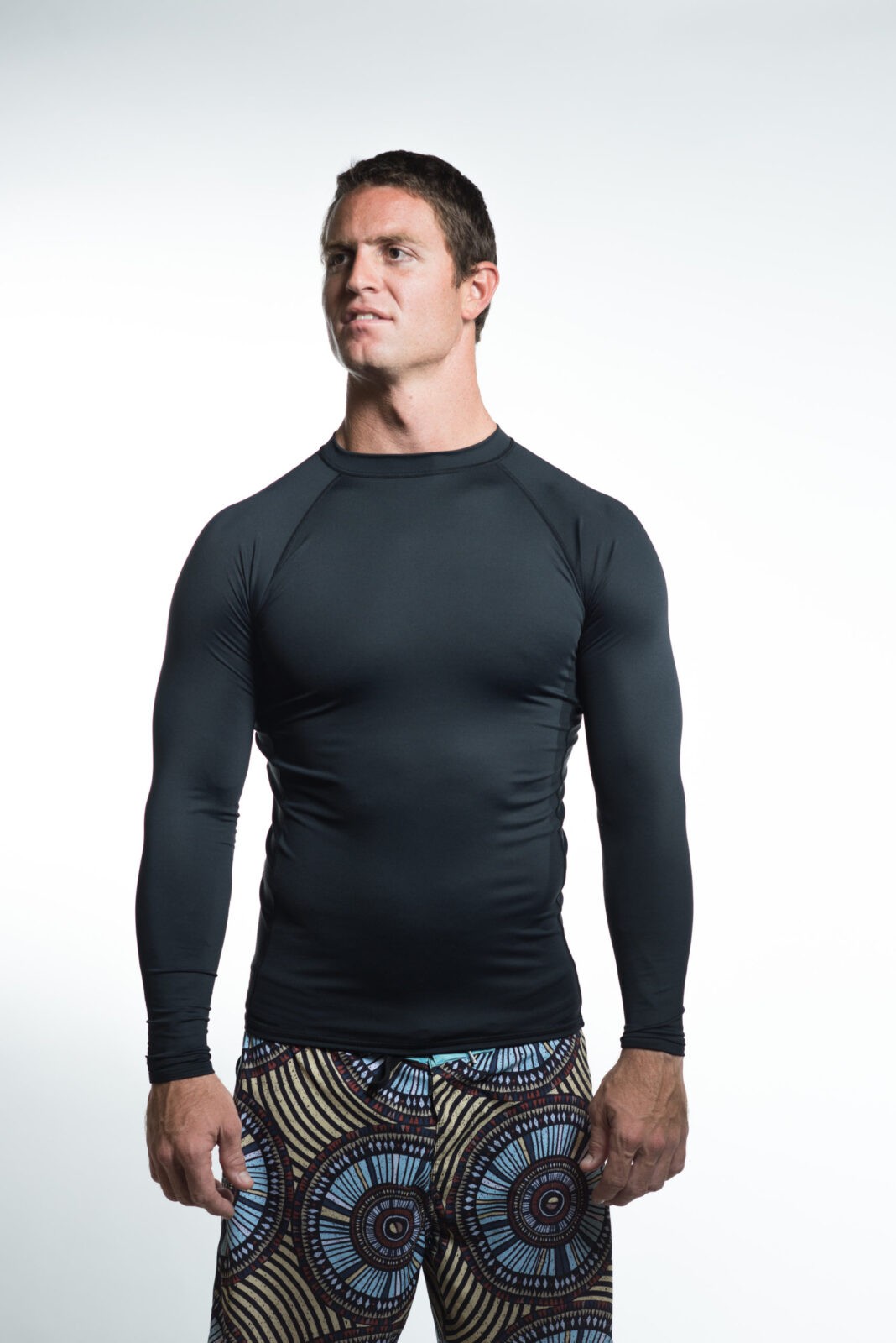
Credit: shop.oceantec-usa.com
Quality Control
Quality control is a key part of making rash guards. It ensures the final product works well and lasts long. Every rash guard goes through strict tests to meet high standards. These checks help keep the fabric strong, comfortable, and safe from the sun.
Durability Testing
Durability testing checks how tough the rash guard is. The fabric is stretched and rubbed many times. This simulates real use in water and sports. Only materials that resist wear and tear pass this test. It helps avoid quick damage or holes.
Fit And Comfort Checks
Fit and comfort are tested on real people. They wear the rash guard during activities. This finds any tight spots or loose areas. The goal is to make the rash guard feel like a second skin. Comfort is important for long hours of use.
Uv Protection Verification
UV protection is a must for rash guards. Labs test the fabric to measure how much UV rays it blocks. The fabric must block most harmful rays to protect skin. Only rash guards with strong UV protection get approved for sale.
Finishing Touches
The final steps in making a rash guard give it a polished look. These steps add value and make the product ready for sale. They include adding tags, packaging, and branding details. Each step plays a key role in the product’s appeal and functionality.
Tagging And Labeling
Tags provide important information about the rash guard. They show the size, care instructions, and fabric type. Labels are sewn inside the garment for comfort. Clear tags help customers choose the right product. They also ensure proper garment care to extend its life.
Packaging
Packaging protects the rash guard during shipping and display. It keeps the fabric clean and wrinkle-free. Packaging often uses recyclable materials to reduce waste. Well-designed packaging draws attention on store shelves. It also makes the product easy to store and carry.
Branding Elements
Brand logos and designs add identity to the rash guard. They are placed on sleeves, chest, or back. Branding builds trust and loyalty among customers. Unique branding helps the product stand out from competitors. Simple, clear logos improve brand recognition and recall.
Sustainability Practices
Sustainability practices are changing how rash guards are made. Brands focus on reducing their impact on the environment and society. This makes rash guards better for the planet and the people who make them.
Eco-friendly Materials
Many rash guards now use eco-friendly materials. Recycled polyester and nylon come from plastic waste. Organic cotton is grown without harmful chemicals. These materials use fewer resources and create less pollution. They also last longer, so you buy fewer replacements.
Waste Reduction
Manufacturers work hard to cut down waste. They use cutting techniques that leave less fabric scraps. Some recycle leftover materials into new products. Digital printing reduces water and ink waste. Every small step helps save resources and lowers pollution.
Ethical Manufacturing
Ethical manufacturing means fair pay and safe workplaces. Brands check their factories to protect workers’ rights. They avoid child labor and unsafe conditions. Respecting people is as important as protecting nature. This creates a better future for everyone involved.
Frequently Asked Questions
What Materials Are Used To Make Rash Guards?
Rash guards are typically made from polyester, nylon, and spandex blends. These materials offer stretch, durability, and quick-drying properties. The fabric is lightweight and breathable, ensuring comfort during water sports. The blend also provides UV protection and resists abrasion from surfboards and sand.
How Are Rash Guards Constructed For Durability?
Rash guards use flatlock stitching to prevent chafing and increase strength. The seams lie flat against the skin, reducing irritation. High-quality rash guards also have reinforced panels in high-wear areas. This construction enhances durability and ensures the garment withstands frequent use in harsh conditions.
Why Do Rash Guards Have Uv Protection?
Rash guards include UV protection to shield skin from harmful sun rays. The fabrics are treated with UPF (Ultraviolet Protection Factor) to block UV radiation. This feature helps prevent sunburns and long-term skin damage during outdoor water activities, providing an extra layer of safety.
How Does Fabric Choice Affect Rash Guard Performance?
The fabric choice impacts stretch, comfort, and drying speed. Polyester blends dry quickly and resist fading from sun exposure. Spandex adds flexibility for unrestricted movement. Quality fabric also controls moisture and helps regulate body temperature during activity.
Conclusion
Rash guards start with special fabric made for comfort and stretch. Cutting and sewing shape the fabric into tight-fitting shirts. Strong stitching keeps the rash guard durable and snug. Some get extra features like UV protection or quick drying. Each step makes rash guards ready for sports and water fun.
Understanding how they are made helps you choose the right one. Quality materials and good work mean better wear and longer use. Now you know what goes into making rash guards strong and comfy.
